
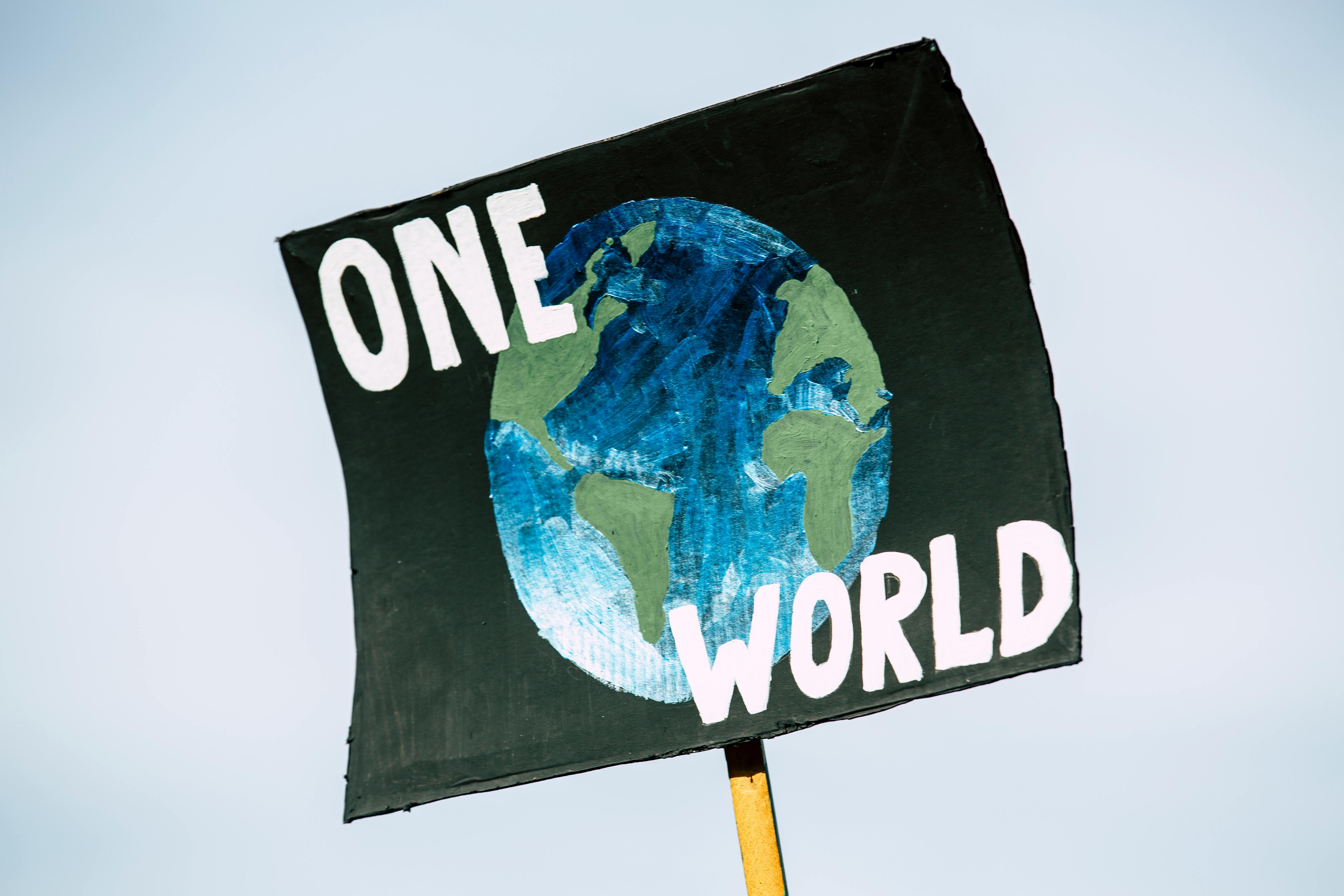
Climate change represents one of the most pressing global challenges of the 21st century. Rising global temperatures, extreme weather events, biodiversity loss, and increasing greenhouse gas (GHG) concentrations are reshaping ecosystems, economies, and societies. In response, climate activism and advocacy have become central to influencing public opinion, shaping government policy, and driving corporate responsibility.
As of 2025, climate activism is no longer confined to grassroots demonstrations. It extends into litigation, finance, education, shareholder activism, and global diplomacy. Understanding effective strategies for climate activism is essential for achieving systemic change that aligns with the Paris Agreement goal of limiting global warming to 1.5°C.
This article explores key strategies that have proven impactful, grounded in evidence and current global developments.
1. Leveraging Grassroots Mobilization
Grassroots activism remains a powerful driver of awareness and policy change. Mobilizing communities around local climate issues—such as pollution, deforestation, or air quality—provides the foundation for broader national and international action.
- Youth-led movements such as Fridays for Future have mobilized millions of students across 150+ countries.
- Localized campaigns, including efforts against coal plants in India or oil drilling in Nigeria, highlight direct community impacts.
- Studies show that grassroots movements increase political accountability. A 2023 Nature Climate Change study found that governments receiving sustained climate protests were 30% more likely to adopt stricter emissions targets.
- Social media platforms facilitate the rapid spread of environmental awareness and mobilization efforts among young people.
- Collaborative initiatives between indigenous groups and environmental activists showcase effective strategies for land protection.
- Climate strikes organized by young activists challenge traditional political structures and influence public discourse on climate change.
- Art and culture play a significant role in youth activism, using creativity to engage communities in environmental issues.
- Global youth summits provide a platform for exchanging ideas and strategies to combat climate change on a larger scale.
2. Policy Advocacy and Legislative Engagement
Shaping policy is a core dimension of climate activism. Direct engagement with lawmakers, regulatory agencies, and intergovernmental bodies helps transform advocacy into binding legal frameworks.
- Carbon pricing mechanisms (emissions trading systems, carbon taxes) are now active in over 47 countries covering nearly 25% of global GHG emissions.
- Activists have successfully lobbied for net-zero commitments: over 90% of global GDP is now under a net-zero pledge.
- Policy advocacy is particularly impactful in the EU, where climate NGOs have influenced the European Green Deal and Fit for 55 package.
- Green new deals have emerged worldwide, promoting investments in renewable energy and sustainable jobs.
- Many cities are adopting climate action plans that focus on reducing carbon footprints and enhancing resilience.
- There is a global increase in divestment from fossil fuels, with numerous institutions committing to sustainable investment practices.
- Public awareness of climate change continues to rise, driven by youth movements and widespread media coverage.
Effective strategies here include:
- Submitting evidence-based policy briefs to parliaments.
- Building coalitions across sectors (environmental groups, labor unions, health organizations).
- Ensuring policies include just-transition measures for vulnerable workers.
- Conducting workshops to educate stakeholders on policy impacts.
- Engaging in community outreach to gather public input.
- Collaborating with academic institutions for research and analysis.
- Advocating for transparent and inclusive decision-making processes.
- Monitoring and evaluating the implementation of policies.
- Facilitating dialogues between different community groups and policymakers.

3. Climate Litigation as a Strategic Tool
Legal action has emerged as a high-impact strategy to hold governments and corporations accountable. Climate litigation cases have surged globally.
- As of 2024, more than 2,500 climate-related lawsuits have been filed across 65 jurisdictions (UNEP Global Climate Litigation Report).
- Landmark cases include Urgenda Foundation v. Netherlands, which compelled the Dutch government to cut emissions by 25% compared to 1990 levels.
- In 2023, the European Court of Human Rights began hearing youth-led climate cases against multiple states.
- The Juliana v. United States case, where youth plaintiffs argued for their right to a stable climate, has gained significant attention.
- Australia’s Sharma v. Minister for the Environment case established that the government has a duty of care to protect children from climate harm.
- The GHAI v. Union of India brought forward by a group of Indian farmers focusing on the impacts of climate change on agriculture.
Climate litigation strategies include:
- Suing governments for failing to meet climate targets.
- Targeting corporations for misleading climate claims (“greenwashing”).
- Pushing for recognition of climate harm as a human rights violation.
- Advocating for stronger environmental regulations.
- Mobilizing communities for climate action and awareness.
- Collaborating with international organizations for a unified climate response.
- Promoting sustainable practices in agriculture and industry.
- Supporting research on the impacts of climate change on biodiversity.
4. Financial Activism and Divestment Campaigns
Financial flows are central to climate outcomes. Redirecting capital away from fossil fuels toward sustainable alternatives has proven effective.
- Global fossil fuel divestment campaigns have influenced over 1,500 institutions controlling more than $40 trillion in assets.
- Shareholder activism has pushed oil majors like ExxonMobil and Shell to adopt stricter disclosure requirements.
- In 2025, institutional investors increasingly demand Scope 3 emissions disclosure (full supply chain).
- Renewable energy investments have surged, with global spending exceeding $300 billion.
- Activist investors are focusing on environmental, social, and governance (ESG) criteria in their portfolios.
- Governments worldwide are setting net-zero emissions targets, influencing corporate strategies.
Key approaches:
- Pressuring pension funds and universities to divest from fossil fuels.
- Engaging with shareholder resolutions.
- Supporting disclosure regulations under frameworks such as TCFD (Task Force on Climate-Related Financial Disclosures).
- Advocating for stronger climate change policies at the governmental level.
- Promoting sustainable investment practices among financial institutions.
- Raising awareness about the environmental impact of fossil fuel investments.
- Collaborating with NGOs to push for corporate accountability in climate action.
- Encouraging transparency in corporate financial reporting related to climate risks.
5. Harnessing Digital and Social Media Advocacy
Social media platforms have amplified climate activism to global audiences. Hashtags, viral campaigns, and livestreamed protests extend reach and mobilization.
- The #ClimateStrike hashtag generated over 20 million mentions in 2023 alone.
- TikTok and Instagram are now key platforms for youth activism, creating short educational content with massive reach.
- Digital advocacy also extends to online petitions, virtual rallies, and coordinated campaigns targeting policymakers.
- Social media challenges have effectively mobilized young people to take action on climate issues.
- Youth-led organizations have successfully lobbied for climate action at local, national, and international levels.
- Infographics and data visualization are increasingly used to convey complex climate data in an accessible way.
- Collaboration between different activist groups has strengthened campaigns and increased overall impact.
- Online events and webinars facilitate knowledge sharing among young activists globally.
Effective tactics include:
- Creating data-driven infographics to explain emissions and climate risks.
- Using multilingual content to reach diverse demographics.
- Countering misinformation with fact-checked narratives.
- Hosting webinars and workshops to educate the public.
- Developing interactive online tools for better understanding of climate issues.
- Collaborating with influencers to spread awareness.
- Sharing success stories of climate action from different communities.
- Producing video content for social media platforms.
6. Corporate Accountability and Supply Chain Pressure
Corporations contribute significantly to global emissions. Activists target corporate practices through campaigns that demand accountability, transparency, and alignment with climate goals.
- The CDP (Carbon Disclosure Project) reports that over 13,000 companies disclose environmental data under investor and activist pressure.
- Supply chain campaigns—such as pushing retailers to source deforestation-free palm oil—have influenced procurement practices globally.
- Naming-and-shaming tactics have led firms like H&M, Unilever, and Nestlé to adopt stricter sustainability reporting.
Strategies include:
- Consumer boycotts and pressure campaigns.
- Partnering with labor groups to demand just and sustainable supply chains.
- Monitoring greenwashing through independent audits.
7. Linking Climate to Human Rights and Justice
Framing climate action as a human rights issue strengthens activism. It shifts the debate from technical policy to ethical imperatives.
- The UN Human Rights Council recognized the right to a healthy environment in 2021.
- Indigenous rights activists have highlighted land sovereignty as essential for biodiversity conservation.
- Climate justice framing emphasizes that low-emission nations are disproportionately affected by climate disasters.
This approach has galvanized coalitions between environmentalists, human rights advocates, and public health organizations.

8. Youth Activism and Intergenerational Equity
Youth movements play a critical role by emphasizing long-term consequences of inaction. Their strategies rely on visibility, urgency, and mass mobilization.
- Youth climate lawsuits are rising, particularly in the US, EU, and Latin America.
- Intergenerational framing—“our future is at stake”—resonates with policymakers and voters.
- Student strikes, university protests, and global youth networks remain influential in shaping narratives.
9. International Climate Diplomacy and Advocacy
Engagement with global institutions amplifies activist voices. International forums provide a platform to influence treaties, funding, and commitments.
- COP summits (Conference of the Parties under the UNFCCC) serve as a central stage for advocacy campaigns.
- Civil society groups influence negotiations by lobbying delegates, holding press conferences, and mobilizing public opinion.
- Activists have successfully pushed for initiatives such as the Loss and Damage Fund launched at COP27.
Key strategies:
- Coordinated campaigns around major international events.
- Submitting reports to UN agencies and climate panels (IPCC).
- Building transnational coalitions to ensure inclusivity.
10. Educational Campaigns and Climate Literacy
Long-term climate advocacy requires raising public awareness and enhancing climate literacy.
- Integrating climate science into education systems builds future resilience.
- NGOs such as Climate Reality Project have trained thousands of activists to deliver educational presentations.
- Evidence shows that informed citizens are more likely to support climate-friendly policies and candidates.
Approaches include:
- School-based climate curricula.
- Community workshops on renewable energy and sustainability.
- Partnering with media outlets for science-based coverage.
11. Intersectional Climate Activism
Effective climate strategies recognize that climate change intersects with inequality, race, gender, and class.
- Women, particularly in the Global South, face disproportionate climate burdens.
- Labor movements connect climate justice with workers’ rights.
- Intersectional framing broadens coalitions and highlights systemic injustices.
This approach has influenced policy conversations in the UN and regional organizations.
12. Building Resilience and Adaptation Advocacy
Activism increasingly emphasizes adaptation alongside mitigation. Communities already affected by floods, droughts, or storms require immediate support.
- The Global Commission on Adaptation estimates adaptation investment yields a return of 4:1 by preventing losses.
- Activists advocate for resilient infrastructure, early warning systems, and climate insurance.
- Framing adaptation as a justice issue ensures vulnerable communities receive international support.
13. Media Engagement and Narrative Shaping
Activists must strategically engage with traditional media to shape narratives.
- Climate coverage has increased, but studies show framing often emphasizes catastrophe rather than solutions.
- Effective advocacy highlights economic opportunities in green jobs and renewable energy.
- Media partnerships amplify credibility and counter misinformation.
Conclusion
Climate activism in 2025 is multifaceted, ranging from grassroots mobilization to litigation, finance, diplomacy, and digital campaigns. Effective strategies align local concerns with global objectives, leverage evidence-based advocacy, and frame climate as an urgent justice issue.
To ensure meaningful impact, activists must:
- Integrate grassroots pressure with policy engagement.
- Use litigation and financial activism to hold powerful actors accountable.
- Harness digital platforms while combating misinformation.
- Advocate for adaptation and resilience alongside mitigation.
As global emissions continue to rise, the effectiveness of these strategies will determine whether the international community can meet its climate goals and secure a livable future.
Sources
- https://unep.org
- https://ipcc.ch
- https://climateactiontracker.org
- https://oecd.org
- https://brookings.edu
- https://weforum.org
- https://unfccc.int
About The Author


