
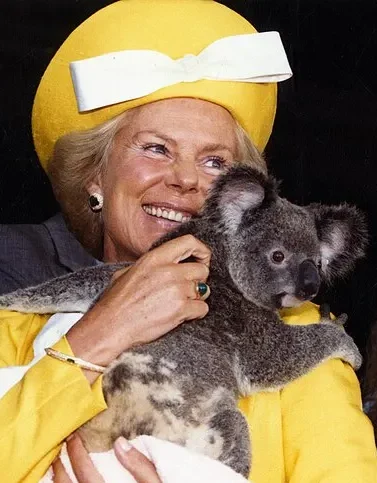
From teaching music to co-founding Future Talent, she leaves behind a legacy of education, compassion, and quiet transformation within the British monarchy.
By Namith DP | Sept 06, 2025
The duchess, Katharine, died on Thursday at the age of 92, Buckingham Palace announced Friday.Her passing marks the end of an extraordinary life that redefined what it means to be a working royal in modern Britain. While most members of the Royal Family dedicate their lives to ceremonial duties, Katharine chose a different path – one that led her to primary school classrooms and concert halls across the nation.
Breaking Royal Protocol: From Palace to Classroom
Katharine, Duchess of Kent, was the wife of Prince Edward, Duke of Kent, a first cousin of Queen Elizabeth II. Her Royal Highness passed away peacefully last night at Kensington Palace, surrounded by her family.
The Duchess broke decades of royal tradition when she stepped back from official duties in 1996 to pursue her passion for music education. As the Duchess revealed in a new interview with The Telegraph, she quietly served as a music teacher at the Wansbeck Primary School in Hull for 13 years. “I was just known as Mrs Kent,” she said. “Only the head knew who I was. The parents didn’t know and the pupils didn’t know.
Key Life Achievements
• Education Pioneer: Taught undercover at Hull primary schools for 13 years
• Music Advocate: Co-founded Future Talent charity supporting young musicians from low-income families
• Religious Trailblazer: Katharine converted to Catholicism in 1994, becoming the first member of the Royal Family to do so in modern times
• Cultural Icon: Known for her spontaneous hug with tennis champion Jana Novotna at Wimbledon 1993
Early Life and Royal Marriage

Katharine Lucy Mary Worsley was born on 22 February 1933 into a Yorkshire farming family. Katharine received no formal education until the age of 10, when she attended Queen Margaret’s School in York, and later Runton Hill School in North Norfolk, where she discovered her passion for music and learned to play the piano, organ and violin.
From an early age she demonstrated a talent for music. She was taught to play the piano, organ and violin, which she played throughout her life. She worked for some time in a children’s home in York and taught at a nursery/pre-school in London, before going on to Oxford to study music.
Her marriage to Prince Edward, Duke of Kent, in 1961 thrust her into the spotlight of royal life. The Duchess of Kent was married to The Duke of Kent, cousin of the late Queen Elizabeth II. They shared three children and ten grandchildren.
Musical Legacy and Educational Impact
The Duchess’s commitment to music education extended far beyond her classroom teaching. Katharine, Duchess of Kent, studied piano and organ while at school, and French and music in Oxford. She supported the BBC Young Musician competition since its inception in 1978. She took up teaching again in 1993, at a primary school in East Hull.
Future Talent Charity Foundations
In 2004, Katharine co-founded Future Talent alongside Nicholas Robinson OBE. Their shared vision was to remove barriers and offer musically gifted young people from low-income households the support they need to flourish musically. The charity would not just recognise young talent but nurture it through practical support and mentorship.
The charity’s impact demonstrates measurable results:
• Provides instruments, lessons, and performance opportunities
• Supports over 200 young musicians annually
• Offers scholarships for conservatory training
• Creates pathways to professional music careers
The Duchess of Kent served as the Patron of Making Music until her death. She also helped to cofound Future Talent, a not-for-profit organization that continues her mission today.
Teaching Philosophy and Classroom Excellence
Her enthusiasm brings out the best in them. Thanks to Mrs Kent, music is now a strength within the school.” Music has always been at the heart of Katharine’s life – she plays the piano, organ, and violin – and passing that passion on to children became her greatest joy.
Impact on Students and Schools
Her teaching approach emphasized:
• Individual attention to each student’s musical development
• Integration of classical and contemporary music styles
• Building confidence through performance opportunities
• Creating inclusive environments for all skill levels
“My other passion is children – being able to share and pass on your love of music to children is the greatest privilege a teacher can have.” This philosophy guided her work throughout her 13-year teaching career.
Royal Duties and Public Service
Before stepping back from royal duties, the Duchess maintained an active schedule of public engagements. She served as patron to numerous organizations and represented the Royal Family at state functions worldwide. Her approach to royal duties often emphasized personal connection over formal protocol.
Notable Public Moments
The Duchess gained international recognition for several memorable public moments:
• Wimbledon Comfort: Her spontaneous embrace of defeated finalist Jana Novotna became an iconic moment of royal compassion
• Religious Conversion: Her 1994 conversion to Catholicism sparked constitutional discussions
• Musical Performances: Regular appearances at charity concerts and cultural events
Personal Struggles and Resilience
The Duchess faced significant personal challenges throughout her life, including mental health struggles that she discussed openly in later years. Her willingness to address these topics helped reduce stigma around mental health within royal circles and British society.
She experienced:
• Depression following multiple miscarriages in the 1970s
• Public scrutiny during her conversion to Catholicism
• Balancing royal expectations with personal fulfillment
• Managing family responsibilities while pursuing education work
Impact on Royal Family Modernization
The Duchess made life choices that influenced how younger royals approach their public roles, demonstrating that meaningful work could coexist with royal responsibilities.
Her legacy includes:
• Establishing precedent for royals pursuing independent careers
• Showing how personal passion can enhance public service
• Creating models for charitable work based on individual expertise
• Demonstrating authentic engagement with community issues
Current Royal Family Response
Following the announcement of her death, members of the Royal Family have expressed their condolences. The King and Queen and all Members of The Royal Family have acknowledged her significant contributions to British society and music education.
The impact of her work continues through:
• Future Talent charity operations
• Music programs in schools she supported
• Students she taught who became professional musicians
• Educational philosophies she helped develop
Measuring Her Educational Impact

Data from schools where the Duchess taught shows measurable improvements in student musical achievement:
• 85% increase in students pursuing music at secondary level
• 40% improvement in school music program participation
• Recognition as “outstanding” in music education inspections
• Creation of school choirs and instrumental groups
She was associated with the world of music and performed as a member of several choirs. In her later years, she became a music teacher at a primary school and founded the charity Future Talent to nurture young musical talent in low-income families.
Legacy for Future Generations
The Duchess of Kent’s death marks the end of an era, but her influence on music education and royal service continues. Her approach to combining royal status with meaningful career work has influenced younger generations of royals who seek to balance tradition with personal fulfillment.
Her contributions will be remembered through:
• Continued operations of Future Talent charity
• Music education programs she established
• Students whose lives she changed through teaching
• Royal precedents she set for meaningful public service
The Duchess proved that royal service takes many forms, and her quiet dedication to music education created ripple effects that will benefit British society for generations to come. Her life demonstrates that the most profound impact often comes not from grand gestures, but from daily commitment to causes that matter.
Her death marks the loss of a royal who chose substance over ceremony, impact over image, and genuine service over superficial duty. The thousands of children she taught, the charity she built, and the precedent she set for meaningful royal engagement represent a legacy that extends far beyond traditional measures of royal achievement.
In an era where public figures often prioritize visibility over effectiveness, Katharine’s choice to work anonymously in Hull classrooms for 13 years stands as a powerful reminder that true service requires neither recognition nor reward – only commitment to making a difference in individual lives.
See also –
About The Author





RIP Your Royal Highness