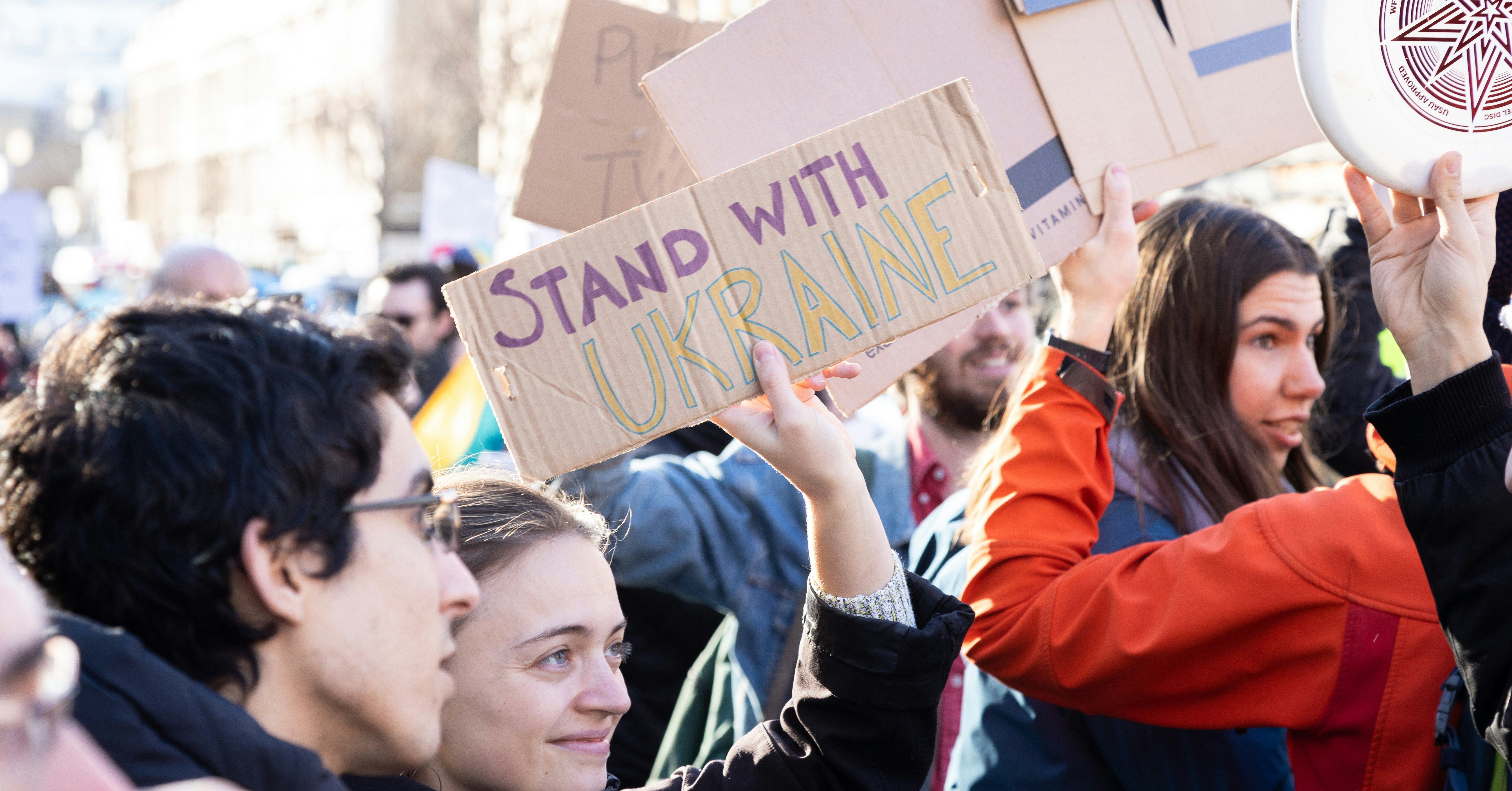
In the shadow of one of the most consequential conflicts in modern history, a new and controversial peace proposal has emerged, putting the spotlight on the fragile state of diplomacy and the enduring question of sovereignty. Former U.S. President Donald Trump has recently stepped forward with a peace plan aimed at ending the devastating war in Ukraine: a plan centered on the idea of “land swaps.”
However, this proposal has sparked intense debate and outright rejection from Ukrainian President Volodymyr Zelenskyy and European allies. At the heart of this controversy lie critical questions about legitimacy, the role of third-party mediators, and the future of a sovereign Ukraine.
The War in Ukraine: A Background
Since Russia’s full-scale invasion of Ukraine in February 2022, the war has rapidly evolved into a geopolitical crisis with far-reaching implications. The conflict has resulted in tens of thousands of deaths, displaced millions, and reshaped the global security landscape. Western nations, led by the United States and the European Union, have consistently supported Ukraine with military aid and economic sanctions against Russia, condemning Moscow’s actions as a blatant violation of international law.
For Ukraine, preserving its territorial integrity has been paramount. This conflict has turned into a defining moment for Ukrainian national identity and sovereignty, galvanizing its people and political leadership under President Zelenskyy. Yet, after years of brutal fighting and mounting humanitarian costs, the search for a peaceful resolution has become increasingly urgent.

The Emergence of Trump’s Peace Plan
In the summer of 2025, Donald Trump publicly announced his intention to broker a peace deal between Ukraine and Russia. The centerpiece of his plan? Territorial concessions or “land swaps”: a proposal to redraw borders to accommodate Russia’s claims in eastern Ukraine, in exchange for peace and withdrawal of Russian troops.
Trump’s plan, as outlined in various media statements, suggests that Ukraine cede parts of the Donbas region and Crimea, regions currently under Russian control or influence, to Russia. In return, Russia would ostensibly agree to respect the new borders and cease hostilities.
This proposal is not entirely new in the context of the conflict. The idea of land swaps has been floated by various international actors and commentators over the years as a pragmatic, if controversial, solution to end the fighting. However, what makes Trump’s intervention particularly notable is its timing, tone, and the fact that it appears to have been developed without meaningful consultation with the Ukrainian government.
The Sovereignty Question: Why Land Swaps Are Controversial
At the core of the backlash to Trump’s proposal is the issue of sovereignty: the fundamental principle that a nation has the right to govern itself without external interference.
Ukraine’s leadership, including President Zelenskyy, has categorically rejected any peace plan that requires territorial concessions. For Ukraine, ceding land to an aggressor undermines the very premise of sovereignty and self-determination. It risks legitimizing Russia’s invasion and occupation.
From a legal standpoint, the international community broadly recognizes Ukraine’s territorial integrity as it was before 2014, including Crimea and the eastern regions. Any forced land swaps would set a dangerous precedent, potentially encouraging other territorial disputes and undermining established norms in international relations.
European allies have echoed these concerns, emphasizing that peace cannot come at the expense of Ukraine’s sovereignty. The European Union and NATO have reaffirmed their support for Ukraine’s right to self-determination, urging that any negotiations include the Ukrainian government at the table.
The Legitimacy of Negotiations Without Ukraine
Another critical issue raised by Trump’s peace plan is the legitimacy of negotiations conducted without Ukraine’s active participation.
The principle of including all parties directly affected by a conflict in peace talks is foundational to successful conflict resolution. Yet, Trump’s approach has appeared unilateral, with limited engagement or consultation with Ukrainian officials.
By sidelining Ukraine, the plan risks undermining its legitimacy and acceptance. Without Ukrainian consent, any agreement reached between Russia and third parties could be seen as imposed and lacking a genuine foundation for lasting peace.
This approach also raises concerns about the role of external actors in conflict resolution. While mediators can play a constructive role, peace agreements that disregard the agency and sovereignty of the affected state often fail to endure.

Historical Precedents and Lessons
The controversy surrounding land swaps in Ukraine echoes historical precedents where territorial concessions were used as part of peace settlements, with mixed results.
The Munich Agreement of 1938, where European powers allowed Nazi Germany to annex parts of Czechoslovakia, is often cited as a cautionary tale about the dangers of appeasement and sacrificing sovereignty for the illusion of peace.
On the other hand, territorial adjustments have sometimes helped resolve conflicts, such as the peace treaties ending wars in the Balkans during the 1990s. However, those agreements were reached with the consent of the involved parties and under the oversight of international bodies like the United Nations.
The Ukrainian conflict, with its complex ethnic, historical, and geopolitical dimensions, is arguably too sensitive for simplistic solutions based on territorial swaps.
The Human Cost and Geopolitical Stakes
Beyond territorial maps and diplomatic maneuvers, the war in Ukraine has inflicted profound human suffering.
Millions of Ukrainians have been displaced, cities and infrastructure lie in ruins, and the psychological trauma for a generation of Ukrainians is immeasurable. Any peace plan must consider these realities, ensuring security, justice, and reconstruction.
Geopolitically, the conflict is a flashpoint in broader East-West relations. Russia’s ambitions to reassert influence over its near abroad clash with the West’s commitment to democratic sovereignty and international law.
A peace deal perceived as rewarding aggression risks emboldening authoritarian regimes elsewhere, weakening the global rules-based order.
What Next? The Path Forward for Peace
As the war grinds on, pressure mounts for a resolution. Trump’s peace plan has reignited debate but also underscored the difficulties in negotiating peace.
For a sustainable settlement, any plan must respect Ukraine’s sovereignty, include the Ukrainian government as a central party, and be backed by a coalition of international actors committed to enforcement and reconstruction.
Confidence-building measures, humanitarian corridors, and incremental steps toward de-escalation may pave the way for broader talks.
Ultimately, peace will require political will on all sides and an acknowledgment that lasting security cannot be imposed through unilateral deals or territorial concessions forced under duress.
Conclusion
Donald Trump’s peace plan for Ukraine, centered on territorial land swaps, has sparked a storm of controversy, illuminating the core issues at stake in one of the world’s most fraught conflicts. While the desire to end the war is universally shared, the means to achieve it are deeply contested.
The Ukrainian government and its allies maintain that peace cannot come at the price of sovereignty or legitimacy. As the conflict continues, the international community faces the challenge of fostering a peace process that is just, inclusive, and sustainable.
In the end, the story of Ukraine is not just about land or politics; it is a struggle for identity, freedom, and the future of the rules that govern international relations. Any peace plan that fails to acknowledge this risks being yet another chapter in a tragic history of conflict and broken promises.
References
Financial Times. (2025, August 10). Trump Proposes Land Swaps in Ukraine Peace Plan. Retrieved from https://www.ft.com/content/3f113d68-981b-42be-8801-9eb7971231f1
Reuters. (2025). Ukraine rejects peace proposals involving territorial concessions. Retrieved from https://www.reuters.com/world/europe/ukraine-rejects-peace-proposals-involving-territorial-concessions-2025-08-09/
BBC News. (2025). Why Ukraine’s sovereignty is central to the conflict. Retrieved from https://www.bbc.com/news/world-europe-ukraine-sovereignty-explained
Council on Foreign Relations. (2025). The Russia-Ukraine conflict: Implications and challenges. Retrieved from https://www.cfr.org/backgrounder/russia-ukraine-conflict-implications-challenges
European Council on Foreign Relations. (2025). European Union’s stance on Ukraine’s territorial integrity. Retrieved from https://ecfr.eu/article/eu-support-for-ukraine-territorial-integrity/
Olivia Santoro is a writer and communications creative focused on media, digital culture, and social impact, particularly where communication intersects with society. She’s passionate about exploring how technology, storytelling, and social platforms shape public perception and drive meaningful change. Olivia also writes on sustainability in fashion, emerging trends in entertainment, and stories that reflect Gen Z voices in today’s fast-changing world.
Connect with her here: https://www.linkedin.com/in/olivia-santoro-1b1b02255/
About The Author