
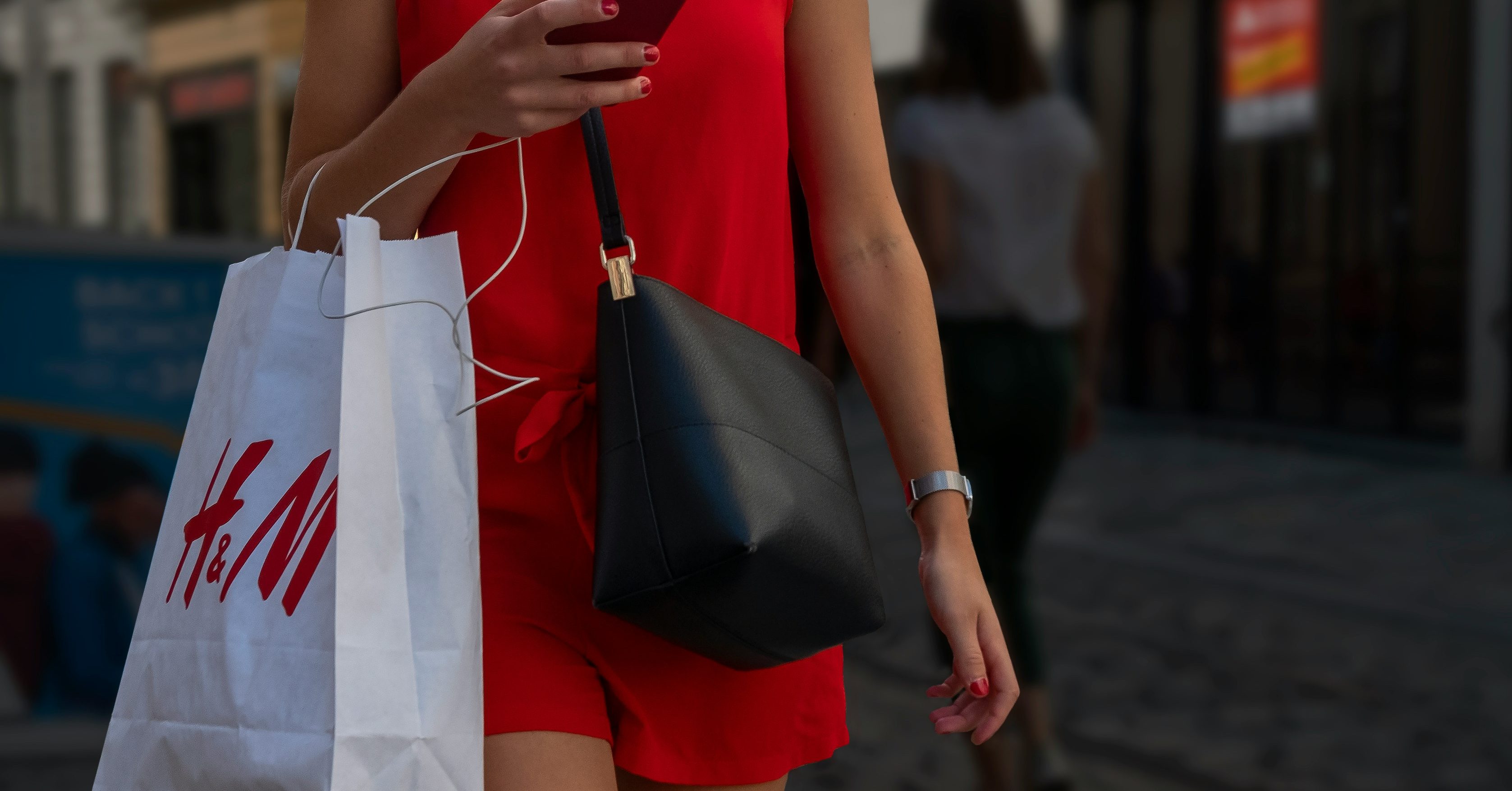
We’re living in the golden age of fast fashion, and the crisis of it, too.
Ultra-cheap clothes flood our feeds and closets, but their true cost has never been higher. From underpaid garment workers to overflowing landfills, the fashion industry’s breakneck pace has triggered global consequences. It’s easy to feel stuck between your values and your budget. After all, isn’t ethical fashion expensive?
Not anymore.
Slow fashion—once a niche, high-end concept- is becoming more accessible. A new wave of brands, resale platforms, and community-driven initiatives is demonstrating that sustainability and affordability can coexist.
Here are 20 affordable slow fashion alternatives to fast fashion, carefully chosen for their transparency, fair labor practices, lower environmental impact, and price-conscious offerings.
1. Pact
Price Range: $15–$80
Best For: Everyday basics, sleepwear, underwear
Pact makes organic cotton essentials for people who want to ditch toxins and support fair trade wages—without draining their bank accounts. Think comfy tees, soft underwear, and versatile dresses. Their sustainability promise? GOTS-certified cotton, carbon-neutral shipping, and ethical manufacturing.
2. For Days
Price Range: $18–$98
Best For: Closet staples and circular fashion lovers
This brand is built on a zero-waste model. They’ll send you a Take Back Bag to return your old clothes, any brand, for recycling. In return? You get site credit. Their clothes are easy, comfy, and made from organic or recycled materials.
3. ThredUp
Price Range: $5–$200
Best For: Secondhand treasures at a fraction of the cost
As one of the largest resale platforms, ThredUp offers everything from J.Crew blazers to vintage Levi’s: all at major discounts. Buying secondhand is one of the easiest ways to reduce your fashion footprint while saving money.
4. Girlfriend Collective
Price Range: $30–$98
Best For: Inclusive activewear
This beloved brand turns recycled water bottles into buttery-soft leggings, bras, and loungewear. Sizes range from XXS to 6XL, and they’re transparent about their fair labor conditions and eco-friendly practices.
5. tentree
Price Range: $20–$120
Best For: Nature-inspired hoodies and everyday wear
For every purchase, tentree plants ten trees. Their casual clothing uses organic cotton, hemp, and recycled polyester. Plus, their price point is friendlier than many outdoor brands with a similar vibe.
6. Yes Friends
Price Range: $15–$50
Best For: The best ethical basics under $30
Yes Friends was founded to prove that affordable, ethical fashion is possible. Their $25 tees are made from certified organic cotton by workers earning living wages. They disclose their entire supply chain and keep profit margins slim.
7. Etsy (Handmade + Vintage)
Price Range: Varies widely
Best For: Unique, one-of-a-kind sustainable pieces
Etsy supports thousands of small makers and vintage curators. Whether you’re looking for handmade linen tops or retro jackets, shopping on Etsy means supporting artisans and embracing circular fashion.

8. Kotn
Price Range: $35–$100
Best For: Minimalist basics with a mission
Kotn works directly with cotton farmers in Egypt, cutting out middlemen and investing in local education initiatives. Their pricing reflects transparency, not markups, and their products are built to last.
9. Colorful Standard
Price Range: $35–$90
Best For: High-quality, color-rich wardrobe basics
This brand offers sustainable sweats, tees, and outerwear in a rainbow of shades, all made in Portugal with organic cotton and a no-waste philosophy. Their unisex styles are timeless and durable.
10. Nuuly
Price: $98/month for 6 items
Best For: Trying trends without the waste
Owned by URBN (Anthropologie, Urban Outfitters), Nuuly lets you rent statement pieces and staples alike. If you love experimenting with style but hate commitment, this slow fashion subscription might be your answer.
11. Sotela
Price Range: $80–$200
Best For: Size-fluid fashion and capsule wardrobes
Sotela pieces are made-to-order in California using eco-friendly fabrics like Tencel and linen. Their styles are designed to flex with your body through size shifts, minimizing the need to buy more.
12. Trove (Patagonia, Levi’s, Eileen Fisher resale)
Price Range: $20–$150
Best For: Quality gear and clothing with a second life
Trove powers official resale platforms for iconic brands like Patagonia’s Worn Wear and Levi’s Secondhand. You’ll find gently used items at lower prices, backed by brand quality.
13. Boody
Price Range: $15–$75
Best For: Undergarments and basics made from bamboo
Boody makes sustainable bras, briefs, socks, and sleepwear from bamboo viscose. Their factory partners are WRAP-certified for fair labor, and prices are significantly lower than many eco-luxe underwear brands.
14. Christy Dawn (Revival Shop)
Price Range: $60–$120
Best For: Farm-to-closet romantic dresses
Christy Dawn’s Revival section features gently worn pieces at lower prices, helping extend the life of their already-regenerative garments made with organic and regenerative cotton.
15. ABLE
Price Range: $30–$150
Best For: Denim, leather bags, and wardrobe staples
ABLE leads the charge on radical transparency, publishing the wages of every worker. Their sale section offers deep discounts on pieces crafted to last. Each product is made by women overcoming poverty.
16. People Tree
Price Range: $30–$120
Best For: Feminine, fair trade fashion
A pioneer in ethical fashion, People Tree offers eco-friendly garments certified by GOTS and Fair Trade standards. Their timeless silhouettes make them a go-to for anyone building a slow fashion wardrobe.
17. Tradlands (Resale Section)
Price Range: $25–$100
Best For: Button-downs, jackets, and high-quality classics
Tradlands specializes in durable, workwear-inspired fashion made for women. Their resale shop, Worn Well Exchange, offers pre-loved items at up to 50% off the original price.
18. Unspun
Price Range: $65–$150
Best For: Custom-fit jeans with no waste
Unspun uses 3D technology to create jeans made specifically for your body—reducing returns and eliminating excess inventory. It’s denim that fits better and lasts longer.
19. Buy Nothing Groups
Price: Free
Best For: Local clothes sharing and gifting
Join a Buy Nothing group through Facebook or their app to find people in your area offering clothes for free. It’s hyperlocal, community-powered sustainability at its best.
20. Depop & Poshmark
Price Range: $10–$200
Best For: Trendy secondhand styles
These peer-to-peer resale platforms let you buy and sell fashion directly from others. It’s a win-win: reduce waste, support individual sellers, and score deals on everything from vintage denim to designer labels.
Why Slow Fashion Is Worth the Investment
Affordability isn’t just about price; it’s about value over time.
Fast fashion encourages overconsumption. But when you buy from slow fashion brands, you’re choosing durability, timeless design, and ethical practices that protect people and planet. Plus, with resale, rental, and community swap options, you don’t always need to buy new.
Here’s how to make slow fashion more budget-friendly:
- Buy less, choose well.
- Shop secondhand before new.
- Use what you have.
- Repair and care for your clothing.
- Swap with friends or join a Buy Nothing group.

The Future of Fashion Is Circular and Accessible
As more shoppers demand transparency and sustainability, brands are adapting. But consumers still play a vital role.
Every dollar you spend is a vote. By supporting these affordable slow fashion alternatives, you’re voting for fair wages, cleaner production, and a slower, more sustainable industry.
You don’t have to be perfect. But small, conscious choices, over time, can help reshape the entire fashion system.
And that’s a trend worth following.
References
- PACT – Organic cotton basics, Fair Trade factories
https://wearpact.com - For Days – Circular fashion brand with Take Back Bag program
https://www.fordays.com - ThredUp – Online secondhand marketplace
https://www.thredup.com - Girlfriend Collective – Recycled activewear with inclusive sizing
https://www.girlfriend.com - tentree – Eco-conscious clothing, 10 trees planted per item
https://www.tentree.com - Yes Friends – Ethical basics made with organic cotton
https://www.yesfriends.co.uk - Etsy – Marketplace for handmade and vintage clothing
https://www.etsy.com - Kotn – Direct-trade Egyptian cotton with social impact
https://www.kotn.com - Colorful Standard – Organic cotton basics, made in Portugal
https://www.colorfulstandard.com - Nuuly – Fashion rental subscription service
https://www.nuuly.com - Sotela – Size-inclusive, made-to-order sustainable clothing
https://www.sotela.co - Trove – Resale platforms for brands like Patagonia and Levi’s
https://www.trove.com - Boody – Bamboo basics and undergarments
https://www.boodywear.com - Christy Dawn – Regenerative cotton fashion & resale shop
https://www.christydawn.com - ABLE – Ethically made clothing with transparent wages
https://www.ableclothing.com - People Tree – Fair trade and GOTS-certified fashion
https://www.peopletree.co.uk - Tradlands – American-made staples and resale exchange
https://tradlands.com - Unspun – Custom-fit jeans using 3D body scans
https://www.unspun.io - Buy Nothing Project – Local gifting network
https://www.buynothingproject.org - Depop / Poshmark – Peer-to-peer resale platforms
https://www.depop.com
https://www.poshmark.com
Olivia Santoro is a writer and communications creative focused on media, digital culture, and social impact, particularly where communication intersects with society. She’s passionate about exploring how technology, storytelling, and social platforms shape public perception and drive meaningful change. Olivia also writes on sustainability in fashion, emerging trends in entertainment, and stories that reflect Gen Z voices in today’s fast-changing world.
Connect with her here: https://www.linkedin.com/in/olivia-santoro-1b1b02255/
About The Author


