
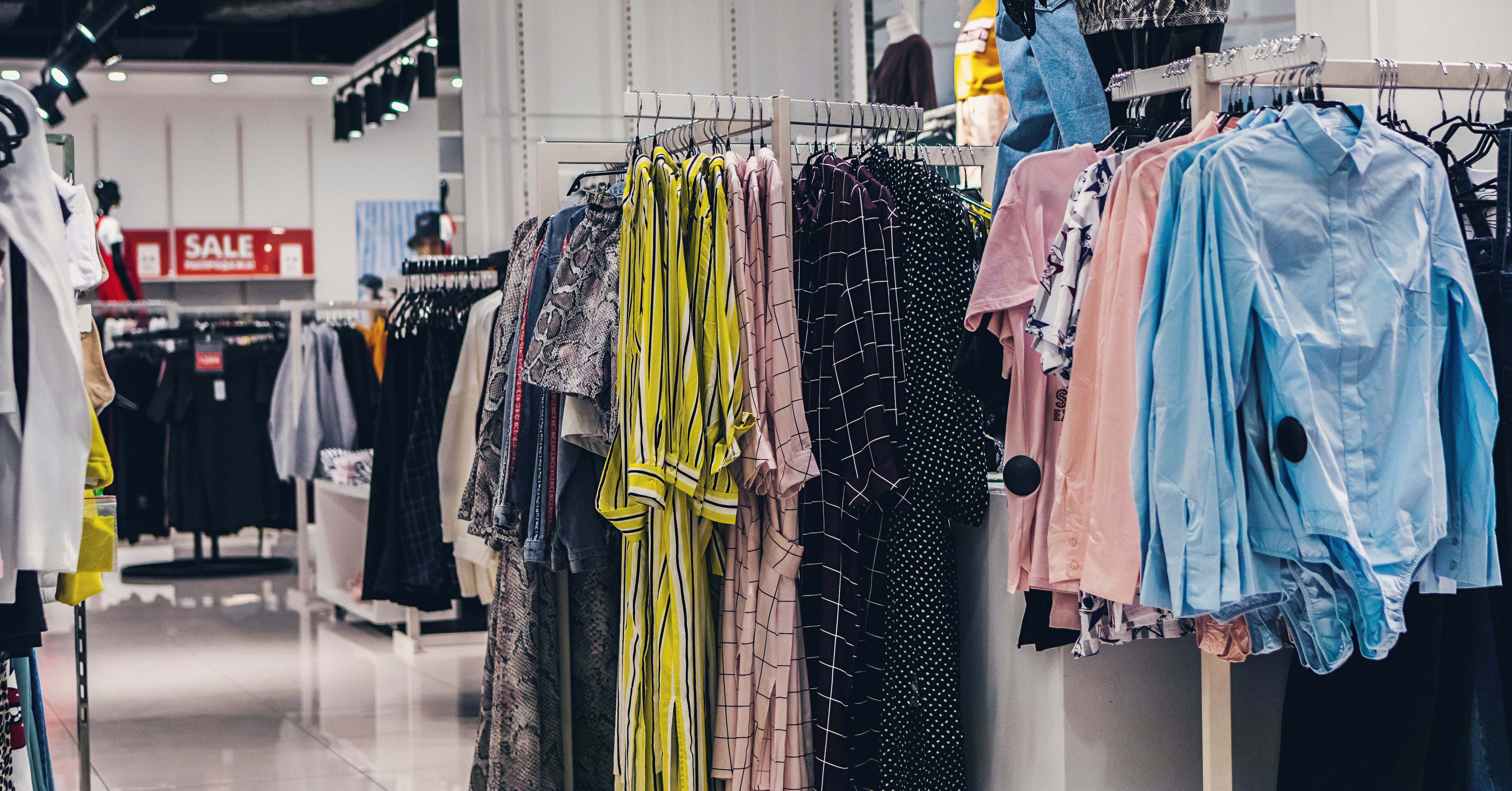
In a world overwhelmed by fast fashion and textile waste, “circular fashion” has emerged as a buzzword. But beyond trendiness, circularity in fashion proposes a radical shift in how we make, wear, and dispose of clothing: one that redefines value, waste, and responsibility. As climate concerns rise and consumers demand ethical alternatives, understanding what circular fashion means has never been more critical.
This article breaks down the concept of circular fashion, explains how it works in practice, explores its impact on people and planet, and profiles the brands leading the change.
What Is Circular Fashion?
Circular fashion is a design and production model rooted in the principles of the circular economy — an economic system aimed at eliminating waste and keeping resources in use for as long as possible. In fashion, this means designing clothing that can be reused, repaired, resold, remade, or fully recycled rather than discarded after use.
Unlike the traditional linear model of take-make-waste, the circular model operates in a loop. Clothing isn’t seen as disposable, but as something with ongoing value: able to circulate through many lives.
Ellen MacArthur Foundation’s Definition
The Ellen MacArthur Foundation, a global thought leader in circularity, defines circular fashion as “clothes, shoes, or accessories that are designed, sourced, produced, and provided to be used and circulate responsibly and effectively in society for as long as possible, and then return safely to the biosphere when no longer of human use.”
In simpler terms, circular fashion keeps clothes out of landfills.

Why It Matters Now
The fashion industry is one of the world’s most polluting sectors. Every second, the equivalent of one garbage truck of textiles is landfilled or burned. Less than 1% of all clothing is recycled into new garments. The majority of fashion products are designed for obsolescence.
Circular fashion challenges this reality.
It matters because:
- Textile waste is skyrocketing. Americans alone throw out over 11 million tons of clothing per year.
- Climate impact is severe. The fashion industry accounts for up to 10% of global carbon emissions.
- Resources are finite. Cotton, water, fossil fuels — the raw materials behind fashion are under increasing strain.
- Consumers are awakening. Gen Z and Millennials demand transparency, responsibility, and sustainability from brands.
Circular fashion isn’t just a sustainability tactic. It’s an urgent solution.
Key Principles of Circular Fashion
At its core, circular fashion involves rethinking every stage of the fashion lifecycle. Here’s how it works:
1. Design for Durability and Disassembly
Clothes must be built to last, both physically and stylistically. But beyond durability, they also need to be designed for disassembly, meaning fabrics and trims can be easily separated and recycled at the end of life.
For example, avoiding mixed fibers (like polyester-cotton blends) or removing metal rivets can make garments more recyclable.
2. Use Recycled or Renewable Materials
Circular brands prioritize recycled fibers (like rPET or regenerated cotton) and renewable materials (such as organic hemp, linen, or TENCEL™). Sourcing plays a critical role — what a garment is made of determines what it can become later.
3. Enable Repair and Reuse
A truly circular system makes it easy to repair, refurbish, or resell garments. This includes offering spare buttons, repair guides, or lifetime guarantees. It also means designing styles that can transcend trends and seasons.
4. Facilitate Take-Back and Recycling
Brands are increasingly launching take-back schemes that allow customers to return worn items for resale, upcycling, or fiber-to-fiber recycling. This ensures garments stay in circulation or return to raw material form.
5. Embrace Business Model Innovation
Circularity isn’t just about garments; it’s about how fashion is sold and owned. Models like clothing rental, resale, subscription, or repair-as-a-service are rising as alternatives to ownership-based retail.
The Linear Fashion Problem
To understand the need for circularity, consider the typical lifecycle of a fast fashion item:
- Made with virgin resources (like oil or water).
- Produced in a low-cost labor market under high carbon emissions.
- Purchased at a low cost, worn a few times.
- Thrown away — often within a year.
The problem? This system creates massive waste, exploits workers, and fuels climate breakdown.
Hidden Costs of Fast Fashion

- Water Waste: It takes 2,700 liters of water to make one cotton shirt — enough to sustain one person for two and a half years.
- Carbon Footprint: One pair of jeans emits around 33.4 kg of CO₂.
- Toxic Waste: Synthetic dyes often pollute local water systems in garment-producing countries.
Circular fashion tackles these issues from the root, not just offsetting harm, but redesigning systems to eliminate it.
What Circular Fashion Looks Like in Practice
Resale Platforms
Companies like The RealReal, ThredUp, Depop, and Vestiaire Collective have made secondhand fashion stylish and accessible. Buying used clothing extends its life by 2+ years, cutting emissions by 73% on average.
Rental Services
Platforms such as Rent the Runway or Nuuly offer clothing on a subscription basis, allowing users to access new styles without new production. For special occasions, rental beats one-time purchases.
Repair and Refurbishment
Brands like Patagonia (with Worn Wear) and Arc’teryx (with ReBird) are offering in-house repairs, gear trade-ins, and resale of refurbished items.
Take-Back Initiatives
- Eileen Fisher’s Renew program refurbishes and resells gently used clothing.
- H&M’s Garment Collecting Program accepts clothing from any brand to be recycled or reused.
- Levi’s SecondHand gives worn jeans a second life.
Fiber-to-Fiber Recycling
Innovators like Renewcell, Infinited Fiber, and Circ are developing technologies to turn old clothes into new fibers. Though early-stage, this field could revolutionize textile circularity.
Brands Leading the Circular Charge
Some fashion brands are building circularity into their DNA. Here are a few worth noting:
Eileen Fisher
A pioneer in sustainable fashion, Eileen Fisher’s circular model includes product take-back, upcycling through its “Waste No More” studio, and reselling used garments.
For Days
This basic brand offers 100% recyclable clothing and a “Take Back Bag” program that rewards customers for sending in old clothes.
Pangaia
With science-backed fabrics and recyclable packaging, Pangaia explores circular materials like bio-based fibers, seaweed fiber, and recycled cotton.
Outland Denim
Combining ethical production with long-lasting materials, Outland is building a fully traceable supply chain and actively pursues circular goals.
Raeburn
The UK-based brand utilizes surplus fabrics and military garments to create upcycled collections, embracing circularity by design.
Circular Fashion and Social Justice
Circularity isn’t just about environmental sustainability. It’s about people.
Linear fashion often exploits garment workers in the Global South, pays poverty wages, and exposes communities to environmental harm. A circular system, if designed inclusively, can create safer jobs, local economic loops, and cleaner ecosystems.
But this requires more than design tweaks. It demands:
- Fair wages across supply chains.
- Localized production to reduce transport emissions.
- Policy support for ethical labor standards and circular infrastructure.
Circular justice must be part of the conversation.
Barriers to Circular Fashion
Despite its promise, circular fashion faces real challenges:
- Infrastructure gaps. Most cities lack textile recycling facilities.
- Design limitations. Many clothes aren’t built to be recycled.
- Consumer behavior. Fast fashion habits are hard to break.
- Cost. Circular materials and processes can be more expensive.
- Lack of regulation. Few policies support circular practices.
Still, momentum is growing. The EU is introducing Extended Producer Responsibility (EPR) policies for fashion, and tech innovation is accelerating circular solutions.
Why Consumers Should Care
You don’t have to be an environmentalist to care about circular fashion. If you care about quality, transparency, or value, circularity delivers.
Here’s what you can do:
- Buy less, choose well. Invest in pieces you’ll wear for years.
- Support resale. Shop secondhand or resell your own clothing.
- Repair and care. Learn basic fixes to extend garment life.
- Ask questions. Challenge brands on their circular practices.
- Recycle responsibly. Use take-back programs instead of trash bins.
Every small shift in behavior supports a larger shift in the system.
The Future of Fashion Is Circular
Circular fashion isn’t a passing trend; it’s the future. As climate realities become impossible to ignore and the fashion industry faces mounting scrutiny, circularity offers a way forward that’s practical, profitable, and principled.
But its success depends on collaboration between designers, brands, policymakers, consumers, and recyclers. No one actor can build a circular system alone.
The linear model is broken. The loop is the solution.
References
Ellen MacArthur Foundation – A New Textiles Economy: Redesigning Fashion’s Future
https://ellenmacarthurfoundation.org/a-new-textiles-economy
Ellen MacArthur Foundation – What is Circular Economy?
https://ellenmacarthurfoundation.org/topics/circular-economy-introduction/overview
Global Fashion Agenda & Boston Consulting Group – Pulse of the Fashion Industry Report
https://globalfashionagenda.org/publications
McKinsey & Company – Fashion on Climate
https://www.mckinsey.com/industries/retail/our-insights/fashion-on-climate
Textile Exchange – Preferred Fiber & Materials Market Report 2023
https://textileexchange.org/reports
Fashion Revolution – Fashion Transparency Index 2024
https://www.fashionrevolution.org/about/transparency/
WRAP (UK) – Textiles 2030: Annual Progress Report
https://wrap.org.uk/resources/report/textiles-2030-annual-progress-report
United Nations Environment Programme (UNEP) – Putting the Brakes on Fast Fashion
https://www.unep.org/news-and-stories/story/putting-brakes-fast-fashion
EPA – U.S. Environmental Protection Agency – Facts and Figures About Materials, Waste and Recycling
Olivia Santoro is a writer and communications creative focused on media, digital culture, and social impact, particularly where communication intersects with society. She’s passionate about exploring how technology, storytelling, and social platforms shape public perception and drive meaningful change. Olivia also writes on sustainability in fashion, emerging trends in entertainment, and stories that reflect Gen Z voices in today’s fast-changing world.
Connect with her here: https://www.linkedin.com/in/olivia-santoro-1b1b02255/
About The Author


