
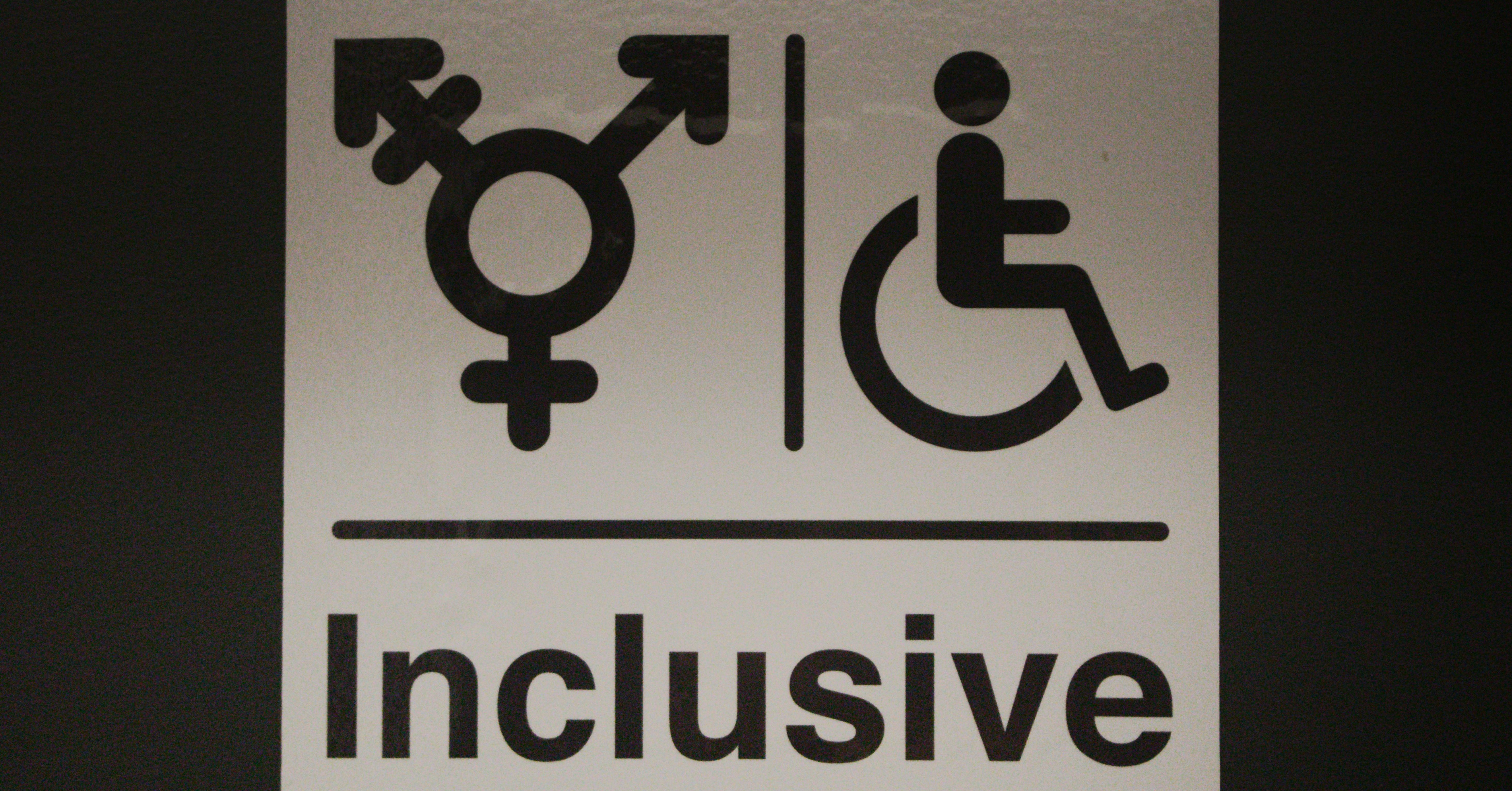
In today’s fashion landscape, gender expression is no longer confined to rigid binaries, and neither is sustainability. The intersection of these two powerful forces is redefining what it means to dress consciously, both in terms of identity and environmental impact. As more consumers reject fast fashion’s disposable ethos and the gendered labels that come with it, a new era of inclusive, sustainable style is emerging.
The link between gender expression and sustainable fashion is more than aesthetic. It’s philosophical. It challenges traditional systems, deconstructs harmful norms, and promotes circular values. Gender freedom and fashion sustainability are evolving hand-in-hand, and that’s reshaping the entire industry.
From Binaries to Fluidity: The Changing Face of Fashion
Fashion has long served as a medium for gender performance. For centuries, clothing reinforced strict roles: suits for men, dresses for women. But the 21st century is seeing those distinctions dissolve.
Thanks to the visibility of LGBTQ+ communities, Gen Z’s fluid values, and the influence of gender non-conforming artists like Janelle Monáe and Harry Styles, gender is being expressed through clothing more creatively than ever. This liberation also reflects a deeper critique of the systems that made fashion exclusive, wasteful, and harmful, including patriarchy and capitalism.
Unisex, Androgynous, and Gender-Free: What’s the Difference?
Understanding terminology is key in this space. Sustainable brands often use terms like unisex, androgynous, and gender-neutral, but they aren’t interchangeable.
- Unisex usually means designed to fit both men and women, often defaulting to masculine silhouettes.
- Androgynous leans into blending masculine and feminine styles in a single piece or look.
- Gender-free or gender-expansive goes a step further, rejecting binary sizing and embracing all bodies and identities.
Gender-expansive fashion is where much of the innovation in sustainable design is happening. Without needing to produce “menswear” and “womenswear” separately, brands can reduce overproduction, cut down on materials, and cater to wider audiences with fewer SKUs.

Why Gender-Inclusive Fashion Is More Sustainable
The link between gender inclusivity and sustainability lies in one word: versatility.
When a garment isn’t tied to one gender’s expectations, it gains longevity. A boxy button-down shirt can be worn by people of all genders. A wide-leg pant doesn’t need to be marketed as “men’s” or “women’s.” This flexibility means fewer items are needed to satisfy a wardrobe. It encourages slow fashion by default.
Additionally, many gender-expansive fashion consumers lean toward thrifting, upcycling, and DIY alterations — values central to sustainability. Why? Because dressing outside the binary often means working outside traditional retail options, which still cater to cisnormative bodies.
Leading Brands at the Intersection of Gender and Sustainability
Several trailblazing brands are proving that gender expression and sustainable practices can coexist and even enhance each other.
1. Official Rebrand (OR?!)
Founded by artist MI Leggett, Official Rebrand takes secondhand garments and transforms them into one-of-a-kind, gender-free pieces. Each creation is a statement against both fast fashion and gender norms.
2. TomboyX
Originally launched as gender-inclusive underwear, TomboyX has expanded into loungewear and activewear for all bodies. Their ethical manufacturing and inclusive sizing set a powerful example.
3. Origami Customs
This Montreal-based brand designs handmade lingerie and swimwear for trans, nonbinary, and gender-nonconforming individuals using eco-friendly fabrics and local labor.
4. Wildfang
With gender-defying silhouettes and a commitment to ethical sourcing, Wildfang merges style with substance — donating millions to reproductive justice and LGBTQ+ organizations.
5. Collina Strada
Though not exclusively gender-neutral, Collina Strada embraces radical transparency and a fluid aesthetic. Founder Hillary Taymour believes sustainability starts with personal expression, regardless of gender.
The Role of Thrift Culture and Secondhand Styling
One of the biggest drivers of gender-inclusive sustainability is the rise of secondhand fashion.
Apps like Depop, ThredUp, and Poshmark have made resale easier than ever, especially for young people exploring identity through fashion. Vintage stores, once divided by gendered sections, are increasingly embracing mixed racks and open sizing.
This not only reduces textile waste but also gives people the freedom to express themselves without conforming to traditional sizing or design.
For many trans and nonbinary people, secondhand fashion is survival. Mainstream fashion often excludes them. Thrifting allows for experimentation, personalization, and affordability, all while supporting circular fashion.

How Gender-Inclusive Sizing Reduces Waste
One of fast fashion’s greatest failures is overproduction tied to gendered stock. Separate lines for men and women mean double the forecasting, double the inventory, and often double the waste.
Gender-inclusive brands can design with universal fits: drop shoulders, elastic waistbands, stretch fabrics — reducing the risk of unsold stock. These garments often have adjustable or one-size-fits-many features, making them ideal for circular resale or rental platforms.
Case in point: Brands like The Phluid Project and One DNA offer all-gender designs that fit more people with fewer items, minimizing returns and extending product lifespans.
The Future: Queering the Sustainable Fashion Narrative
Fashion’s future is not just green. It’s queer, inclusive, and intersectional.
As the sustainable fashion movement evolves, it must move beyond just environmental concerns. Social justice, including gender equity, must be central. That means:
- Centering trans and nonbinary designers.
- Challenging body norms in sizing.
- Decentering whiteness and Western fashion ideals.
- Paying living wages to garment workers of all genders.
Organizations like Slow Factory and Remake are already leading this charge, pushing for systems change that includes marginalized voices in sustainability.
Barriers to Watch: Tokenism, Greenwashing, and Erasure
While the growth of gender-inclusive sustainable fashion is promising, it’s not immune to co-optation.
Some brands use buzzwords like “unisex” or “sustainable” without committing to real change — a double-layered form of greenwashing and queerbaiting. Others tokenize LGBTQ+ models during Pride Month but ignore their needs the rest of the year.
True progress means representation behind the scenes: hiring gender-diverse designers, partnering with queer-run supply chains, and listening to communities about what inclusive sustainability looks like.
Consumer Power: How You Can Support Gender-Expansive Sustainability
Whether you’re cisgender or trans, binary or fluid, everyone can support the future of gender-inclusive, sustainable fashion. Here’s how:
- Shop intentionally: Look for brands with transparent values, inclusive sizing, and gender-free options.
- Support LGBTQ+ creators: Follow and fund queer designers and stylists who are reshaping the fashion world.
- Thrift and swap: Normalize secondhand fashion as a form of creative self-expression and sustainability.
- Challenge norms: Advocate for gender-free policies in retail spaces and fashion media.
- Vote with your wallet: Invest in brands that align with both your ethical and identity values.
Conclusion: A Fashion Revolution Built on Freedom
The convergence of gender expression and sustainable fashion is more than a trend; it’s a cultural shift. It invites us to dress in ways that are honest, inclusive, and ecologically responsible. By rejecting fast fashion’s rigid binaries and harmful cycles, we open space for style that reflects who we really are, not just what we’ve been told to be.
In doing so, we stitch together a new narrative; one where sustainability is fluid, freedom is stylish, and fashion belongs to everyone.
References
Alok Vaid-Menon. (n.d.). Alok Vaid-Menon. Retrieved July 25, 2025, from https://www.alokvmenon.com
Collina Strada. (n.d.). Collina Strada. Retrieved July 25, 2025, from https://www.collinastrada.com
Depop. (n.d.). Depop. Retrieved July 25, 2025, from https://www.depop.com
Official Rebrand. (n.d.). Official Rebrand. Retrieved July 25, 2025, from https://www.officialrebrand.shop
One DNA. (n.d.). One DNA. Retrieved July 25, 2025, from https://www.onedna.earth
Origami Customs. (n.d.). Origami Customs. Retrieved July 25, 2025, from https://www.origamicustoms.com
Phluid Project. (n.d.). The Phluid Project. Retrieved July 25, 2025, from https://www.thephluidproject.com
Poshmark. (n.d.). Poshmark. Retrieved July 25, 2025, from https://www.poshmark.com
Remake. (n.d.). Remake. Retrieved July 25, 2025, from https://remake.world
Slow Factory. (n.d.). Slow Factory. Retrieved July 25, 2025, from https://www.slowfactory.earth
ThredUp. (n.d.). ThredUp. Retrieved July 25, 2025, from https://www.thredup.com
TomboyX. (n.d.). TomboyX. Retrieved July 25, 2025, from https://www.tomboyx.com
Wildfang. (n.d.). Wildfang. Retrieved July 25, 2025, from https://www.wildfang.com
Olivia Santoro is a writer and communications creative focused on media, digital culture, and social impact, particularly where communication intersects with society. She’s passionate about exploring how technology, storytelling, and social platforms shape public perception and drive meaningful change. Olivia also writes on sustainability in fashion, emerging trends in entertainment, and stories that reflect Gen Z voices in today’s fast-changing world.
Connect with her here: https://www.linkedin.com/in/olivia-santoro-1b1b02255/
About The Author


