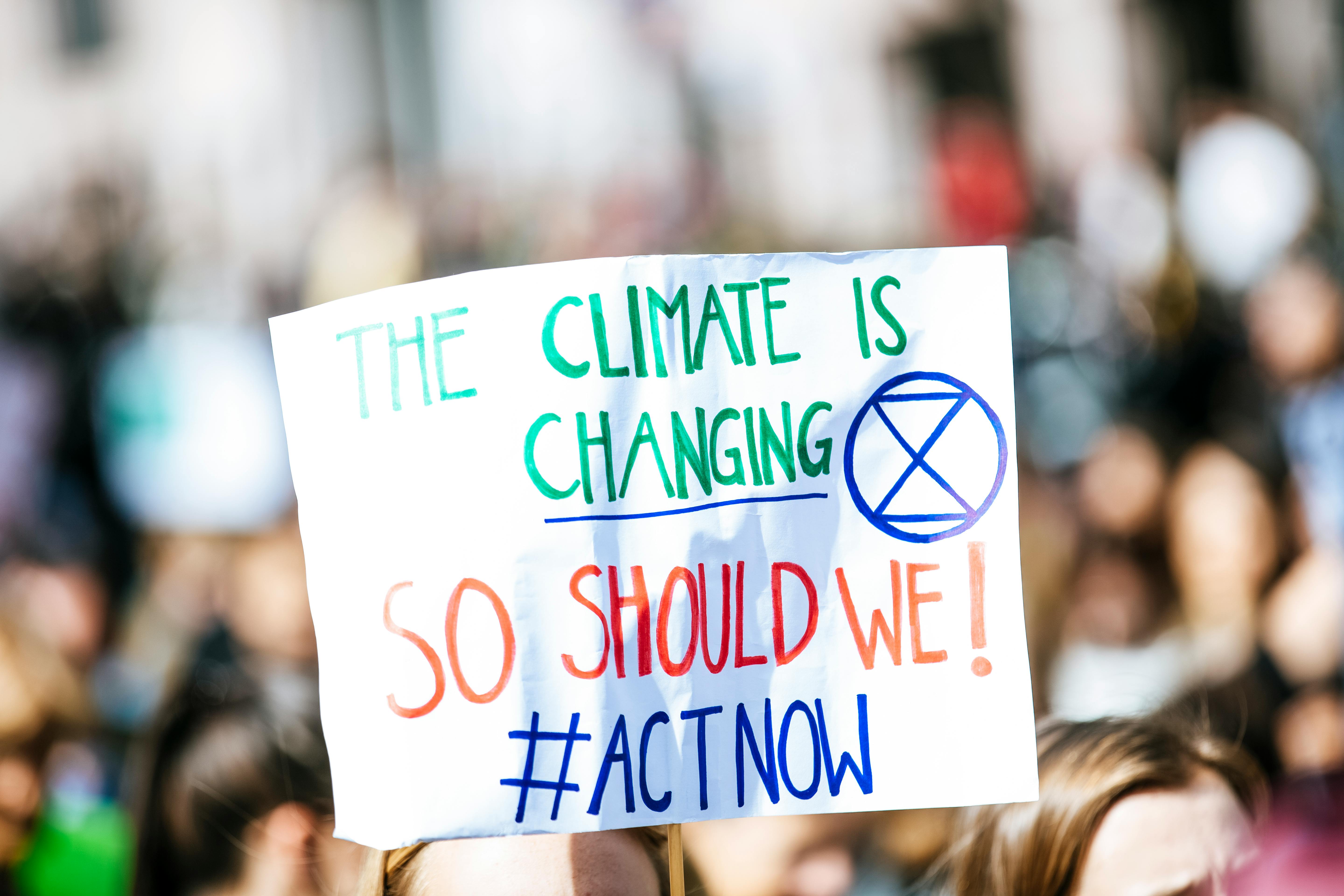
In 2025, climate policy now defines global geopolitics. Nations wield climate action as both moral and strategic instrument. Divergent decarbonization strategies shape trade alliances; choices over mineral access and renewable infrastructure alter regional influence; climate finance becomes leverage at COP‑30. Governments use clean‑tech subsidies not only to shift energy systems but also to reinforce diplomatic networks. At the same time, climate-related disruptions—extreme weather, coastal flooding, resource scarcity—reshape migration, alliance dynamics, and regulatory regimes. This article explores ten key dimensions of climate change geopolitics as witnessed in 2025, offering insight into how policy decisions today determine strategic advantage tomorrow. The analysis examines technology decoupling, sanctions and shadow chains, resource competition, infrastructure corridors, corporate alignment, migration politics, legal accountability, supply chain resilience, cyber-physical security, and climate diplomacy as pillars of modern geopolitical strategy.
1. Divergent National Climate Ambitions
Countries now use climate ambition to signal global alignment.
In 2025, some nations doubled down on aggressive decarbonization—introducing national carbon pricing, phasing out fossil fuels by mid‑2030s, and embedding net‑zero targets into economic planning. Others delayed transitions, prioritizing energy security or mineral access, citing industrial fragility. These divergent approaches fractured alliances: states pursuing net‑zero formed new “Climate Compact” frameworks, while others aligned around flexibility and industrial nationalism. Multilateral forums became contested arenas. Corporate planners face heightened uncertainty: different countries define compliance differently, and restrictions shift with administrations. Climate commitment—or its absence—became as politically consequential as military posture. Investment flows prefer climate-aligned partners; financial markets now treat climate policy as sovereign credit factor. Diplomatic alignment now hinges on climate signal coherence—effectively turning environmental policy into a soft power instrument.
2. Export Controls on Clean-Tech and Critical Inputs
Clean technologies and minerals now fall under geopolitically influenced export controls.
In 2025, several countries expanded restrictions targeting solar glass production, high-purity copper wires, wind turbine blades, and battery cathode materials. These restrictions act as diplomatic tools: countries with advanced clean-tech can influence industrial access. Firms face uncertainty, prompting restructuring of global manufacturing. Dual-track sourcing emerged: one chain servicing tightly aligned economies under stable licensing; another serving loosely aligned markets with locally sourced parts. Governments now require vetted “clean technology export clearances” for critical components. Companies facing repeated licensing delays—on the order of six to nine months—shifted planning timelines to compensate. Government strategy documents now list clean-tech exports as critical national leverage. Trusted-vendor procurement regimes stipulate origin-of-supply based on alignment, not just price. Thus, the geopolitics of export controls increasingly intersects with supply‑chain planning and industrial diplomacy.
3. Competition for Clean‑Energy Minerals
Access to critical minerals defines climate and geopolitical value.
In 2025, minerals like lithium, cobalt, nickel, and rare-earth metals determined whether nations could sustain renewable energy transitions or electric vehicle production. Countries financed mineral extraction abroad—especially in Africa and Latin America—through strategic resource pacts. Joint ventures emerged: solar manufacturers committed to off‑take and financing deals overseas in exchange for mineral rights. The Belt and Road Initiative extended into mining finance, while Quad countries created mineral access partnerships prioritizing processing stages. Domestic beneficiation laws ensured raw ore exports were minimal—a move framed as economic independence. Companies offering long-term mineral contracts tied to clean energy development gained political favor. Mineral access disputes occasionally spilled into diplomatic strains. Controlling the supply of battery-grade materials thus became a strategic variable, linking energy transitions to broader geopolitical influence in 2025.

4. Strategic Energy Corridors and Infrastructure Diversification
Energy policy and infrastructure choices now determine geopolitical positioning.
By 2025, hydrogen pipelines, LNG terminals, and ammonia corridors became national assets aligned with alliance blocs. Governments invested in port and pipeline projects that explicitly bypass geopolitical choke points—such as trans-Straight rerouting or island microgrids tied to resilience planning. Countries offered infrastructure diplomacy packages: port access integrated with renewable energy take-off agreements. Shipping insurers increased premiums on routes passing contested or climate-vulnerable zones. Companies recalibrated supply routes and staggered logistics corridors to avoid these zones under multiple-layer risk frameworks. Governments prioritized infrastructure that would serve domestic decarbonization while reinforcing geostrategic autonomy. This dual-use thinking blurred energy infrastructure with strategic deterrence design. Awards of port contracts or energy corridor rights became contingent on strategic alignment and climate commitment, reinforcing geopolitical negotiation dynamics through 2025.
5. Competing Infrastructure Corridors and Economic Blocs
Climate infrastructure disputes parallel broader geopolitical competition.
China continued expanding its high-speed rail, port, and mineral corridor network across Eurasia and Africa. In contrast, the Quad Supply Chain Resilience Initiative funded competing logistics hubs in Southeast Asian coastal states, East Africa, and South Asia. Projects included smart ports, rail-to-sea transshipment centers, and climate-resilient industrial parks. These corridors not only supported decarbonization but also defined trading blocs. Port concession agreements often came with political clauses—support for shipping through partner nations or maintenance of standards aligned with Western climate finance. China-funded ports meanwhile require long-term political alignment. Shared digital customs tools and traceability platforms also emerged, reinforcing a bifurcation in infrastructure ecosystems: one led by China’s Belt and Road, another by allied investments prioritizing transparency and climate alignment.
6. ESG and Corporate Policy as Geopolitical Strategy
Corporate ESG frameworks now reflect geopolitical alliances.
In 2025, governments redefine ESG standards in trade policy, effectively turning corporate sustainability compliance into strategic alignment screening. EU and U.S. policies penalized imports based on their carbon intensity, climate forensic tracing, or political governance records. Firms operating across multiple jurisdictions must comply with diverging ESG regimes simultaneously, which increases overhead and policy complexity. Matching ESG audits now require demonstrating supply origin and climate-related governance. Compliance with national carbon border taxes, climate-based import restrictions, and clean-tech licensing frameworks is now a strategic variable. Corporations embed public ESG policies as signals of alignment—for instance, pledging carbon neutrality within climate-aligned zones. Hence, ESG is no longer just investor signaling; it is a geopolitical alignment tool shaping market access and corporate governance trajectories.
7. Climate-Induced Migration, Stability, and Diplomacy
Climate policy is intertwined with migration and national stability.
In countries facing sea-level rise, desertification, or cyclone-driven displacement, climate migration became a geopolitical flashpoint by 2025. Some states adopted climate‑visa schemes to formalize resettlement. Others negotiated bilateral migration accords tied to ecosystem repair or green energy projects. Climate-related displacement influenced foreign policy priorities, including assistance through infrastructure deals in vulnerable states. Migration flows from climate-impacted nations became a bargaining variable, shaping visa regimes, development aid, trade links, and diplomatic leverage. International forums began integrating climate-related displacement into refugee law, creating geopolitical precedents. Countries already facing energy transition burdens saw tensions over domestic stability rise sharply. In short, climate migration became both a humanitarian issue and a tool of strategic consequence.
8. Climate Accountability, Litigation, and Legal Norms
Legal frameworks now enforce climate responsibility globally.
In 2025, international and regional courts affirmed states’ duty to prevent climate harm. Litigation surged from climate‑vulnerable countries seeking compensation or injunctive relief from major emitters. Cases filed in international tribunals and domestic courts framed climate inaction as violation of human rights and environmental law. These legal precedents reshape geopolitical alignment: countries perceived as failing to decarbonize risk isolation. Fossil fuel firms faced liability cases linking sovereign backing to climate damage. Governments responded by accelerating legislation around disclosure, climate liability, and climate-aligned infrastructure requirements. Climate justice movements empowered small‑state coalitions in diplomatic bargaining, especially for finance and technology transfers. Climate litigation now operates as geopolitical leverage, shaping institutional framing and forcing richer states to negotiate equity-based climate pacts.

9. Supply-Chain Resilience in Climate Disruption Scenarios
Climate events now routinely disrupt global logistics.
Extreme weather—cyclones, floods, wildfires—triggered cascading factory shutdowns, port closures, and cargo delays in 2024–2025. Governments mandated National Supply Chain Risk Audits to anticipate such disruption. Companies embraced “friend‑shoring” by shifting sourcing to allied jurisdictions with climate-resilient infrastructure. Wholesalers and manufacturers created back‑up countries for critical production lines. Logistics strategies included capacity buffers, strategic inventory, and manufacturing spindle networks to maintain continuity. Corporate risk education emphasized climate scenario analysis. Governments offered incentives for companies locating critical production in climate-stable zones, including tax rebates and strategic procurement contracts. Resilience planning now equates to geopolitical insurance, and failure to build adaptive networks became a vulnerability not merely to disruption—but to strategic coercion.
10. Cyber‑Physical Climate Security and Digital Sovereignty
Climate change has accelerated the global reliance on climate-data infrastructure and digital energy platforms.
From emissions tracking systems to grid balancing tools and biodiversity sensors, digital systems support climate monitoring. In 2025, climate-related digital infrastructure faced increased cyber threats—from state-led espionage to ransomware groups targeting port control systems. Nations mandated zero-trust policies for climate networks and required secure hosting of carbon data. Companies shifted key analytics into air‑gapped or domestic cloud environments to maintain data sovereignty. Climate data became export-controlled: access to carbon accounting tools or satellite climate feeds now requires alignment vetting. Regional climate observatories established to pool anonymized climate intelligence under transparent governance. Logistic nodes and digital customs platforms now track climate-sensitive goods. Cyber‑physical resilience has thus become core to climate policy, with digital sovereignty integrated into supply-chain geopolitics.
Conclusion
By 2025, climate change policy sits at the intersection of foreign policy, economic strategy, security design, and legal architecture. Policymakers no longer treat climate initiatives as domestic choices—they reflect global alignment, values, resource control, and strategic partnerships. From export restrictions on clean technology to litigation over emissions, climate policy is a defining marker of geopolitical identity. Nations that coordinate climate ambition with legal predictability, alliance trust, and resource diversification gain long-term leverage. Corporations must navigate multi-stream ESG regimes while building parallel supply paths aligned with trusted blocs. Countries resisting strategic climate alignment risk isolation, regulatory penalty, and disrupted trade access. Supply chain geopolitics driven by climate policy demands integrated approaches across diplomacy, legal standards, infrastructure, and corporate strategy. Those who internalize this multipolar dimension will not just survive—they will shape the emerging global order.
Sources
About The Author