
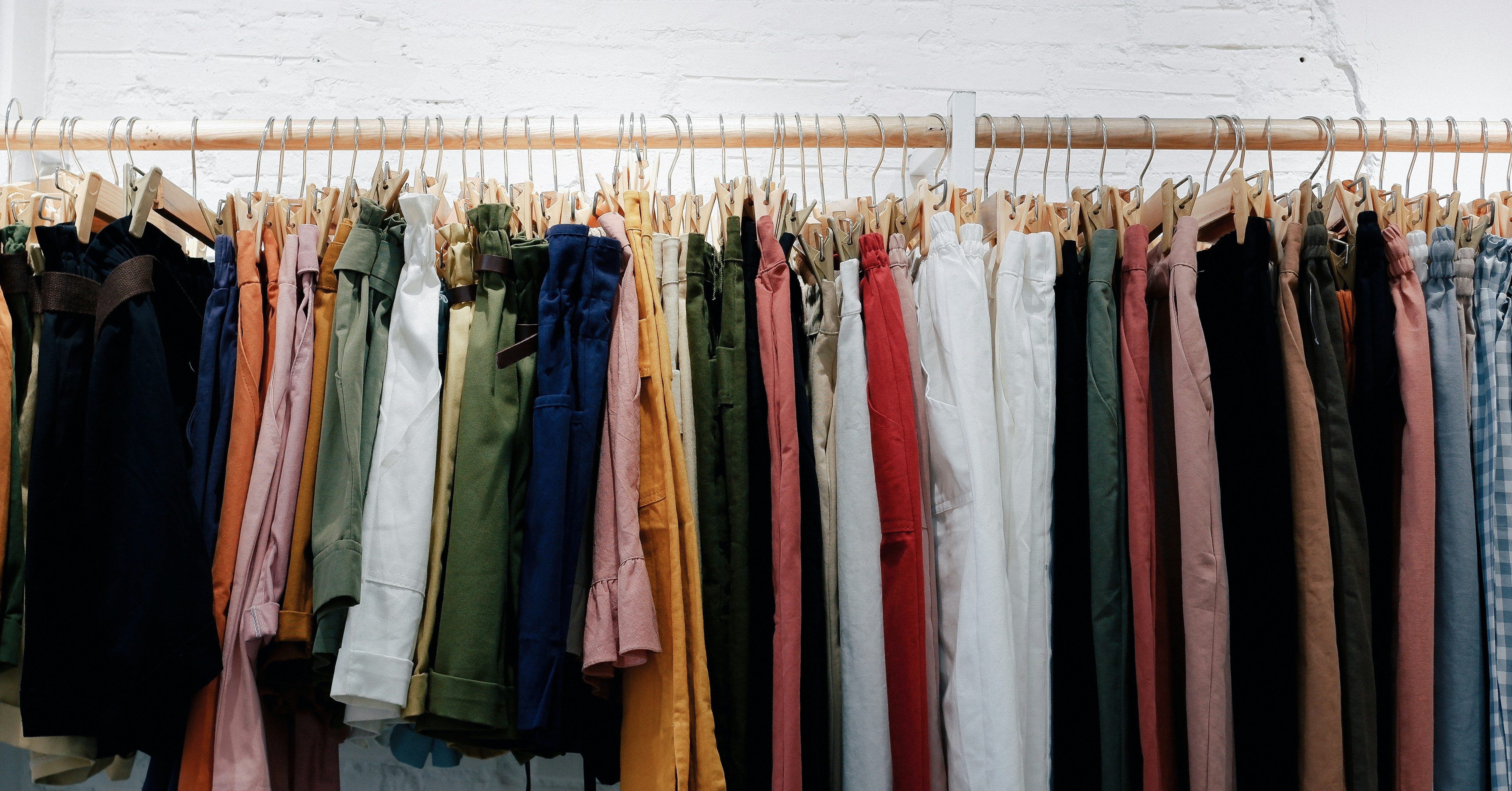
Fashion, once a vehicle of self-expression and luxury, has become entangled with a darker narrative: environmental destruction, labor exploitation, and unchecked overproduction. The industry is responsible for up to 10% of global carbon emissions, consumes 93 billion cubic meters of water annually, and produces 92 million tons of textile waste each year. With mounting pressure from consumers, regulators, and activists, it’s no longer acceptable for brands to sideline sustainability as a marketing add-on. It must be core to their business.
Sustainability is not a trend; it’s a business imperative. In an age of climate crisis, transparent supply chains, and hyper-informed consumers, every fashion brand, from high-end luxury houses to fast fashion empires, must adopt a comprehensive sustainability strategy. This article explores why sustainability is crucial for survival, what it looks like in practice, and how brands can genuinely integrate it into their operations.
The Cost of Inaction: Why Sustainability Can’t Wait
Environmental Fallout
The fashion industry is a major contributor to environmental degradation. Conventional cotton production, for example, uses pesticides that harm ecosystems. Synthetic fibers like polyester are petroleum-based and non-biodegradable, often releasing microplastics into waterways through everyday washing.
Water usage is another key issue. It takes 2,700 liters of water to make a single cotton shirt, enough for one person to drink for 2.5 years. Meanwhile, dyes and chemicals from textile factories are polluting rivers, especially in manufacturing hubs like Bangladesh and India.
The climate cost is equally staggering. If fashion consumption continues on its current trajectory, it could account for 26% of global carbon emissions by 2050.
Social Injustice
Sustainability is not just environmental; it’s social. Millions of garment workers are underpaid, overworked, and exposed to dangerous working conditions. The 2013 Rana Plaza collapse in Dhaka, Bangladesh, which killed over 1,100 people, was a brutal wake-up call.
Brands that fail to protect their workers’ rights not only risk reputational damage, but they also contribute to systemic inequality. A true sustainability strategy must address fair wages, worker safety, and ethical sourcing.
Legal and Financial Risk
Legislation is catching up. The European Union’s Corporate Sustainability Due Diligence Directive (CSDDD), California’s SB 62 Garment Worker Protection Act, and France’s Anti-Waste Law all mandate greater accountability. Soon, sustainability won’t be optional—it will be a legal requirement.
Moreover, investors are increasingly factoring ESG (Environmental, Social, and Governance) metrics into their decisions. Brands without a sustainability strategy risk losing out on funding and partnerships.
Changing Consumer Expectations
Today’s consumers—particularly Gen Z and Millennials—are choosing brands that align with their values. According to McKinsey, 67% of consumers consider the use of sustainable materials to be an important factor in purchasing decisions. And 90% of Gen Z consumers believe companies must act to address environmental and social issues.
Sustainability now influences loyalty. Brands that lack transparency or engage in greenwashing face swift backlash. On TikTok, fast fashion hauls are being replaced by thrift flips, upcycling tutorials, and callouts of unethical brands.
What Does a Fashion Sustainability Strategy Include?

A sustainability strategy must be comprehensive, credible, and accountable. Here’s what that typically includes:
1. Sustainable Materials
Using eco-friendly fabrics like organic cotton, TENCEL™, recycled polyester, hemp, and deadstock materials helps reduce environmental impact. But it’s not enough to merely label them as “sustainable”—brands must prove these claims through certifications (like GOTS, OEKO-TEX, or Bluesign).
2. Transparent Supply Chains
Consumers and watchdogs want to know: Who made my clothes? Traceability tools ike blockchain, QR tags, or transparency platforms (e.g., Open Supply Hub)—help brands showcase their sourcing practices and build trust.
3. Ethical Labor Practices
This involves ensuring fair wages, safe conditions, and workers’ rights at every tier of production, including subcontracted facilities. Third-party audits, worker unions, and living wage commitments are key elements.
4. Circular Design and End-of-Life Planning
Designing products for longevity, repairability, and recyclability minimizes waste. Brands like Eileen Fisher, Patagonia, and The North Face have introduced take-back and resale programs to keep clothes out of landfills.
5. Carbon and Water Footprint Reduction
Measuring, reducing, and offsetting environmental footprints are central. Some brands aim for carbon neutrality, while others, like Allbirds, label their carbon emissions per product, similar to a nutrition label.
6. Packaging and Shipping
Sustainable packaging (biodegradable, recyclable, or reusable materials) and carbon-conscious logistics can significantly reduce a brand’s environmental impact.
7. Marketing with Integrity
Transparency in sustainability communication is vital. Avoid greenwashing: misleading claims that make products seem more sustainable than they are. Use clear language, back up statements with data, and highlight areas where there’s room to grow.
Brands Leading the Way
Some companies are redefining what it means to be a sustainable fashion brand:
- Stella McCartney has embedded sustainability into its DNA, pioneering innovations like mushroom leather and refusing to use animal products.
- PANGAIA blends scientific innovation with fashion, using bio-based dyes, seaweed fibers, and recycled materials.
- Reformation offers a sustainability report for each garment and has a transparent supply chain.
- TOMS has evolved from its one-for-one model into a certified B Corp with a focus on community impact and sustainability metrics.
Even fast fashion brands like H&M and Zara are experimenting with circularity initiatives, but critics warn that their business models, reliant on overproduction, fundamentally contradict sustainability.
How to Build a Sustainability Strategy from Scratch
For fashion brands that are just starting their sustainability journey, here are the key steps:
1. Conduct a Materiality Assessment
Identify which sustainability issues matter most to your brand and stakeholders. This assessment helps prioritize action and communicates transparency.
2. Set SMART Goals
Create Specific, Measurable, Achievable, Relevant, and Time-bound goals. For example: “Reduce water use by 30% by 2030” or “Ensure 100% of cotton is organic by 2026.”
3. Engage the Supply Chain
Work with suppliers to understand their challenges and offer support in transitioning to sustainable practices. Building long-term relationships rather than squeezing costs is crucial.
4. Educate Internal Teams
Sustainability should not sit in a silo, it must be embedded across departments: design, marketing, logistics, finance, and HR. Training staff in sustainable decision-making empowers smarter choices.
5. Communicate Honestly
Consumers don’t expect perfection—they expect honesty. If your brand is early in its journey, say so. Share what steps you’re taking and what challenges you face.
Why Greenwashing Is Riskier Than Ever

With rising awareness comes rising scrutiny. Greenwashing—exaggerating or faking sustainability claims—can backfire dramatically. In 2022, the Norwegian Consumer Authority warned H&M for vague claims about their “Conscious” collection. Similarly, ASOS and Zalando have come under investigation by EU watchdogs.
To avoid this, brands should:
- Use third-party certifications
- Back up claims with data
- Avoid vague buzzwords like “eco-friendly”
- Clearly define what makes a product sustainable
Authenticity is the most valuable currency in today’s conscious fashion marketplace.
Fashion’s Future Is Regenerative
The sustainability conversation is evolving, from doing “less harm” to doing more good. The next frontier is regenerative fashion: systems that restore rather than deplete.
This includes sourcing from regenerative farms, investing in closed-loop production systems, and designing clothes that naturally decompose or feed into a circular economy. Brands like Christy Dawn and Fibershed are pioneers in this space.
Fashion must shift from linear “take-make-waste” models to circular and regenerative ecosystems. It’s not just about saving the planet; it’s about building a viable future for fashion itself.
Conclusion: The Time Is Now
The fashion industry stands at a crossroads. Inaction is no longer neutral; it’s harmful. Brands that fail to adapt to the realities of climate change, social inequality, and shifting consumer expectations will be left behind.
A sustainability strategy isn’t just good ethics; it’s smart business. It attracts conscious consumers, aligns with future regulations, strengthens supply chain resilience, and fosters brand longevity. Whether you’re a legacy house or a start-up label, the message is clear: sustainability is no longer a choice. It’s a necessity.
References
Ellen MacArthur Foundation. (2017). A New Textiles Economy: Redesigning Fashion’s Future. https://ellenmacarthurfoundation.org/a-new-textiles-economy
McKinsey & Company. (2021). The State of Fashion 2021. https://www.mckinsey.com/industries/retail/our-insights/state-of-fashion
United Nations Environment Programme. (2019). Putting the Brakes on Fast Fashion. https://www.unep.org/news-and-stories/story/putting-brakes-fast-fashion
Fashion Revolution. Fashion Transparency Index 2024. https://www.fashionrevolution.org/about/transparency
European Commission. (2023). Corporate Sustainability Due Diligence Proposal. https://ec.europa.eu/info/business-economy-euro/company-reporting-and-auditing/company-reporting/corporate-sustainability-due-diligence_en
Good On You. (2024). The Truth About Greenwashing in Fashion. https://goodonyou.eco/greenwashing-in-fashion
Business of Fashion. (2023). Why Regenerative Fashion Is the Industry’s Next Big Bet. https://www.businessoffashion.com/articles/sustainability/regenerative-fashion
Global Fashion Agenda & Boston Consulting Group. (2018). Pulse of the Fashion Industry Report. https://globalfashionagenda.org/resources/pulse-of-the-fashion-industry
Olivia Santoro is a writer and communications creative focused on media, digital culture, and social impact, particularly where communication intersects with society. She’s passionate about exploring how technology, storytelling, and social platforms shape public perception and drive meaningful change. Olivia also writes on sustainability in fashion, emerging trends in entertainment, and stories that reflect Gen Z voices in today’s fast-changing world.
Connect with her here: https://www.linkedin.com/in/olivia-santoro-1b1b02255/
About The Author


