
Narrative Fragmentation Encourages Collaboration
One of the most defining features of transmedia storytelling is the intentional fragmentation of the narrative—dispersing vital story elements across diverse platforms rather than consolidating them in one place. But this fragmentation isn’t a flaw; it’s a design choice that invites fans to piece together a larger, more intricate universe.
Unlike traditional stories where everything unfolds within a single medium, transmedia narratives strategically place different layers of the story across films, TV series, games, novels, web platforms, and even social media campaigns. No single source holds all the answers, compelling audiences to seek, share, and collectively solve the narrative puzzle.
This mechanic activates deep audience engagement, transforming fans from passive consumers to active collaborators. It naturally drives community formation, as people rely on each other to access, interpret, and theorize about different narrative fragments.
Example:
A prime illustration comes from the Cloverfield franchise, which elevated transmedia storytelling with its Alternate Reality Game (ARG) campaigns. Instead of traditional marketing, the creators embedded clues throughout real-world websites, fake corporate pages, hidden audio files, and cryptic online content. Fans worldwide had to collaborate—sharing discoveries, decoding clues, and theorizing in online forums—to unlock the deeper backstory and context behind the films.
This scavenger hunt-like structure creates shared purpose within fandoms. It strengthens the feeling of being part of something exclusive, where solving the mystery requires collective brainpower. Communities emerge organically around decoding, speculating, and piecing together fragmented narratives, often forming bonds that outlast the story itself.
Expanding Entry Points for Diverse Audiences
One of the most inclusive strengths of transmedia storytelling lies in its ability to offer multiple entry points into a fictional universe. Traditional storytelling often assumes a singular consumption path—watch the film, read the book, finish the series. But not every fan engages with stories the same way. Transmedia storytelling recognizes that audiences have diverse preferences, habits, and levels of commitment.
By distributing story components across different platforms—films, games, comics, podcasts, novels, and social media—it invites participation from a broader spectrum of individuals. Some fans may love deep-dive lore through companion novels, others might prefer visual storytelling via films, while another group may only engage through interactive games or bite-sized social content.
This inclusivity ensures that the fan base isn’t restricted to a specific demographic or media preference. It creates overlapping layers of engagement, each tailored to meet audiences where they feel most comfortable.
Example:
The Harry Potter franchise is a masterclass in this model. While the original novels and films serve as primary narratives, the Wizarding World expanded through stage plays like The Cursed Child, mobile games like Hogwarts Mystery, theme parks, merchandise, and fan-generated content across platforms like TikTok. Each format provides a different access point, welcoming fans whether they prefer immersive experiences, visual storytelling, gaming, or community interaction.
For fan communities, this diversity fosters sub-groups with unique interests while keeping everyone connected to the overarching universe. It reduces barriers to entry, allowing the fandom to grow across generations, regions, and platforms.
User-Generated Content Strengthens Ownership
Perhaps the most powerful hallmark of a thriving fan community is the volume and creativity of user-generated content (UGC) it produces. Transmedia storytelling doesn’t just deliver content; it invites reinterpretation, contribution, and co-creation. In doing so, it cultivates a sense of ownership among fans, transforming them from mere spectators to active participants in the story’s evolution.
Fan fiction, fan art, memes, cosplay, music remixes, video essays, and theory videos are more than just hobbies—they’re acts of cultural expression that strengthen the emotional bond between individuals and the story world. These contributions foster micro-communities, inside jokes, and shared traditions that reinforce the identity of the fandom.
Transmedia storytelling inherently encourages this behavior by providing rich, layered worlds with gaps to fill, side stories to explore, or characters whose backgrounds beg for expansion. Fans, driven by passion, often step into these narrative gaps, building content that resonates with others in the community.
Example:
The Supernatural fandom provides one of the most prolific examples of UGC fueling community growth. With its extensive run of over 15 seasons, the show inspired countless fanfictions hosted on platforms like Archive of Our Own (AO3), fan conventions dedicated to specific ships (romantic pairings), and viral content across Tumblr, TikTok, and Reddit. The series itself became self-aware of this phenomenon, referencing fan creations and fan theories within its episodes, blurring the line between creator and consumer.
Such participatory culture deepens the sense of belonging within fan communities. The act of creating, sharing, and remixing builds communal pride and reinforces emotional investment, ensuring that the story doesn’t just live through official channels but thrives through the creativity of its audience.
Real-Time Engagement Through Social Media

Social media has transformed the relationship between stories and audiences, especially within transmedia storytelling. While narratives unfold across different formats, platforms like Twitter, TikTok, Instagram, YouTube, and Reddit allow fans to engage with those narratives in real-time, creating an immediate feedback loop between content, creators, and community.
This instant interaction has reshaped fandom culture. Instead of passively waiting for content to be released and quietly consuming it, fans now experience stories collectively, reacting, debating, and theorizing as events happen. Social media threads, reaction videos, live chats, and trending hashtags generate a global “watch party” atmosphere, even for those experiencing the story asynchronously.
For transmedia storytelling, this is crucial. Since the narrative spreads across different platforms and formats, social media becomes the central gathering space—the digital town square—where fragmented story pieces get discussed, debated, and connected.
Example:
When WandaVision premiered on Disney+, it wasn’t just the episodes that captivated audiences—the internet exploded with real-time fan theories, Easter egg breakdowns, memes, and speculation after every episode. TikTok users shared their reactions and elaborate analyses, Reddit threads compiled clues from previous Marvel films, and Twitter debates trended globally, often within minutes of an episode’s release.
This dynamic turns storytelling into an interactive, communal experience. Fans aren’t isolated—they’re part of a vast, living conversation, amplifying the story’s emotional peaks and creating viral cultural moments that extend far beyond the original narrative.
Events and Live Experiences Cement Community Bonds
While digital interactions create immediate connections, real-world experiences are essential for deepening fan relationships. Transmedia storytelling naturally extends beyond screens into physical spaces through live events, conventions, pop-up experiences, escape rooms, exhibitions, and fan festivals. These real-life gatherings offer fans the chance to meet face-to-face, solidifying bonds forged online and deepening their connection to the story world.
Such events are more than marketing tools—they’re cultural rituals where fans collectively celebrate their shared universe. Cosplay competitions, panel discussions with creators, merchandise showcases, fan performances, and interactive installations transform passive fandom into active participation.
These experiences also serve as milestones within the community, marking anniversaries, major narrative releases, or special celebrations that reinforce group identity and belonging.
Example:
The Harry Potter fandom has transcended literature and film through experiences like the Wizarding World theme parks, interactive studio tours in London, and live performances of The Cursed Child. Additionally, fan-organized conventions like LeakyCon provide spaces where Potterheads gather, bond over trivia, share fan creations, and immerse themselves in the magical universe together.
By stepping into these real-world spaces, fans feel seen, validated, and connected to a global network of people who share their passions. These events crystallize online fandom into lasting, real-world friendships and solidify the fan community’s longevity.
Layered Storytelling Appeals to Different Fan Levels
A remarkable feature of transmedia storytelling is its layered narrative structure, designed to engage fans across different levels of commitment and expertise. Not every fan interacts with a story in the same way—some prefer surface-level entertainment, while others crave intricate lore, hidden connections, and deep symbolic meanings. Transmedia worlds accommodate both.
At the foundational level, casual audiences can enjoy a straightforward narrative through a single medium, such as a film or a television series. But for those who wish to dig deeper, companion novels, comic series, games, or web content provide additional layers of meaning, backstories, and unresolved mysteries. This tiered structure ensures that newcomers aren’t alienated, while hardcore fans are continuously rewarded for their curiosity and dedication.
This layered approach naturally segments the fan community into subgroups, each bonded by their level of engagement, while remaining interconnected within the broader fandom ecosystem.
Example:
The Matrix franchise offers a clear demonstration of layered transmedia storytelling. The original films deliver an engaging sci-fi action narrative accessible to general audiences. However, fans seeking more profound understanding of the universe can explore:
- The Animatrix, an animated anthology revealing hidden history
- Video games like Enter the Matrix, filling narrative gaps between films
- Philosophical references and Easter eggs embedded throughout the series
This structure cultivates both casual and hardcore fan communities simultaneously. Those willing to engage beyond the surface become gatekeepers of knowledge, driving theory discussions and enriching fan conversations.
The Illusion of Infinite Worlds

One of the most powerful psychological hooks of transmedia storytelling is the creation of vast, seemingly infinite story worlds. These universes feel boundless—teeming with unexplored histories, hidden characters, unresolved mysteries, and distant locations that extend far beyond the immediate plot. Even when much of the world-building remains unseen, the mere suggestion of untapped narratives ignites fan curiosity and speculation.
This illusion of infinity drives fan communities to imagine, question, and expand upon what exists, often filling in narrative gaps with fan fiction, theories, fan art, or speculative discussions. The more open-ended and expansive the universe feels, the more invested fans become, knowing there’s always more to discover.
Creators intentionally design stories to imply this limitless scope, using subtle world-building techniques:
- Off-screen events referenced but never shown
- Side characters hinting at rich personal histories
- Mysterious locations left unexplored
- Ancient artifacts or legends teasing deeper lore
These narrative breadcrumbs spark imagination, motivating fans to theorize, create supplemental content, and build collective knowledge bases.
Example:
The Lord of the Rings and The Silmarillion embody this strategy masterfully. While the main trilogy focuses on Frodo’s journey, Tolkien’s vast legendarium suggests an entire mythological timeline spanning thousands of years, filled with forgotten kingdoms, legendary heroes, and cosmic struggles. Much of this lore exists only in fragmented texts or is briefly alluded to within the films and novels.
As a result, fan communities have thrived for decades, producing encyclopedic lore wikis, fan fiction exploring the First Age, and detailed discussions dissecting every name, place, and historical reference. This sense of an endless, living world ensures that fandom engagement continues long after the original narrative concludes.
Empowering Fans as Influencers and Gatekeepers
In transmedia storytelling ecosystems, fans aren’t merely passive recipients of content—they become influencers, thought leaders, and, in some cases, unofficial gatekeepers of the community. As narratives stretch across platforms and storylines grow increasingly complex, fans who deeply engage, decode, and analyze these universes often gain status and influence within the fandom.
These community influencers fulfill critical roles:
- Explaining intricate lore to newcomers
- Breaking down hidden meanings and Easter eggs
- Providing fan theories and narrative predictions
- Curating resources like fan wikis or video essays
- Moderating online spaces and guiding community discussions
This peer-to-peer knowledge-sharing solidifies hierarchies within fandoms, where certain individuals or groups emerge as trusted sources of insight. Their influence often extends beyond fan circles, sometimes shaping the broader cultural conversation or even influencing the creators themselves.
Example:
Within the Marvel fandom, platforms like YouTube and TikTok have birthed influencers such as New Rockstars, whose breakdown videos of film trailers, hidden clues, and post-credit scenes regularly trend across fan spaces. Their analyses help casual viewers make sense of the sprawling Marvel Cinematic Universe (MCU), while providing hardcore fans with deeper theories and connections to other transmedia elements, like comics or TV series.
In many cases, these fan influencers blur the lines between consumer and creator. Their status in the community allows them to set trends, validate theories, and even gatekeep interpretations, further entrenching the social structure of fan communities.
This empowerment drives participation and motivates fans to strive for expertise, deepening their emotional investment and encouraging the continuous growth of the fandom.
Transmedia as a Cultural Movement, Not Just Marketing

While transmedia storytelling is undoubtedly a strategic tool for expanding franchises and boosting revenue streams, its most enduring impact lies in its evolution from mere entertainment to a genuine cultural movement. The best transmedia worlds transcend commercial boundaries—they become shared symbols, community identities, and even vehicles for social commentary and activism.
When audiences engage with these story universes across platforms, they often internalize the values, themes, and aesthetics of those narratives. Over time, fandom evolves from personal entertainment into a form of cultural belonging—expressing identity, values, and even political stances.
Example:
Consider Black Panther, a Marvel property that went far beyond cinema. The film’s Afrofuturistic aesthetic, celebration of Black excellence, and cultural symbolism sparked global conversations about representation, systemic inequality, and cultural pride. The success of Black Panther inspired fan art, cosplay, academic discourse, activism, and community initiatives—proving that a fictional world can influence real-world social movements.
Similarly, The Hunger Games fandom amplified discussions on authoritarianism, class inequality, and resistance, with fans adopting symbols like the Mockingjay pin or the three-finger salute as acts of protest in real-world events, from political rallies to social justice campaigns.
When transmedia storytelling taps into universal human struggles—identity, oppression, justice—it transforms entertainment into a cultural movement. Fan communities aren’t just consuming; they’re mobilizing, organizing, and reshaping society through the values embedded within their shared narrative world.
In this context, fandom becomes a platform for expression, solidarity, and change—proving that stories, when designed expansively, don’t end at the screen; they live within communities as part of a global cultural dialogue.
Fandom Longevity Through Continuous Narrative Evolution
A defining strength of transmedia storytelling is its ability to evolve continuously, keeping fan communities engaged long after a traditional story might have concluded. Unlike linear narratives with a clear beginning, middle, and end, transmedia worlds often operate as living ecosystems, capable of expansion through prequels, sequels, spin-offs, and parallel storylines.
This ongoing narrative evolution provides a constant influx of new content, ensuring fans never fully “graduate” from the universe. Instead, there’s always another mystery to uncover, another character to explore, or another timeline to follow.
As creators release new pieces of the puzzle across different platforms, communities reactivate, rekindling discussions, fan theories, and creative projects. This cyclical nature of engagement fuels fandom longevity, ensuring that communities remain vibrant and relevant for years—sometimes decades.
Example:
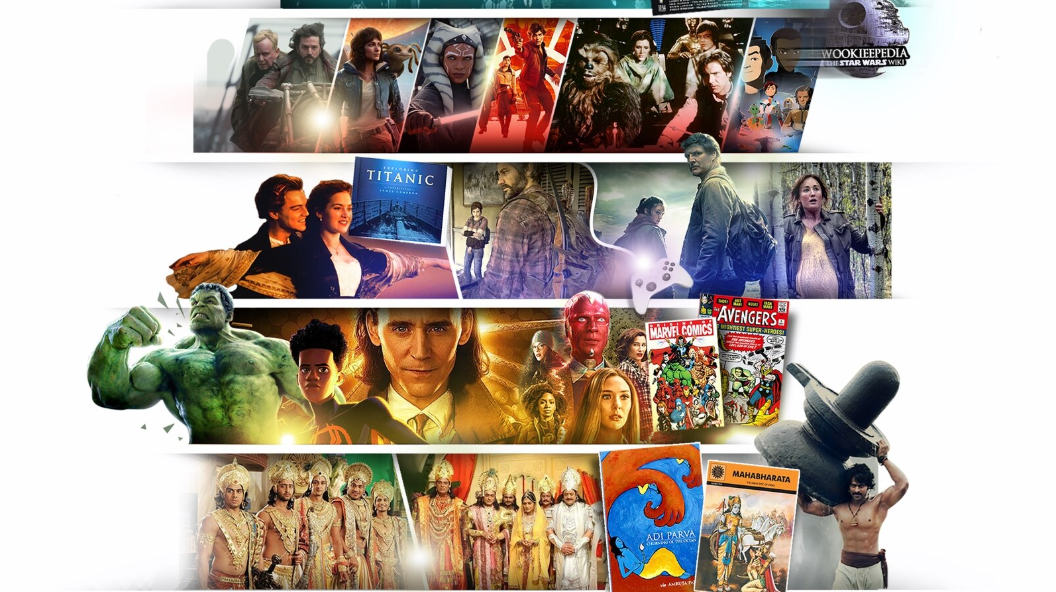
The Star Wars franchise exemplifies this phenomenon. From the original 1977 film to modern Disney+ series like The Mandalorian, Andor, and The Acolyte, the universe constantly refreshes itself while respecting its roots. Animated series like The Clone Wars, novels, comics, games, and theme parks like Galaxy’s Edge keep the fandom ecosystem thriving, attracting new generations without alienating long-time fans.
For fan communities, this evolving structure fosters intergenerational connections, ensuring the story remains embedded in popular culture across time and platforms.
Technology Driving the Future of Transmedia Fandom

Emerging technologies are reshaping the possibilities for transmedia storytelling, blurring the line between fiction and reality more than ever before. As storytelling migrates into virtual and augmented realities, blockchain spaces, interactive apps, and AI-driven platforms, fan communities find themselves embedded within the narratives they love.
These innovations enhance immersion, agency, and personalization, enabling fans to:
- Interact with characters via AI-driven chatbots
- Experience story worlds through VR headsets or AR apps
- Collect exclusive digital assets like NFTs tied to narrative moments
- Participate in world-building through interactive games or decentralized platforms
Example:
The Pokémon Go mobile game brought the Pokémon universe into real-world environments, blending location-based gameplay with narrative events that engaged millions globally. This fusion of digital and physical spaces allowed fan communities to connect on city streets, at public events, and through collaborative gameplay, all while deepening their immersion in the transmedia world.
Looking ahead, technologies like virtual concerts, metaverse spaces, and AI-generated storytelling will further empower fan communities to not only consume stories but to co-create and even inhabit their favorite universes.
Conclusion: Why Transmedia Storytelling Builds Unbreakable Fan Communities
At its core, transmedia storytelling isn’t merely a content delivery strategy—it’s a catalyst for human connection, creativity, and cultural belonging. By spreading narratives across platforms, inviting participation, and fostering evolving, infinite story worlds, creators unlock new dimensions of audience engagement.
For fan communities, these universes offer more than entertainment:
✔️ Shared Identity: Fandom becomes a core part of personal and group identity
✔️ Collaboration: Piecing together the narrative fosters teamwork and collective knowledge
✔️ Creativity: Fan fiction, art, memes, and discussions fuel continuous engagement
✔️ Belonging: Events, social media, and shared rituals create deep social bonds
✔️ Cultural Impact: Stories inspire real-world movements, representation, and activism
In this interconnected landscape, fans aren’t just spectators—they’re detectives, co-creators, influencers, and cultural architects, breathing life into the stories they love.
The rise of transmedia storytelling has rewritten the rules of fandom. Stories no longer end when the screen fades to black—they live on, evolving within the hearts, minds, and creativity of the communities who carry them forward.
About The Author


