
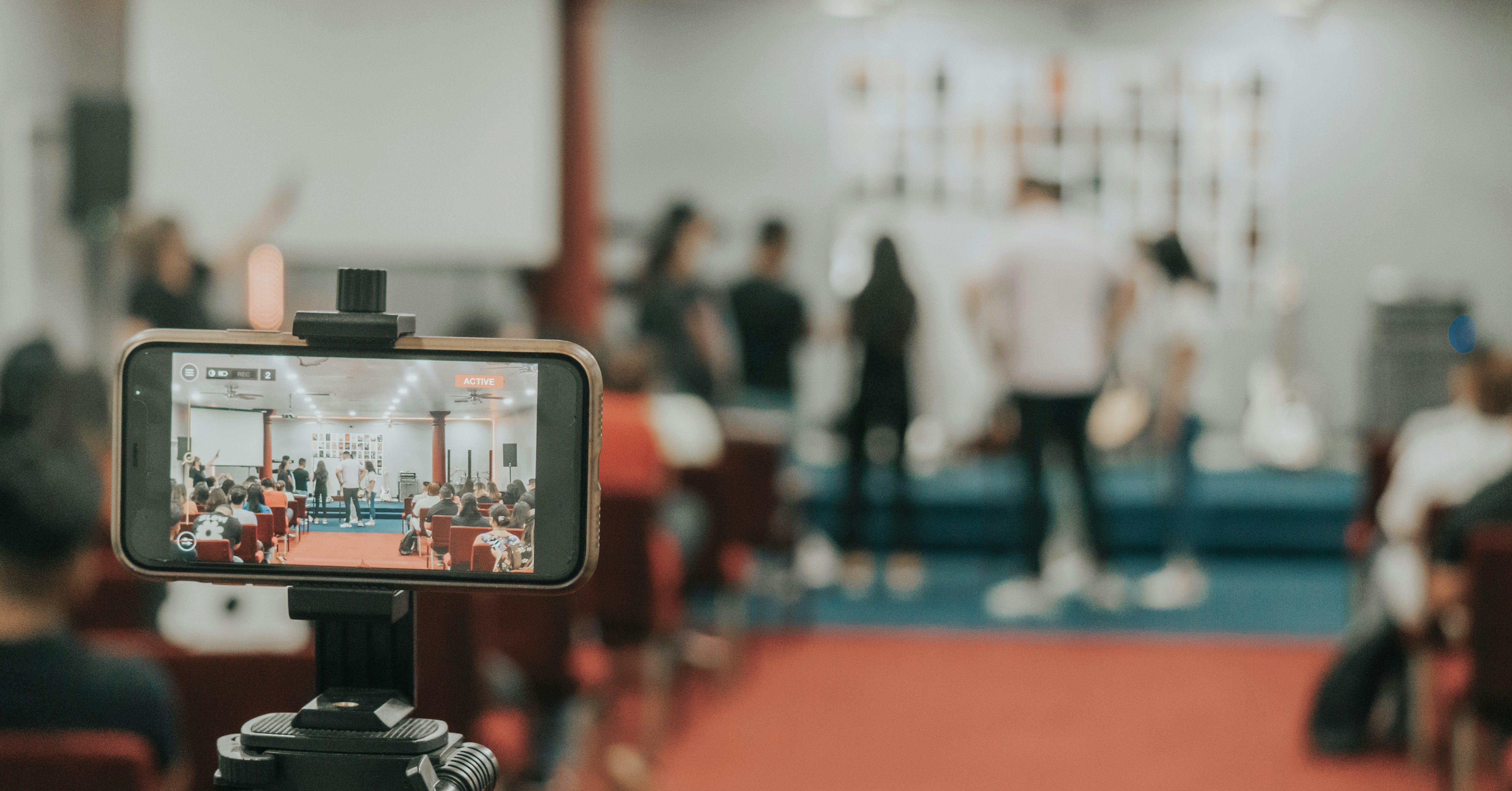
In a digital age where immediacy is power and visibility is currency, livestreaming has emerged as a force that not only reflects but also reshapes reality. Whether it’s a Twitch gamer broadcasting to thousands, a TikTok user documenting a protest in real-time, or a virtual influencer hosting a product launch, livestreaming has redefined how we consume content, tell stories, and engage with the world.
This cultural shift is far from superficial. Livestreaming culture impacts everything from journalism and entertainment to mental health and politics. It blurs the boundaries between public and private, performer and viewer, truth and performance. In 2025, livestreaming is not just a trend; it’s a lens through which we view reality itself.
The Evolution of Livestreaming
The concept of broadcasting live isn’t new. From radio to television, live media has always held a certain gravitas. But the accessibility and interactivity of modern livestreaming have made it radically different from its predecessors.
With the launch of Periscope and Facebook Live in the mid-2010s, followed by the explosive growth of Twitch, YouTube Live, TikTok Live, and Instagram Live, the ability to stream became democratized. No longer restricted to media conglomerates or professional studios, livestreaming now belongs to anyone with a smartphone and Wi-Fi.
In 2025, platforms like Kick, YouTube Live, and TikTok have continued to expand their features, offering monetization, filters, shopping integration, and real-time comment moderation powered by AI. What began as a medium for niche gaming audiences has become a global tool for storytelling, branding, advocacy, and commerce.
The Power of the “Now”: Why Livestreams Captivate

At its core, livestreaming thrives on spontaneity. The unscripted, unfiltered nature of a livestream offers something audiences crave in an era of hyper-curated content: authenticity. The thrill of witnessing something as it unfolds, a celebrity answering fan questions, a protest escalating, a proposal happening in real-time, creates an immediacy that edited videos can’t replicate.
This “liveness” taps into several psychological drivers:
- FOMO (Fear of Missing Out): Viewers tune in because the content feels exclusive and fleeting.
- Parasocial Engagement: Watching someone livestream feels intimate, like hanging out with a friend.
- Interactivity: Viewers can comment, react, ask questions, and even influence the stream in real-time.
Livestreaming turns the viewer into a participant. This dynamic has transformed how we perceive not just entertainment, but reality itself.
Livestreaming and Identity Performance
One of the most profound effects of livestreaming culture is how it encourages continuous self-performance. Content creators often cultivate personas that blur the line between authenticity and performance. Livestreaming, with its real-time nature, heightens this duality.
Creators feel pressure to be “on” constantly, entertaining, emotionally available, and visually appealing, while also managing the expectations of a live audience. This form of performance isn’t limited to influencers. Every day users livestream everything from gym sessions to cooking dinners, subtly shaping their behavior to fit audience expectations.
This has sparked debates about digital identity and emotional labor. Where does the “real” self end and the stream persona begin? Is the demand for constant authenticity warping our sense of self?
Journalism Without a Newsroom: Citizen Reporting and Activism
Livestreaming has radically transformed journalism by decentralizing who gets to tell the news. Events like the George Floyd protests in 2020 and the Gaza crisis in 2024 revealed how livestreaming could challenge mainstream media narratives.
Citizen journalists use their phones to document police brutality, political protests, and humanitarian crises in real-time, often streaming events as they happen before major outlets pick them up. In some cases, these streams have become primary sources for international reporting.
However, this democratization comes with risks:
- Verification challenges: It’s hard to confirm the authenticity of live content.
- Security threats: Streamers in authoritarian regimes risk arrest or worse.
- Ethical concerns: Livestreams may capture violence, trauma, or people without consent.
Still, the power of livestreaming to elevate marginalized voices and bring global attention to overlooked issues cannot be overstated.
Commerce Goes Live: Shoppable Streams and Creator Economy

Brands have been quick to capitalize on the power of livestreaming. The rise of shoppable livestreams, especially popular in Asia through platforms like Taobao Live, has now reached Western markets via Instagram, TikTok Shop, and YouTube.
Influencers now host “live hauls,” product drops, and Q&A sessions where viewers can purchase items directly through the stream. According to McKinsey, live commerce could account for up to 20% of all e-commerce sales globally by 2026.
Livestreaming has also fueled the creator economy. Platforms offer monetization options through:
- Tips and gifts (e.g., TikTok diamonds, Twitch bits)
- Subscriptions and memberships
- Brand sponsorships
- Affiliate links integrated in live interfaces
What was once a side hustle for gamers is now a viable full-time career for chefs, educators, activists, and even therapists. The livestream becomes not just a medium, but a marketplace.
Surveillance, Consent, and Public Space
As livestreaming becomes ubiquitous, questions about privacy and consent are increasingly urgent. What happens when you walk through a park and end up in someone’s IRL livestream? What rights do you have if you’re recorded in a moment of crisis?
Unlike traditional filming, livestreams are instantaneous. There’s no post-production delay, no time to blur faces or obtain consent. This has sparked legal and ethical debates about:
- The boundaries of public and private space
- The right to be forgotten
- The weaponization of livestreams in doxxing and harassment
In 2025, countries like Germany and South Korea introduced “streaming etiquette” laws requiring streamers to visibly notify bystanders and secure consent in certain contexts. But enforcement remains a challenge.
Mental Health and the Pressure of Being Live
Livestreaming offers connection, but also pressure. Constant performance, trolling, and burnout are widespread among streamers.
Mental health studies reveal that:
- 62% of livestreamers report experiencing anxiety or stress related to performance.
- Frequent streamers are more likely to experience parasocial fatigue—burnout from constant emotional interaction with fans.
- Viewers can also be affected, becoming emotionally dependent on streamers’ presence.
Twitch and YouTube have introduced wellness breaks and AI moderation tools, but many creators still rely on peer networks or go offline entirely when overwhelmed.
Livestreaming and the Future of Reality TV

Reality television used to be the peak of unscripted drama. But in 2025, livestreamers are the new reality stars—only their lives unfold without scripts, editors, or time slots.
Influencers like Kai Cenat and Amouranth draw millions of viewers to “IRL” streams where they shop, travel, argue, or prank others. Unlike reality shows that are polished for entertainment, these streams offer chaotic, unfiltered experiences that are both raw and addictively watchable.
This trend is raising new questions:
- Is the line between content and life disappearing?
- Are audiences more interested in drama or real connection?
- What ethical boundaries exist when people monetize their everyday existence?
Reality, once curated through traditional media, is now negotiated in real time by algorithms and audience interaction.
The Dark Side: Misinformation and Dangerous Trends
Like any powerful tool, livestreaming can be misused. In recent years, streams have been used to:
- Spread misinformation or conspiracy theories in real-time.
- Broadcast crimes or violence for shock value or propaganda.
- Incite followers to harass or raid other creators.
Platforms now employ AI systems and human moderators to flag and remove harmful streams quickly, but real-time content is notoriously difficult to police. The “liveness” that makes streams compelling also makes them volatile.
One solution is media literacy. As viewers, we must learn to critically engage with livestreamed content: to ask where it’s coming from, who benefits, and what is omitted.
Livestreaming in Education and Community Building
Despite its challenges, livestreaming offers immense potential for positive impact:
- Education: Professors, creators, and professionals host live classes or discussions, making learning more interactive.
- Nonprofits: Activists use livestreams to share updates, fundraise, and build transparency.
- Communities: Niche groups—whether book lovers, climate activists, or DIY crafters—use livestreams to foster global connections.
In places with limited access to formal institutions, livestreaming becomes a lifeline for connection and learning.
Conclusion: The Stream as a Mirror and a Stage
Livestreaming is rewriting reality; not because it fabricates events, but because it reshapes how we experience, document, and respond to them. In this new media ecosystem, every individual is a potential broadcaster, every moment a potential performance.
As we navigate this cultural shift, we must ask: What kind of reality are we co-creating? Are we cultivating empathy and transparency, or spectacle and surveillance?
One thing is clear: livestreaming isn’t going anywhere. It’s only growing, evolving with AI, expanding into the metaverse, and reshaping our expectations of what it means to be real.
In a world always watching and always watched, the livestream is both a mirror and a stage. The question is: what will we choose to reflect?
References
McKinsey & Company. Live commerce: The next frontier of shopping. https://www.mckinsey.com/industries/retail/our-insights/the-future-of-live-commerce
Pew Research Center. Social Media Use in 2024. https://www.pewresearch.org/internet/2024/03/12/social-media-use-in-2024/
The Atlantic. When Real Life Becomes Content. https://www.theatlantic.com/technology/archive/2022/11/livestreaming-identity-social-media/672276/
MIT Technology Review. The new influencers aren’t real, but their impact is. https://www.technologyreview.com/2023/10/17/1081262/virtual-influencers-instagram-ai-identity-performance/
Columbia Journalism Review. The rise of the livestream as news. https://www.cjr.org/the_media_today/livestreaming-protests-coverage.php
The Guardian. Livestreaming protests: A new form of journalism. https://www.theguardian.com/media/2020/jun/03/livestreaming-protests-george-floyd-reporting
Harvard Business Review. The Creator Economy Needs Guardrails. https://hbr.org/2023/12/the-creator-economy-needs-guardrails
Psychology Today. The Pressure of Being “Always On”: Streamer Burnout. https://www.psychologytoday.com/us/blog/mental-wealth/2023/07/the-pressure-of-being-always-on
Brookings Institution. The disinformation risks of livestreaming. https://www.brookings.edu/articles/livestreaming-and-the-threat-of-disinformation/
Reuters Institute. Who do we trust to livestream the truth? https://reutersinstitute.politics.ox.ac.uk/digital-news-report/2023/livestreaming-trust-and-verification
BBC News. The ethics of livestreaming: Privacy in public. https://www.bbc.com/news/technology-62769770
Olivia Santoro is a writer and communications creative focused on media, digital culture, and social impact, particularly where communication intersects with society. She’s passionate about exploring how technology, storytelling, and social platforms shape public perception and drive meaningful change. Olivia also writes on sustainability in fashion, emerging trends in entertainment, and stories that reflect Gen Z voices in today’s fast-changing world.
Connect with her here: https://www.linkedin.com/in/olivia-santoro-1b1b02255/
About The Author


