
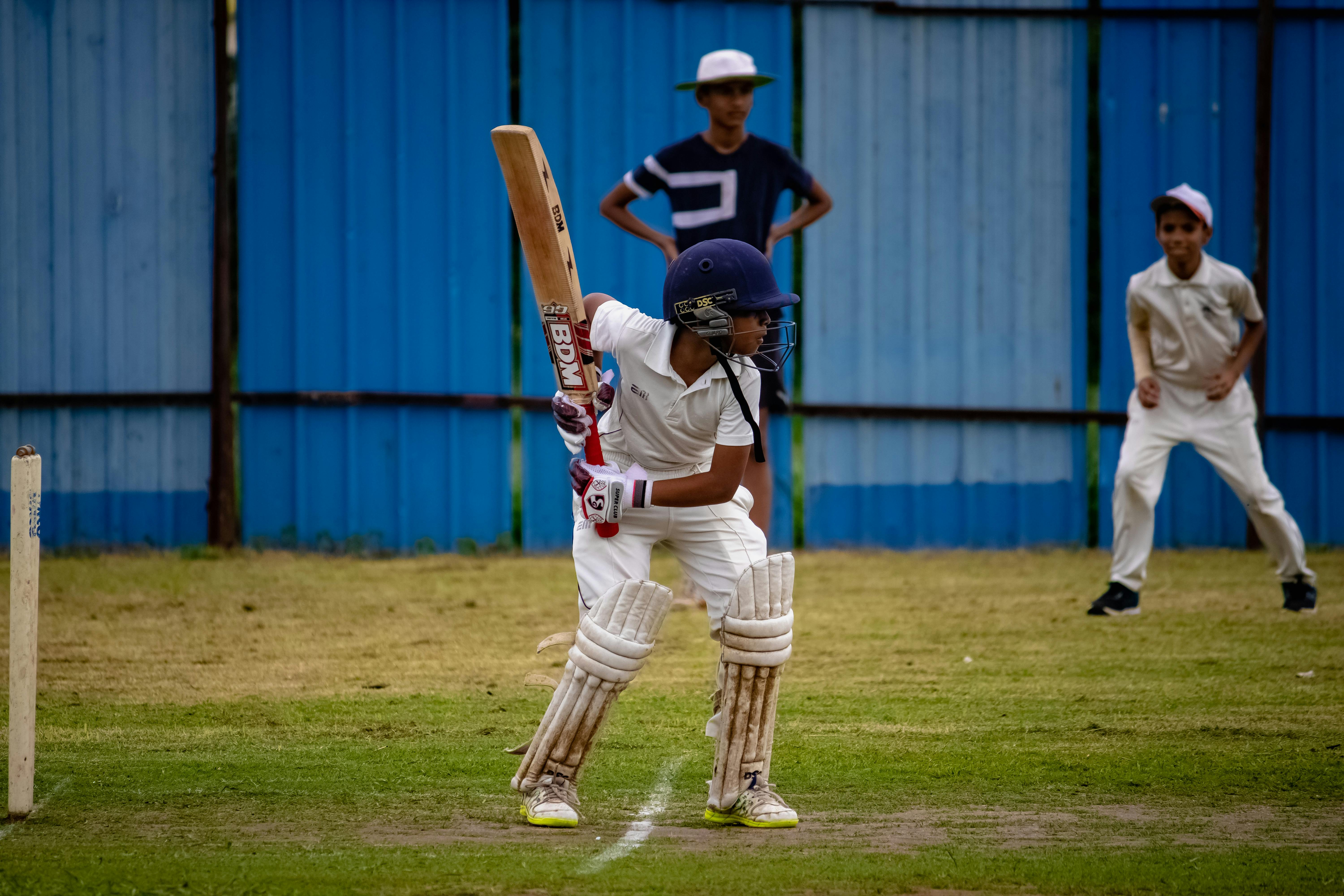
Young cricketers need more than raw talent. They require structured guidance, measurable goals, and repeatable drills that translate potential into performance. Cricket coaching clinics deliver this structure. These short, intensive programs equip players with technical refinement, sport-specific conditioning, and mental resilience. Industry data from the International Cricket Council (ICC) indicates that under-19 international match volume climbed twenty-eight percent between 2015 and 2024 , underscoring the growing appetite for formal youth development channels. Coaching clinics stand at the center of that growth. This article offers a comprehensive, data-driven review of how clinics operate, why they matter, and how stakeholders—from parents to national boards—can derive measurable value.
Youth Development Landscape
National bodies face increased pressure to widen talent pipelines. The England and Wales Cricket Board (ECB) and Cricket Australia each run talent programs that feed regional academies, yet they still rely on local clinics to identify prospects early. According to a 2024 Statista market study, participation in structured coaching camps rose by fifteen percent year over year across the top ten cricket nations. The trend reflects parental recognition that intermittent practice lacks the feedback loops required for sustained improvement.
Core Benefits of Cricket Coaching Clinics
Technical Skill Acceleration
- Coaches deconstruct batting stance, back-lift, and follow-through.
- Bowlers fine-tune wrist position, release angle, and run-up rhythm.
- Wicketkeepers sharpen footwork with rapid-fire catch drills.
Physical Conditioning Integration
- Strength trainers prescribe age-appropriate circuits.
- Mobility sessions improve hip rotation and thoracic extension.
- Periodized workload plans reduce over-training risk.
Mental Skills Training
- Psychologists guide focus drills and visualization sessions.
- Players learn goal-setting techniques that translate to school and club matches.
- Group debriefs instill resilience after simulated pressure scenarios.
Holistic Monitoring
- Wearables log heart-rate zones, sprint splits, and sleep scores.
- Video platforms capture every delivery, allowing frame-by-frame technical review.
- Parents receive cloud-based progress charts after each day.
Clinic Structure: Day-by-Day Breakdown
| Day | Morning Session | Midday Review | Afternoon Session | Evening Assignment |
|---|---|---|---|---|
| 1 | Baseline fitness tests, technical filming | Video playback and goal setting | Skill-specific drills (batting or bowling) | Journal reflections |
| 2 | Mobility and dynamic warm-up | Nutrition workshop | Net simulations with live bowlers | Stretch routine |
| 3 | Strength circuit and plyometrics | Sports psychology lecture | Match scenarios with scoring targets | Tactical analysis quiz |
| 4 | Position-specific fielding | Injury prevention clinic | Video-assisted correction drills | Mental imagery session |
| 5 | Final assessment games | Individual report cards | Parental Q&A | Home program hand-off |
Clinics typically cap groups at eight players per coach to maximize feedback quality.
Staff Qualifications and Ratios
Credible clinics recruit coaches certified to at least national Level 2 standards. Programs maintain:
- Coach-to-player ratio of 1:8 for skill drills
- Strength coach oversight when intensities exceed baseline thresholds
- On-site first responder for immediate medical support
This staffing model aligns with Cricket Australia’s community coaching guidelines and ECB safeguarding standards.
Technology in Action
Video Analysis
High-speed cameras recording at 240 fps reveal micro-timing errors during batting or bowling. Coaches overlay biomechanical angles and deliver real-time corrections.
Ball-Tracking Systems
Portable radar units record seam movement, bounce height, and pace at release versus pitch. Players observe cause-and-effect in tangible numbers.
Wearables
Inertial measurement units (IMUs) capture run-up acceleration and hip-shoulder separation. Data funnels into dashboards that flag fatigue or mechanical drift.
Physical Preparation and Injury Prevention
Fast bowlers remain most vulnerable during growth spurts. Clinics mitigate risk through:
- Hip and core stabilization exercises (bird dogs, dead bugs, anti-rotation holds)
- Controlled overs progression (no more than twenty-four deliveries on first day)
- Bone-density screening partnerships with local sports science labs
Batters follow hand-strength protocols and shoulder stability work to sustain bat control under heavy schedules.
Mental Conditioning Modules
Sports psychologists integrate three core drills:
- Box Breathing: Four-count inhale, four-count hold, four-count exhale, four-count hold, performed between overs.
- Goal Mapping: Players outline micro-objectives for each drill block.
- Fail-Fast Reflection: Immediate journaling after dismissals to identify triggers and next steps.
A 2023 Journal of Sports Psychology meta-analysis shows structured imagery reduces error rates by twelve percent in youth athletes .
Incorporating Nutrition and Recovery
Clinics allocate classroom time for diet education:
- Macronutrient targets: 1.8 g protein per kilogram body weight for muscle repair
- Hydration benchmarks: 6 ml per kilogram pre-session, plus electrolyte replacement
- Recovery meals synced within thirty minutes post-training
Registered dietitians craft personalized snack packs to reinforce session gains.
Inclusivity and Gender Equity Initiatives
High-quality clinics lower entry barriers by:
- Offering scholarships to under-represented communities
- Scheduling girls-only camps with female coaches
- Providing equipment scaled for younger participants
ECB reports a thirty-five-percent surge in female attendance after launching dedicated clinics in 2023 .
Parent Engagement and Education
Clinics hold evening seminars covering:
- Safe workload guidelines for at-home practice
- Positive reinforcement methods versus outcome-focused pressure
- Long-term athlete development pathways
Parents armed with knowledge support consistent progress and manage expectations.

Case Study: South Africa’s Mini-Cricket Rollout
Cricket South Africa’s weekend clinics serve rural regions with limited coaching access.
- Twelve thousand players completed baseline and exit tests between 2022 and 2024.
- Batting strike rates advanced by fifteen runs per hundred balls on average.
- Bowling injury incidents dropped twenty-two percent among participants aged thirteen to fifteen.
Regional academies now prioritize clinic graduates, creating streamlined selection pipelines.
Funding Models and Corporate Partnerships
Multi-Sponsor Stacking
Clinics divide costs across equipment suppliers, nutrition brands, and local businesses. Sponsors receive logo placement on kits and digital reports.
Public Grants
Government sports agencies fund clinics aligned with national health strategies, focusing on physical literacy.
Direct Parent Contributions
Tiered pricing offers sliding scale fees while protecting coach quality. Early-bird discounts drive commitment and improve resource planning.
Evaluation Metrics
Clinics measure success through:
- Technical gains: Batting averages, bowling line-length accuracy, fielding catch efficiency
- Fitness improvements: Yo-Yo endurance scores, 20-meter sprint times
- Psychological markers: Confidence surveys, attention span tests
- Retention: Percentage of players enrolling in advanced programs within twelve months
Transparent reporting supports iterative curriculum refinement and strengthens stakeholder confidence.
Implementation Blueprint for New Clinics
- Define Objectives: Choose focus areas—technical, physical, mental—or blend all three.
- Recruit Certified Coaches: Validate credentials and practical experience.
- Secure Venues: Ensure turf wickets, indoor nets, and classroom spaces.
- Integrate Technology: Allocate budget for video capture and wearable sensors.
- Pilot Program: Launch with small cohorts, gather feedback, refine drills.
- Scale Sustainably: Maintain coach-to-player ratios during expansion.
Following this roadmap ensures quality across geographic rollouts.
Regional Comparisons: Clinic Models Worldwide
| Region | Key Feature | Outcome Highlight |
|---|---|---|
| India | High-volume holiday camps | BCCI reports 60,000 annual attendees |
| Australia | Community hubs linked to state pathways | 18 % of national under-19s came through clinics |
| England | School-club partnerships | 27 % rise in club registrations among clinic grads |
| New Zealand | Māori and Pacific Island exposure programs | Doubled participation from under-represented groups |
Data demonstrate clinics’ adaptability to different cricket cultures.
Future Innovations
- Virtual Reality Nets: Immersive batting practice with realistic bowler projections.
- AI-Based Skill Scouting: Machine learning models identify talent gaps from video footage.
- Remote Feedback Apps: Players upload drill videos; coaches deliver annotated corrections within twenty-four hours.
- Green Facility Design: Solar-powered net enclosures and waterless turf maintenance reduce environmental impact.
These advancements will broaden access while maintaining high coaching standards.
Common Mistakes to Avoid
- Relying solely on generic drills without individualized feedback
- Ignoring workload caps for young fast bowlers
- Overlooking mental skills, leading to confidence dips during competitive matches
- Skipping parent education, causing misaligned expectations at home
Addressing these gaps maximizes clinic ROI and player satisfaction.
Conclusion
High-impact cricket coaching clinics serve as critical links between casual play and elite development. They deliver structured technical instruction, sport-specific conditioning, mental skill cultivation, and evidence-based injury prevention. Certified staff, technology integration, and inclusive design create environments where young athletes thrive. Stakeholders who invest in well-planned clinics cultivate deep talent pools, reduce injury incidence, and foster lifelong engagement with cricket.
Sources
https://www.icc-cricket.com
https://www.ncbi.nlm.nih.gov
https://www.ecb.co.uk
https://www.statista.com
https://data.gov.in
About The Author


