
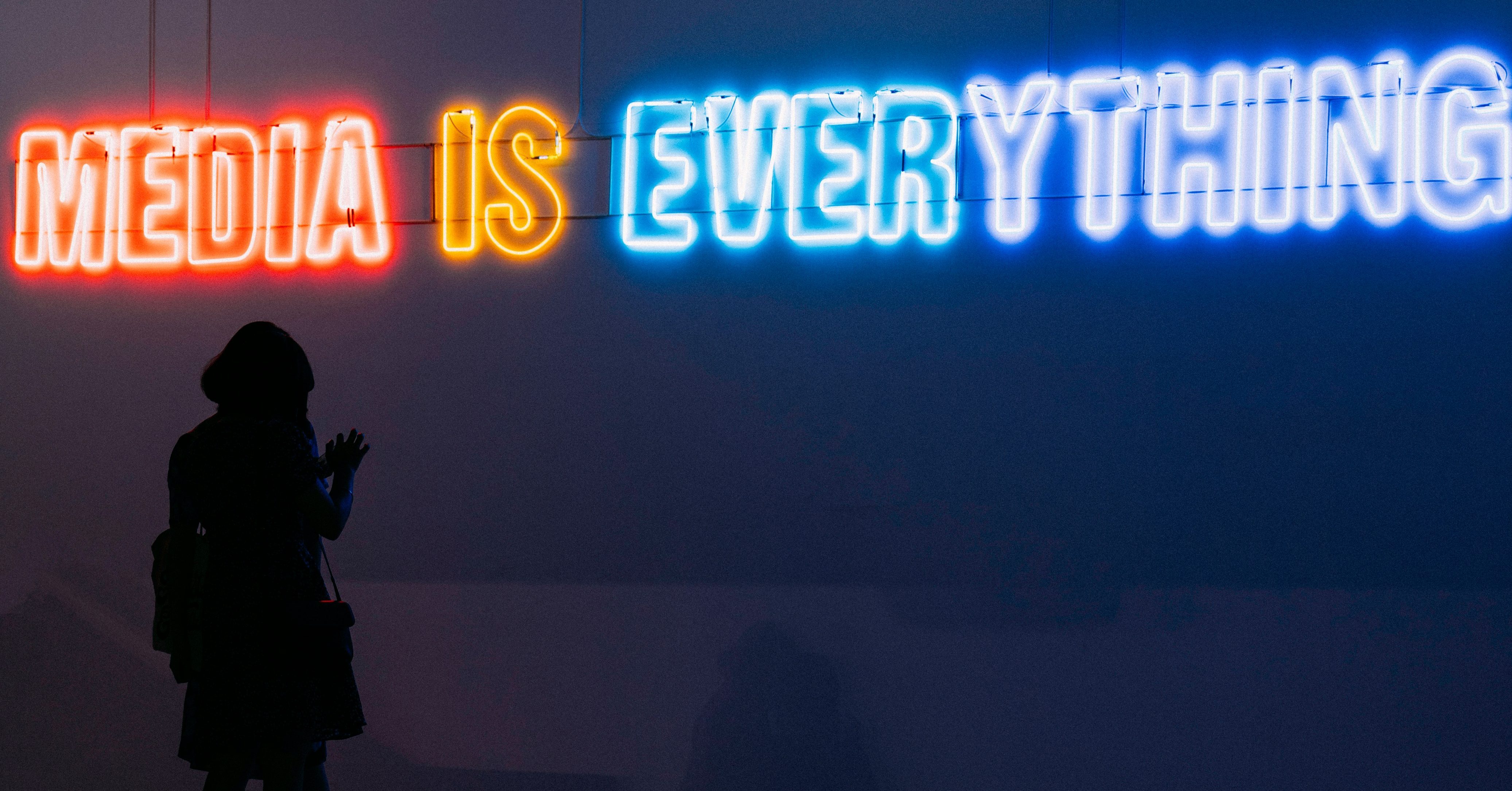
The New Civic Duty: Informed Media Consumption
Gone are the days when civic responsibility meant simply voting every four years or serving on a jury. Today, being an informed citizen means navigating a 24/7 news cycle, identifying deepfakes, and discerning fact from propaganda. In an era where misinformation can spark violence, sway elections, and erode public trust, how we consume media isn’t just a personal choice; it’s a collective responsibility.
Media consumption has evolved into a core function of civic engagement. As we scroll, share, and absorb information across digital platforms, we participate in shaping public opinion, influencing political discourse, and reinforcing (or challenging) social narratives. The implications are profound: media literacy is no longer optional. It’s essential for the health of democracy.
From Passive Audience to Active Citizen

Historically, the role of media was clear-cut. Newspapers reported, and audiences consumed. The gatekeeping was largely centralized. But with the rise of social media and digital platforms, every user is now both consumer and broadcaster. In this participatory media landscape, the power to influence is decentralized, and so is the responsibility.
This shift demands more from all of us. Passive consumption leads to algorithmic echo chambers, susceptibility to disinformation, and reinforcement of biases. Active, mindful engagement, questioning sources, cross-verifying facts, and understanding context transform us into responsible participants in the public square.
The Weaponization of Misinformation
Perhaps no phenomenon better illustrates the urgency of this issue than the global spread of misinformation. From conspiracy theories surrounding COVID-19 to manipulated footage during political protests, false narratives now travel faster and wider than ever before. According to the MIT Media Lab, false news spreads six times faster on Twitter than true news does.
This trend has far-reaching consequences:
- Undermining Democratic Institutions: When citizens can’t agree on basic facts, democratic debate suffers.
- Fueling Division: Misinformation exacerbates polarization, making compromise and cooperation more difficult.
- Threatening Public Health: False medical information, such as vaccine conspiracy theories, endangers lives.
Our failure to recognize, resist, and respond to these narratives isn’t just dangerous, it’s undemocratic.
Why Media Literacy Education Is the Solution

Media literacy refers to the ability to access, analyze, evaluate, create, and act using all forms of communication. It’s not about skepticism for its own sake; it’s about critical thinking, ethical sharing, and digital discernment.
Despite its importance, media literacy education is often missing from formal curricula. A 2022 study by the Stanford History Education Group found that over two-thirds of high school students struggled to distinguish between news articles and opinion pieces.
We must push for systemic change:
- Integrate Media Literacy in Schools: Just as we teach math and science, we must teach students how to decode digital content.
- Train Educators: Teachers must be equipped with tools to guide nuanced discussions on media bias, source credibility, and algorithmic influence.
- Public Campaigns for Adults: Media literacy doesn’t stop at graduation. Adult citizens need resources to navigate complex digital ecosystems.
Civic Consequences of Media Illiteracy
The consequences of unchecked media illiteracy are not hypothetical. They’re visible in real-world events—from the January 6 Capitol riot to coordinated disinformation campaigns during elections in Brazil, India, and the Philippines. In each case, media manipulation played a central role in shaping public behavior and influencing civic outcomes.
Take, for instance, the role of Facebook in the 2018 Myanmar crisis, where misinformation targeting the Rohingya Muslim minority escalated violence and persecution. A UN fact-finding mission found that social media had “substantively contributed” to the spread of hate speech.
When civic life becomes mediated through uncritical consumption, society becomes vulnerable to actors who exploit information for political or ideological gain.
The Role of Algorithms in Shaping Perception
Behind every scroll is an algorithm quietly customizing your feed. These algorithms—designed to maximize engagement, not truth—often amplify polarizing content because it triggers stronger reactions. As a result, media consumers are trapped in digital silos, increasingly exposed to content that aligns with their preexisting beliefs.
This creates a phenomenon known as confirmation bias, where individuals only seek or believe information that supports their worldview, ignoring anything that challenges it. Left unchecked, it leads to ideological rigidity and civic disengagement.
Understanding how algorithms work is a critical media literacy skill. We must ask: Who benefits from this narrative? Why is this content being shown to me?
Social Media and the Rise of Clicktivism

Platforms like Twitter and TikTok have enabled unprecedented civic engagement, but also a diluted form of it. “Clicktivism,” or low-effort digital activism, can create the illusion of action while doing little to address root issues. Sharing an infographic is not the same as lobbying for policy change, and liking a post is not equivalent to voter mobilization.
That said, social media can be a powerful tool when used responsibly. Movements like #MeToo, #EndSARS, and #BlackLivesMatter have demonstrated how digital networks can galvanize global attention and policy dialogue. But the effectiveness of these movements still hinges on media-literate users who can differentiate between performative posting and meaningful participation.
Journalistic Trust and the Erosion of Credibility
In many countries, public trust in journalism is at an all-time low. According to the Edelman Trust Barometer 2024, only 42% of respondents trust the media to tell the truth. This erosion of trust creates fertile ground for alternative media ecosystems that prioritize sensationalism over substance.
But journalism still matters. Investigative reporters expose corruption, hold the powerful accountable, and provide context that social media often lacks. Consuming quality journalism is a civic act, one that requires effort, discernment, and often, a subscription.
The Global Dimensions of Media Literacy
Media consumption is a global phenomenon. In countries with authoritarian regimes, state-controlled narratives dominate the media. In democracies, the information environment is chaotic and commercialized. Both scenarios demand robust media literacy, albeit in different forms.
In Finland, widely considered a global leader in media education, media literacy is integrated across school subjects from an early age. The government’s proactive approach helped the country resist Russian disinformation campaigns during the 2019 EU elections.
The global lesson? Media literacy isn’t just defensive—it’s democratic armor.
Gen Z and the Future of Media Literacy
Generation Z has grown up as “digital natives,” but being tech-savvy doesn’t always equate to being media-literate. A 2023 Pew study revealed that while 95% of Gen Z use social media daily, only 26% feel confident in distinguishing between trustworthy and untrustworthy news.
Yet, this generation also has the potential to lead a media literacy renaissance. They are already challenging dominant narratives, calling out misinformation, and pushing for platform accountability. With the right tools and education, Gen Z could become the most media-literate generation yet.
Civic Tools for Smarter Media Consumption
So, what can individuals do now? Here’s a civic toolkit for responsible media engagement:
- Diversify Your Sources: Don’t rely on a single outlet. Seek a range of perspectives.
- Check Before You Share: Verify facts before reposting. Use fact-checking sites like Snopes or PolitiFact.
- Understand the Platform: Know how algorithms and monetization strategies influence content delivery.
- Support Quality Journalism: Subscribe to reputable outlets and reward ethical reporting.
- Engage Thoughtfully: Ask questions, not just reactions. Read before commenting.
- Teach Others: Share media literacy skills with family, friends, and your community.
Toward a Culture of Critical Consumption
Media literacy is not just a skill; it’s a mindset. A culture of critical consumption requires us to pause before we post, question before we believe, and investigate before we amplify. In doing so, we uphold the integrity of our civic institutions and protect the truth in public discourse.
As we stand at the intersection of information overload and civic fatigue, our choices as media consumers carry more weight than ever. Will we be passive recipients or active citizens? Will we allow misinformation to divide us or demand transparency, accountability, and accuracy?
The answer lies not in tech platforms alone, but in us.
Final Thoughts: Media as a Public Good
In many ways, the media ecosystem reflects the state of our society. If we consume carelessly, we become complicit in chaos. If we engage critically, we contribute to a more informed, empathetic, and democratic world.
Media consumption is civic responsibility in action. Let’s start treating it that way.
References
MIT Media Lab. “The spread of true and false news online.” 2018. https://news.mit.edu/2018/study-false-news-travels-faster-than-truth-twitter-0308
Stanford History Education Group. “Civic Online Reasoning.” 2022. https://purl.stanford.edu/gf151tb4868
Reuters. “Facebook played a role in Myanmar genocide, UN finds.” 2018. https://www.reuters.com/article/us-myanmar-rohingya-facebook-idUSKCN1GO2PN
Pew Research Center. “How Young Americans Experience News.” 2023. https://www.pewresearch.org/journalism/2023/08/21/how-young-americans-experience-news/
Edelman. “2024 Trust Barometer.” https://www.edelman.com/trust-barometer
Reuters. “Finland is winning the war on fake news.” 2019. https://www.reuters.com/article/us-europe-election-finland-disinformatio-idUSKCN1SL0F4
Olivia Santoro is a writer and communications creative focused on media, digital culture, and social impact, particularly where communication intersects with society. She’s passionate about exploring how technology, storytelling, and social platforms shape public perception and drive meaningful change. Olivia also writes on sustainability in fashion, emerging trends in entertainment, and stories that reflect Gen Z voices in today’s fast-changing world.
Connect with her here: https://www.linkedin.com/in/olivia-santoro-1b1b02255/
About The Author


