
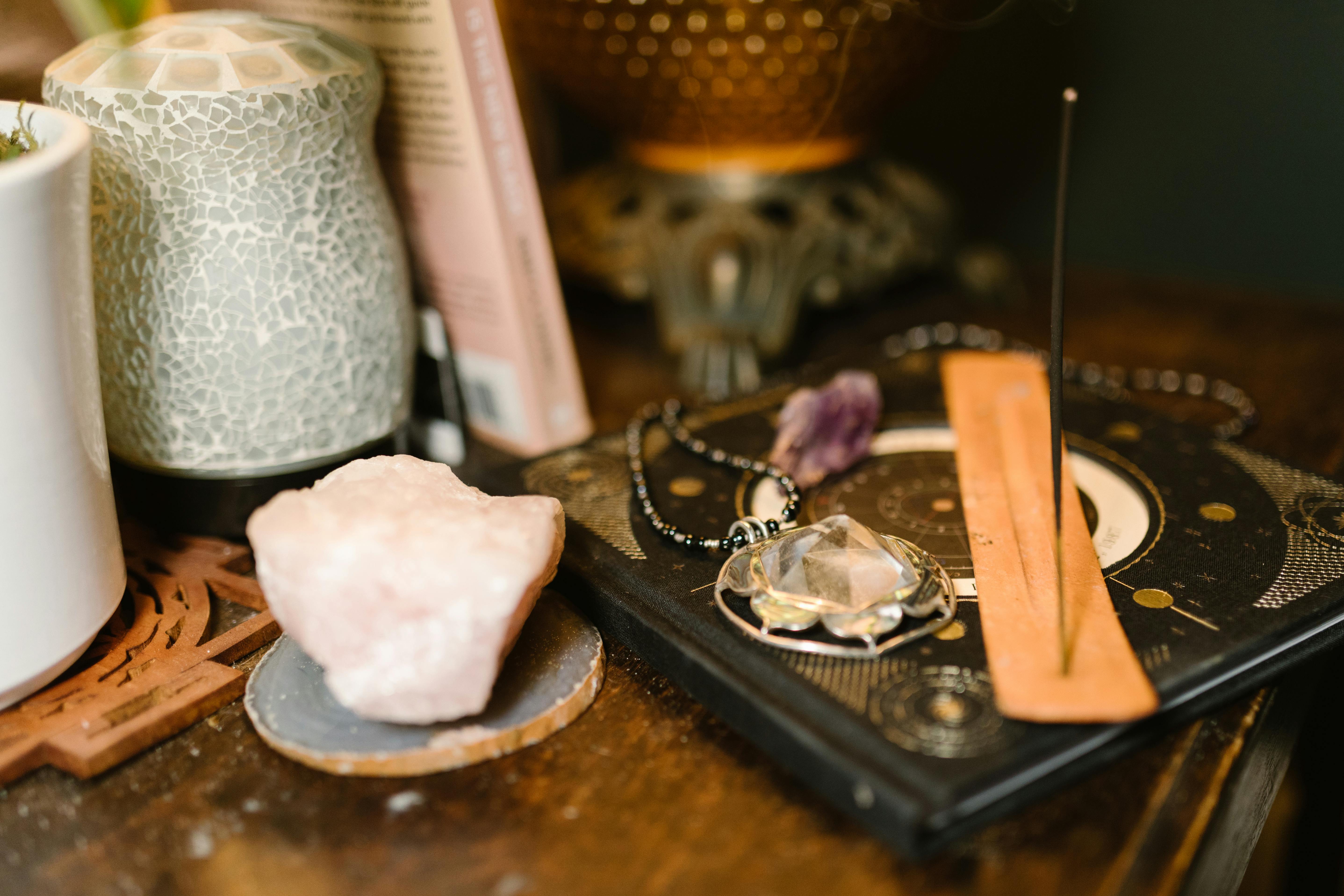
In an age defined by hyperconnectivity and paradoxical isolation, rituals remain one of the last strongholds of human intimacy and shared meaning. While algorithms, borders, and individualism fracture our collective experience, community rituals quietly thread lives together. From morning prayers and seasonal festivals to funeral songs and civic ceremonies, rituals offer structure, identity, and belonging. They remind us—especially in fragmented societies—that we are part of something larger than ourselves.
What makes rituals powerful is not just their symbolism but their repetition. In the quiet consistency of gathering, chanting, eating, or remembering, communities build resilience and affirm continuity across generations. This article examines how community rituals function as cultural glue, offering resistance to fragmentation through embodied connection, memory, and shared emotion.

Defining Ritual in the Modern Context
Rituals are often associated with religion or ancient tradition, but their reach is far broader. Anthropologists define rituals as structured actions imbued with symbolic meaning, performed regularly within a group. They can be sacred or secular, collective or intimate, celebratory or solemn.
Examples range from:
- Lighting candles on Diwali or Hanukkah.
- Queuing in silence for Remembrance Day.
- Sharing meals during Ramadan iftar.
- Singing protest songs at rallies.
- Reciting wedding vows or mourning at a wake.
In every case, these moments serve not only to mark time or tradition but to affirm community. In doing so, rituals anchor people in a world where permanence often feels elusive.
The Crisis of Fragmentation
Globalization, while expanding our access to goods and information, has also dislocated many from their communities and traditions. Migration, urbanization, war, and digital immersion have led to a social condition that sociologists call “fragmentation”—a breakdown in social bonds and shared identity.
Signs of fragmentation include:
- Loss of intergenerational ties.
- The decline of neighborhood cohesion.
- The privatization of grief, joy, or care.
- A reduction in public participation or shared civic values.
In this landscape, rituals—however modest—provide structure. They remind us that identity is not formed in isolation but through interaction, witness, and mutual care.
Rituals as Containers of Memory
Community rituals preserve collective memory. They encode historical trauma, celebrate survival, and pass down cultural knowledge that may otherwise be lost.
Cultural memory preserved through ritual:
- Holocaust memorial ceremonies keep alive the stories of survival and loss, ensuring that future generations remember the consequences of silence.
- Indigenous seasonal dances honor the cycles of the land, preserving ecological knowledge while fostering cultural continuity.
- Diaspora food rituals—such as Armenian lavash baking or Caribbean Sunday meals—keep homeland connections alive despite generational distance.
These acts of remembering aren’t about nostalgia—they are about rootedness. They give people a sense of place in time and lineage, countering the disorientation of modern life.

Rituals in Civic and Secular Life
While often rooted in religion or ethnicity, rituals also shape civic life. Nations rely on rituals to foster solidarity, patriotism, and public values.
Examples include:
- National anthems sung before sports events.
- Flag-raising ceremonies in schools or military bases.
- Public mourning rituals, such as candlelight vigils or minute-long silences after tragedies.
Even seemingly mundane acts—voting, jury duty, or attending town halls—can become civic rituals when performed with regularity and a sense of collective responsibility.
These shared acts legitimize public life and affirm that citizenship is a practice, not just a status.

Digital Rituals and New Forms of Gathering
In the wake of the COVID-19 pandemic and growing digital life, rituals have not disappeared—they have migrated. From virtual weddings and livestreamed funerals to online prayer circles and global meditation apps, people have found new ways to ritualize connection.
Key examples:
- Zoom seders during Passover brought dispersed Jewish families together across continents.
- Online game vigils and memorial builds in Minecraft created new spaces for mourning and tribute.
- TikTok prayer chains and dance trends offer youth a kind of symbolic coordination, even if ephemeral.
Though some may dismiss these as superficial, their emotional resonance speaks to a deep need for shared rhythm and meaning—even online.
Resistance and Resilience Through Ritual
Rituals also function as acts of resistance. For marginalized communities, reclaiming traditional practices can counter cultural erasure and foster healing.
Examples include:
- The revival of Māori haka in New Zealand not just in sports, but at protests and funerals—reasserting Indigenous identity.
- African American naming ceremonies and libation rituals reconnect descendants of the enslaved with ancestral heritage.
- Queer community vigils, drag shows, and pride marches affirm visibility and joy in the face of exclusion.
These rituals are not escapism—they are empowerment. They mark space, time, and story in ways that challenge oppression and reclaim cultural agency.
Community rituals are not disappearing in the digital age—they are adapting. From the reclaiming of ancestral rites to virtual ceremonies, rituals today are being redefined by young people, hybrid cultures, and communities in flux. In this section, we explore how rituals evolve across generations and how they remain relevant through adaptation, technology, and resistance.
Hybrid Rituals in Multicultural Societies
As globalization reshapes communities, rituals are increasingly hybrid. Migrant and multicultural families frequently merge traditions, creating layered practices that honor multiple heritages.
Examples:
- Interfaith Weddings: In multicultural cities like London or Toronto, weddings might feature a Catholic mass, Hindu fire ritual, and Jewish chuppah—all in one event. These fusion ceremonies reflect plural identities.
- Festivals like Notting Hill Carnival (UK): What began as a Caribbean community’s expression of resilience has grown into a diverse, multi-ethnic celebration blending West Indian masquerade with British street culture.
🔗 https://nhcarnival.org/
These hybrid rituals are not diluted—they are enriched by complexity, representing inclusive values and shared futures.
Reclaiming Suppressed Rituals
For communities affected by colonization or cultural repression, reclaiming ritual is an act of survival and healing. Many Indigenous and historically oppressed groups are reviving ceremonies previously banned or erased.
Examples of ritual revival:
- Sámi joik music (Scandinavia): Once discouraged by Christian missionaries, the Sámi are now revitalizing this ancient form of musical storytelling to preserve language and land-based wisdom.
🔗 https://www.nationalgeographic.com/history/article/the-sami-people-europe-last-indigenous-culture - Aboriginal Australian smoking ceremonies: These cleansing rituals are now part of public events like school openings and national commemorations, asserting Indigenous presence.
- Haitian Vodou ceremonies: Misrepresented in Western media, these deeply spiritual rituals are central to community identity and have gained legitimacy through cultural education efforts.
Ritual revival restores not only lost practices but dignity, land connection, and spiritual sovereignty.
Digital Rituals and Virtual Communities
Technology is reshaping how rituals are performed, especially among youth and diasporic groups who may be physically disconnected from their cultural centers.
Platforms and practices:
- YouTube: Hosts tutorials on Passover Seder, Diwali altar setup, Ramadan traditions, and more—educating younger generations in diaspora.
🔗 https://www.youtube.com/results?search_query=diwali+altar+setup - Zoom Ceremonies: Used during the COVID-19 pandemic for weddings, funerals, and religious services, allowing people to gather across continents.
- TikTok: Youth are using it to share micro-rituals like ancestral recipes, cultural dance, prayer routines, and mourning tributes. A new kind of ritual visibility is emerging.
Eco-Conscious and Social Justice Rituals
Young people are reinterpreting rituals to reflect pressing values like climate justice, anti-racism, and gender equality. These aren’t just ideological shifts—they are ritual transformations.
Contemporary innovations:
- Eco-weddings: Ditching single-use décor, choosing biodegradable offerings, and incorporating land acknowledgments as sacred acts of respect.
- Rituals at climate protests: Groups like Extinction Rebellion use performative rituals—silent processions, grief ceremonies for extinct species, and symbolic arrests—to ritualize ecological loss.
🔗 https://rebellion.global/ - Memorial art and tattooing: Instead of traditional funerals, many Gen Z communities organize art installations, zine-sharing events, or ritual tattoo circles to process grief and memory.
Rituals are becoming more ethical, intentional, and activist-oriented—reflecting global priorities.
Intergenerational Bonds Through Ritual
At their core, rituals connect generations—not only biologically but culturally. Youth who inherit and reshape ritual are creating new forms of continuity.
Examples of transmission:
- Latin American ofrenda creation for Día de los Muertos: Youth in the U.S. and Mexico increasingly document altar creation on Instagram, teaching others while preserving ancestral ties.
🔗 https://www.nationalgeographic.com/history/article/dia-de-los-muertos - Japanese tea ceremony among youth groups: Young people learn and reinterpret traditional rituals, fusing Zen values with modern aesthetics.
- Jewish Havdalah via livestreams: Emerging Jewish artists and leaders are making this Sabbath-closing ritual accessible through music videos and digital Haggadot.
These practices show how ritual can evolve while retaining its emotional and spiritual gravity.

Rituals in Response to Collective Trauma
In times of shared crisis, rituals offer more than comfort—they become frameworks for grief, resilience, and unity.
Recent collective rituals:
- COVID-19 memorials: From Italian balcony songs to India’s candlelight vigils, communities created spontaneous rituals to mourn and cope.
- BLM protests and vigils: Names of victims read aloud, flowers laid, fists raised in silence—these embodied acts are not only protest but ritual expressions of grief and solidarity.
- Ukraine war digital memorials: Ukrainian artists and youth have used Telegram, Instagram, and in-person installation art to remember victims and unify community spirit.
🔗 https://www.nytimes.com/2022/03/04/world/europe/ukraine-art-protest.html
Rituals help communities not just survive trauma—but narrate it meaningfully.
In the shifting terrain of 21st-century life—marked by climate anxiety, political division, and social atomization—rituals remain one of the few enduring forms of connection that transcend ideology. Whether inherited or invented, solemn or joyous, community rituals help make meaning out of uncertainty. They are not relics of a primitive past but essential tools for navigating a chaotic present.
More than habit, ritual is intentional repetition. It marks time, affirms values, and invites participation. It resists the reduction of life to transaction or spectacle, offering instead a space of reflection, transformation, and belonging.
Rituals as Anchors in Psychological Uncertainty
Rituals help people cope with ambiguity and loss. Psychologists note that structured symbolic behavior, even in simple forms, can reduce anxiety by offering predictability and a sense of agency.
A daily cup of tea, lit candles for a loved one, walking a familiar path—these acts can provide grounding. In high-stress contexts such as refugee camps, disaster zones, or conflict-ridden areas, rituals become survival tools. They reassert human dignity, preserve memory, and create a semblance of order.
On a broader scale, societal rituals such as public mourning after national tragedies help populations process collective grief. These acts do not erase pain, but they offer shared emotional space. In doing so, they support psychological resilience and social cohesion.
Ritual and the Human Need for Belonging
At the heart of every ritual lies the question: Who are we, and who do we belong to?
Community rituals—be they seasonal, religious, cultural, or civic—help answer that question. They affirm identity not just through words but through embodied participation. To dance in a circle, to chant with others, to pass a symbolic object hand to hand—these experiences etch connection into muscle memory.
Rituals provide continuity across time, connecting people not only with each other but with those who came before. A child who learns a prayer, a song, or a recipe isn’t just learning behavior—they are inheriting a legacy. That continuity is particularly crucial in societies shaped by dislocation, diaspora, or disruption.
The Borderless Potential of Ritual
Rituals are not confined by geography. In fact, one of the most powerful aspects of modern ritual is its ability to cross borders.
Consider the growing number of shared global observances—International Women’s Day, World Refugee Day, Earth Hour. Though not tied to a single religion or tradition, these events often include ritual-like elements: lighting candles, sharing testimonials, gathering in synchronized solidarity. They foster a sense of planetary community, even among people who will never meet.
Diasporic communities also carry rituals across oceans. These practices adapt, incorporating local culture while retaining core meaning. Through ritual, a person can belong both to where they are and to where they come from—an essential duality in a world of migrants and mixed identities.
The Intimate Scale of Ritual
Even as some rituals scale globally, others remain intensely local and intimate. Neighborhood potlucks, intergenerational prayer circles, or block parties may seem informal, but they serve vital communal functions.
These grassroots rituals:
- Reduce isolation by fostering face-to-face connection.
- Build trust and familiarity in local spaces.
- Allow for informal knowledge sharing and mentorship.
They do not require institutional sanction or religious doctrine—only the willingness of people to gather and repeat an act with shared intention. As social structures grow more digital, these in-person rituals may become even more essential to mental health and civic resilience.
The Evolution of Sacred Space
In modern life, “sacred space” does not only exist in churches, mosques, temples, or shrines. It can be created anywhere—a street corner, a park, a chat room—if participants agree to approach it with reverence and shared purpose.
Pop-up rituals in urban environments—memorial murals, impromptu vigils, shared silence in a protest—transform ordinary places into temporary sanctuaries. These acts demonstrate that sacredness is not fixed in place but is produced through intention, presence, and participation.
This evolution of sacred space reflects a broader democratization of ritual: anyone can create it. Ritual no longer requires authority, only collective will.
Rituals for the Future
Looking ahead, rituals will continue to evolve. They may become more hybrid, less hierarchical, more ecological, and increasingly customizable. Some will emerge from crisis. Others will arise out of joy, recovery, or the simple desire to gather.
Future rituals may focus on:
- Environmental repair, such as planting ceremonies or collective cleanups.
- Digital rituals that preserve online grief or joy in lasting, meaningful ways.
- Interfaith gatherings that center common values over theological difference.
- Community rebuilding rituals after disaster or conflict, aimed at reconciliation and collective care.
What they all share is a deep human impulse: to connect, to remember, to transform.
Conclusion
In a fragmented world, community rituals offer more than comfort. They are acts of defiance against isolation, meaninglessness, and apathy. They restore rhythm to disrupted lives. They honor the dead and empower the living. They bridge the space between who we are and who we hope to become.
As society becomes more fluid, rituals help us stay rooted. As identities become more complex, rituals help us stay connected. And as uncertainty becomes a constant, rituals help us stay human.
By gathering—again and again—we become more than individuals. We become communities. And in doing so, we remember what it means to belong.
About The Author


