
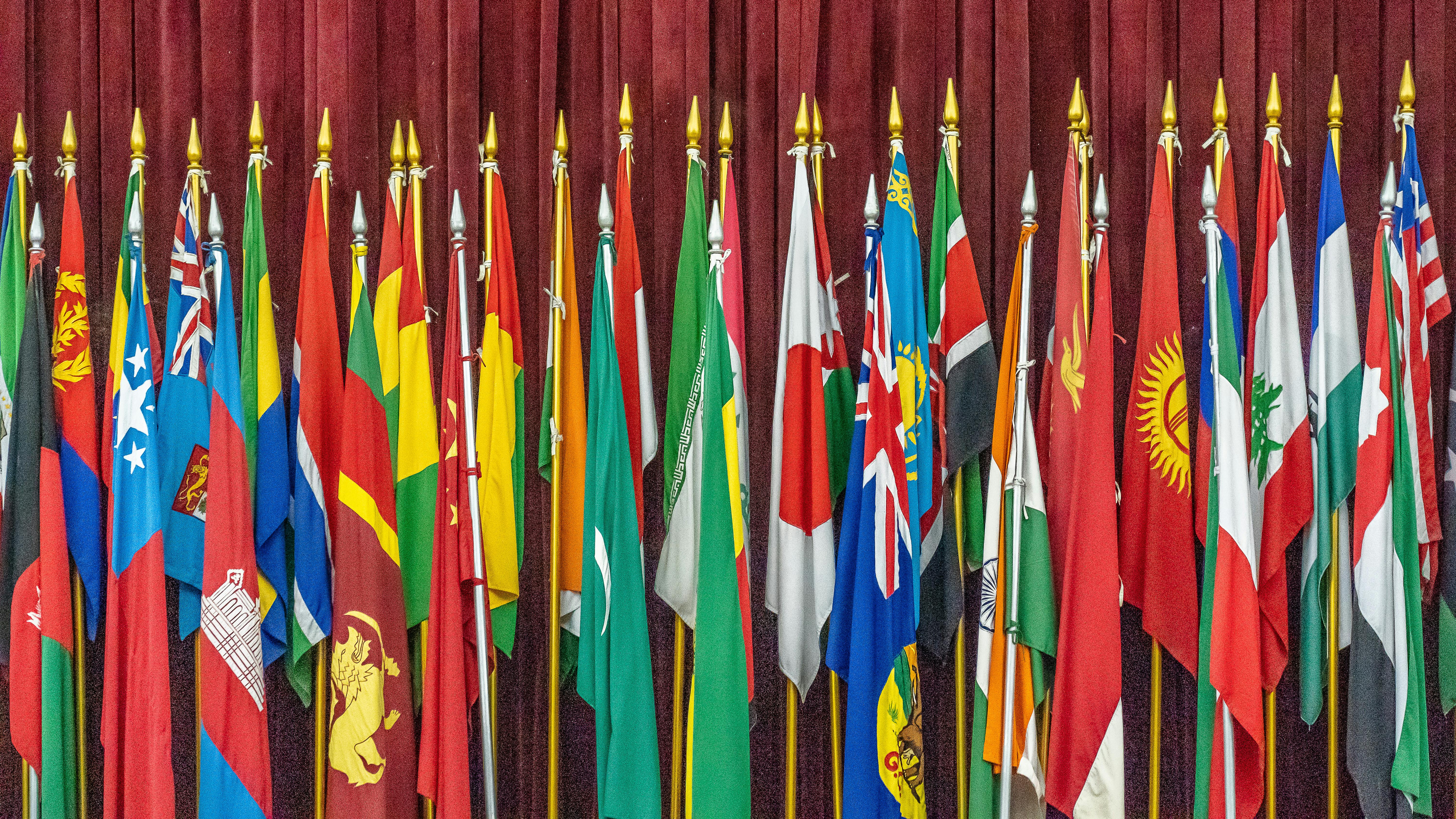
At a time when geopolitical rivalries, economic sanctions, and ideological divisions dominate international discourse, another, quieter form of engagement continues to shape relations between nations—cultural diplomacy. It is not conducted through summits or trade deals but through language programs, art exhibitions, music festivals, film screenings, and academic exchanges. It is the slow, often unseen, work of building empathy, connection, and mutual respect between peoples.
Cultural diplomacy operates in a space that politics often cannot reach. It does not demand agreement but fosters understanding. It is through culture—shared stories, rhythms, aesthetics, and values—that people begin to see each other not as enemies or strangers, but as fellow participants in a global human narrative.
Defining Cultural Diplomacy
Cultural diplomacy refers to the use of cultural exchange to promote national interests and foster international cooperation. Unlike traditional diplomacy, which is rooted in formal negotiations and statecraft, cultural diplomacy works through people-to-people engagement.
Core features include:
- Soft power: Coined by political scientist Joseph Nye, soft power refers to the ability of a country to influence others through attraction and persuasion rather than coercion. Culture is a major component.
- Two-way exchange: Cultural diplomacy emphasizes dialogue rather than dissemination. It values listening as much as showcasing.
- Non-political platforms: It typically operates through institutions like museums, universities, orchestras, and sports teams rather than embassies or military alliances.
While it may serve strategic aims, cultural diplomacy is most effective when it is authentic, inclusive, and collaborative.
A Brief History of Cultural Diplomacy
Cultural diplomacy is not new. Empires, kingdoms, and nation-states have long used cultural symbols and ambassadors to influence others.
Historical precedents:
- Ancient Greece and Rome: Art, theater, and architecture were used to promote imperial values across territories.
- The Silk Road: More than a trade route, it was a corridor for cultural exchange between East and West—spreading ideas, languages, and religious beliefs.
- Colonial exhibitions: Though often exploitative, these events revealed an early understanding of culture as a tool for projecting power and identity.
In the modern era, cultural diplomacy took on new urgency during the 20th century’s ideological battles.
Cold War cultural diplomacy:
- USA: Sponsored jazz tours (e.g., Louis Armstrong), abstract art exhibitions, and educational exchanges to promote freedom and creativity as American values.
- USSR: Sent ballet companies, folk ensembles, and chess masters abroad to demonstrate discipline, heritage, and intellectual strength.
Both superpowers recognized that art could win hearts where political ideology could not.

Cultural Diplomacy Today
In the 21st century, cultural diplomacy has expanded in scope and participation. It is no longer just the domain of superpowers. Middle powers, developing nations, and even cities and NGOs now engage in cultural outreach.
Global trends:
- Nation branding: Countries use culture to shape their international image—think “Cool Japan,” “Incredible India,” or “Korean Wave” (Hallyu).
- City diplomacy: Cultural capitals like Paris, Tokyo, or Nairobi host international arts festivals, film showcases, and design biennales to engage global audiences.
- Diaspora engagement: Nations often support cultural centers abroad that promote language and heritage among expatriates—strengthening identity and transnational ties.
Institutions leading the way:
- British Council (UK): Promotes English language learning and British arts and education worldwide.
- Goethe-Institut (Germany): Focuses on German language and cultural programming in over 90 countries.
- Confucius Institutes (China): Promote Chinese language and culture through academic partnerships, though some have faced criticism over political influence.
- Alliance Française (France): Offers French language and cultural instruction globally, often with a focus on Francophone cooperation.
These institutions act as cultural bridges, often operating independently of high-level diplomacy.
Language as Diplomacy
Language is one of the most powerful tools of cultural diplomacy. It carries not just vocabulary, but worldview, humor, and identity.
Key roles of language programs:
- Creating cultural ambassadors: Students who learn another language often develop empathy and intercultural competence.
- Breaking stereotypes: Through language, people gain access to local media, literature, and lived experiences—going beyond headlines and propaganda.
- Educational exchange: Scholarships, fellowships, and language immersion programs foster long-term people-to-people ties.
Programs like the U.S. Fulbright Scholarship, the UK’s Chevening, and India’s ICCR Scholarships invest in cross-cultural understanding through education.

Film, Music, and the Global Imagination
In the digital age, film and music have emerged as dominant forms of cultural outreach. They carry emotion, narrative, and aesthetics across borders in ways few other mediums can.
Notable movements:
- Korean pop culture (Hallyu): From K-pop to K-dramas, South Korea has built significant soft power, elevating national identity through global youth culture.
- Nollywood (Nigeria): One of the largest film industries in the world, it has reshaped African representation and storytelling in global media.
- Latin music explosion: Reggaeton, bachata, and other genres have made artists like Bad Bunny and Rosalia global icons—exporting linguistic and cultural pride.
Cultural diplomacy through entertainment is rarely about politics directly—but it reshapes perceptions, humanizes nations, and generates dialogue.

While cultural diplomacy has the potential to soften borders and build bridges, it does not operate in a vacuum. Behind the language of exchange and cooperation lie tensions—between soft power and propaganda, inclusion and erasure, celebration and control. Cultural diplomacy, for all its promise, is vulnerable to distortion when used as a tool of dominance rather than dialogue. To understand its limits is to better shape its future.
Soft Power or Strategic Propaganda?
Cultural diplomacy thrives when it is perceived as authentic, reciprocal, and people-centered. But when its motivations are clearly state-driven or one-sided, it risks being dismissed as mere image management.
When diplomacy crosses into propaganda:
- Controlled narratives: State-sponsored cultural programs may focus only on sanitized or flattering aspects of national identity, omitting controversial history or current human rights issues.
- Censorship and gatekeeping: Cultural organizations may avoid politically sensitive topics, especially when operating in authoritarian regimes or under strict funding guidelines.
- Performative inclusion: Some countries showcase minority cultures on the global stage while repressing those same communities at home.
These practices dilute the credibility of cultural diplomacy and can reinforce distrust rather than empathy.
The Question of Authenticity
Authenticity is central to successful cultural diplomacy—but also difficult to define. Whose culture gets represented? Who decides what is “authentic,” and who benefits from it?
Tensions around representation:
- Elite vs. grassroots: Official exhibitions may focus on high art—opera, ballet, classical music—ignoring folk traditions, youth culture, or regional voices.
- Urban bias: Cultural diplomacy often privileges metropolitan narratives, sidelining rural or marginalized perspectives.
- Tourist-friendly narratives: Festivals and cultural shows may flatten cultural practices into entertainment, stripping them of context and meaning.
True cultural diplomacy must move beyond performance into participation—inviting people not just to observe culture, but to engage with it meaningfully.

Power Imbalances in Exchange
Not all nations engage in cultural diplomacy from equal footing. Wealthier and more geopolitically influential countries have far more resources to promote their culture abroad.
Structural inequalities include:
- Institutional reach: The U.S. Department of State, British Council, and Confucius Institutes operate on a scale that smaller or less resourced countries cannot match.
- Media dominance: English-language media, Hollywood films, and Western pop culture often crowd out other narratives—creating asymmetry in cultural influence.
- Cultural dependence: Countries with limited cultural infrastructure may become dependent on foreign programming, undermining their own local arts and languages.
Without equitable exchange, cultural diplomacy can unintentionally reinforce global hierarchies rather than level them.
Politicization and Diplomatic Fallout
Even when cultural diplomacy is apolitical in intent, it can become entangled in political disputes. Cultural events may be canceled, censored, or boycotted due to shifting diplomatic relations or public outcry.
Common disruptions:
- Artist boycotts: Political crises or controversial policies often lead to cultural boycotts—such as artists refusing to perform in countries involved in conflicts or rights violations.
- Funding withdrawals: Governments may defund cultural institutions or exchanges during diplomatic tensions, making culture a casualty of politics.
- Censorship demands: Some nations pressure international organizations to remove critical content or modify exhibitions—raising ethical concerns about independence and integrity.
Cultural diplomacy may strive to transcend politics, but it cannot ignore the terrain in which it operates.
Digital Diplomacy and Online Controversies
The rise of social media has transformed cultural diplomacy—creating both new opportunities and new vulnerabilities. Cultural exchange now unfolds in real-time, with viral consequences.
Digital dilemmas:
- Amplified backlash: A misinterpreted tweet, a controversial performance, or a misstep at a cultural event can provoke international outrage within hours.
- Cultural appropriation debates: Institutions must navigate complex questions about who has the right to perform, reinterpret, or profit from cultural practices.
- Trolling and misinformation: State-backed or informal campaigns sometimes target cultural diplomacy efforts, spreading disinformation or attacking public figures.
In the digital age, diplomacy is not only between states—it’s between users, influencers, and online communities with their own politics and ethics.
Inclusivity and Intersectionality
Effective cultural diplomacy must grapple with who is included and who is left out. Too often, marginalized communities are either tokenized or erased from national narratives.
Inclusion challenges:
- Gender dynamics: Cultural diplomacy programs often highlight male-dominated art forms or leadership, excluding women creators and organizers.
- Racial and ethnic diversity: In multicultural nations, minority cultures may be underrepresented in international showcases—or included only in folkloric, non-contemporary forms.
- Queer visibility: LGBTQ+ cultural expressions remain controversial or prohibited in many contexts, yet excluding them limits authenticity and relevance.
Intersectional cultural diplomacy recognizes that nations are not monolithic—and that cultural richness lies in their complexity.
Resistance from Within
Not all cultural figures support the goals or methods of cultural diplomacy. Artists, musicians, and scholars may resist being used as state representatives—especially if they disagree with national policy.
Forms of resistance:
- Refusal to represent: Creators may opt out of cultural diplomacy initiatives, citing ethical or political concerns.
- Counter-narratives: Artists sometimes use cultural diplomacy platforms to critique their own governments—turning soft power into soft protest.
- Independent diplomacy: Civil society, diasporas, and grassroots networks increasingly organize their own exchanges outside of state control.
This resistance is not a threat to cultural diplomacy—it is part of its vitality. It reminds us that cultural expression is not a commodity; it is a conversation.
Despite its challenges, cultural diplomacy is evolving. In a world marked by inequality, displacement, and climate anxiety, new models of cultural diplomacy are emerging—ones that are participatory, decentralized, and often led by artists, activists, and youth. These forms do not replace traditional diplomacy but reimagine it—bringing empathy, creativity, and justice to the center of international engagement.
Decolonizing Cultural Diplomacy
A growing number of artists, scholars, and diplomats are calling for a rethinking of cultural diplomacy’s foundations. For too long, cultural diplomacy has been shaped by colonial histories, Eurocentric values, and power imbalances that leave out Indigenous, Afro-descendant, and marginalized voices.
What decolonized diplomacy looks like:
- Restitution and repatriation: Museums and cultural institutions are returning looted artifacts to their countries of origin—such as the return of Benin Bronzes from the UK and Germany to Nigeria.
- Indigenous-led initiatives: First Nations in Canada and Aboriginal communities in Australia are leading their own cultural exchanges, placing Indigenous knowledge at the heart of global discourse.
- Language revival as diplomacy: Countries like New Zealand support the global visibility of te reo Māori through cultural festivals, digital campaigns, and international partnerships.
By shifting the narrative from “showcasing” to “sharing,” decolonized diplomacy fosters genuine mutual respect.
Youth as Cultural Ambassadors
Young people today are not waiting to be appointed as cultural envoys—they are taking on the role themselves. Through digital activism, arts collectives, and global forums, youth are shaping cultural diplomacy from the ground up.
How youth are leading:
- Virtual cultural exchanges: Platforms like AFS Intercultural Programs and Soliya connect students from different regions through dialogue-based learning and digital storytelling.
🔗 https://afs.org/ | https://www.soliya.net/ - Youth cultural diplomacy summits: Events such as the UNESCO Youth Forum invite young leaders to shape cultural policy and promote intercultural understanding.
🔗 https://en.unesco.org/youth - Creative collectives: From spoken word poetry groups in Nairobi to digital zine communities in Manila, youth are documenting culture in ways that transcend borders and traditional formats.
These efforts redefine diplomacy—not as an elite activity, but as a collaborative, creative practice rooted in lived experience.

Climate and Culture: A New Frontier
As climate change accelerates, cultural diplomacy is increasingly intertwined with environmental justice. Artists, storytellers, and Indigenous knowledge keepers are now central to climate diplomacy.
Cultural responses to the climate crisis:
- Climate storytelling: Initiatives like Climate Story Lab support filmmakers and artists using narrative to shift public perception and policy on climate change.
🔗 https://climatestorylab.org/ - Indigenous ecological diplomacy: Communities across the Amazon, Arctic, and Pacific Islands share traditional ecological knowledge at global climate summits, asserting the value of oral and land-based epistemologies.
- Art as protest and policy: Performances, murals, and music festivals—such as We Love Green in Paris—serve as platforms for both artistic expression and sustainability education.
Cultural diplomacy can bring climate issues closer to the heart, making abstract data feel urgent and personal.
Digital Platforms as Diplomatic Spaces
The internet has democratized cultural diplomacy. Creators and communities can now engage globally without going through embassies or institutions.
Examples of digital diplomacy in action:
- YouTube diplomacy: Creators like Nas Daily and Dear Alyne use storytelling to promote intercultural understanding, showcasing traditions, challenges, and innovations from around the world.
- Podcasting: Shows like The Cultural Frontline (BBC) and Afropop Worldwide explore how music, literature, and art shape identity and global dialogue.
| https://afropop.org/ - Virtual museums and exhibits: Projects like Google Arts & Culture allow users to explore cultural heritage sites, traditional crafts, and global artworks from anywhere.
🔗 https://artsandculture.google.com/
These platforms enable a wider, more informal form of diplomacy—accessible, personal, and unfiltered.
Collaborative Artistic Projects
Art remains one of the most effective vehicles for cross-cultural connection. Increasingly, institutions are funding and supporting international co-productions that foster dialogue through shared creation.
Successful models:
- Art Biennales and cultural festivals: Events like the Venice Biennale, FESPACO (Pan-African Film Festival in Burkina Faso), and Edinburgh International Festival bring together global creators for collaboration and exchange.
- Residency programs: Initiatives like Cité Internationale des Arts in Paris and Pro Helvetia (Switzerland) fund residencies that allow artists to immerse themselves in other cultures and co-create across disciplines.
- Cross-border performance troupes: Dance, theater, and music groups increasingly form international teams that tour together—modeling cooperation, shared language, and cultural synthesis.
Such collaborations allow artists to move beyond cultural display and into shared meaning-making.

The Role of Cities and Local Governments
While nation-states have traditionally led cultural diplomacy, cities are now playing a larger role. Urban cultural networks promote cross-border cooperation through municipal art programs, sister city relationships, and migrant inclusion initiatives.
Leading examples:
- UCLG Committee on Culture: Brings together cities from around the world to share policies and practices related to culture and sustainable development.
🔗 https://www.agenda21culture.net/ - World Cities Culture Forum: Enables cities like Tokyo, London, Lagos, and São Paulo to exchange ideas on how culture can address urban challenges.
🔗 https://www.worldcitiescultureforum.com/ - Sister Cities International: Encourages cultural and educational exchanges between paired cities to build people-to-people diplomacy.
🔗 https://sistercities.org/
City-level diplomacy is often more agile, community-driven, and focused on lived realities—making it uniquely impactful.
Conclusion
Cultural diplomacy is no longer confined to concert halls and language institutes. It is unfolding in refugee camps, poetry slams, virtual forums, and classrooms. It is led by youth, artists, Indigenous leaders, and communities who understand that connection is not made through spectacle, but through shared experience.
To build bridges between nations today is to embrace the plurality of culture—not as something to market, but something to protect, respect, and celebrate. As borders harden and politics polarize, cultural diplomacy remains a lifeline to one another—reminding us that our humanity is not a threat, but a gift.
Verified Links and Resources
- AFS Intercultural Programs: https://afs.org/
- Soliya Virtual Exchange: https://www.soliya.net/
- UNESCO Youth Forum: https://en.unesco.org/youth
- Climate Story Lab: https://climatestorylab.org/
- Google Arts & Culture: https://artsandculture.google.com/
- Cité Internationale des Arts (Paris): https://www.citedesartsparis.net/en/
- Pro Helvetia Arts Exchange: https://prohelvetia.ch/en/
- UCLG Culture Committee: https://www.agenda21culture.net/
- World Cities Culture Forum: https://www.worldcitiescultureforum.com/
- Sister Cities International: https://sistercities.org/
About The Author


[…] Schippert’s story is a powerful reminder of the transformative potential of cultural diplomacy and the enduring impact of visionary leadership.His legacy continues to inspire artists, […]