
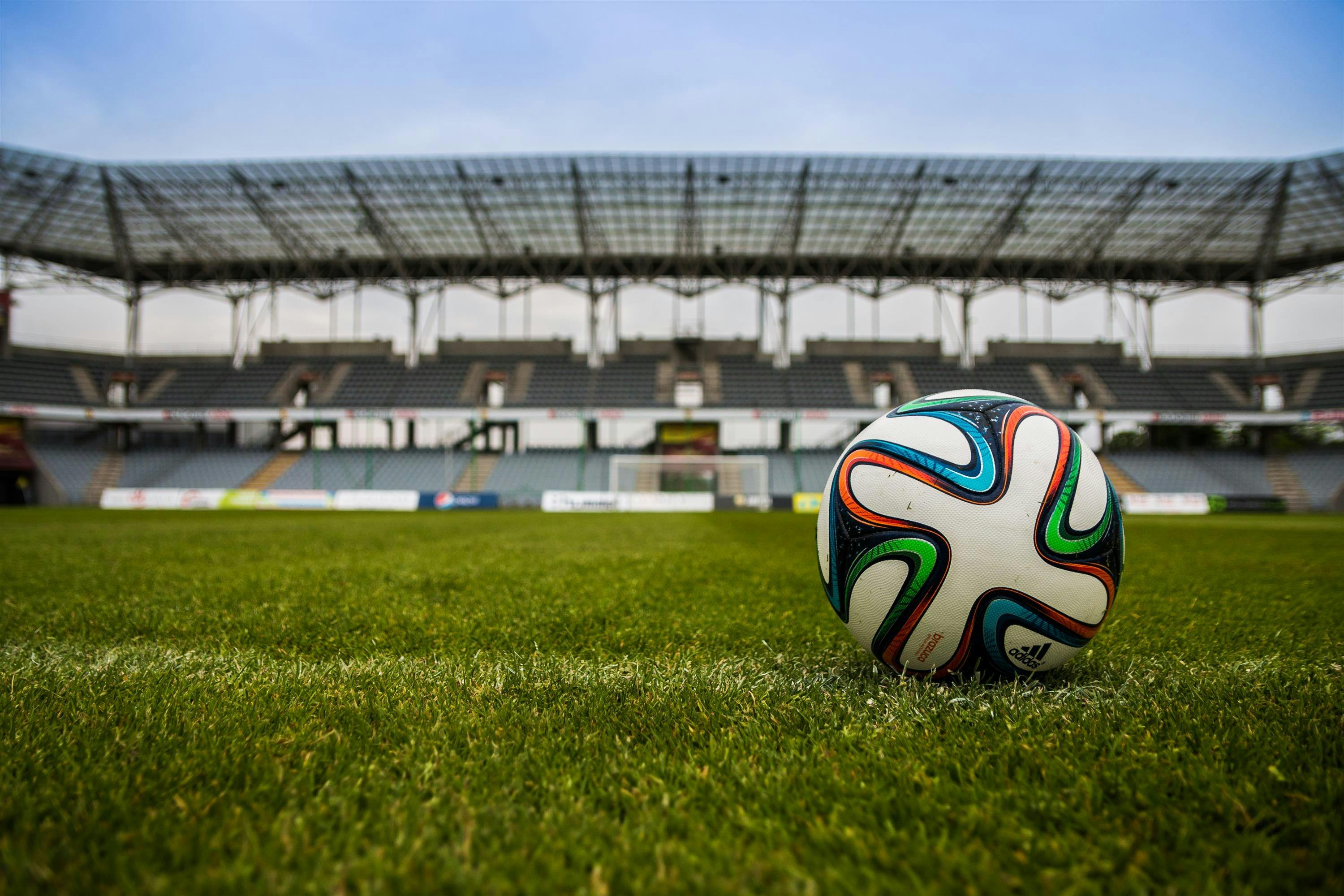
In a world increasingly shaped by political polarization, social fragmentation, and cultural misunderstanding, sports remain one of the few arenas where people gather not to debate—but to cheer. From village dirt fields to billion-dollar stadiums, sports are more than games. They are rituals, languages, and stages where identity, belonging, and hope are enacted in real time.
While different cultures play different sports, the emotional grammar is universal: pride in the team, heartbreak in defeat, and the thrill of unpredictable triumph. For a few hours, people who may share little else—language, religion, class, or political opinion—become united by a single ball, race, or match.
This first section examines the foundational ways in which sports unify communities, nations, and even rival cultures across time and geography.
The Roots of Collective Identity
Sports have long been tied to cultural identity. In many traditional societies, physical contests were embedded in religious ceremonies, harvest celebrations, or rites of passage. Over time, these contests evolved into formal games, retaining their communal significance.
Examples of traditional sports as social glue:
- Māori haka and rugby (New Zealand): The haka, a traditional war dance, has become a pre-game ritual for the New Zealand All Blacks rugby team, merging Indigenous pride with national sports culture.
- Capoeira (Brazil): What began as a form of resistance among enslaved Africans has evolved into a globally respected martial art, dance, and sport that carries cultural memory and unity.
- Wrestling in Senegal (Laamb): Combines sport, performance, and spirituality—bringing together entire communities in rituals of strength and pride.
These examples show how sports are rooted in local customs but evolve into symbols of collective identity. They are not mere competitions—they are cultural expressions in motion.

National Pride and Global Spectacle
Few phenomena match the power of international sports events in producing national unity. The Olympics, the FIFA World Cup, and the Cricket World Cup are not just athletic contests—they are geopolitical stages where nations assert identity, dignity, and cohesion.
Key unifying aspects:
- Flags and anthems: These symbols take on heightened emotional weight during international events, creating powerful moments of shared patriotism.
- Underdog victories: When small or marginalized nations succeed on the world stage—like Iceland’s run in Euro 2016 or Jamaica’s bobsled team in the Winter Olympics—they unify populations across lines of class or politics.
- Diaspora pride: Immigrant communities often rally around their homeland teams, reinforcing bonds of cultural identity even in foreign lands.
International tournaments often serve as the rare occasions when national pride and global community coexist—uniting people at home and abroad in real-time emotion.

Local Rivalries, Shared Belonging
While global events dominate headlines, much of the unifying power of sports is experienced at the local level. Neighborhood clubs, high school teams, and amateur leagues foster everyday connection and civic pride.
Local unity in action:
- School sports: Often the first space where children experience team identity, shared purpose, and community support.
- Community tournaments: From cricket leagues in South Asian neighborhoods to weekend football in African townships, these events foster intergenerational and cross-class bonding.
- Club loyalty: In cities like Buenos Aires, Manchester, or Istanbul, local football clubs form the emotional heartbeat of entire communities.
These shared loyalties become cultural shorthand—defining identity through scarves, chants, and childhood memories.

Sports as a Bridge Across Cultural Divides
In multicultural societies and conflict zones alike, sports have served as neutral ground—a space where difference takes a backseat to shared experience.
Examples of sports building bridges:
- Post-apartheid South Africa: The 1995 Rugby World Cup, hosted and won by South Africa, became a defining moment of unity. Nelson Mandela’s public support for the majority-white Springboks team symbolized reconciliation.
- Football for Peace programs: In Israel-Palestine and Northern Ireland, youth sports leagues bring together children from divided communities to foster empathy and understanding.
- Refugee teams in the Olympics: Since 2016, the International Olympic Committee has supported refugee athletes under one banner—offering displaced people a symbol of resilience and belonging.
While not a panacea for deep-rooted divisions, sports can create moments of empathy and common ground otherwise hard to achieve.
The Power of Ritual and Repetition
Part of what makes sports unifying is their rhythm. Weekly matches, seasonal tournaments, and annual events create predictable cycles in which community is performed and reaffirmed.
The emotional architecture:
- Pregame rituals: Whether it’s lighting incense before a match or singing a team anthem, repeated behaviors become cultural rituals.
- Fan traditions: Supporters create their own culture—chants, hand signs, victory dances—that pass through generations.
- Shared disappointment and joy: Losses hurt more when felt together, and wins taste sweeter in crowds.
In a time of digital overload and fragmented attention, the predictability and emotional clarity of sports offer grounding. They help people mark time—not just by the clock, but by the heart.
Athletes as Cultural Ambassadors
Star athletes often transcend sports to become symbols of national or cultural pride. Their personal journeys—especially those who come from humble beginnings or represent minority communities—resonate deeply.
Examples:
- Usain Bolt (Jamaica): His global dominance in sprinting brought renewed pride and attention to Jamaican identity and athletic tradition.
- Megan Rapinoe (USA): A vocal advocate for LGBTQ+ rights and equal pay, Rapinoe has used her platform to unify and mobilize across causes.
- Manny Pacquiao (Philippines): Revered not just for his boxing prowess but as a unifying figure across regional and class divides.
When athletes represent something larger than themselves, their victories become communal milestones.
While sports can inspire powerful moments of unity, they also reflect the contradictions and inequalities of the societies that produce them. Just as they bring people together, they can also divide—by race, gender, class, or ideology. Beneath the chants and celebrations lie unresolved questions about who gets to play, who gets to lead, and whose stories are told. In this section, we examine the challenges that threaten the unifying promise of sports and the movements working to reclaim it.
Nationalism and Its Discontents
International sporting events can galvanize pride, but they can also intensify nationalist sentiment. When patriotism crosses into xenophobia or political propaganda, the spirit of friendly competition is replaced by cultural aggression.
Issues that arise:
- Political exploitation: Governments may use sports victories to deflect criticism or consolidate power, framing athletic triumphs as evidence of national superiority.
- Fan violence and antagonism: In some countries, international matches lead to riots or online harassment campaigns directed at players or fans from rival nations.
- Cultural stereotyping: Media narratives often reduce teams or athletes to simplistic national clichés—undermining diversity and nuance.
Sport can become a mirror that reflects the darker instincts of nationalism if not accompanied by ethical engagement and intercultural respect.
Commercialization and Corporate Interests
Modern sports are deeply entangled with capital. The line between sport and business has blurred, raising questions about authenticity, access, and equity.
Impact of commercialization:
- Ticket pricing and elitism: Major events are increasingly priced out of reach for working-class fans—those who once formed the emotional backbone of stadium culture.
- Sponsorship ethics: Corporations with questionable records on labor or human rights often dominate sports sponsorships—turning stadiums and athletes into billboards.
- Over-scheduling and burnout: Driven by broadcast rights and profit motives, leagues often overextend seasons, affecting athlete health and game quality.
While commercialization has expanded sports’ global reach, it can also dilute local culture and exclude the very communities that made the game meaningful.

Gender Inequality in Sports
Despite progress, the gender gap in sports remains glaring. From pay disparity to media coverage and facilities, women and nonbinary athletes face systemic barriers at nearly every level.
Key areas of inequality:
- Pay and recognition: Even at the elite level, women often earn a fraction of their male counterparts’ salaries, regardless of performance.
- Media coverage: A 2021 study found that women’s sports receive less than 10% of total sports media coverage globally.
- Access and safety: In many parts of the world, girls face social stigma, inadequate facilities, or even physical danger for participating in sports.
Initiatives like #EqualPay, the Women’s Sports Foundation, and Olympic reforms are pushing for parity, but progress remains uneven and contested.
Racial Injustice and Representation
Sport can be a platform for racial pride, but also a site of exclusion and discrimination. Racism persists in coaching decisions, fan behavior, and institutional structures.
Manifestations of racial inequality:
- Coaching and leadership: While many teams are racially diverse on the field, their leadership and ownership structures remain overwhelmingly white in many countries.
- Fan racism: Black and brown athletes regularly face abuse—both in stadiums and on social media—especially after poor performances.
- Unequal discipline: Racially marginalized athletes are often punished more harshly for expressions of protest or frustration.
Athletes like Colin Kaepernick, Marcus Rashford, and Naomi Osaka have used their platforms to confront racial injustice, but doing so often invites backlash.
The Politics of Protest in Sports
Sport has long been political, despite attempts to separate “games from issues.” From the 1968 Black Power salute to the modern “Take a Knee” movement, athletes have risked careers to speak truth to power.
The role of athlete activism:
- Visibility: Athletes reach audiences that politicians and activists often cannot—making their actions powerful catalysts for conversation.
- Solidarity and backlash: Protest in sports can inspire solidarity across borders but also provoke nationalist backlash, job loss, or public condemnation.
- Normalization of dissent: Each act of protest lays the groundwork for future athletes to speak out without fear.
Sporting arenas are among the few global platforms where a single gesture—a kneel, a shirt, a silence—can be seen and interpreted across cultures.
Accessibility and Economic Inequality

For all its image of meritocracy, sport remains deeply stratified by class. Economic barriers shape who can play, how far they go, and what resources they have access to.
Barriers to entry:
- Equipment and fees: Many sports require costly gear, club fees, or travel—excluding low-income youth.
- Public facilities: In underfunded regions, the absence of safe playing fields and sports infrastructure hinders participation.
- Talent scouting: Networks of visibility—tournaments, media, scouts—often favor urban or elite school systems.
Grassroots sports programs, NGO-backed leagues, and pay-it-forward coaching models are helping to level the playing field—but scale remains a challenge.
Globalization and the Erosion of Local Identity
Global sports leagues and franchises are now household names across the world—but their rise has sometimes come at the expense of local traditions and community-centered sports.
What gets lost:
- Local leagues: Youth attention and sponsorship often gravitate toward global teams, weakening support for neighborhood clubs.
- Cultural homogenization: Football chants, celebrations, or kits often imitate international trends rather than expressing local flair.
- Language loss: In regions where sports commentary and culture are delivered only in global languages (often English), indigenous or minority languages can be sidelined.
Yet, some communities are reclaiming space through culturally grounded leagues, bilingual commentary, and fan-owned clubs that prioritize local heritage.
Sport for Development and Peace
One of the most impactful uses of sports today is in peacebuilding and community rehabilitation. The United Nations formally recognizes sport as a vehicle for peace, inclusion, and sustainable development.
Examples of sport in peacebuilding:
- PeacePlayers International: Operates in conflict zones such as Northern Ireland, South Africa, and the Middle East, using basketball to unite youth across racial and religious divides.
🔗 https://peaceplayers.org/ - Football for Peace: A UK-based NGO that uses football diplomacy to foster dialogue in divided communities and between nations.
🔗 https://footballforpeaceglobal.org/ - UNOSDP (United Nations Office on Sport for Development and Peace): Promotes the use of sport in achieving the Sustainable Development Goals (SDGs). Although closed in 2017, its legacy continues through partnerships and the International Platform on Sport and Development.
🔗 https://www.sportanddev.org/
In these contexts, the rules of the game become metaphors for dialogue, respect, and coexistence.
Sports in Education and Youth Empowerment
Sports play a critical role in shaping young people’s values, skills, and sense of agency. Schools, community centers, and nonprofits increasingly integrate sports into educational programming—not just for physical health, but for social and emotional development.
Key benefits:
- Teamwork and leadership: Sports teach cooperation, strategic thinking, and collective problem-solving.
- Confidence and resilience: Competing, failing, and trying again help youth develop emotional stamina.
- Academic motivation: Studies show that youth who participate in school sports are more likely to stay in school and pursue higher education.
Programs like Right to Play use sport-based learning to address inequality and improve education in over 15 countries, particularly in refugee and post-conflict settings.
🔗 https://righttoplay.com/

Healing and Rehabilitation Through Sports
In post-trauma or marginalized settings, sports can offer a therapeutic outlet. The rhythm of training, the bond with teammates, and the sense of accomplishment can aid emotional recovery and social reintegration.
Populations benefitting from sport-based healing:
- Survivors of war and displacement: Organizations like Spirit of Soccer use football therapy in landmine-affected regions to support youth mental health.
🔗 https://www.spiritofsoccer.org/ - People with disabilities: The Paralympic Games and community adaptive sports programs empower individuals to overcome stigma and build independence.
- Formerly incarcerated youth: Restorative sports programs help participants build trust, discipline, and pathways back into society.
These initiatives highlight that sport is not a luxury—it is often a necessity for human connection and emotional renewal.
Diplomacy on the Field: Sports and International Relations
Sports diplomacy has become an increasingly formalized strategy for easing international tensions. Through friendly matches, joint teams, or shared training, countries engage in “soft power” exchanges that build trust without political confrontation.
Historic and contemporary examples:
- Ping Pong Diplomacy (1971): Table tennis matches between U.S. and Chinese athletes helped thaw Cold War relations and paved the way for President Nixon’s visit to China.
- Unified Korean teams: North and South Korean athletes have marched together at Olympic ceremonies and competed on joint teams, symbolizing a hope for reconciliation.
- The FIFA World Cup as soft diplomacy: Host nations use the event to showcase national pride, modern infrastructure, and hospitality—often shifting global perceptions.
While symbolic, these moments underscore how shared sport can open doors that politics cannot.
Grassroots Movements and Local Impact
At the community level, grassroots sports initiatives continue to build bridges and address social gaps. Often underfunded and volunteer-driven, these programs are powerful in their ability to reflect and respond to local needs.
Examples of community impact:
- Streetfootballworld: Connects over 130 grassroots organizations worldwide that use football for social change—from gender equality in India to gang prevention in Colombia.
🔗 https://www.streetfootballworld.org/ - Skateistan: A non-profit that combines skateboarding with education for youth—especially girls—in Afghanistan, Cambodia, and South Africa.
🔗 https://www.skateistan.org/ - Basketball Without Borders: An NBA and FIBA initiative that nurtures talent and fosters cross-cultural friendships in underserved regions.
🔗 https://nbaacademy.nba.com/basketball-without-borders/
Grassroots sports remind us that unity is not always global—it often starts with a ball and a neighborhood street.
Digital Spaces and Inclusive Fandom
In the age of social media, sports communities are no longer confined to stadiums. Online spaces allow fans to share emotion, organize support, and challenge exclusionary norms.
Digital sport culture fosters:
- Cross-border dialogue: Fans from different nations interact through comment threads, fantasy leagues, and livestreams.
- Social accountability: Online movements have held leagues and players accountable for racism, sexism, and corruption.
- Inclusive representation: LGBTQ+ fan groups, such as Proud Canaries (UK) and Rainbow Blades, have gained visibility, pushing for inclusive stadiums and respectful discourse.
These evolving spaces show how sports culture continues to be reshaped by people pushing for equity, even from their phones.
Conclusion
Sports are not neutral. They reflect the societies that play them—carrying all the contradictions, aspirations, and injustices we live with. But within the whistle’s blow, the line drawn, or the final buzzer, they also offer a vision of something else: unity through motion, resilience through loss, and humanity through shared joy.
Whether on dusty fields, Olympic podiums, or digital screens, sports continue to teach us how to belong—not by erasing difference, but by making room for it. If we listen to what the game says, we might learn how to live better, together.
Further Reading and Verified Resources
- PeacePlayers International: https://peaceplayers.org/
- Right to Play: https://righttoplay.com/
- Spirit of Soccer: https://www.spiritofsoccer.org/
- Streetfootballworld: https://www.streetfootballworld.org/
- Skateistan: https://www.skateistan.org/
- Sport and Development Platform (formerly UNOSDP): https://www.sportanddev.org/
- Football for Peace: https://footballforpeaceglobal.org/
About The Author


