
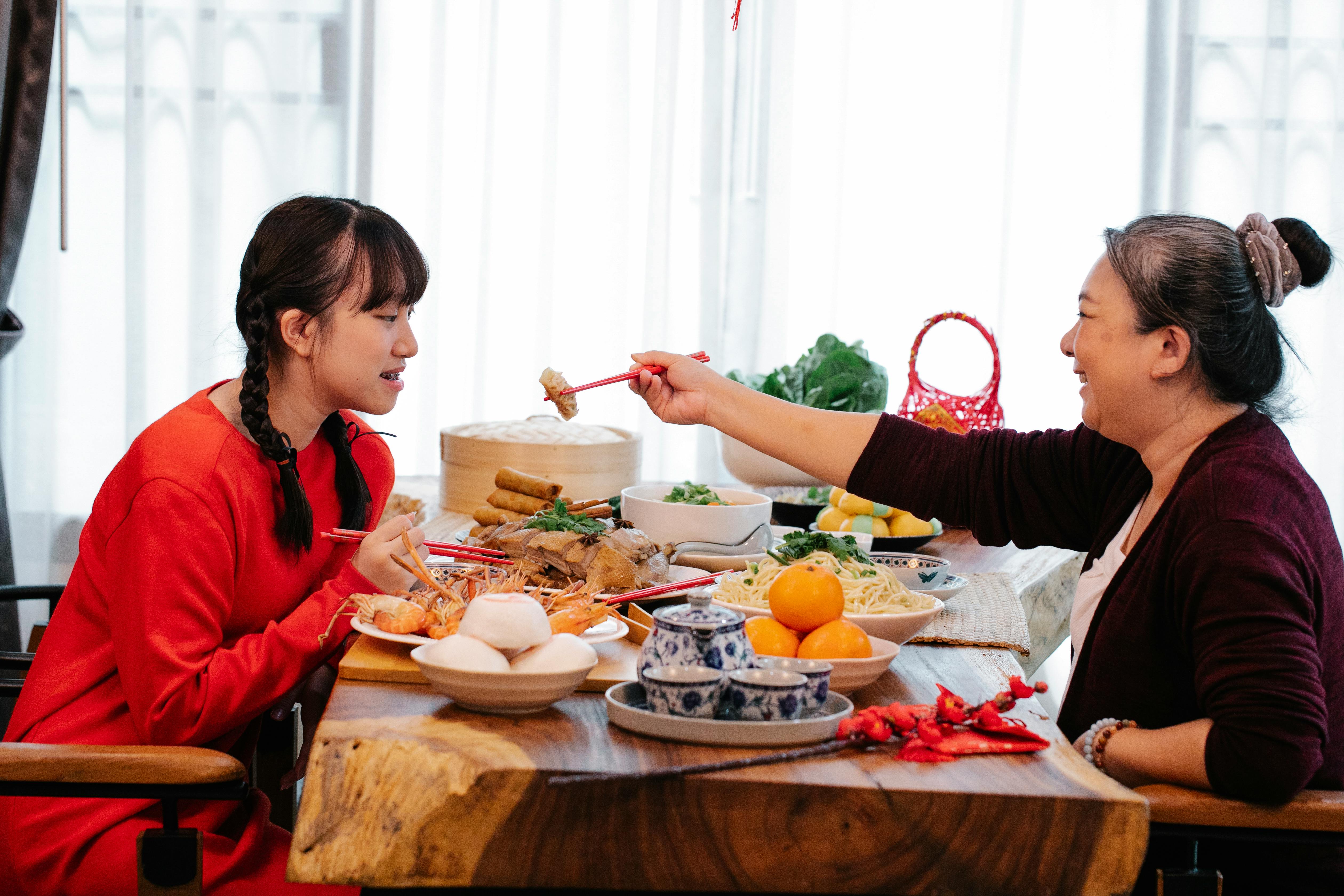
The Culture, Memory, and Meaning Behind Every Bite
Food is never just food. A meal is a story, a memory, a ritual, a resistance. The spices we reach for, the way we stir, serve, or eat—all of it says something about who we are, where we come from, and what we carry forward. Across continents and generations, culinary traditions do more than feed bodies. They nourish identities.
In an age of globalized fast food and algorithm-driven “what to eat tonight” suggestions, the need to protect and celebrate culinary heritage is more urgent than ever. Because when a recipe vanishes, so does a worldview.

The Kitchen as Cultural Archive
Our ancestors may not have had textbooks, but they had kitchens. Recipes were passed down not by writing, but by watching—grandparents measuring by feel, parents correcting seasoning by instinct, children learning by smell and sound.
Each region has its own culinary grammar:
- In West Africa, pounding yam is both labor and ritual.
- In Mexico, making mole can take over a day, involving multiple generations and dozens of ingredients.
- In Vietnam, balancing sweet, salty, sour, and spicy is not just taste—it’s philosophy.
In every case, food becomes a cultural code. To learn the cuisine is to learn the people.
More Than Ingredients: Culinary Memory and Identity
Culinary traditions are deeply personal. A dish often represents not only a place, but a moment—the first Eid after migration, a grandmother’s wedding recipe, the rice and lentils made when the power went out.
For diasporic communities, food is memory you can hold:
- For Armenians, lavash and stuffed grape leaves evoke a homeland many have never visited.
- For Palestinians, maqluba (“upside-down rice”) is a symbol of rootedness despite displacement.
- For African Americans, soul food isn’t just comfort—it’s cultural resistance and survival, born from scarcity and transformed into abundance.
In these cases, food is archive and altar—a way to remember what was lost and reclaim what is ours.

The Language of Food: Stories, Songs, and Symbols
Many recipes come with more than instructions—they come with stories.
- In the Philippines, pancit (noodles) is served at birthdays to symbolize long life.
- In Jewish households, challah is braided not just for beauty, but to represent unity and interconnectedness.
- In Korea, tteokguk (rice cake soup) is eaten on Lunar New Year to mark aging—a spiritual as well as physical transformation.
These symbolic layers turn meals into rituals. Even a simple cup of tea can be sacred when shared intentionally. Across cultures, certain dishes are cooked not just to eat, but to remember, to honor, and to heal.
Culinary Traditions as Resistance
Colonialism, migration, slavery, and war have tried to erase many culinary traditions. But in countless cases, food has become a form of resistance.
- Enslaved Africans in the Americas created entire cuisines—like gumbo and callaloo—from leftover parts and local adaptations.
- Indigenous communities across the world are reviving traditional diets that were banned, forgotten, or industrialized out of reach.
- Refugees and immigrants often maintain culinary customs even when everything else is stripped away.
To cook in one’s language, with ancestral ingredients and techniques, is to say: We are still here. Food becomes proof of survival.
Culinary Knowledge as Intangible Heritage
UNESCO recognizes many foodways as Intangible Cultural Heritage of Humanity, acknowledging that dishes are not just consumables, but cultural treasures.
Examples include:
- The Mediterranean diet, which encompasses not just ingredients, but social practices, rituals, and seasonal knowledge.
- Kimjang, the Korean tradition of making kimchi in communal batches, connecting neighborhoods and generations.
- Washoku, the Japanese approach to seasonal, balanced meals and respectful dining rituals.
These recognitions matter because they emphasize that culinary knowledge is intellectual labor, often preserved by women, elders, and marginalized communities.
The Problem of Culinary Appropriation
In today’s culinary world, fusion is fashionable. But when traditional dishes are repackaged by outsiders—especially without context, credit, or respect—it becomes culinary appropriation.
Examples of this include:
- High-end restaurants profiting off dishes like biryani, pho, or jerk chicken while ignoring the cultures they come from.
- Media praising white chefs for “discovering” or “elevating” cuisines that immigrants have cooked for centuries.
- Dishes being stripped of their original names, spices, or stories to appeal to mainstream markets.
What gets lost here isn’t just flavor—it’s agency. Culinary traditions deserve not only to be celebrated, but protected.

Globalization and the Risk of Erasure
Fast food chains, industrial agriculture, and monoculture have all contributed to the erosion of local food systems. When ingredients are standardized and flavor is dictated by shelf-life or mass appeal, culinary diversity suffers.
- Traditional grains like millet or teff are replaced by wheat and corn.
- Heritage vegetables and spices disappear from markets.
- Young people grow up recognizing brand logos more than ancestral recipes.
In this context, to cook a dish as it was meant to be cooked is to act politically. Culinary traditions are not nostalgic—they are living systems of knowledge under threat.
Culinary traditions are more than recipes. They are records of who we are, where we come from, what we have endured, and what we still cherish. They connect us to our ancestors, our neighbors, and our land. And in every bite, they ask us to remember.
Adapting Tradition in a Changing World
Culinary traditions are not fixed. Like language or dress, food customs evolve—especially under pressure. Immigration, exile, war, and economic necessity have pushed millions to leave home and rebuild identity in unfamiliar places. In these new settings, food becomes a tether to memory, but also a space for reinvention.
Immigrants often adapt recipes using whatever ingredients are available:
- Puerto Rican migrants in New York added cheddar to pastelón when queso blanco was scarce.
- Ethiopian families in Canada blend berbere with local produce, creating hybrid stews that still evoke home.
- Chinese-American cuisine invented dishes like General Tso’s chicken—a cultural adaptation born in diaspora kitchens, not imperial courts.
These evolutions aren’t dilutions. They are testimonies to resilience—the ability to preserve spirit when form must change.
Home in a Lunchbox: Food and Belonging
For second- and third-generation children, culinary traditions often become the first introduction to heritage. A lunchbox with fermented cabbage, injera, or plantain chips might prompt questions—or teasing—but it also offers pride.
Across school cafeterias and workplace kitchens, food becomes a portable homeland. It speaks when language barriers do not. It comforts when assimilation feels disorienting. And it anchors identity when other cultural markers—clothing, accent, religious rituals—are lost or diluted.
Many young people who once felt embarrassed by their traditional meals now reclaim them through food blogs, recipe zines, pop-ups, or TikTok tutorials. What was once hidden is now spotlighted—and celebrated.

Culinary Traditions in Ceremony and Transition
Every culture marks its most sacred transitions with food. Birth, coming of age, marriage, mourning—all are accompanied by specific dishes that carry meaning far beyond nutrition.
- In Nigeria, jollof rice is a wedding staple—a symbol of abundance and community.
- In Jewish shiva rituals, mourners are fed round foods like bagels and eggs, signifying the cyclical nature of life.
- In Japan, osechi ryori—elaborate New Year’s dishes—are arranged with symbolic colors and ingredients, each signifying wishes for luck, health, and prosperity.
These meals are never arbitrary. They are choreographed acts of cultural memory. The ingredients, colors, and timing speak with ancestral precision.
Food Sovereignty and the Right to Tradition
As climate change, industrial agriculture, and urban sprawl alter our landscapes, many communities are fighting not only to eat—but to eat their way.
Food sovereignty is the right of people to define their own food systems. It includes:
- Choosing traditional seeds over genetically modified ones
- Eating local, seasonal foods instead of global monocrops
- Passing down farming, fishing, and foraging knowledge
- Rejecting imported food systems that erase local ones
For Indigenous communities, food sovereignty also means land sovereignty. Reclaiming access to rivers, forests, and soil isn’t just about nutrition—it’s about reestablishing cosmology, ceremony, and self-determination.
In this context, culinary traditions become acts of reclamation. To gather seaweed or harvest maize as ancestors did is to assert that colonial disruption has not won.
Culinary Traditions and Healing
In recent years, food has reentered the healing conversation. Not only in terms of health and nutrition, but also cultural and emotional well-being.
For many trauma survivors—refugees, descendants of enslaved people, or children of war—cooking ancestral dishes becomes a way to reclaim joy. The smells, sounds, and textures offer familiarity when language, geography, or even identity feel broken.
Therapists and community organizers have begun incorporating food storytelling into group work. Sharing the recipe for a grandmother’s stew becomes a gateway to grief, resilience, and connection.
Food is a sensory archive. It remembers what the body forgets. In times of rupture, cooking becomes not just survival, but healing.

Culinary Traditions as Art and Protest
In today’s food world, chefs, farmers, and home cooks are reclaiming tradition not only in kitchens, but also on stage, screen, and street.
- Pop-up restaurants revive recipes banned under colonization.
- Community cookbooks center elders as artists, not just keepers.
- Urban farms teach youth to grow Indigenous crops, rejecting supermarket dependency.
- Art installations explore recipes as storytelling, weaving together identity, ecology, and migration.
In all of these, food becomes political theater. Each plate tells a story about history, land, power, and resistance.
When Tradition Meets Technology
Culinary traditions are entering new territory through digital tools. Social media platforms, YouTube channels, podcasts, and newsletters have become cultural kitchens where recipes are traded, reinterpreted, and archived.
- Young creators film their parents cooking to preserve knowledge before it’s lost.
- Language-learning apps include food vocabulary for cultural immersion.
- Online archives document endangered recipes with stories from grandmothers and farmers.
Rather than diluting tradition, technology can amplify it—especially when storytelling remains community-led and ethically grounded.
Closing Reflection
Culinary traditions carry more than flavor—they carry the texture of memory, the taste of survival, and the scent of home. They adapt, migrate, and transform, but they never disappear entirely. And in a time when so much is uncertain, the ritual of preparing a family recipe can be one of the few things that still makes sense.
Food is not just about sustenance. It is about story, sovereignty, and soul.
Reviving Tradition, One Community at a Time
Across the world, communities are not just preserving culinary traditions—they’re reviving them with purpose. From Indigenous chefs reintroducing pre-colonial diets to urban farmers teaching kids how to plant ancestral seeds, food has become a tool for decolonization, education, and empowerment.
One leading example is the Native American Food Sovereignty Alliance, a U.S.-based nonprofit that supports seed keeping, land access, and intergenerational food knowledge among Indigenous communities.
Website: https://nativefoodalliance.org
In the Philippines, the Slow Food Ark of Taste movement catalogues endangered food species and traditional preparations—from heirloom rice to indigenous vinegars—before they disappear forever.
Global directory: https://www.fondazioneslowfood.com/en/ark-of-taste
These projects show that culinary tradition isn’t just nostalgia—it’s activism.
Culinary Knowledge as Cultural Labor
The labor behind culinary tradition is often invisible, especially when carried by women, elders, and marginalized communities. Yet, this work is foundational to cultural survival.
Whether it’s tending a fire for eight hours to make mole, or remembering the exact way grandma salted fish for winter, these acts require skill, memory, and emotional depth.
Projects like The Grandmothers’ Cookbook Project in India and Feast Afrique in West Africa document and elevate these voices:
- Feast Afrique, curated by Ozoz Sokoh, is a digital platform dedicated to preserving and celebrating West African culinary heritage through archives, essays, and recipes.
Visit: https://www.feastafrique.com - The Grandmothers’ Cookbook is a community publication that collects handwritten recipes from Indian matriarchs, preserving both taste and context.
These platforms shift attention from celebrity chefs to those who have always carried food history in their hands.
Culinary Tradition in Crisis Zones
Even in war zones and refugee camps, food becomes a stabilizing ritual.
- In Syria, the Tawlet Souk el Tayeb initiative helped women displaced by conflict cook and serve regional dishes, earning income while preserving culture.
Learn more: https://www.soukeltayeb.com - Palestinian kitchens have become epicenters of identity under occupation, with dishes like msakhan or maqluba maintaining social cohesion despite external pressures.
- The UNHCR’s Made51 initiative includes food entrepreneurs who bring traditional cooking to global markets while in exile.
Visit: https://made51.org
Culinary tradition becomes a quiet declaration of dignity—proof that culture endures even when borders collapse.
Technology and the New Generation of Storytellers
While food was once learned beside a stove, it’s now just as often passed down through phones and screens.
Platforms like YouTube, Instagram, Substack, and TikTok have allowed home cooks to become historians, teachers, and curators of memory. Young people record their elders, translate oral instructions into text, and reconstruct lost dishes through shared research.
- YouTube channel “Made with Lau” captures a Chinese-American father teaching traditional Cantonese recipes to his son—with subtitles, cultural context, and humor.
Channel: https://www.youtube.com/c/MadewithLau
What makes these platforms powerful is not just accessibility—but agency. They let communities define their own culinary legacy on their own terms.

Final Reflection
Culinary traditions are maps. They tell us where we’ve been, what we’ve survived, and how we’ve chosen to live. From the ingredients we carry across oceans to the recipes we fight to remember, food remains one of the most resilient expressions of identity.
In a world driven by speed, standardization, and convenience, traditional cooking reminds us to slow down. To smell. To taste. To listen. And most importantly, to remember.
Because when we remember our food, we remember ourselves.
About The Author


