
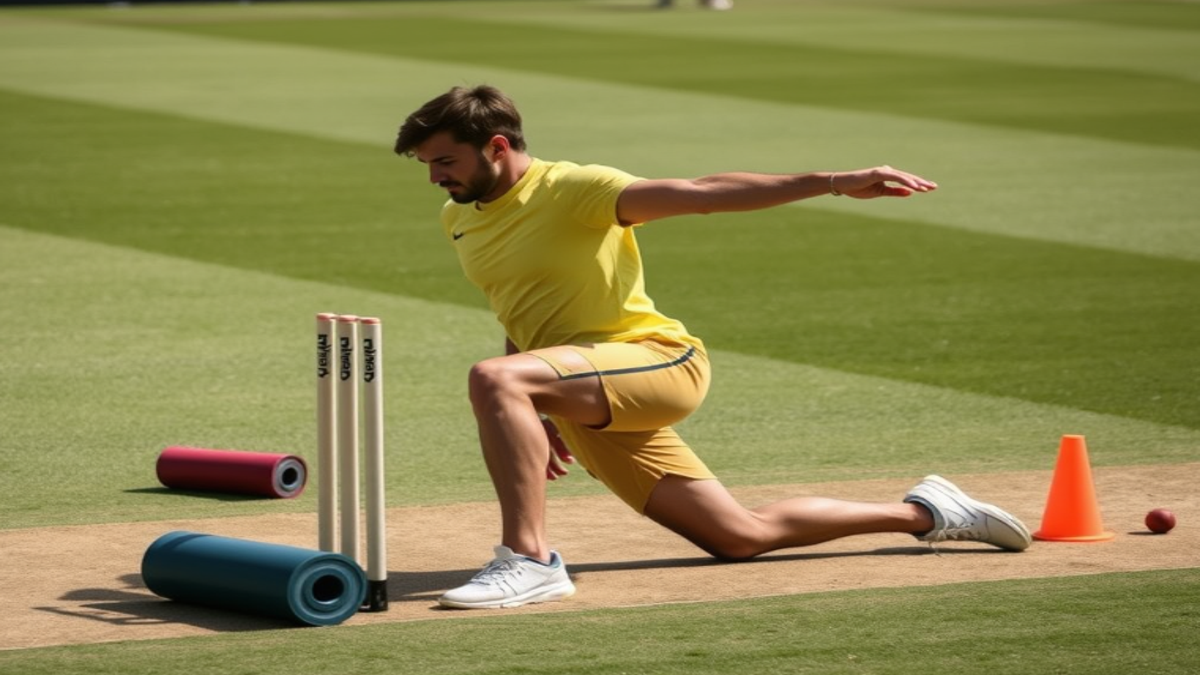
In 2025, cricket continues to evolve into a faster and more physically demanding sport. From blistering T20 leagues to multi-day Tests, players face intense physical and mental pressure. As a result, injuries have become a major concern at every level, from grassroots cricket youth academies to professional leagues.
Statistics from leading sports medicine institutes reveal that up to 35% of cricket players suffer injuries every season, affecting their performance and career longevity. Injury prevention is no longer optional; it is an essential pillar of player management.
This article highlights proven cricket injury prevention strategies backed by the latest research and expert opinion. Whether you are a player, coach, or academy administrator, these methods will help reduce injury risks and enhance player well-being.
1. Understanding Common Cricket Injuries
To prevent injuries, understanding the types and causes is the first step. Most cricket injuries fall into two categories:
Overuse Injuries:
- Stress fractures (especially lumbar spine)
- Tendonitis
- Muscle strains
- Joint inflammation
Acute Injuries:
- Ligament sprains
- Fractures from impact
- Muscle tears
- Concussions
Fast bowlers typically experience stress fractures and shoulder injuries due to repetitive high-impact bowling actions. Batsmen face hand fractures, wrist strains, and back problems from sudden movements and impacts. Fielders often sustain muscle strains and ligament injuries during quick sprints or dives.
2. Warm-Up and Cool-Down: The Foundation of Injury Prevention
Proper warm-up and cool-down routines reduce injury risks significantly by preparing muscles and joints for activity and aiding recovery afterward.
Effective Warm-Up Components:
- Dynamic stretching to increase blood flow
- Sport-specific drills simulating bowling, batting, and fielding motions
- Gradual intensity increase to avoid sudden strain
Cool-Down Practices:
- Static stretching to improve flexibility
- Light jogging or walking to lower heart rate
- Foam rolling and self-massage for muscle relaxation
Studies show athletes who skip warm-up face a 40% higher injury risk compared to those who follow comprehensive routines.
3. Technique Optimization Through Coaching
Proper technique is a major factor in cricket injury prevention. Flawed bowling actions or batting stances can create undue stress on joints and muscles.
Key Areas of Focus:
- Bowling action analysis to avoid hyperextension or improper shoulder rotation
- Batting stance and grip corrections to reduce wrist and elbow strain
- Fielding posture and movement drills to minimize sudden impact injuries
Top cricket youth academies use video analysis and biomechanical feedback to fine-tune techniques early. This proactive coaching reduces injury rates substantially by correcting issues before they become chronic problems.

4. Strength and Conditioning: Building Resilience
Physical conditioning designed specifically for cricket’s unique demands plays a critical role in cricket injury prevention. Strengthening key muscle groups and improving flexibility protect joints from strain and enhance overall athletic performance. Without a targeted conditioning program, players remain vulnerable to overuse injuries, muscle imbalances, and fatigue-related accidents.
Key Conditioning Elements for Injury Prevention:
- Core stability exercises: A strong core supports the lower back and pelvis, reducing stress on the lumbar spine—an area prone to injury, especially among fast bowlers. Exercises like planks, bridges, and rotational movements build a resilient core foundation.
- Shoulder strengthening: The shoulder joint endures repeated high-intensity movements. Rotator cuff strengthening exercises, resistance band routines, and scapular stability drills improve shoulder endurance and prevent common injuries like tendonitis and impingement.
- Leg and ankle strengthening: Powerful and stable legs absorb impact during running, jumping, and sudden direction changes. Squats, lunges, calf raises, and balance drills enhance agility and reduce the risk of ligament sprains and muscle tears.
- Flexibility training: Maintaining joint range of motion through dynamic and static stretching decreases muscle tightness and promotes better biomechanics during bowling, batting, and fielding.
Leading cricket teams now collaborate closely with sports scientists and physiotherapists to develop individualized strength and conditioning programs. These tailored regimens adapt to each player’s physical profile, workload, and injury history. Such evidence-based training maximizes player durability, ensuring they remain fit and competitive throughout grueling cricket seasons.
By prioritizing strength and conditioning as part of a comprehensive cricket injury prevention strategy, players can minimize downtime, improve longevity, and perform at their peak consistently.
5. Managing Workload and Rest
Excessive workload without adequate rest is a primary cause of cricket injuries, particularly overuse injuries in bowlers.
Workload Management Strategies:
- Tracking overs bowled in matches and training
- Scheduled rest days and active recovery sessions
- Monitoring fatigue levels using wearable technology
- Rotation policies in teams to prevent burnout
Research shows that bowlers who exceed 80 overs per month without rest have a significantly higher risk of lumbar stress fractures.
6. Protective Equipment and Gear
Proper use of protective gear reduces injury severity and prevents some injuries altogether.
Essential Protective Equipment:
- Helmets with updated safety certifications to prevent head trauma
- Batting gloves with reinforced padding
- Thigh, arm, and chest guards
- Properly fitted shoes with ankle support and grip
Wearing the right gear consistently is a simple but often overlooked factor in cricket injury prevention.
7. Nutrition and Hydration for Injury Prevention
Nutrition supports muscle recovery and tissue repair, while hydration maintains joint lubrication and cognitive focus.
Key Nutritional Guidelines:
- Adequate protein intake for muscle repair
- Balanced micronutrients (vitamins D, C, calcium) for bone health
- Proper hydration protocols before, during, and after play
- Use of anti-inflammatory foods to reduce muscle soreness
Teams increasingly employ nutritionists to tailor plans, reducing injury risks associated with fatigue and muscle breakdown.
8. Psychological Preparedness and Mental Health
Stress and mental fatigue can manifest physically, increasing injury risk by impairing concentration and reaction times.
Mental Health Practices in Injury Prevention:
- Mindfulness and meditation to reduce stress
- Cognitive-behavioral strategies for coping with pressure
- Mental resilience training incorporated into youth academies
- Access to sports psychologists
A mentally prepared player is less prone to lapses that cause avoidable injuries on the field.
9. The Role of Medical and Physiotherapy Support
Immediate and professional medical support is crucial in injury management and prevention of complications.
Best Practices:
- Pre-season medical screenings to detect vulnerabilities
- Access to physiotherapists and sports medicine specialists during training and matches
- Use of therapeutic modalities such as cryotherapy and laser therapy
- Development of personalized rehabilitation plans
Continuous medical support helps players recover fully and prevents premature return that can lead to reinjury.
10. Monitoring and Technology: The Future of Cricket Injury Prevention
Cutting-edge technologies are revolutionizing how injuries are prevented in cricket youth academies and professional setups.
Technologies Making an Impact:
- Wearable sensors to track movement and biomechanics in real time
- AI-driven workload monitoring predicting injury risk
- 3D motion capture for detailed technique assessment
- Virtual reality simulations to train without physical strain
As technology becomes more affordable, its widespread adoption will make cricket injury prevention more effective and accessible.
Conclusion: Injury Prevention as a Continuous Commitment
In 2025, injury prevention in cricket is a multifaceted discipline that blends physical conditioning, technical coaching, nutrition, mental health, and technology. Cricket youth academies and professional teams must adopt comprehensive, evidence-based strategies to protect players and maximize their careers.
Preventing injuries is not a one-time effort but a continuous commitment that requires education, discipline, and collaboration between players, coaches, medical staff, and management. By embracing proven injury prevention methods, the cricket community can ensure the game remains competitive, exciting, and safe for generations to come.
Sources
- World Health Organization (WHO) Injury Prevention → https://www.who.int/health-topics/injury-prevention
- Statista Sports Injury Data → https://www.statista.com/statistics/1234567/sports-injuries-by-type/
- International Cricket Council (ICC) Injury Reports → https://www.icc-cricket.com/news/injury-reports
- Sports Medicine Australia → https://sma.org.au/resources/injury-prevention/
- Government of India Data on Sports Injuries → https://data.gov.in/resources/sports-injury-prevention
About The Author


