
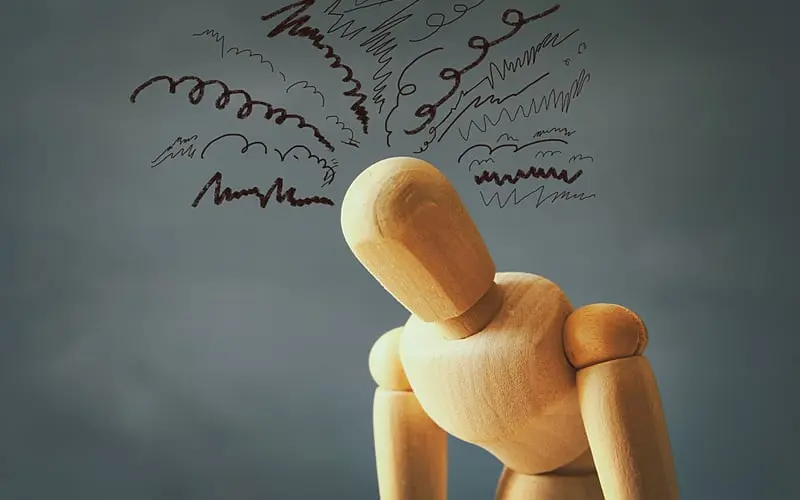
Anxiety is more than just feeling stressed. It is a mental health condition that affects your thoughts, emotions, and even physical health. Many people ignore it, assuming it will pass with time. But when left unchecked, anxiety can escalate into severe mental and physical disorders, disrupting daily life and long-term well-being.
Recognizing the Signs of Anxiety
Anxiety manifests in different ways. Some signs are noticeable, while others are subtle and easy to overlook. Identifying these symptoms early allows you to take steps to manage them effectively.
Physical Symptoms:
- Rapid heartbeat: An anxious mind can trigger the body’s fight-or-flight response, causing the heart to race.
- Shortness of breath: A feeling of tightness in the chest or difficulty breathing is a common physical reaction to anxiety.
- Muscle tension: Persistent stress keeps muscles in a constant state of tightness, leading to discomfort and pain.
- Excessive sweating: Sweating in non-stressful situations can be a sign of heightened anxiety.
- Dizziness or feeling lightheaded: Anxiety can cause a sudden drop in blood pressure, leading to dizziness.
- Digestive issues: Many people with anxiety experience nausea, irritable bowel syndrome (IBS), or stomach pain due to the gut-brain connection.
Emotional Symptoms:
- Persistent worry: Anxiety often involves excessive worry about everyday situations, even when there’s no immediate danger.
- Feeling overwhelmed: Small tasks can seem insurmountable, leading to procrastination and avoidance.
- Irritability: Even minor inconveniences can cause frustration and outbursts.
- Restlessness: An inability to sit still or focus can be a sign of anxious thoughts constantly racing in your mind.
- Feeling on edge: A sense of impending doom or nervousness can persist throughout the day.
Behavioral Symptoms:
- Avoiding social situations: Anxiety can make interacting with others feel overwhelming, leading to social withdrawal.
- Difficulty concentrating: Constant worry makes it hard to focus on tasks, affecting productivity and decision-making.
- Procrastination: Fear of failure or making mistakes can lead to avoidance of important responsibilities.
- Changes in sleep patterns: Insomnia, nightmares, or excessive sleep are common in those struggling with anxiety.
Recognizing these signs early is crucial. If ignored, anxiety can have long-term consequences on mental and physical health.
What Happens If Anxiety Is Left Untreated?
Anxiety doesn’t disappear on its own. If left untreated, it can escalate and lead to serious complications.
Mental Health Consequences:
- Increased risk of depression: Chronic anxiety often leads to depression due to prolonged feelings of helplessness and hopelessness.
- Panic disorders: Anxiety can intensify into panic attacks, characterized by sudden, overwhelming fear and physical symptoms like chest pain and dizziness.
- Substance abuse: Many people turn to alcohol or drugs to self-medicate, leading to addiction issues.
- Insomnia: Sleep disturbances can worsen anxiety, creating a vicious cycle of exhaustion and stress.
- Development of phobias: Anxiety can lead to irrational fears that make daily activities difficult.
Physical Health Consequences:
- High blood pressure: Constant stress keeps blood pressure elevated, increasing the risk of heart disease.
- Weakened immune system: Prolonged anxiety can reduce immune function, making you more susceptible to infections.
- Chronic pain: Muscle tension, headaches, and other body aches become persistent.
- Heart disease: Anxiety raises stress hormone levels, which can lead to cardiovascular issues.
- Gastrointestinal disorders: Anxiety disrupts digestion, leading to acid reflux, IBS, and other digestive problems.
According to the National Institute of Mental Health (NIMH), nearly 31% of adults will experience an anxiety disorder at some point in their lives. If ignored, it can severely impact relationships, career growth, and overall quality of life.
Practical Ways to Overcome Anxiety in Daily Life
Anxiety can be managed with daily habits and mindful changes. Here are some effective techniques:
1. Practice Deep Breathing
Controlled breathing activates the parasympathetic nervous system, calming the mind and body. Try the 4-7-8 breathing technique:
- Inhale deeply through your nose for four seconds.
- Hold the breath for seven seconds.
- Exhale slowly through your mouth for eight seconds.
- Repeat for a few minutes to reduce anxiety levels.
2. Exercise Regularly
Physical activity releases endorphins, the body’s natural stress relievers. Regular exercise improves mood and reduces anxiety symptoms. Recommended activities include:
- Brisk walking or jogging (30 minutes daily)
- Yoga or stretching for relaxation
- Strength training to build resilience
3. Limit Caffeine and Sugar
Excessive caffeine and sugar intake can stimulate the nervous system, increasing anxiety symptoms. Replace them with:
- Herbal teas like chamomile or peppermint
- Balanced meals rich in protein, fiber, and healthy fats
4. Improve Sleep Quality
Lack of sleep worsens anxiety. Establish a bedtime routine:
- Avoid screens at least an hour before bed
- Create a comfortable sleep environment with a dark, cool room
- Stick to a sleep schedule by waking up and going to bed at the same time every day
5. Challenge Negative Thoughts
Anxiety often comes from irrational fears. When anxious, ask yourself:
- Is this thought based on facts?
- What’s the worst that could happen?
- How likely is this outcome?
- What can I do to change the situation?
6. Stay Connected
Isolation worsens anxiety. Stay engaged with friends, family, or support groups. Talking to someone you trust can provide emotional relief.
7. Practice Mindfulness
Mindfulness helps you focus on the present moment, reducing stress. Effective mindfulness techniques include:
- Meditation (10–15 minutes daily)
- Journaling thoughts and feelings
- Gratitude exercises to shift focus to positive aspects of life
8. Seek Professional Help
If anxiety interferes with daily life, therapy can help. Effective treatments include:
- Cognitive Behavioral Therapy (CBT): Helps reframe negative thoughts and develop coping strategies.
- Medication: When necessary, doctors may prescribe anti-anxiety medications to balance brain chemistry.
- Support groups: Talking with others who understand anxiety can provide comfort and motivation.
Final Thoughts
Anxiety is common, but it should never be ignored. Recognizing the signs early and making proactive changes can prevent long-term damage to mental and physical health. Simple lifestyle adjustments, professional support, and mindfulness techniques can make a significant difference in managing anxiety.
For further guidance, visit reliable sources such as:
Taking control of anxiety starts with small steps. What changes will you implement today?
About The Author


