
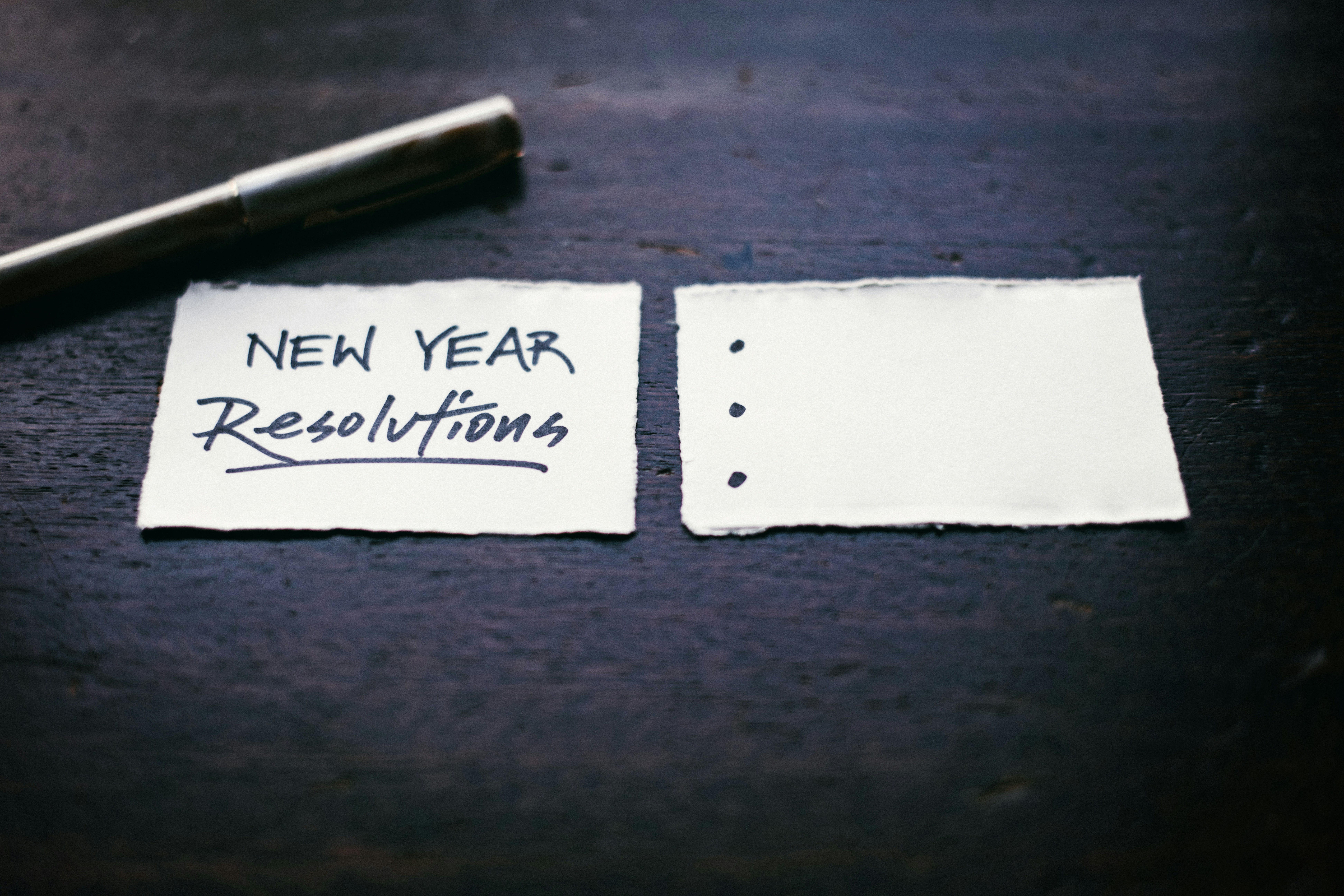
January, with its clean slates and new beginnings, often brings with it a wave of optimism. Gym memberships, nutribullets, meal plans, social media cleanses, journals, veganism, protein powder… It’s a month synonymous with self-improvement.
Each December, we’re bombarded by the idea that the new year is our time to transform into a better version of ourselves. The goal is simple: become healthier, wealthier, happier, more organised. In other words, we must become a comparatively better person, in every sense, than we were on December 31.
Our collective mindset shifts with the turn of the calendar. ‘New Year, New Me’ becomes an all-consuming mantra, driven by the belief that the end of one year must signal a flawless start to the next. It’s a form of cultural performance, amplified by social media platforms that celebrate the seemingly effortless achievements of others. As influencers post perfectly curated videos of their resolutions and accomplishments, we internalise the notion that we, too, must show up as our most polished selves from day one.

As December came to a close, TikTok was flooded with goal-setting videos all about manifesting success in 2025. One of the most popular trends was the creation of vision boards, where users created collages of their goals for the upcoming year. These boards included everything from fitness aspirations and travel dreams to career milestones, set against a backdrop of inspirational quotes. They were, as you can imagine, aesthetically perfect.
‘Ins’ and ‘Outs’ lists also became a viral trend as users shared what they were planning to leave behind (doom scrolling, Netflix, simple carbs) and what they hoped to embrace (5k runs, lentils, skin care) in 2025. These lists often grew unexpectedly long as people listed dozens of intentions in what felt like a bid to overhaul every aspect of their life – they felt like a blueprint for perfecting one’s entire existence. The risk? That these exhaustive lists inadvertently fuel a perfectionist mindset.
Setting New Year’s resolutions has evolved into more than just a personal and cultural ritual. It’s become an industry. Every year, as the calendar flips, brands, influencers, and companies capitalize on the collective desire for self-improvement. The ‘New Year, New Me’ narrative is woven into the fabric of marketing campaigns that promise transformative results. It’s a phenomenon that preys on the idea that personal growth is something we can purchase. And it works – in 2023, the self-improvement market was valued at $41 billion.
There’s a unique fear that comes with the process of setting resolutions. We’re acknowledging that we’re imperfect, and perhaps more scarily, we’re creating a risk that we might fail. The idea that we must change, however, seems deliberately unavoidable. On TikTok, the hashtag #goalsetting reached over 1.4 billion views in 2021. The hashtag #selfimprovement has accumulated over 30 million posts on Instagram. We’re surrounded by a flood of content from influencers and brands that leverages a desire – especially in January – for improvement.

The statistics are sobering. Research suggests that only two people in ten stick to their New Year’s resolutions long term. It’s paradoxical. Why has January become the month we’re most likely to fail, even when we’re trying so hard to succeed?
The reason isn’t lack of willpower. It’s unrealistic expectations. The desire to completely overhaul our lives in the span of a few weeks is not only a heavy burden, but also unsustainable. And so, inevitably, we fall short. Our fear of failure becomes a self-fulfilling prophecy.
We need a shift in perspective. Brené Brown, a leading researcher known for her work on vulnerability and shame, argues in her book ‘Daring Greatly’ that vulnerability can help people live more courageously. Our pursuit of perfection is often driven by an underlying fear of judgement. The idea is simple: if we can present ourselves perfectly to the world, we will be shielded from criticism and rejection. In reality, this pursuit leaves us emotionally and mentally exhausted.
Brown writes that ‘vulnerability is not winning or losing; it’s having the courage to show up and be seen when we have no control over the outcome.’ She explains that vulnerability, the thing we often try to avoid, is actually the birthplace of creativity and change. This approach radically reframes how we think about goal setting. By shifting the narrative from perfection to progress, we can let go of the all-or-nothing pressure of flawless success and instead embrace the messy, real nature of improvement. Brown’s work reminds us that true growth doesn’t happen by achieving perfection.
The danger of the New Year mindset is the idea of a ‘clean slate’. The Latin phrase tabula rasa originates from the Roman, tabula, a wax-covered tablet used for note-writing, which was blanked (rasa) by heating and smoothing the wax. The tablet could then be written on afresh. Humans, though, cannot redesign in this way; change is messy, gradual, and often filled with missteps. Expecting to alter an aspect of our personality overnight – whether it’s our habits, our productivity, or our relationships – is unrealistic at best, and at worst, damaging.
So, this year, don’t chase the elusive perfection of a tabula rasa. You’ll end up right back where you began (unless you already have – it’s almost February). Our culture is obsessed with collectively setting lofty goals in pursuit of an idealised self. There are so many gentler, more sustainable approaches to growth – and you can implement them at any time of the year.
A few weeks ago, it was trending on TikTok for users to create a Bingo board with their New Year’s resolutions. Most of the boards were done on plain paper, in scruffy felt tip pen and biro. The number of squares – 25- meant that the resolutions had to be achievable: read five books, learn to knit, donate clothes you don’t wear…
Perhaps you could set a goal per month this year? Perhaps you could set some ‘messy’ resolutions? Perhaps you could create a vision board that is far from perfect?
Or, if you had a good 2024, perhaps don’t even bother.
Featured image: Tim Mossholder via Unsplash
About The Author


