
Every year, the average household throws away nearly thirty percent of its grocery budget because of poor storage habits and a fundamental misunderstanding of biological decay. You are likely treating your refrigerator as a graveyard for expensive produce rather than a high-performance preservation chamber. Most consumers assume that refrigeration is a universal solution for freshness, yet the physics of ethylene gas and humidity levels suggest otherwise. If you want to stop wasting money and resources, you must move beyond the casual habit of shoving groceries into the first available space. This is an urgent matter of discipline and environmental stewardship. The failure to preserve food is not merely a domestic oversight. It is a failure to respect the complex biological processes that sustain human life.
The Thermal Map of Your Refrigerator
Your refrigerator is not a uniform box of cold air. It is a complex ecosystem of microclimates where temperature fluctuations occur by the minute. Most people store milk in the refrigerator door because it fits perfectly. This is a mistake that accelerates spoilage. The door is the warmest part of the appliance because it remains exposed to room temperature every time you open it. You must store highly perishable items like dairy and eggs on the middle or bottom shelves where the temperature remains most consistent.
Commercial kitchens understand that heat rises even inside a cooled environment. The top shelves are typically warmer than the bottom shelves. Professionals use the top shelves for prepared foods or items that do not require cooking. You should reserve the lowest shelves for raw meats and poultry. This serves two purposes. It keeps these items at the coldest possible temperature and prevents cross-contamination. If a package of raw chicken leaks, it will not drip onto your fresh lettuce or cooked leftovers. This spatial organization is the first line of defense against foodborne illness and premature spoilage.
You must also consider the airflow. A packed refrigerator is an inefficient refrigerator. Cold air must circulate to maintain a stable temperature. When you overstuff your shelves, you create warm pockets where bacteria can thrive. Leave at least twenty percent of the space open to ensure the compressor can do its job without working overtime. This simple adjustment extends the life of your appliance and your food simultaneously. Have you ever wondered why the back of your refrigerator occasionally freezes your lettuce? That is a sign of poor airflow and improper thermostat placement. You must master the geometry of your fridge to master the lifespan of your food.
The Ethylene Gas Contradiction
Apples and leafy greens cannot live together in harmony. This is a botanical fact that most home cooks ignore. Many fruits emit ethylene gas as they ripen. This gas acts as a ripening hormone for other plants. When you store ethylene-producing fruits like apples, bananas, peaches, and tomatoes near ethylene-sensitive vegetables like broccoli, carrots, and leafy greens, the vegetables rot prematurely. You are essentially witnessing a chemical chain reaction that you triggered by proximity.
You must separate your produce based on their chemical output. Use the crisper drawers strategically. Most modern refrigerators offer a high-humidity and a low-humidity setting. The high-humidity drawer closes off the airflow, which is ideal for greens that wilt easily. The low-humidity drawer allows ethylene gas to escape, which is necessary for fruits that rot quickly. If you mix these categories, you are essentially poisoning your vegetables with fruit gas. This is a silent killer of your grocery budget.
Do you know which items belong on the counter? Potatoes and onions are often stored together in dark pantries, but this is a recipe for disaster. Onions emit gases that cause potatoes to sprout faster. Keep them in separate locations. Tomatoes lose their flavor and develop a mealy texture when refrigerated because the cold breaks down their cell membranes. Keep your tomatoes on the counter away from direct sunlight. This preservation of quality is as important as the prevention of rot. You must treat your kitchen counter as an extension of your preservation strategy, not just a workspace.
The Freezer Pause Button Fallacy
The freezer is a powerful tool for frugality, but it is not a time machine. Many people believe that once food is frozen, it remains pristine forever. In reality, chemical changes continue to occur even at sub-zero temperatures. Freezer burn is the result of sublimation, where ice crystals turn directly into water vapor and escape the food. This leaves behind dehydrated, leathery patches that ruin the texture and taste. It is an irreversible structural failure of the food’s integrity.
To combat this, you must eliminate oxygen. Oxygen is the primary catalyst for degradation. Double-wrapping items in plastic wrap and then placing them in heavy-duty freezer bags is a minimum requirement. Better yet, invest in a vacuum sealer. By removing the air, you prevent the formation of large ice crystals that puncture the cell walls of your food. You must recognize that air is the enemy of longevity.
Have you noticed how frozen vegetables often turn mushy when cooked? This happens because the freezing process was too slow. Rapid freezing creates smaller ice crystals that cause less structural damage. You can achieve a faster freeze by spreading items out on a baking sheet before transferring them to bags. This technique also prevents “the clump,” allowing you to take out only what you need rather than defrosting a solid block of food. This is the difference between a professional approach and a wasteful one. Efficiency in portioning is a core tenet of eating discipline.
Humidity and the Lifecycle of Herbs
Herbs are the most fragile items in your kitchen. They often turn to slime within forty-eight hours because they are treated as garnish rather than living plants. You must treat soft herbs like cilantro, parsley, and mint like a bouquet of flowers. Trim the bottoms of the stems and place them in a glass with an inch of water. Cover the top loosely with a plastic bag and store them in the refrigerator. This method can keep herbs fresh for up to three weeks. If you are throwing away cilantro every week, you are failing at basic plant management.
Hard herbs like rosemary, thyme, and sage require a different approach. These plants have lower water content and more robust cell structures. Wrap them in a damp paper towel and place them in a sealed container or bag. The goal is to maintain a consistent level of moisture without allowing the leaves to sit in standing water. Water is necessary for life, but in a confined space, it facilitates the growth of mold and bacteria. You must find the balance between hydration and drowning.
The Chemistry of Dry Goods Storage
Pantry items like grains, flour, and nuts seem indestructible, but they are vulnerable to light, heat, and oxygen. Flour contains natural oils that go rancid over time, especially whole-wheat varieties. If you store your flour in the original paper bag, it is exposed to the air. You must transfer these items to airtight glass or BPA-free plastic containers immediately after purchase. This prevents the infiltration of pantry pests and the oxidation of vital nutrients.
Nuts and seeds are high in fats that oxidize quickly. In a warm pantry, walnuts can taste bitter within a month. Professionals store nuts in the freezer. This stops the oxidation process and maintains the crisp texture of the nut. You can use them directly from the freezer without thawing. If you are buying nuts in bulk and leaving them in the pantry, you are likely consuming rancid fats that cause inflammation.
Light is another enemy of shelf life. It triggers photodegradation, which destroys vitamins and alters the color of spices and oils. Your olive oil should never sit on the counter in a clear bottle. Store it in a dark glass bottle inside a cool cupboard. If your spices look dull or have lost their aroma, they are no longer functional. Buy whole spices and grind them as needed to expose less surface area to the air. This attention to detail separates the gourmet from the casual cook.
Washing Protocols and Microbial Growth
The urge to wash all produce immediately after coming home from the market is understandable but counterproductive. Moisture is the greatest friend of mold. When you wash berries or leafy greens before storing them, you introduce excess water into the crevices where pathogens hide. This accelerates the decay process significantly. You are effectively paying for the privilege of rotting your food faster.
You should only wash produce immediately before you intend to consume it. If you insist on washing greens in advance, you must ensure they are bone-dry. Use a salad spinner to remove every drop of surface moisture, then layer the greens with dry paper towels in a sealed container. The paper towels act as a buffer, absorbing any moisture that the leaves release during respiration. This is a vital step in maintaining the crispness of your salad.
Berries require a specific chemical intervention if you want them to last longer than a few days. A quick soak in a solution of one part vinegar to three parts water kills mold spores on the surface of strawberries and raspberries. You must rinse them thoroughly afterward and dry them completely. This extra step can double the lifespan of expensive fruit. It is a small investment of time for a massive return in value.
The Meat Management Mandate
Meat is the most resource-intensive food you consume. Its spoilage is both a financial blow and an ethical failure. When you bring raw meat home, you must decide its fate within twenty-four hours. If you do not intend to cook it immediately, it must be moved to the freezer. Leaving raw steak in the refrigerator for four days is a gamble with your health and your wallet.
For refrigerated storage, use the coldest part of the fridge, typically the back of the bottom shelf. Keep the meat in its original packaging unless it is leaking. If you must repackage it, use a vacuum sealer or wrap it tightly in parchment paper followed by foil. This prevents the surface of the meat from drying out, a process known as oxidation that leads to unappealing grey patches.
Cured meats like bacon and deli slices have a longer shelf life due to nitrates and salt, but they are still susceptible to surface bacteria once opened. Wrap them in beeswax wraps or tight plastic to prevent the edges from hardening. If you notice a slimy texture or a sour smell, the bacterial count has reached a dangerous level. Do not attempt to “cook out” the spoilage. Your health is worth more than the cost of the protein.
The Fat and Oil Rancidity Crisis
Fat is a carrier of flavor, but it is also highly unstable. Many people keep their cooking oils near the stove for convenience. This is a strategic error. Heat is a catalyst for rancidity. When oils are exposed to heat and light, the fatty acid chains break down and release free radicals. This not only ruins the taste but makes the oil toxic.
Store your oils in a cool, dark cabinet far from the oven. For delicate oils like walnut, flaxseed, or sesame oil, the refrigerator is the only acceptable storage location. Butter is also prone to absorbing ambient odors. If you use a butter dish on the counter, ensure it is opaque and airtight. For long-term storage, butter freezes exceptionally well. You can stock up during sales and keep a six-month supply in the freezer without any loss in quality.
The Fermentation Frontier: Storage via Bio-Transformation
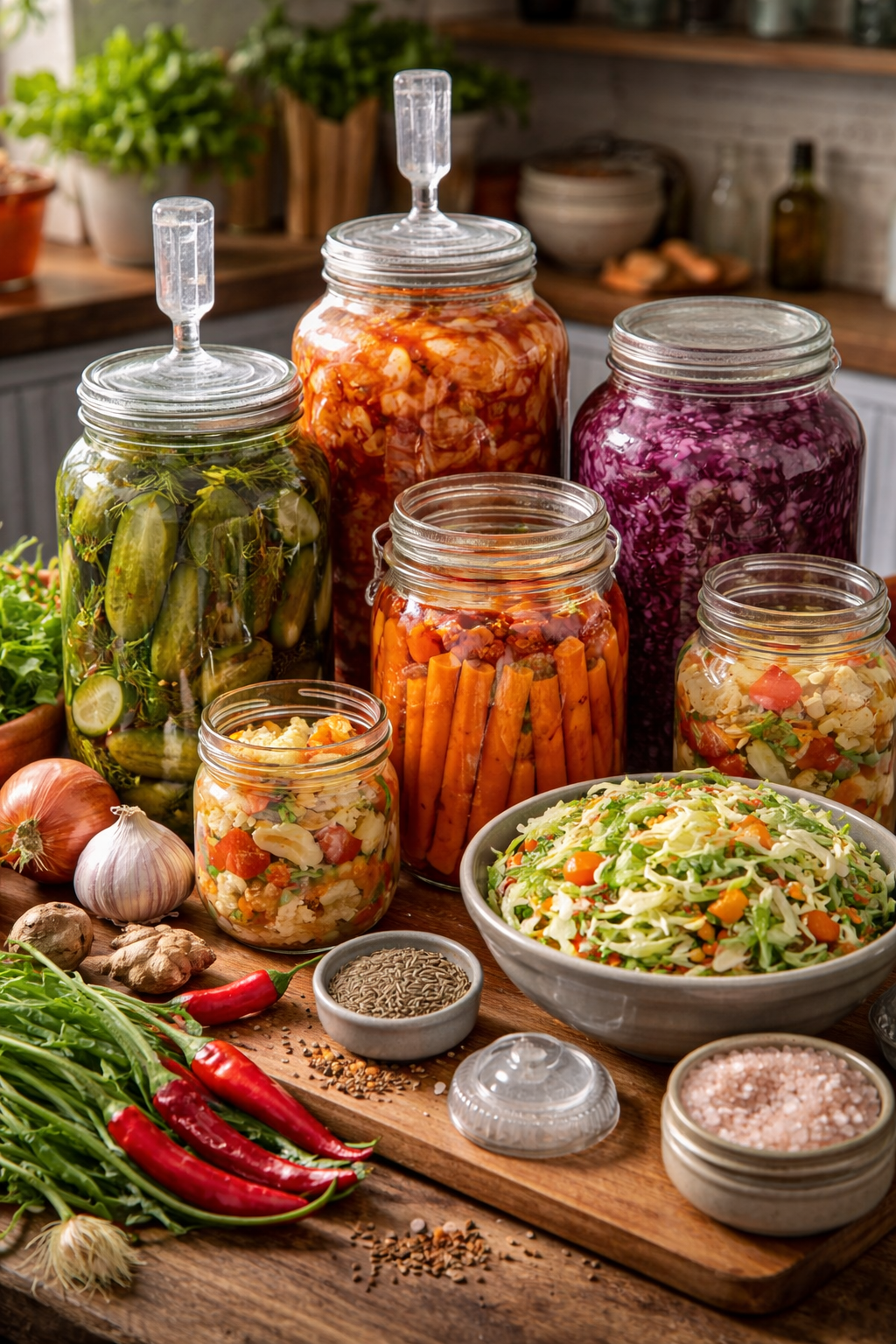
If you find yourself with an abundance of vegetables that you cannot consume quickly, you should look to the ancient art of fermentation. This is not just a culinary trend. It is a sophisticated preservation method. By submerging vegetables like cabbage, carrots, or radishes in a salt brine, you encourage the growth of Lactobacillus. These beneficial bacteria produce lactic acid, which drops the pH of the environment and prevents the growth of spoilage-inducing microbes.
A jar of sauerkraut or kimchi can last for months in the refrigerator. This process transforms a perishable asset into a long-term resource. It also provides significant probiotic benefits. Why would you allow your cabbage to wilt and rot when you could turn it into a nutrient-dense condiment? This is the essence of being an informed altruist. You are maximizing the utility of every leaf.
The Morality of Consumption Discipline
Food storage is not just a technical skill. It is a discipline that reflects your values. As an altruist and minimalist, you recognize that wasting food is an insult to the labor and natural resources required to produce it. Every discarded apple represents gallons of wasted water and the energy used for transport. Proper storage is a form of environmental activism. You are making a choice to protect the planet one meal at a time.
You must adopt a “First In, First Out” system. Professional kitchens use this inventory management technique religiously. Label your containers with the date of purchase or the date of opening. This simple act of organization removes the guesswork from your kitchen. It forces you to confront the age of your ingredients and encourages you to use them before they expire. It turns your refrigerator from a black hole into a transparent inventory.
Ask yourself if you are buying in bulk because you need the volume or because you are seduced by a perceived discount. If you cannot store the bulk items properly, the discount is a delusion. Buying only what you can preserve and consume is the ultimate expression of frugality. It requires a rejection of the consumerist urge to over-prepare. True abundance comes from the efficient use of what you have, not the accumulation of what you might need.
Bread and the Staling Process
Storing bread in the refrigerator is one of the most common mistakes in the domestic kitchen. This environment actually speeds up the staling process through a phenomenon called retrogradation. The starch molecules in the bread crystallize more quickly at cold temperatures, leading to a dry, tough texture. You are essentially turning your fresh loaf into cardboard.
If you cannot eat a loaf of bread within two days, your best option is the freezer. Slice the bread before freezing so you can remove individual pieces as needed. Toasting frozen bread returns the moisture to the center while crisping the crust, effectively reversing the staling process. For short-term storage, a bread box or a simple paper bag in a cool, dry place is far superior to the refrigerator. If you live in a high-humidity environment, you must be even more vigilant about mold. Small, frequent purchases are better than large, stale ones.
The Role of Temperature in Egg and Dairy Safety
The debate over whether to refrigerate eggs often centers on geographical location. In the United States, commercial eggs are washed, which removes the natural protective coating known as the bloom. This makes refrigeration mandatory to prevent salmonella. If you purchase unwashed eggs directly from a farm, they can sit on the counter for weeks because the bloom remains intact. You must understand the processing history of your food to know how to store it.
However, once an egg is refrigerated, it must stay refrigerated. Moving a cold egg to room temperature causes condensation to form on the shell, which can pull bacteria into the porous surface. Consistency is the key to safety. Do not leave your eggs in the carton on the counter while you prep a long brunch. Take out only what you need.
Milk and cream are highly sensitive to light as well as temperature. Riboflavin in milk is sensitive to light, and exposure can lead to “light-oxidized” off-flavors. This is why opaque plastic or cardboard containers are better for preservation than clear glass. Ensure you seal these containers tightly after every use to prevent them from absorbing odors from other items in the refrigerator, like onions or leftovers. Milk is a sponge for ambient smells. Protect its purity.
Advanced Strategies for Root Vegetables
Potatoes, sweet potatoes, and winter squashes are designed by nature for long-term storage, yet many people see them sprout or rot within weeks. These vegetables require a cool, dark, and well-ventilated space. If you store them in plastic bags, they cannot breathe. This leads to moisture buildup and rot. Use mesh bags or wooden crates that allow for airflow. You must respect the respiratory needs of these plants even after harvest.
Do not wash root vegetables until you are ready to use them. The dirt on the skin acts as a natural barrier against dehydration and pests. If you have a basement or a garage that stays between forty-five and fifty-five degrees Fahrenheit, you have the perfect environment for these hardy crops. Avoid storing them near heaters or appliances that exhaust warm air. Remember the onion-potato rule. Keep them separate to prevent gas-induced sprouting.
The Impact of Packaging Materials
The materials you choose for storage can change the chemical composition of your food. Plastic containers are convenient but porous. They can absorb flavors and leach chemicals over time. Glass is the superior choice for long-term storage because it is non-reactive and impermeable. It creates a better seal and allows you to see the contents clearly, which reduces the likelihood of forgetting items in the back of the shelf. Transparency is an ally of organization.
Silicone bags are a modern alternative to single-use plastic. They provide a much stronger seal and are thick enough to protect against freezer burn. When you choose durable storage materials, you are investing in the quality of your food and the reduction of your environmental footprint. This aligns with a minimalist philosophy that prioritizes quality over quantity. Every piece of high-quality glass storage you buy is a lifetime commitment to better food management.
Seasonal Awareness and Local Sourcing
The geography of your food source dictates its storage requirements. Produce that has traveled thousands of miles across international borders is already near the end of its biological life by the time it reaches your kitchen. It has been subjected to varying temperatures and physical stress. This food requires immediate and aggressive preservation techniques. You are essentially performing triage on tired vegetables.
In contrast, locally sourced produce from a farmer’s market is often harvested within twenty-four hours of sale. It possesses its full nutritional value and structural integrity. Buying local is a strategic move for any frugalist. It gives you a longer window for consumption and reduces the energy required for the cold chain. When you understand the origin of your food, you can better predict its behavior in your kitchen. This connection to the land is a vital part of appreciating the life that sustains you.
Managing Leftovers: The Two-Hour Rule
Leftovers are a cornerstone of a frugal and minimalist kitchen, but they are also a frequent source of waste. You must cool your food quickly to prevent it from sitting in the “Danger Zone” between forty and one hundred and forty degrees Fahrenheit. Bacteria populations can double every twenty minutes in this range. Do not leave a large pot of chili on the stove to cool overnight.
Divide large portions into smaller, shallow containers to increase the surface area and speed up cooling. Place them in the refrigerator within two hours of cooking. Most leftovers are safe and delicious for three to four days. If you cannot finish them in that window, move them to the freezer. Labeling is critical here. An unlabeled container of “mystery mush” in the freezer is almost certainly destined for the trash.
The Psychology of the Grocery List
Your storage strategy begins before you even enter the grocery store. Most people over-purchase because they shop with their eyes rather than their inventory. You must perform a “fridge audit” before every shopping trip. What is about to expire? What can be repurposed into a soup or a stir-fry?
Buying only what you have the capacity to store is a radical act of discipline in a culture of excess. If your refrigerator is already seventy percent full, you do not have room for a bulk bag of spinach. This awareness prevents the “shove and forget” cycle that leads to waste. Shop for specific meals and specific storage slots. This intentionality is the mark of a professional home manager.
The Ethics of Preservation in a Resource-Scarce World
We live in a world where food security is a luxury for many. When you allow food to rot in your drawer, you are participating in a systemic inefficiency that affects global prices and availability. Preservation is an act of gratitude. It is a way of saying “this life matters.”
By mastering the science of shelf life, you are not just saving pennies. You are refining your character. You are becoming someone who values substance over appearance and longevity over convenience. This is the ultimate goal of these strategies. They are tools for a more conscious and deliberate way of being.
Conclusion and Call to Action
The transition from a wasteful consumer to a disciplined preserver requires a shift in mindset. You must view your kitchen as a laboratory where biology and physics are constantly at work. Every choice you make—where you place the milk, how you wrap the cheese, when you wash the spinach—has a direct impact on your financial health and the health of the planet.
Are you willing to audit your habits today? Start by checking the temperature of your refrigerator with a standalone thermometer to ensure it stays below forty degrees Fahrenheit. Reorganize your shelves according to the thermal map. Separate your ethylene producers from your sensitive greens. These small, deliberate actions create a cumulative effect that honors the life of the food you consume. Discipline in storage is the foundation of discipline in eating and living. Do not wait for the next grocery bill to change your behavior. The time for stewardship is now.
References
Food Loss and Waste in the United States: A National Strategy
The Science of Food Preservation and Storage Methods
https://www.fda.gov/food/buy-store-serve-safe-food/selecting-and-serving-produce-safely
Ethylene Gas and the Ripening Process in Fruits and Vegetables
Refrigeration and Food Safety Guidelines
Home Storage of Root Vegetables
https://www.google.com/search?q=https://extension.unh.edu/resource/storing-vegetables-home
Freezer Storage and Quality Standards
Postharvest Handling of Fresh Produce https://www.fao.org/3/y4893e/y4893e00.htm
Microbial Safety of Fermented Foods https://www.google.com/search?q=https://www.ncbi.nlm.nih.gov/pmc/articles/PMC5404370/
Lipid Oxidation in Food Oils https://www.sciencedirect.com/topics/food-science/lipid-oxidation
Author bio
Julian is a graduate of both mechanical engineering and the humanities. Passionate about frugality and minimalism, he believes that the written word empowers people to tackle major challenges by facilitating systematic collaborative progress in science, art, and technology. In his free time, he enjoys ornamental fish keeping, reading, writing, sports, and music. Connect with him here https://www.linkedin.com/in/juliannevillecorrea/
About The Author


