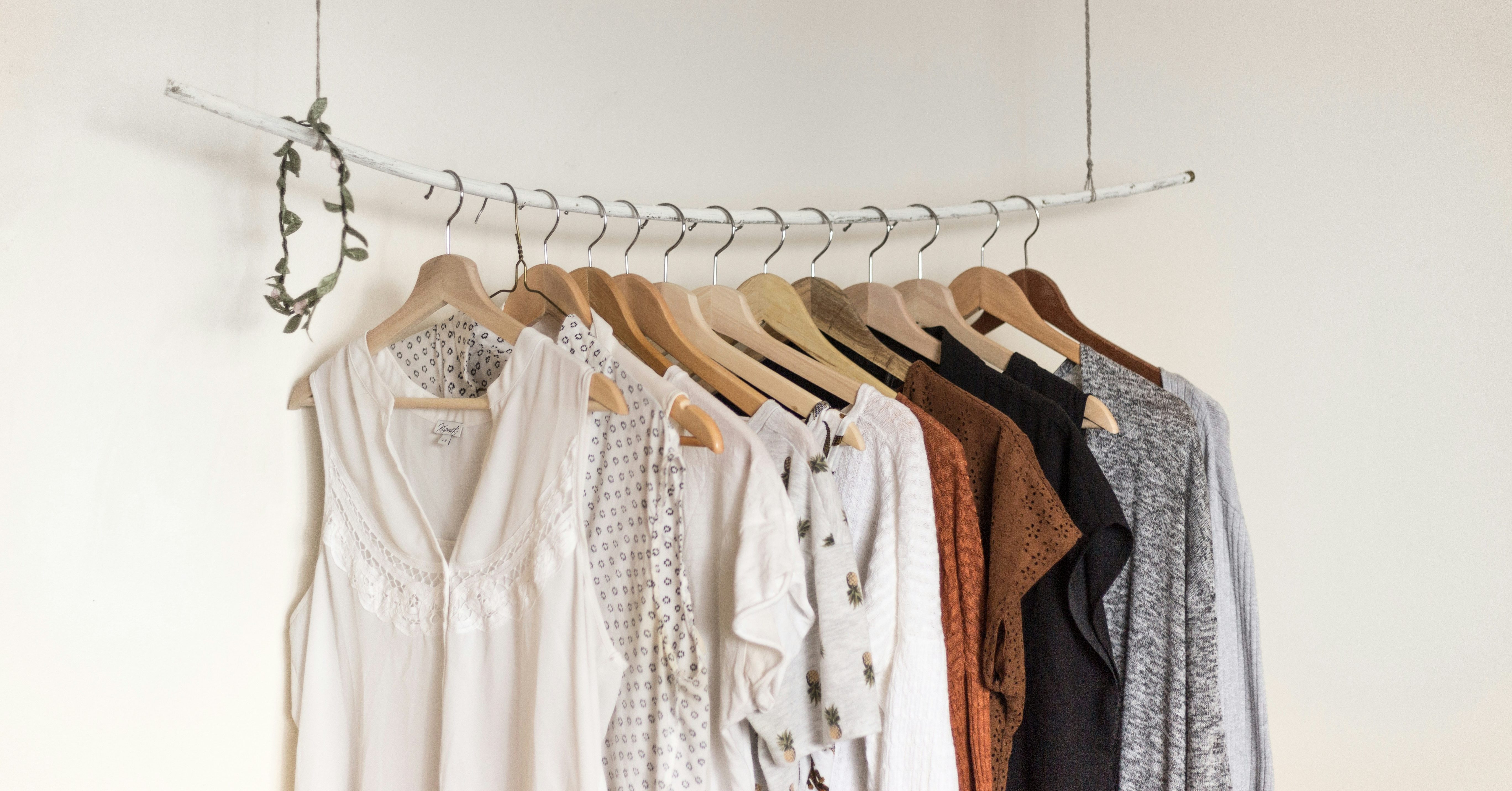
Why an Eco-Friendly Capsule Wardrobe Matters Now More Than Ever
In a world saturated with fast fashion and seasonal trends, our closets are often overflowing, and our planet is paying the price. The average consumer today buys 60% more clothing than they did 15 years ago, yet keeps each item for half as long. With textile waste piling up in landfills and the fashion industry accounting for nearly 10% of global carbon emissions, it’s clear that the way we shop needs a transformation.
Enter the capsule wardrobe: a minimalist collection of essential, timeless pieces that can be mixed and matched to create a wide variety of outfits. But it’s not just about simplifying your style, it’s about making sustainable choices that benefit both your personal life and the environment.
An eco-friendly capsule wardrobe is one of the most effective tools for anyone looking to consume less, reduce waste, and support a more ethical fashion system. This guide will walk you through how to build one from scratch, what to avoid, and which brands and practices are worth embracing.
What Is a Capsule Wardrobe, Exactly?

Coined in the 1970s by London boutique owner Susie Faux, a capsule wardrobe refers to a curated collection of versatile clothing items, typically around 30–40 pieces, that can be worn interchangeably. The idea gained mass popularity in the 1980s when designer Donna Karan introduced her “Seven Easy Pieces” line to working women.
Today, capsule wardrobes come in many forms: workwear-focused, travel capsules, seasonal edits, or lifestyle-based collections. But the core principle remains the same: quality over quantity.
An eco-conscious capsule wardrobe layers this minimalist approach with sustainability, prioritizing pieces that are ethically made, long-lasting, and environmentally friendly.
The Environmental Benefits of a Capsule Wardrobe
- Reduces Clothing Waste:
Fewer, better items mean fewer discarded garments ending up in landfills. According to the Ellen MacArthur Foundation, a truckload of textiles is landfilled or incinerated every second. - Cuts Down on Carbon Footprint:
The fashion industry emits 1.2 billion tons of CO₂ annually. Choosing durable, low-impact clothing slows down production cycles and reduces emissions. - Minimizes Water Consumption:
A single cotton shirt can require 2,700 liters of water to produce. By consuming less and choosing responsible materials, you conserve critical resources. - Supports Ethical Labor:
Building a capsule wardrobe encourages research and investment in brands that prioritize fair wages, safe working conditions, and supply chain transparency.
Step-by-Step: How to Build an Eco-Friendly Capsule Wardrobe
Step 1: Define Your Lifestyle and Personal Style
Before buying or purging anything, take a moment to reflect on your daily life:
- What do you do during the week?
- How often do you dress up vs. dress down?
- Do you have different needs for work, weekends, and events?
Then assess your style personality. Are you more classic, bohemian, streetwear-inclined, or minimalist? Knowing your aesthetic ensures your capsule will serve you authentically.
Tip: Create a Pinterest mood board or save outfit photos that you’re consistently drawn to.
Step 2: Audit Your Current Wardrobe
You probably already own more capsule-worthy items than you think. Start with a full closet edit:
- Lay out everything you own.
- Sort into Keep, Repair, Donate/Sell, and Recycle piles.
- Ask: Do I wear this regularly? Does it fit? Is it versatile?
Look for quality basics like:
- Neutral tops
- Tailored trousers or jeans
- A well-fitted blazer
- Classic outerwear
- Comfortable shoes
- Timeless accessories
Eco Tip: Donate clothes responsibly. Use services like ThredUp, For Days’ Take Back Bag, or textile recycling programs instead of tossing them in the trash.
Step 3: Establish Your Capsule Wardrobe Categories
You don’t have to limit yourself to an arbitrary number. But a functional capsule typically includes:
- 8–10 tops: Think tank tops, button-downs, tees, and blouses.
- 3–5 bottoms: Jeans, trousers, skirts, and shorts.
- 2–3 dresses or jumpsuits.
- 2–3 layers: Blazers, cardigans, or jackets.
- 2–3 pairs of shoes: Everyday sneakers, boots, flats, or heels.
- 1–2 bags and key accessories.
The goal: everything goes with everything. Stick to a cohesive color palette with a few accent tones to keep it fresh.
Step 4: Fill in the Gaps Sustainably
Once you’ve identified what you’re missing, you can mindfully shop for eco-friendly alternatives. Use the #30wears rule—ask yourself, “Will I wear this at least 30 times?”
Where to Look:
- Buy secondhand: Platforms like Poshmark, Depop, Vestiaire Collective, thredUP, and local thrift shops are goldmines.
- Choose sustainable brands: Look for B Corp status, certifications like GOTS (organic textiles) or Fair Trade, and full supply chain transparency.
- Invest in quality: It’s better to own one perfectly-made jacket than five flimsy ones.
Top Sustainable Brands for Capsule Wardrobes
1. Everlane
Known for radical transparency, Everlane offers minimalist essentials with ethical production practices.
https://www.everlane.com
2. Vetta Capsule
Specializes in capsule wardrobe bundles—5 versatile pieces that can create up to 30 outfits.
https://www.vettacapsule.com
3. Eileen Fisher
A pioneer in sustainable luxury fashion with timeless, elegant silhouettes and a take-back recycling program.
https://www.eileenfisher.com
4. Pact
Affordable basics made with organic cotton and Fair Trade-certified factories.
https://www.wearpact.com
5. People Tree
UK-based leader in ethical fashion with feminine, work-friendly staples.
https://www.peopletree.co.uk
Tips for Maintaining a Capsule Closet Long-Term
- Practice One-In, One-Out: For every new piece you buy, donate, or resell, one.
- Seasonally Rotate: Keep your closet fresh by storing off-season items.
- Care for Your Clothes: Wash less, air dry, and repair small damages instead of replacing items.
- Track What You Wear: Use wardrobe apps like Closet+, Stylebook, or Whering to log outfit rotation.
Eco-Friendly Materials to Look For
When you do shop, pay attention to fabric labels. The most sustainable capsules rely on the following:
- Organic Cotton: Grown without harmful pesticides or synthetic fertilizers.
- Linen: Requires minimal water and is naturally biodegradable.
- TENCEL™ (Lyocell): A closed-loop fiber made from wood pulp.
- Hemp: Durable, fast-growing, and breathable.
- Recycled Fabrics: Upcycled polyester or cotton reduces waste and emissions.
Avoid materials like virgin polyester, acrylic, and conventionally dyed fabrics unless they’re recycled or responsibly sourced.
Capsule Wardrobe Examples (Outfit Inspiration)
Here’s how just a few core items can create dozens of looks:
Base Pieces:
- White tee
- Black turtleneck
- Chambray shirt
- Cream sweater
- Black wide-leg pants
- Straight-leg jeans
- Black dress
- Camel coat
- White sneakers
- Chelsea boots
Looks You Can Create:
- Black turtleneck + jeans + boots (classic)
- Chambray shirt + black pants + white sneakers (casual smart)
- White tee + black dress worn as a skirt + sweater tied around shoulders (layered chic)
- Cream sweater + jeans + camel coat + boots (fall cozy)
- Black dress + blazer + heels (evening minimalism)
With 10–15 well-chosen items, you can create 30+ distinct outfits.

Common Myths About Capsule Wardrobes
“It’s boring.”
On the contrary, limiting your options often increases creativity. Accessories and layering offer endless variations.
“I’ll have nothing to wear.”
Capsule wardrobes are about choosing what works for you, not adhering to a strict number. It’s about curation, not deprivation.
“It’s expensive.”
While individual pieces may cost more, they’re meant to last years, not weeks. Over time, capsule wardrobes save you money.
Cultural Shifts: From Consumerism to Consciousness
The rise of capsule wardrobes mirrors a broader cultural shift toward conscious living. More consumers—especially Millennials and Gen Z—are rejecting the throwaway mentality in favor of slow fashion, upcycling, and mindful consumption.
Fashion influencers like Signe Hansen (UseLess) and Aja Barber have built platforms around sustainable style education, proving that slow fashion can be both aspirational and accessible.
Governments and industry leaders are also paying attention. The EU Strategy for Sustainable and Circular Textiles and California’s SB 707 Garment Worker Protection Act reflect growing institutional momentum toward systemic change.

Conclusion: Fashioning a Future That Lasts
An eco-friendly capsule wardrobe is more than just a style decision; it’s a lifestyle philosophy. It represents a conscious rejection of overconsumption, a vote for ethics and quality, and a practical path toward a more sustainable future.
In a world where the fashion industry too often prioritizes speed over substance, a curated closet of purposefully chosen pieces is a quiet act of rebellion and responsibility.
Your wardrobe has power. Use it well.
References
Ellen MacArthur Foundation. (2020). A New Textiles Economy.
https://ellenmacarthurfoundation.org
United Nations Environment Programme. (2023). Putting the Brakes on Fast Fashion.
https://www.unep.org/resources/report/fast-fashion-environment
Good On You. (2024). The Ultimate Guide to Ethical Fashion Brands.
https://goodonyou.eco
Vogue. (2023). “Why the Capsule Wardrobe Is More Popular Than Ever.”
https://www.vogue.com/article/capsule-wardrobe-sustainable-fashion
Fashion Revolution. (2024). Who Made My Clothes? Campaign.
https://www.fashionrevolution.org
Olivia Santoro is a writer and communications creative focused on media, digital culture, and social impact, particularly where communication intersects with society. She’s passionate about exploring how technology, storytelling, and social platforms shape public perception and drive meaningful change. Olivia also writes on sustainability in fashion, emerging trends in entertainment, and stories that reflect Gen Z voices in today’s fast-changing world.
Connect with her here: https://www.linkedin.com/in/olivia-santoro-1b1b02255/
About The Author