
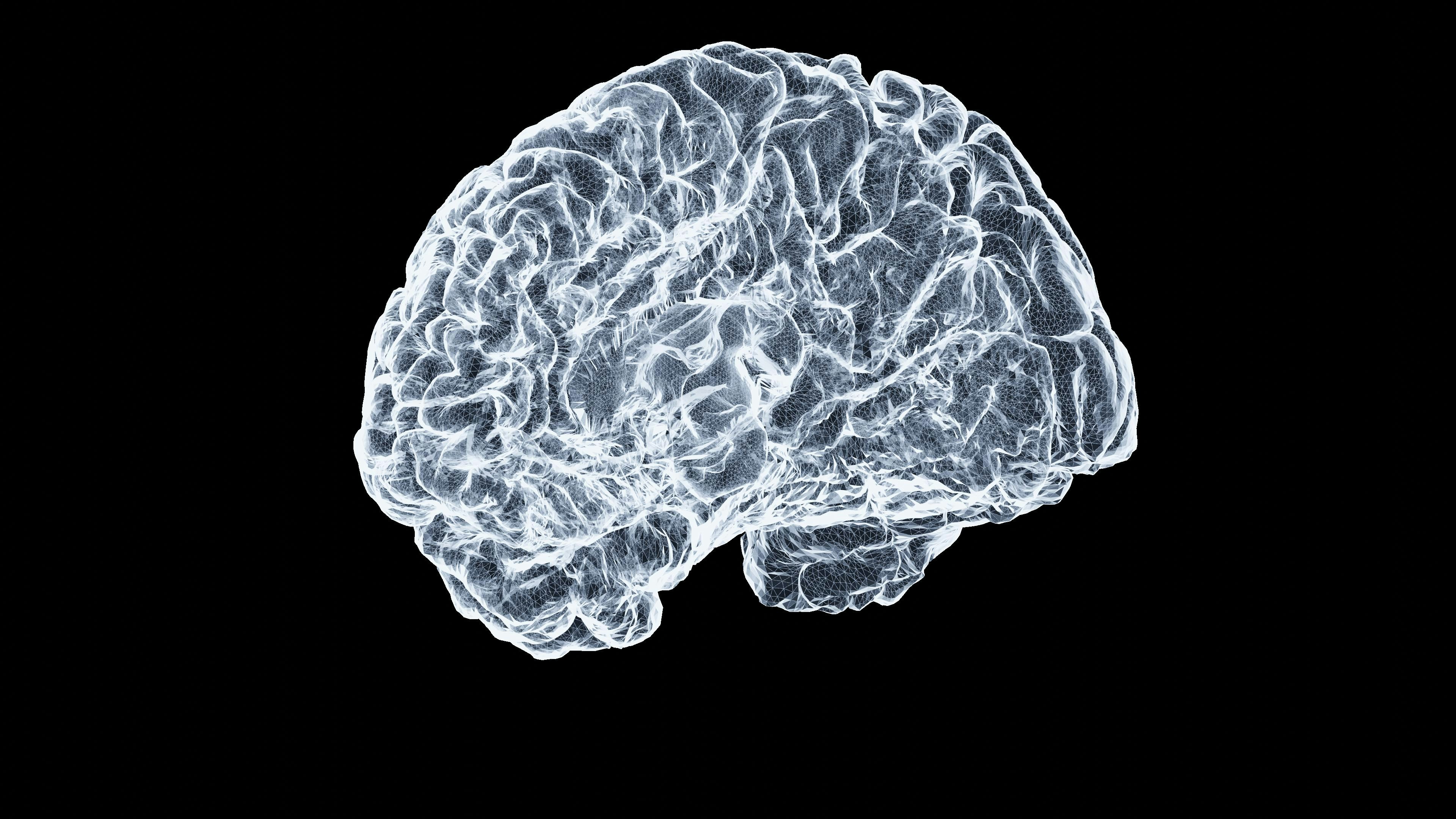
Brain-computer interfaces now work in people. Neuralink said on January 28, 2026 that 21 participants were enrolled in its trials worldwide, up from 12 in September 2025, and it reported no serious device-related adverse events. Neuralink’s best-documented user, Noland Arbaugh, uses his implant about 10 hours a day for chess, coursework, and scheduling after more than two years. No brain implant, however, has full FDA approval for general use. The field’s next test is Synchron’s pivotal trial planned for 2026.
This article covers what Neuralink has and has not shown, how its rivals Synchron, Paradromics, and Precision Neuroscience compare, which uses are real today, and what the medical roadmap looks like. It is not medical advice.
Where Neuralink’s Human Trials Stand
Neuralink started human implants in January 2024 with Noland Arbaugh. By September 2025 it reported 12 participants. In a January 28, 2026 update titled “Two Years of Telepathy,” it said 21 participants were enrolled, according to a news report of the update. The company also said it maintains zero serious device-related adverse events, and that a main aim of its expanding trials is to understand variation between participants and improve hardware and procedure.
The Unverified 26-Patient Claim
Basenor reported that a 26th patient was implanted, with the figure credited to an X post by the “Whole Mars Catalog” account on June 22, 2026. That is a fan account and not Neuralink. The same article lists trial sites in the United States, Canada, the United Kingdom, and the UAE, with seven patients in the UK study as of May 2026. This article treats the 21-participant figure as the last number confirmed by Neuralink and the later figures as unverified.
What the Implant Is
Tech Times describes Neuralink’s N1 implant as having 1,024 electrodes. Fierce Biotech reports they sit on 64 threads. Surgeons place the device in the brain, and signals travel wirelessly to a computer or phone. Participants include people with spinal cord injury and quadriplegia, and Neuralink has trials aimed at controlling a robotic arm and at restoring speech.
What Participants Actually Do With It
The best evidence of real use comes from Arbaugh himself. Tech Times reported on May 28, 2026 that, 28 months after surgery, he uses the N1 about 10 hours daily for chess, university neuroscience coursework, scheduling, and communication. He demonstrated live control of physical chess pieces at the 2026 Robotics Summit in Boston, with commands traveling over Bluetooth.
Basenor reports participants use the implant to control a computer cursor, browse the internet, and post on social media. These are practical gains for people who cannot use their hands. They are not yet a replacement for a keyboard or a mouse for most people, and Neuralink has published few quantitative results in a form independent researchers can check.
The Thread Retraction Setback
In May 2024, Neuralink disclosed that a number of threads had retracted from Arbaugh’s brain, reducing the number of effective electrodes. Fierce Biotech reported the company did not say how many electrodes were affected. Tech Times later reported that roughly 85% of his threads retracted about a month after surgery, and that Neuralink fixed the issue with software changes instead of a second surgery. Arbaugh later exceeded his earlier performance.
That story cuts both ways. It shows a real physical failure mode that was recoverable. It also shows that the company’s early public reporting was thin, and the 85% figure appears in a secondary account.
Other Companies in Human Studies
Neuralink is not alone, and the others take different technical paths.
Synchron
Synchron’s Stentrode has 16 electrodes and is placed through a blood vessel by catheter, so no skull opening is needed, according to Tech Times. That trades signal detail for lower surgical risk. Six patients enrolled in its COMMAND feasibility study, all meeting the primary safety endpoint with no device-related serious adverse events over 12 months.
Synchron raised $200 million in a Series D announced November 6, 2025. It is preparing a pivotal trial across multiple US sites in 2026, which must succeed before it can file a premarket approval application with the FDA. It holds an investigational device exemption and Breakthrough Device designation but not full approval.
Paradromics
Paradromics announced on November 20, 2025 that the FDA approved its Connect-One early feasibility study with the Connexus interface. The study begins with two participants and aims to restore speech and computer control for people with severe motor impairment. Sites include UC Davis, Massachusetts General Hospital, and the University of Michigan. The company claims an information transfer rate above 200 bits per second, which is a company figure.
Precision Neuroscience
Precision received FDA 510(k) clearance on April 17, 2025 for its Layer 7 Cortical Interface, a high-resolution electrode array for recording, monitoring, and stimulating electrical activity on the surface of the brain, for up to 30 days of implantation. That is a short-term clearance linked to clinical uses such as intraoperative brain mapping, not a permanent communication implant. The company calls it the first full regulatory clearance for a next-generation wireless BCI.
Blindsight: Vision Restoration
Neuralink’s Blindsight aims to restore vision by implanting electrodes in the visual cortex. MobiHealthNews reported that Neuralink received FDA Breakthrough Device designation for it in September 2024. At a June 2025 event, Elon Musk said a human implant would come within six to 12 months. He described initial vision as low resolution and said it would eventually improve, with claims about seeing infrared, ultraviolet, and radar wavelengths that no source has verified.
Several outlets say human trials are expected in 2026, and one names the UAE as a likely site. As of the sources reviewed, none confirmed a human Blindsight implant or published results. Treat it as a stated plan.
The Medical Roadmap
The near-term goals are consistent across companies. They are restoring computer control for people with paralysis, restoring speech, and operating assistive devices such as robotic arms. Vision restoration is further out and less proven.
The regulatory path is also consistent. Companies run early feasibility studies, then a pivotal trial, then file for premarket approval. Synchron is first in line, with a pivotal trial planned for 2026. Neuralink’s trials continue under investigational device approvals, and Precision’s clearance covers a short-term device. No company has completed an approval for a long-term implanted BCI for general use.
Risks and Open Questions
Surgery carries risk. The company claims about safety are reassuring, but they are company statements, and the follow-up periods are short for a device meant to stay in for years. Synchron’s 12-month safety result across six patients is a small sample. The thread retraction shows hardware can behave unexpectedly.
Independent verification is thin. A Tech Times article on Arbaugh notes that long-term daily use reveals signal drift, user fatigue, and adaptation patterns that short lab protocols cannot capture. Published peer-reviewed data on large groups is limited, and company-published numbers such as Paradromics’s data rate are not yet independently confirmed.
Cost and access are unknown. None of the sources reviewed gives a price for any BCI, and approvals would come first. Neuralink’s trials enroll through study registries, so access today means joining a trial.
How to Judge a Brain-Implant Claim
News about brain implants moves fast, and the headlines mix several kinds of evidence. A few habits help.
Check Who Made the Claim
A company statement, a patient interview, a regulatory filing, and a social media post carry different weight. The 26-patient figure for Neuralink came from a fan account, while the 21-participant figure came from Neuralink’s own update.
Separate Approval From Clearance and Designation
Precision Neuroscience holds a 510(k) clearance for a short-term device. Synchron and Neuralink hold investigational and Breakthrough designations. Paradromics has FDA approval to run a study. These are different things from full market approval, and none of the sources reviewed shows full approval of a permanent implant for general use.
Look at Sample Size and Follow-Up
Six patients over 12 months, as in Synchron’s feasibility study, supports a safety signal and not a verdict. A single patient over 28 months, as with Arbaugh, shows durability for one person.
Watch for Metrics That Cannot Be Compared
Bits per second, words per minute, and cursor accuracy are measured differently by each company. Paradromics’s figure above 200 bits per second is its own claim, and no source reviewed compares it directly with Neuralink’s results.
Who Might Benefit First
The earliest candidates are people with severe paralysis or loss of speech, since the first trials target them. For these patients, even limited computer control can mean sending messages or using a browser without help. That is why the field’s early goals are modest and practical.
Healthy people are not the target of any trial described in the sources reviewed. Statements about enhancing memory or merging with AI remain speculation, and this article does not cover them. If you are considering joining a trial, talk to a neurologist and read the trial’s listing and consent documents carefully.
What to Watch Over the Next Year
Several events will show whether the field is moving from experiments toward products. The first is the start of Synchron’s pivotal trial, since a successful pivotal result is the step that precedes a premarket approval filing. The second is the Paradromics Connect-One study, which begins with two participants and will show whether its speech-restoration claims hold up in people. The third is Neuralink’s own reporting. Independent readers would benefit from published measurements of cursor accuracy, speech decoding, and electrode counts over time, instead of only participant totals.
A fourth signal is Blindsight. Any confirmed human implant, with results from a named clinical site, would be the first real test of a vision-restoration claim that so far rests on a company designation and statements from its founder.
For ordinary readers, the practical advice is to treat each announcement as one piece of evidence. Look for sample sizes, follow-up periods, and the source of every number, and wait for peer-reviewed data before drawing large conclusions.
Frequently Asked Questions
How many people have Neuralink implants?
Neuralink said 21 participants were enrolled worldwide as of January 28, 2026. A claim of 26 in June 2026 came from an X post by a fan account and has not been confirmed by Neuralink.
What can Neuralink users do?
Participants control a computer cursor, browse the web, and post on social media with thought. Noland Arbaugh uses his about 10 hours a day for chess, coursework, and scheduling, according to Tech Times.
Is Neuralink approved by the FDA?
Not for general use. Neuralink operates its trials under investigational approvals, and the Blindsight device has Breakthrough Device designation, which speeds review but is not approval.
Which brain-computer interface will be approved first?
Synchron is the front-runner, with a pivotal trial planned for 2026 that must succeed before it files for premarket approval. That is a plan and not a guarantee.
Has Blindsight been implanted in a human?
None of the sources reviewed confirm it. Musk said in June 2025 that implantation would come within six to 12 months, and later reports say trials are expected in 2026.
References and Sources
Yahoo News, “Elon Musk’s Neuralink says it has 21 participants enrolled in trials”: https://www.yahoo.com/news/articles/elon-musks-neuralink-says-21-183038116.html
Neuralink, “Two Years of Telepathy”: https://neuralink.com/updates/two-years-of-telepathy/
Basenor, “Neuralink Reaches 26th Patient in Ongoing Brain-Computer Interface Trials”: https://www.basenor.com/blogs/news/neuralink-reaches-26th-patient-in-ongoing-brain-computer-interface-trials
Tech Times, “Neuralink BCI After 28 Months: Arbaugh Tells Robotics Summit What Published Research Cannot”: https://www.techtimes.com/articles/317356/20260528/neuralink-bci-after-28-months-arbaugh-tells-robotics-summit-what-published-research-cannot.htm
Fierce Biotech, “First Neuralink patient sees some implanted electrodes lose connection to brain”: https://www.fiercebiotech.com/medtech/first-neuralink-patient-sees-some-implanted-electrodes-lose-connection-brain
Tech Times, “Synchron Brain Implant Targets 2026 Pivotal Trial for First FDA-Approved BCI”: https://www.techtimes.com/articles/317929/20260606/synchron-brain-implant-targets-2026-pivotal-trial-first-fda-approved-bci.htm
Paradromics, “Paradromics Receives FDA Approval for the Connect-One Clinical Study with the Connexus Brain-Computer Interface”: https://paradromics.com/news/paradromics-receives-fda-approval-for-the-connect-one-clinical-study-with-the-connexus-brain-computer-interface/
GlobeNewswire, “Precision Neuroscience Receives FDA Clearance for High-Resolution Cortical Electrode Array”: https://www.globenewswire.com/news-release/2025/04/17/3063418/0/en/Precision-Neuroscience-Receives-FDA-Clearance-for-High-Resolution-Cortical-Electrode-Array.html
MobiHealthNews, “Elon Musk provides update on Blindsight implant trials”: https://www.mobihealthnews.com/news/elon-musk-provides-update-blindsight-implant-trials
About The Author


