
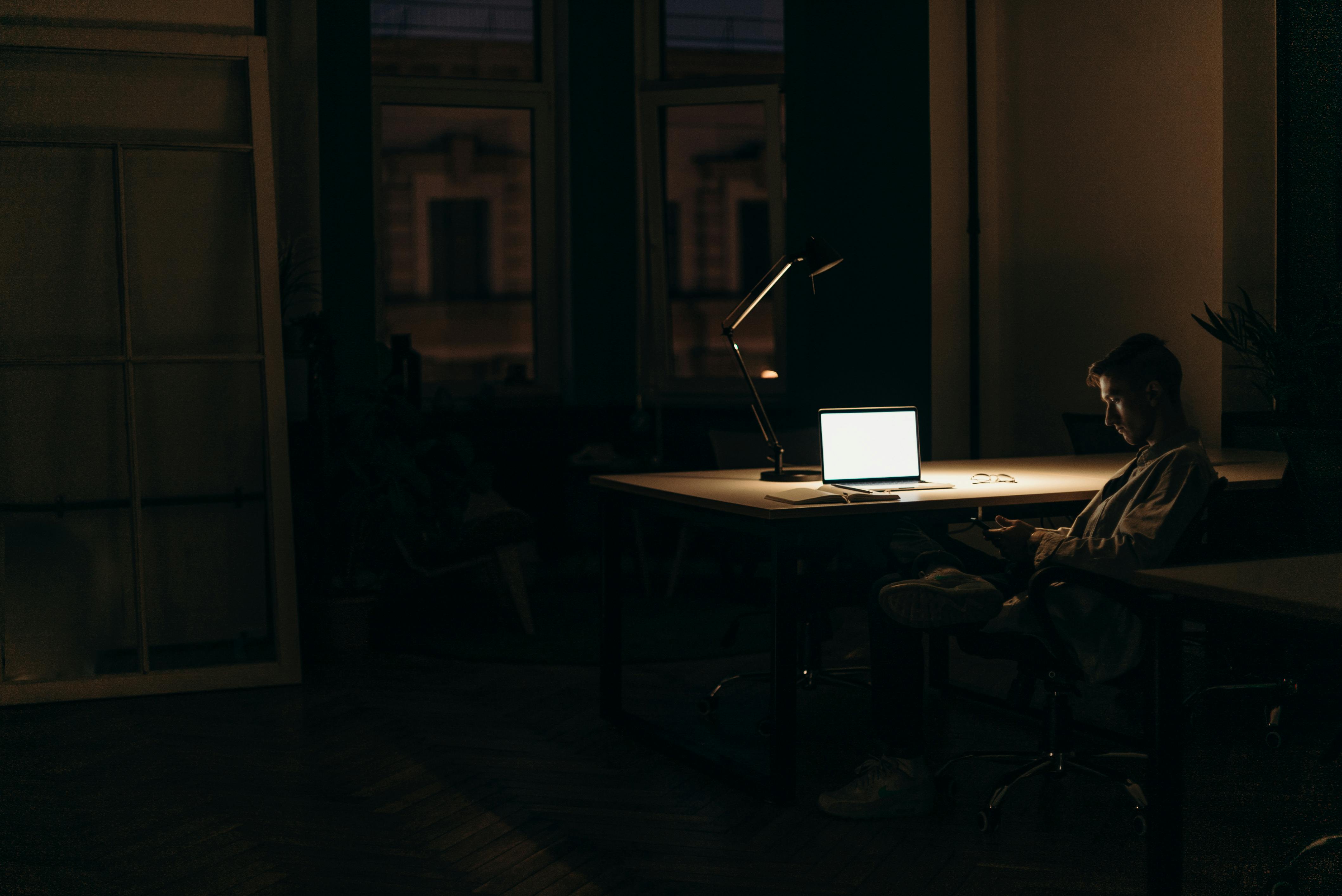
You rarely notice mental health declining in real time. The shift happens through small, repeated behaviors that feel normal, productive, or harmless. Checking your phone late at night, working through meals, skipping sunlight, or living on constant notifications may not seem serious. Yet research shows these ordinary habits influence stress levels, mood regulation, and emotional resilience more than most people expect.
Public conversations usually focus on major triggers such as trauma or diagnosis. Those factors matter. Still, many people experience burnout, anxiety, or emotional exhaustion without a single dramatic event. Daily patterns quietly shape the condition of your mind. The World Health Organization estimates that hundreds of millions of people live with depression worldwide, and lifestyle factors play a meaningful role in mental health outcomes.
This article examines the small habits that quietly damage your psychological well-being and explains how to recognize and correct them using practical, evidence-based actions.
-
Sleep Deprivation Is Eroding Your Emotional Stability
Sleep loss does more than make you tired. It directly affects how your brain processes emotion and stress.
Health data shows that many adults routinely sleep less than the recommended seven hours per night. Research links insufficient sleep to higher rates of anxiety, depression, irritability, and poor decision-making.
What Happens When You Sleep Too Little
- Emotional reactions become stronger and harder to regulate
- Focus decreases and negative thoughts feel heavier
- Impulse control weakens
- Stress hormones remain elevated longer
Studies from the Centers for Disease Control and Prevention indicate that adults sleeping six hours or less report significantly higher levels of frequent mental distress compared with those getting adequate sleep.
Why This Problem Goes Unnoticed
You often adapt behaviorally, not biologically. You still complete tasks, so you assume sleep loss has no consequences. Emotional exhaustion accumulates slowly, making it easy to ignore until burnout appears.
Practical Fixes
- Maintain a consistent sleep schedule, including weekends.
- Stop using screens at least one hour before bedtime.
- Treat sleep as a health requirement rather than optional downtime.
-
Constant Micro-Work Is Creating Chronic Stress
Work no longer ends when the day ends. Email checks, notifications, and quick responses keep your brain in a constant state of alertness.
The issue is not only long hours. The bigger problem is continuous mental switching. Every interruption forces your brain to reset attention, which increases cognitive fatigue.
Signs You Are Trapped in Micro-Work
- You check messages during meals or personal time
- You feel uneasy when unavailable
- You struggle to mentally disconnect after work
This behavior prevents psychological recovery. Over time, it increases anxiety and reduces emotional resilience.
Practical Fixes
- Define clear hours when work communication stops.
- Disable non-essential notifications.
- Batch communication instead of reacting instantly.
-
Social Media Comparison Is Quietly Damaging Self-Perception
Social media platforms shape emotional responses through comparison. You see curated success and filtered happiness while measuring it against your private reality.
Research from the U.S. Surgeon General shows that higher social media use correlates with increased mental health risks, especially among younger users. Adults experience similar effects even if they do not acknowledge it.
Common Psychological Effects
- Increased self-criticism
- Reduced satisfaction with real life
- Fear of missing out
- Emotional exhaustion from constant stimulation
Why It Feels Harmless
Short sessions feel manageable. The problem comes from repeated exposure throughout the day, which creates continuous comparison loops.
Practical Fixes
- Set fixed time limits for social media use.
- Remove apps from your home screen.
- Replace passive scrolling with intentional activities.
-
Your Phone Is Eliminating Mental Recovery Time
Waiting in line or sitting quietly once allowed reflection. Today, those moments disappear behind screens.
Mental recovery requires unstructured time. When you fill every pause with content, your brain never processes stress fully.
Hidden Effects of Constant Stimulation
- Reduced ability to reflect and problem-solve
- Increased mental fatigue
- Higher baseline anxiety
People often believe they relax while scrolling. In reality, they consume continuous stimulation.
Practical Fixes
- Leave your phone in another room during meals.
- Allow short periods of deliberate boredom.
- Walk without digital distractions.
-
Isolation Disguised as Independence
Modern culture celebrates self-reliance, yet emotional health depends heavily on connection.
Many people maintain frequent digital contact but lack deep conversations. Emotional isolation increases stress responses and reduces resilience.
Subtle Signs of Emotional Isolation
- Conversations remain surface-level
- You avoid discussing stress or vulnerability
- You rely mostly on online interaction
World Health Organization data links loneliness with poorer mental health outcomes across age groups.
Practical Fixes
- Schedule real conversations, not just online exchanges.
- Share concerns with trusted people rather than withholding them.
- Prioritize in-person interaction whenever possible.
-
Information Overload Is Keeping You in Constant Alert Mode
News and social media platforms reward urgency and emotional intensity. Continuous exposure keeps your nervous system activated even when no direct threat exists.
Signs Information Overload Affects You
- You feel anxious without a clear reason
- You check headlines compulsively
- You struggle to mentally disconnect from global events
Staying informed supports awareness. Constant exposure fuels stress.
Practical Fixes
- Limit news consumption to specific times of day.
- Avoid emotionally intense content late at night.
- Choose reliable sources instead of endless scrolling.
-
Treating Rest as a Reward Instead of a Necessity
Many people believe they must finish everything before resting. Tasks never fully disappear, which means rest gets postponed indefinitely.
Psychologists describe this pattern as productivity guilt, where self-worth becomes tied to output.
Effects on Mental Health
- Increased anxiety during downtime
- Chronic fatigue
- Loss of motivation and creativity
Practical Fixes
- Schedule rest just like work meetings.
- Take short daily breaks without screens.
- Redefine rest as maintenance, not laziness.
-
Late-Night Light Exposure Is Disrupting Mood Regulation
Bright screens at night interfere with melatonin production, which controls sleep cycles. Poor sleep then worsens emotional stability.
The Feedback Loop
Late screen use leads to poor sleep. Poor sleep increases stress. Stress encourages more nighttime scrolling.
This cycle gradually weakens mental resilience.
Practical Fixes
- Lower screen brightness in the evening.
- Keep phones away from the bed.
- Replace late scrolling with quiet routines such as reading.
-
Normalizing Low-Level Stress Until It Becomes Identity
Stress becomes dangerous when you stop recognizing it as temporary. Many people begin to treat constant pressure as normal life.
Signs Stress Has Become Baseline
- Persistent irritability
- Emotional numbness
- Reduced patience
- Low motivation
Your brain needs periods of recovery to reset. Without them, stress responses remain active.
Practical Fixes
- Build short recovery breaks into daily routines.
- Move your body regularly to reduce stress hormone buildup.
- Spend time in natural daylight to support mood regulation.
-
Ignoring Early Warning Signals
Mental health decline often starts with subtle behavioral changes rather than dramatic symptoms.
Early Signals You Should Not Ignore
- Cancelling plans more frequently
- Feeling mentally drained by simple tasks
- Losing interest in activities you usually enjoy
- Difficulty concentrating
Recognizing these patterns early reduces the risk of prolonged burnout or deeper emotional struggles.
Practical Fixes
- Track mood patterns weekly.
- Adjust workload before exhaustion becomes severe.
- Seek professional support when symptoms persist.
The Small Decisions That Shape Mental Health
Your mental health rarely changes overnight. Small habits either strengthen or weaken emotional resilience.
The most effective improvements come from consistent behavior changes rather than dramatic overhauls:
- Protect seven hours of sleep
- Reduce unnecessary notifications
- Create phone-free moments daily
- Maintain meaningful social contact
- Limit exposure to emotionally draining information
These adjustments may look minor. Their long-term impact is not.
Your daily routines quietly design your psychological future. The question is whether those routines support your mental stability or slowly undermine it.
References:
Depressive Disorder Fact Sheet – World Health Organization
https://www.who.int/news-room/fact-sheets/detail/depression
Sleep Indicator Definitions – Centers for Disease Control and Prevention
https://www.cdc.gov/cdi/indicator-definitions/sleep.html
Sleep and Mental Distress Research – CDC Preventing Chronic Disease
https://www.cdc.gov/pcd/issues/2021/20_0573.htm
Social Media and Youth Mental Health Advisory – U.S. Surgeon General
https://www.hhs.gov/surgeongeneral/reports-and-publications/youth-mental-health/social-media/index.html
Mental Health Fact Sheet – World Health Organization Europe
https://www.who.int/europe/news-room/fact-sheets/item/mental-health
Author Bio:
Elham is a psychology graduate and MBA student with an interest in human behavior, learning, and personal growth. She writes about everyday ideas and experiences with a clear, thoughtful, and practical approach. Connect with her here: https://www.linkedin.com/in/elham-reemal-273681250/
About The Author


