What Triggered the M&M Recall and Why It Matters to You?
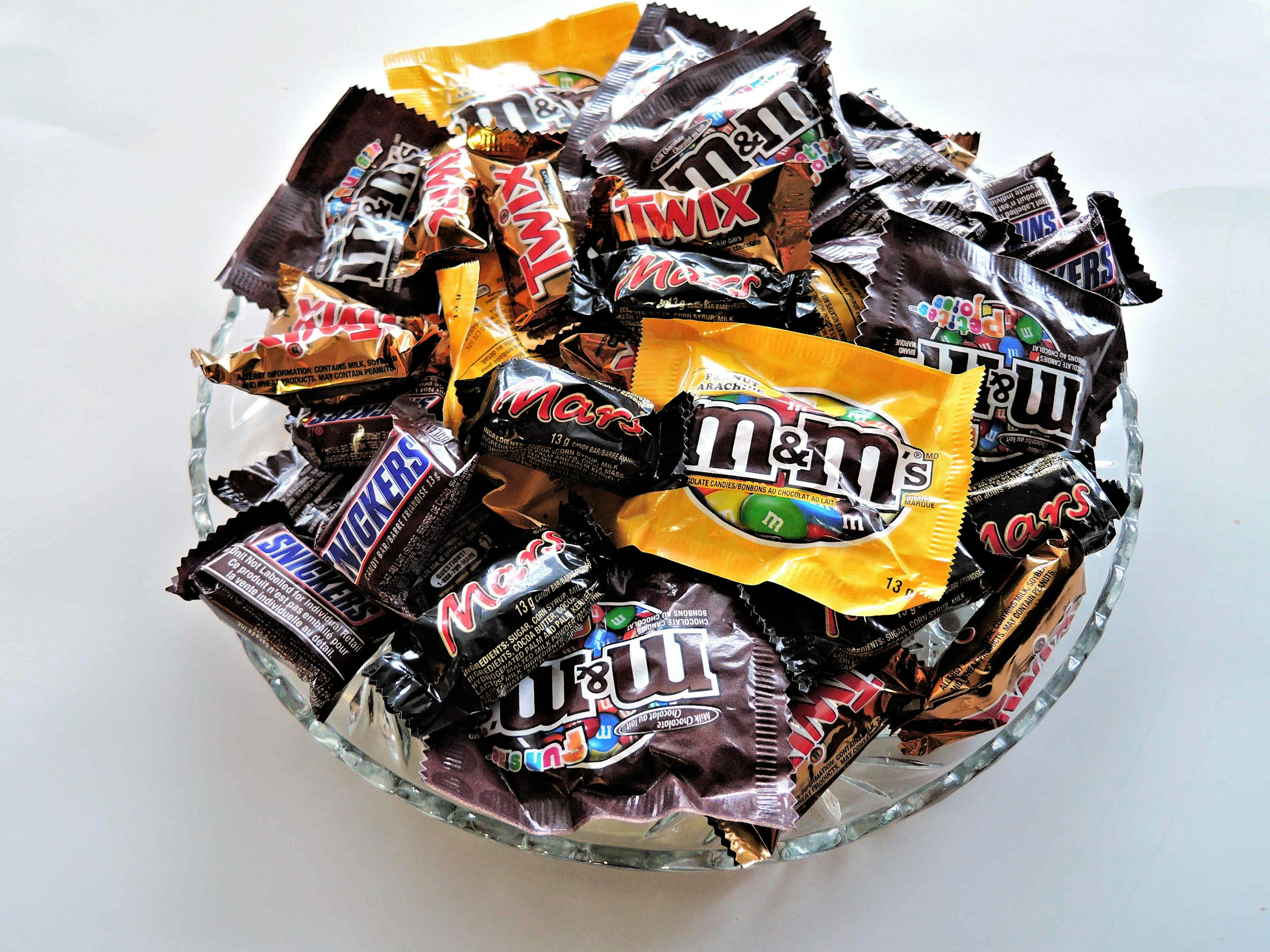
When a chocolate brand that sits in millions of households faces a recall, the story stops being routine and starts becoming personal. Search interest around the M&M chocolate recall surged because consumers rarely question this product. M&M’s represents reliability at scale, a snack people buy without second thought.
That instinctive trust explains the reaction. A recall tied to a globally distributed confectionery brand does not spark casual curiosity. It raises direct questions about food safety, manufacturing discipline, and how closely companies monitor what reaches your shelf. In a market where consumers expect consistency from legacy brands, even a limited recall reshapes attention fast.
Mars, Incorporated, the parent company behind M&M’s, operates one of the largest confectionery supply chains in the world. Any recall tied to this system draws scrutiny from regulators, retailers, and consumers across markets. Recent recall notices involving chocolate products under the Mars Wrigley portfolio placed M&M’s directly into that spotlight.
Food recalls rarely go viral unless three conditions align. This case meets all three.
- the brand reaches mass households
- the product targets all age groups
- the recall connects to safety or contamination risk
M&M’s checks every box.
What the Recall Involves
Recent recall alerts linked to Mars-manufactured chocolate products cite potential contamination risks, including foreign material presence and quality deviations flagged during internal or regulatory inspections. In some regions, authorities initiated recalls after detecting inconsistencies during routine food safety audits.
Regulatory bodies such as the U.S. Fod and Drug Administration and European food safety agencies list chocolate recalls when products fail to meet safety or labeling standards. Mars confirmed that recall actions followed established safety protocols and applied to specific batches rather than the full product line.
This distinction matters. Recalls target defined production windows, not the brand as a whole. Consumers often miss this nuance, which fuels panic and misinformation online.
Why This Recall Turned Into a Trend
You should understand why this story moved beyond standard recall coverage.
First, timing. Food safety sensitivity remains high after years of heightened scrutiny around supply chains, hygiene, and manufacturing transparency. Any recall tied to a global food brand now spreads faster.
Second, visibility. M&M’s sells across supermarkets, convenience stores, airports, and vending channels. Consumers encounter the product daily. A recall involving a familiar item triggers immediate personal relevance.
Third, digital amplification. Social platforms and search engines push recall queries upward once mainstream outlets publish alerts. M&M recall searches climbed as consumers sought clarity on affected batches and regions.
What Consumers Want to Know
Search behavior around the M&M recall reveals three dominant questions:
-Is the product in my home affected?
-What risk does this pose to health?
-How did this pass quality checks?
Mars addressed these concerns through recall notices, retailer coordination, and public statements. The company urged consumers to check batch codes and return affected products for refunds or disposal.
Food safety experts stress that recalls often indicate detection systems working as designed, not failure. Manufacturers identify risks, isolate products, and remove them from circulation before widespread harm occurs.
Why This Matters Beyond One Recall
This recall fits into a broader shift within the food industry. Large manufacturers now operate under constant regulatory observation. Automated inspections, tighter labeling rules, and real-time reporting increase detection rates.
For you as a consumer, this shift delivers two outcomes:
- Higher transparency around food safety
- More frequent recall announcements
Neither signals declining quality across the industry. Both reflect tighter monitoring.
The M&M recall story gained traction because it intersects trust, scale, and safety. It also signals how even legacy brands must respond instantly and publicly when issues surface.
In the next section, you’ll see how Mars and M&M’s handled recalls in the past and what patterns emerge from those responses.
A Closer Look at M&M Recall Patterns and Manufacturing Reality
To understand the current M&M chocolate recall, you need to step back and examine how Mars, Incorporated has handled quality challenges over time. Large food manufacturers do not operate without recalls. They operate with systems designed to detect issues early and limit exposure. M&M’s history reflects this industrial reality.
Mars runs dozens of manufacturing plants across continents. Each facility manages raw material sourcing, processing, packaging, and distribution under regional regulatory oversight. When recalls emerge, they almost always trace back to batch-specific deviations, not systemic breakdowns.
Previous Recall Episodes Involving Mars Products
Mars has issued recalls across its confectionery portfolio in past years, including chocolate bars, candy-coated products, and seasonal items. These recalls typically involved:
- potential foreign material presence
- labeling discrepancies related to allergens
- quality deviations discovered during internal audits
In each instance, Mars limited the recall to clearly identified production batches. The company avoided blanket withdrawals, which signals confidence in containment and traceability systems.
M&M-branded products have appeared in recall notices less frequently than many comparable mass-market snacks. This record reflects investment in standardized processes and supplier screening.
Why Recalls Still Occur in Highly Controlled Environments
Chocolate manufacturing involves multiple risk points:
- cocoa sourcing and transport
- processing equipment wear
- packaging integrity
- storage temperature control
Even with automation, physical systems interact with raw materials. Food safety experts note that foreign material risks often stem from mechanical wear rather than ingredient contamination. When sensors or inspections flag anomalies, manufacturers act.
Mars applies hazard analysis and critical control point frameworks across facilities. These systems track deviations in real time. Recalls often represent the final safeguard, not the first response.
You should view recalls as evidence of monitoring depth, not casual oversight.
Scale Changes the Nature of Risk
M&M’s sells in more than 100 countries. Scale multiplies exposure. A defect affecting a small percentage of output still reaches thousands of units.
This scale explains why recall headlines appear dramatic. Numbers sound large because distribution volume remains large.
For consumers, the key detail sits in batch codes, not brand names.
How Mars Communicates During Recalls
Mars follows a consistent recall communication playbook:
- notify regulators
- alert retailers and distributors
- publish consumer-facing notices
- offer refunds or replacements
This approach reduces confusion and limits misinformation. Retailers remove affected stock quickly once notices circulate.
Consumers often criticize recalls for happening “too late.” In reality, most recalls follow detection before reported harm. Public perception lags internal action.
Public Trust and Brand Resilience
Brand trust depends less on recall frequency and more on recall handling. Research on consumer behavior shows that transparent communication protects long-term brand perception.
M&M’s benefits from decades of familiarity and consistent product experience. That history buffers temporary concern.
You should expect large manufacturers to face recalls occasionally. You should also expect them to disclose and correct issues promptly.
The current M&M recall fits a pattern seen across global food companies adapting to tighter monitoring and faster reporting cycles
How the M&M Recall Affects Consumers, Retailers, and Everyday Buying Decisions
Public reaction to the M&M recall reveals how closely consumers link food brands with personal safety. Chocolate sits in homes with children, elderly family members, and casual snackers. Any recall tied to this category triggers immediate evaluation of risk, even when authorities classify the issue as precautionary.
Most recall notices linked to chocolate products emphasize limited exposure. Regulators advise consumers to check packaging codes rather than discard all similar products. Even so, perception often overrides nuance.
Health Risk Perception and Reality
Food safety agencies classify recalls based on potential harm. In the case of chocolate, recalls often address risks such as foreign material presence or labeling inconsistencies rather than toxic contamination. These issues raise concern, though they rarely lead to reported illness.
Consumers tend to interpret recalls through emotional framing. The word “recall” signals danger, even when the probability of harm remains low. This gap between perception and statistical risk drives online discussion and search traffic.
Manufacturers attempt to narrow this gap through clear messaging:
- batch numbers and manufacturing dates
- specific product formats and sizes
- guidance on refunds or replacements
When consumers follow these instructions, exposure drops sharply.
Retailer Response and Shelf-Level Impact
Retailers act as the front line during food recalls. Once Mars issued recall notifications, distributors and store managers removed affected stock quickly. Large chains maintain digital inventory systems that allow near-instant identification of impacted batches.
You might notice temporary gaps on shelves or replacement stock arriving with updated lot codes. These actions reflect compliance rather than scarcity.
Retailers also communicate directly with customers through:
- in-store notices
- email alerts for loyalty members
- point-of-sale advisories
This coordination limits confusion and reinforces trust in retail partners.
Purchasing Behavior After a Recall
Consumer research shows that purchasing patterns shift briefly after high-profile recalls. Shoppers delay purchases, switch brands, or avoid a category for a short period. These shifts rarely persist.
For M&M’s, brand familiarity and product consistency counterbalance hesitation. Once manufacturers complete recall cycles and restock shelves, sales trends normalize.
You should expect three short-term behaviors:
- increased label and batch code checking
- online searches for recall clarification
- cautious purchasing during the news cycle
Long-term avoidance remains uncommon when companies communicate clearly and act decisively.
Social Media and Misinformation
Digital platforms accelerate recall awareness, though they also amplify inaccuracies. Posts often omit batch details or suggest broader risk than official notices support. This distortion fuels anxiety.
Mars and regulatory agencies address this challenge by publishing centralized recall information and directing consumers to official channels. Clear documentation reduces reliance on speculation.
You play a role here as well. Checking regulator websites and official brand statements prevents unnecessary alarm.
What This Means for Consumer Trust
Trust does not collapse after a recall. It evolves based on response quality. Companies that act fast, share specifics, and support customers preserve credibility.
M&M’s benefits from decades of consumer goodwill. That goodwill absorbs temporary concern when recall handling meets expectations.
The current recall highlights how modern consumers interact with food safety systems. Awareness spreads faster, scrutiny intensifies, and accountability increases. Brands that adapt to this environment strengthen resilience.
The next section shifts from consumers to oversight. You will see how regulators evaluate recalls and why global food companies operate under expanding compliance frameworks.
How Food Regulators and Global Compliance Systems Shape Chocolate Recalls
The M&M recall does not exist in isolation. It sits inside a dense regulatory ecosystem that governs how global food companies manufacture, inspect, label, and distribute products. To understand why recalls surface and how quickly they spread, you need to understand how oversight works across borders.
Mars operates under multiple regulatory regimes at the same time. Each country applies its own food safety rules, inspection schedules, and reporting thresholds. A product cleared in one market still undergoes separate scrutiny elsewhere.
This structure explains why recall notices sometimes appear region-specific rather than global.
How Recalls Enter the Public Domain
Food recalls usually follow one of three detection paths:
- internal quality audits
- routine regulatory inspections
- supplier or distributor alerts
In many recent food recall cases, including chocolate products, internal controls trigger action before consumers report issues. This sequence matters. It shows systems identifying risk early rather than reacting after harm.
Once a company flags a potential issue, it must notify regulators. Authorities then evaluate severity and determine public disclosure requirements. Only after this review do recall notices reach consumers.
Speed plays a critical role. Regulators expect companies to act fast once deviations surface. Delays raise red flags during audits and can lead to penalties or deeper inspections.
Why Global Brands Face Tighter Scrutiny
Large food manufacturers attract higher oversight for one reason: reach. A single production batch can span multiple regions. Regulators prioritize brands whose distribution scale magnifies impact.
Mars fits this category. M&M’s products move through international logistics chains that include ports, warehouses, and retail networks. Each step introduces compliance checkpoints.
You should view this scrutiny as proportional, not punitive.
Food safety agencies apply risk-based inspection models. Products consumed by children or stored at room temperature often receive closer attention. Chocolate meets both criteria.
Voluntary Action and Regulatory Expectation
Most food recalls operate as voluntary actions initiated by manufacturers. Voluntary does not mean optional. It means companies act before authorities mandate enforcement.
Regulators reward early disclosure. Companies that cooperate maintain smoother relationships with oversight bodies and avoid escalated sanctions.
Mars follows this model. When deviations appear, the company isolates affected batches, informs authorities, and coordinates public messaging. This approach aligns with international food safety standards.
For consumers, voluntary recalls often signal responsible governance.
Compliance Costs and Manufacturing Pressure
Regulatory compliance carries cost. Manufacturers invest heavily in testing, documentation, traceability software, and training. These investments increase product price floors and operational complexity.
Chocolate production adds unique pressure points:
- ingredient sourcing across climate-sensitive regions
- strict temperature control during transport
- packaging that prevents contamination
Even with safeguards, no system guarantees zero deviation. Regulators recognize this reality. Their goal focuses on detection, containment, and transparency.
Why Recalls Will Appear More Often
Stricter oversight does not mean declining food quality. It means better detection. As inspection tools improve, more issues surface earlier.
Consumers often interpret increased recall frequency as deterioration. Data suggests the opposite. Early identification reduces exposure and protects public health.
The M&M recall fits this pattern. Detection occurred before widespread harm. Disclosure followed structured protocol. Resolution continues through controlled channels.
What the M&M Recall Signals for the Future of Food Brands and Consumer Expectations
The M&M recall points toward a broader transformation underway in the global food industry. This shift does not revolve around isolated defects. It centers on how brands manage scale, visibility, and accountability in a market where information travels faster than products.
Consumers no longer interact with food brands only at the shelf. They engage through search engines, recall databases, social platforms, and regulatory portals. This environment reshapes expectations.
Transparency as a Baseline, Not a Bonus
For decades, large food companies controlled recall narratives through limited press statements. That era has ended. Today, recall details surface through government websites, retail alerts, and independent watchdog platforms within hours.
Mars operates in this environment with little room for delay or ambiguity. Clear batch identification, public acknowledgments, and structured remediation now function as baseline requirements.
For consumers, this visibility changes behavior:
- buyers expect immediate clarity
- silence raises suspicion
- speed builds confidence
Brands that hesitate lose narrative control. Brands that act early shape outcomes.
Brand Strength and Crisis Absorption
M&M’s holds a rare advantage. Brand recognition built over decades provides insulation during short-term disruption. Consumers differentiate between a contained recall and systemic negligence.
This distinction explains why sales impact from recalls often fades quickly for established brands. Trust does not vanish overnight. It erodes only when companies obscure facts or resist correction.
Mars benefits from operational maturity, supply chain documentation, and recall rehearsal protocols. These systems reduce chaos during real events.
You should interpret the M&M recall as a test the brand prepared for, not one it stumbled into.
Supply Chains Under Continuous Pressure
Modern food supply chains face overlapping risks:
- climate volatility affecting ingredient sourcing
- automation complexity in manufacturing
- global distribution dependencies
Chocolate production amplifies these pressures due to cocoa sourcing concentration and temperature sensitivity. Each variable increases the need for monitoring.
Recalls serve as pressure valves. They release risk before it compounds.
As traceability technology improves, manufacturers identify smaller deviations sooner. That trend raises recall visibility while lowering consumer exposure.
Consumer Literacy Is Rising
One notable outcome of frequent recalls involves consumer education. Shoppers now understand batch codes, manufacturing dates, and recall notices better than before.
This literacy empowers consumers to respond with precision rather than panic. It also raises expectations around corporate communication quality.
Brands that provide structured recall information earn credibility even during disruption.
What You Should Take Away
The M&M recall reflects an industry adapting to heightened scrutiny rather than one in decline. Detection improved. Disclosure accelerated. Resolution followed established frameworks.
For you as a consumer, the key lies in informed response:
- verify batch details
- rely on official sources
- separate precaution from danger
For brands, the lesson remains direct. Scale demands discipline. Visibility demands honesty. Trust depends on action.
The M&M recall will pass from headlines. The standards it reinforces will not.
References
U.S. Food and Drug Administration — Recalls, Market Withdrawals, and Safety Alerts
https://www.fda.gov/safety/recalls-market-withdrawals-safety-alerts
European Food Safety Authority — Food Safety and Recall Notifications
Mars, Incorporated — Food Safety and Quality Commitment
Food Safety Modernization Act Overview — U.S. FDA
https://www.fda.gov/food/food-safety-modernization-act-fsma
Consumer Trust and Food Recall Management — Industry Analysis
https://www.foodqualityandsafety.com
Author Profile
Astha Agrawal is a writer covering trends in India across politics, public policy, psychology, media, literature, health and culture. Her work focuses on clarity, relevance, and data-backed analysis of evolving narratives.
About The Author