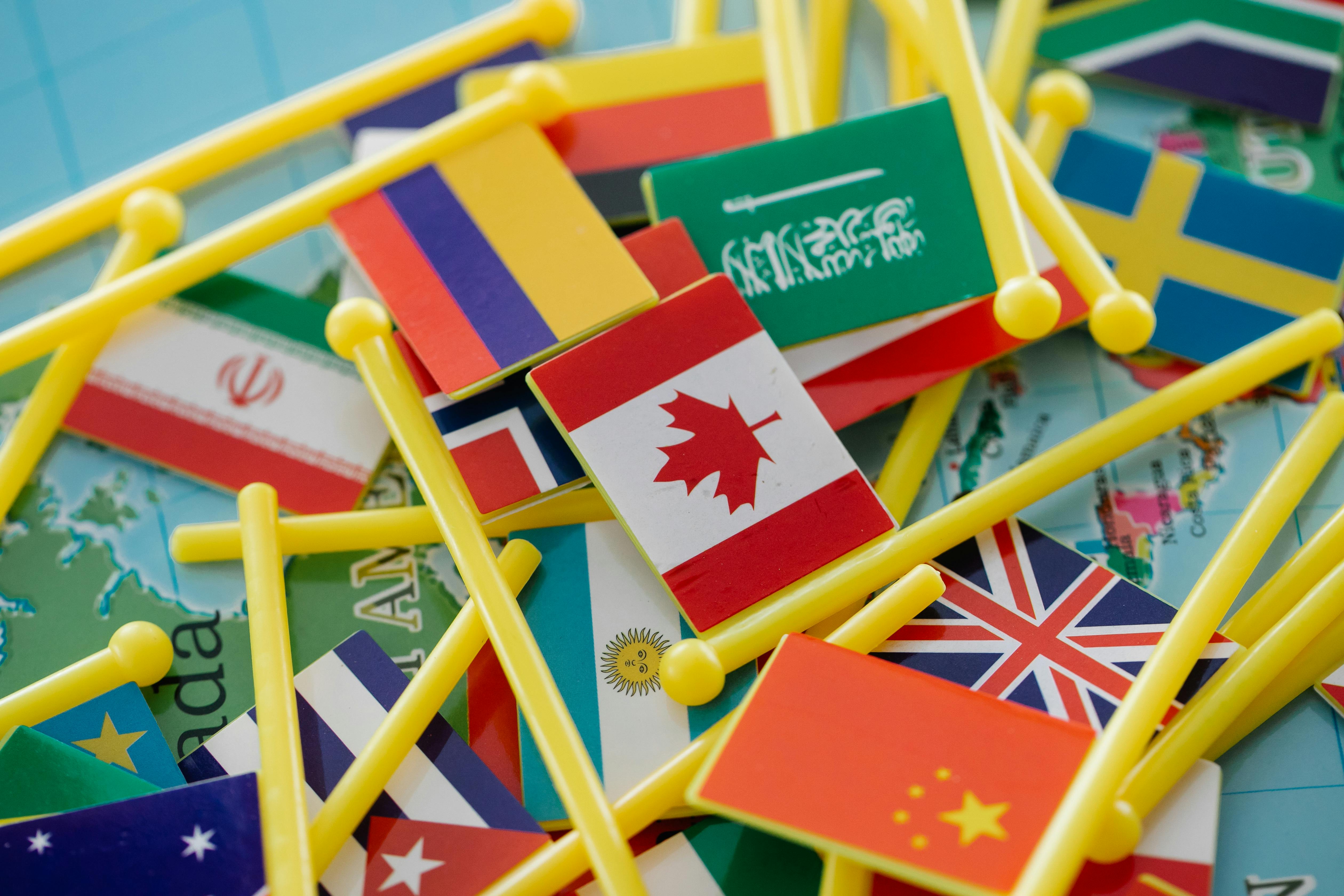
Economic sanctions have become one of the most powerful tools in modern statecraft. By 2025, sanctions are central to the way governments exercise influence, punish adversaries, and reshape global economic alignments. Unlike military action, sanctions target financial systems, trade flows, and access to technology, with the aim of coercing states without direct armed conflict.
The use of sanctions has grown more complex over the past decade. The U.S., the European Union, and other powers have expanded their sanction regimes against Russia, Iran, North Korea, and, more selectively, China. Secondary sanctions now extend restrictions beyond adversary states, forcing third countries and corporations to choose between aligning with Western systems or facing penalties. This shift underscores how sanctions have moved from being tactical tools to structural features of global geopolitics.
Why Sanctions Matter in Global Geopolitics
- Economic Leverage: Sanctions exploit financial and trade dependencies to weaken adversaries, thereby creating a significant impact on their economic stability and capacity to operate effectively on the global stage. This strategy often results in substantial pressure for the targeted governments to reconsider their actions and can lead to unintended consequences that affect civilian populations as well.
- Political Pressure: They aim to alter state behavior without resorting to war.
- Alliance Building: Multilateral sanctions reinforce diplomatic coalitions and shared norms.
- Economic Fragmentation: Widespread sanctions deepen divisions between Western economies and emerging alternative systems.
- Public Awareness: Raising global awareness about the consequences of a state’s actions can garner support for sanctions.
- Strategic Timing: Implementing sanctions strategically can maximize their effectiveness during critical moments.
- Human Rights Advocacy: Sanctions can be employed to promote human rights and humanitarian concerns.
- Targeted Measures: Specific sanctions can focus on particular individuals or entities to minimize broader economic impacts.
Key Geopolitical Drivers of Sanctions in 2025
Russia–Ukraine War
- The West’s sanctions against Russia remain the most extensive in modern history.
- Restrictions on oil, gas, finance, and technology reshape Russia’s economic trajectory.
- Russia turns to China, India, and Middle Eastern partners for trade diversification.
- The sanctions impact various sectors including agriculture and consumer goods.
- Russia faces challenges in import substitutions due to limited technology access.
- The ongoing conflict influences international relations and alliances.
- Global energy markets undergo significant fluctuations due to Russia’s isolation.
- The Russian economy shifts towards greater state control and centralization.
- Foreign investment in Russia declines significantly as sanctions persist.
- The effects of sanctions lead to inflation and decreased purchasing power for citizens.
- Russia increases domestic production to counteract imported goods shortages.
- Diplomatic efforts to resolve the conflict face significant hurdles and setbacks.
- Aggravated geopolitical tensions influence global trade patterns and security alliances.
- Russia’s technological sector struggles with innovation and development under sanctions.
- The labor market in Russia sees shifts as businesses adapt to new economic realities.

Iran and Middle East Stability
- U.S. and EU sanctions target Iran’s energy and financial systems due to nuclear program disputes.
- Regional partners navigate a delicate balance between Western trade and Iranian energy imports.
- The impact of sanctions has limited Iran’s ability to access international financial markets.
- Despite sanctions, Iran seeks to strengthen ties with non-Western nations for trade opportunities.
- Countries in the region assess their energy strategies in light of shifting geopolitical dynamics.
- Sanctions have led Iran to increase its focus on domestic energy production and consumption.
- The Iranian government implements measures to mitigate the effects of economic isolation.
- International companies remain cautious about engaging with Iran due to potential penalties.
- Energy exports are crucial for Iran’s economy, influencing its political strategies.
- Sanctions have prompted Iran to develop alternative routes for oil sales and distribution.
- The situation has created opportunities for neighboring countries to position themselves as energy hubs.
- Analysts monitor the evolving relationship between Iran and its trading partners in Asia.
U.S.–China Tensions
- Export controls on semiconductors and AI technology effectively function as sanctions.
- U.S. applies secondary measures against firms supplying restricted tech to China.
- Beijing counters with investment screening and resource export restrictions.
- Europe evaluates similar export control strategies on sensitive technologies.
- Japan aligns its export policies with U.S. measures to limit technology transfer.
- The global semiconductor supply chain faces increased scrutiny and regulation.
- Tech companies navigate complex compliance requirements in international markets.
- Countries collaborate on intelligence sharing related to technology transfers.
- Trade agreements increasingly contain clauses on technology export controls.
- National security concerns drive legislative changes around technology exports.
- Global competition for technological leadership accelerates regulatory actions.
- Military applications of technology influence export policies and restrictions.
North Korea
- Longstanding sanctions target Pyongyang’s weapons programs.
- Smuggling, cryptocurrency theft, and China’s limited enforcement undermine their effectiveness.
- International negotiations aim to denuclearize the Korean Peninsula.
- Humanitarian aid faces restrictions due to ongoing sanctions.
- Cyberattacks by North Korean hackers raise global security concerns.
- The role of Russia in supporting North Korea’s economy is increasingly scrutinized.
- Regional tensions affect diplomatic relations between North Korea and its neighbors.
- Sanctions impact the daily lives of North Korean citizens.
- Proliferation of weapons technology poses risks beyond the Korean Peninsula.
- External pressures influence North Korea’s domestic policies.
- Increased military drills by South Korea and the U.S. heighten tensions in the region.
- The influence of North Korean defectors on global public opinion is growing.

Mechanisms of Economic Sanctions
- Trade Restrictions: Bans on specific imports or exports (e.g., energy, arms, technology).
- Financial Sanctions: Blocking access to SWIFT, freezing assets, restricting banks.
- Targeted Sanctions: Travel bans and asset freezes on individuals or corporations.
- Sectoral Sanctions: Limiting entire industries such as defense, mining, or energy.
- Secondary Sanctions: Penalizing third-party states or firms that trade with sanctioned entities.
- Import Quotas: Restrictions on the quantity of certain goods that can be imported.
- Export Controls: Regulations limiting the export of sensitive technologies or materials.
- Customs Tariffs: Imposing additional taxes on imports to discourage trade.
- Investment Bans: Prohibiting new investments in specific sectors or regions.
- Economic Boycotts: Refusing to engage in trade with specified countries or regions.
Economic and Political Effects
- Economic Contraction: GDP decline in sanctioned states (e.g., Russia’s reduced foreign investment).
- Currency and Inflation Pressure: Local currencies weaken as reserves shrink.
- Supply Chain Disruptions: Restricted access to critical goods reshapes global trade patterns.
- Political Entrenchment: Target regimes often consolidate power despite sanctions.
- Global Market Reconfiguration: New trade routes and financial systems emerge outside Western control.
- Reduced Foreign Aid: Countries facing sanctions may see diminished international assistance.
- Social Unrest: Economic hardships lead to protests and instability within sanctioned nations.
- Increased Smuggling Activity: As restrictions grow, illegal trade often flourishes.
- Dependency on Non-Western Partners: Sanctioned states may increasingly rely on alliances with non-Western countries.
- Technological Isolation: Sanctions limit access to advanced technology and innovation.
Countermeasures and Sanction Evasion
- Alternative Financial Systems: Russia develops MIR and integrates with China’s CIPS as substitutes for SWIFT.
- Resource Weaponization: States use oil, gas, and rare earth exports as leverage.
- Cryptocurrency: Sanctioned states exploit digital assets to bypass restrictions.
- Regional Partnerships: Iran deepens ties with China under the 25-year cooperation agreement.
- Non-Western Coalitions: BRICS expansion signals intent to challenge Western-led financial dominance.
- Trade Agreements: Countries establish new trade routes and agreements that exclude Western nations.
- State-sponsored Cyber Strategies: Nations increase cyber operations targeting critical infrastructure in rival states.
- Military Alliances: Non-Western nations form strategic military partnerships to counter Western influence.
- Cultural Diplomacy: Countries promote their culture and values abroad to build soft power against Western narratives.
- Sustainable Development Initiatives: States advocate for green technology partnerships to reduce reliance on Western resources.
Case Studies
- Russia (2022–2025): Sanctions cut off major Western markets but accelerate Moscow’s pivot to Asia.
- Iran: Sanctions limit economic growth but fail to force nuclear concessions.
- Venezuela: Sanctions contributed to economic collapse, though the regime maintained power.
- China: Limited but growing sanctions focus on advanced technologies, shaping the global tech race.
- North Korea: Sanctions aim to curtail nuclear weapons development but have led to increased isolation.
- Syria: Sanctions imposed to address human rights violations struggle to bring about regime change.
- Myanmar: Sanctions target military leaders following the coup but have limited impact on governance.
- Cuba: Economic sanctions continue to affect trade and economic reform efforts.
- Sudan: Sanctions were lifted but the economic situation remains challenging due to internal conflicts.
- Belarus: Sanctions imposed after the controversial elections have further pushed it towards Russia.
Challenges in Sanctions Implementation
- Enforcement Gaps: Loopholes and uneven enforcement weaken impact.
- Burden on Allies: Sanctions often increase costs for cooperating economies.
- Humanitarian Impact: Civilian populations face shortages in medicine and food.
- Adaptation Over Time: Target states develop alternative systems and resilience.
- Economic Consequences: Long-term sanctions can damage global supply chains.
- Diplomatic Tensions: Diplomatic relations may deteriorate due to sanctions.
- Increased Corruption: Sanctions can lead to black markets and increased corruption.
- Impact on Third Parties: Neighboring countries may also face economic repercussions.
- Trade Imbalances: Restrictions can create severe trade imbalances affecting economies.
- Domestic Political Pressure: Sanctions can lead to increased domestic unrest or instability.
- Reduction in Foreign Investment: Sanctions deter foreign investors due to increased risk.
- Shifts in Alliances: Countries may realign their geopolitical alliances as a result of sanctions.
Future Outlook
- Institutionalized Sanctions: More states will embed sanctions into long-term foreign policy frameworks.
- Rise of Secondary Sanctions: Pressure on neutral states and corporations will intensify.
- Financial Fragmentation: Expect parallel financial networks to grow outside the Western system.
- Tech Sanctions Expansion: Artificial intelligence, biotech, and quantum computing will face stricter export controls.
- Geopolitical Polarization: Sanctions will deepen divides between Western alliances and emerging multipolar blocs.
- Emergence of Sanction Evasion Tactics: States targeted by sanctions will develop new methods to bypass restrictions.
- Global Supply Chain Restructuring: Firms will seek alternatives to traditional supply routes affected by sanctions.
- Increased State Surveillance: Governments will heighten monitoring of economic transactions connected to sanctioned entities.
- Humanitarian Exceptions in Sanctions: Discussions will grow around allowing humanitarian aid to sanctioned nations.
- Impact on Global Trade Dynamics: Trade patterns will shift significantly as countries adapt to sanctions.
Conclusion
Sanctions have transformed global geopolitics in 2025, shaping trade flows, alliance structures, and financial systems in unprecedented ways. As nations increasingly utilize sanctions as instruments of foreign policy, their impact transcends mere punitive measures; they have become pivotal forces that redefine the landscape of international relations. While they remain powerful tools for exerting pressure, their effectiveness varies significantly by factors such as the rigor of enforcement, the resilience of targeted nations, and the broader global political context. Increasingly, sanctions not only punish adversaries but also restructure global markets, forcing countries to adapt to new realities while simultaneously creating opportunities for alternative economic partnerships. This evolution in the use of sanctions has triggered the emergence of novel alliances among nations that seek to counterbalance traditional power dynamics, often leading to a more fragmented geopolitical environment. As countries reevaluate their positions and strategies in this shifting paradigm, the consequences of sanctions will continue to shape the future of diplomacy, trade, and international cooperation for years to come.
For policymakers and businesses, understanding the long-term effects of sanctions is essential. As great power competition intensifies, sanctions will remain central to the balance of economic and geopolitical power.
Sources
- https://www.csis.org
- https://www.brookings.edu
- https://www.chathamhouse.org
- https://www.cfr.org
- https://www.imf.org
- https://www.reuters.com
- https://www.weforum.org
About The Author