Historic summit sequence establishes framework for direct Ukraine-Russia peace negotiations.
By Namith DP | Aug 20, 2025
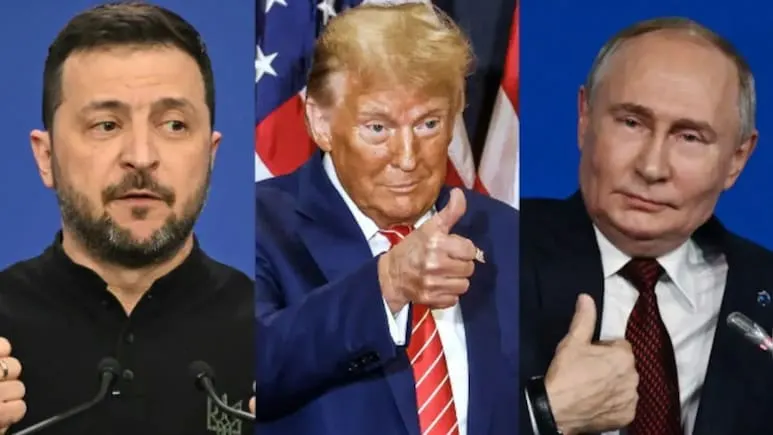
The diplomatic calendar rarely witnesses such rapid-fire international summitry. Within 72 hours, President Donald Trump executed a diplomatic sequence that could reshape the Russia-Ukraine conflict: hosting Vladimir Putin in Alaska on August 15, 2025, followed by extensive White House negotiations with Volodymyr Zelenskyy and European leaders on August 18, 2025. These back-to-back meetings represent the most significant diplomatic developments since Russia’s invasion began, establishing direct negotiation channels between the warring parties while positioning America as the primary mediator.
Historical Context: From Campaign Promise to Presidential Action
Trump’s Campaign Commitment to End the War
Throughout his 2024 presidential campaign, Trump repeatedly promised to end the Russia-Ukraine war quickly, claiming he could resolve the conflict within 24 hours of taking office. These bold assertions generated significant skepticism from foreign policy experts, yet the August diplomatic sequence demonstrates Trump’s commitment to fulfilling this campaign pledge through direct presidential engagement.
The Alaska-Washington summit circuit represents the first concrete implementation of Trump’s campaign promise to use personal diplomacy with both Putin and Zelenskyy to advance peace negotiations. This approach marks a departure from traditional multilateral diplomatic frameworks, emphasizing Trump’s belief in leader-to-leader negotiations as the most effective path to conflict resolution.
Previous Diplomatic Failures Set High Stakes
Multiple previous diplomatic initiatives have failed to produce meaningful progress toward ending the Russia-Ukraine conflict. International summits, UN mediation efforts, and European-led peace proposals have consistently foundered on fundamental disagreements over territorial sovereignty and security guarantees.
The failure of previous diplomatic efforts creates both opportunity and pressure for Trump’s approach. Success would vindicate his unconventional diplomatic methods, while failure could further entrench positions and reduce prospects for future negotiations.
Background: Trump’s Personal Relationships Shape Diplomatic Strategy
History with Both Leaders Creates Unique Mediation Opportunity
Trump’s personal relationships with both Putin and Zelenskyy provide a diplomatic foundation that other international mediators lack. During his first presidency (2017-2021), Trump developed direct communication channels with Putin despite domestic political controversies, while his interactions with Zelenskyy, though complicated by the 2019 impeachment proceedings, established a working relationship that survived political upheaval.
This personal dimension distinguishes Trump’s approach from institutional diplomatic efforts led by the United Nations, European Union, or other international organizations. The Alaska and Washington meetings capitalized on these personal connections to create negotiation opportunities that might not exist for other potential mediators.
Shift from Proxy Negotiations to Direct Leadership Engagement
Previous peace efforts have largely relied on foreign ministers, special envoys, and international organizations rather than direct presidential involvement. Trump’s decision to personally engage both leaders within 72 hours represents a fundamental shift toward summit diplomacy as the primary mechanism for breakthrough negotiations.
The rapid succession of meetings also demonstrates Trump’s belief that momentum and urgency can overcome diplomatic inertia that has characterized previous peace efforts. By compressing negotiations into a concentrated timeframe, Trump seeks to prevent the delays and complications that have derailed earlier initiatives.
The Alaska Summit: Trump-Putin Talks Yield No Immediate Breakthrough

Nearly Three Hours of Direct Negotiations
President Vladimir Putin met for nearly three hours in Anchorage, Alaska, but did not announce a ceasefire or an agreement to end the war in Ukraine. The August 15 summit marked the first face-to-face meeting between the two leaders since Trump’s return to office, generating intense global attention despite producing no concrete agreements.
US President Donald Trump said he and Russian President Vladimir Putin made “great progress” but did not emerge from today’s summit in Alaska with an agreement on the war in Ukraine. Trump’s post-summit assessment reflected cautious optimism while acknowledging the complexity of achieving immediate results.
Military Display Accompanies Diplomatic Talks
The summit featured significant military symbolism, with the military flyover as Mr. Trump and Putin arrived included four F-35s based out of Eielson Air Force Base in Alaska and a B-2 from Whiteman Air Force Base in Missouri. This display of American military capabilities underscored the high-stakes nature of the negotiations.
The choice of Alaska as a meeting location carried strategic significance, demonstrating American sovereignty in a region of increasing geopolitical importance while providing neutral ground for sensitive discussions.
Putin’s Moscow Invitation Sets Stage for Future Talks
When Trump concluded his remarks, he told Putin, “We’ll speak to you very soon.” Putin responded – speaking in English: “Next time in Moscow.” “Oh, that’s an interesting one,” Trump said. This exchange suggested both leaders anticipated continued diplomatic engagement beyond the Alaska meeting.
Putin called the talks a “starting point,” both for the resolution of the conflict with Kyiv as well as for improving relations with Washington, indicating Russian openness to further negotiations despite the lack of immediate agreements.
White House Pivot: European Integration and Ukrainian Security Guarantees

Brian Snyder/Reuters
Trilateral Meeting Expands Negotiation Framework
Following the inconclusive Alaska summit, Ukrainian President Volodymyr Zelenskyy and EU leaders met with President Donald Trump at the White House on Monday. This meeting is set just days after Trump met with Russian President Vladimir Putin in Alaska. The rapid succession of meetings demonstrated Trump’s commitment to maintaining diplomatic momentum.
President Donald Trump and Ukrainian President Volodymyr Zelenskyy’s met at the White House for a high-stakes talks on Ukraine’s future and Russia’s invasion. The inclusion of European leaders marked a significant shift in negotiation architecture, bringing key allies directly into peace discussions.
Ukraine’s $90 Billion Security Arrangement
A major development emerged from the White House talks regarding Ukraine’s long-term security guarantees. Zelensky said that today’s discussion included plans for Ukraine to purchase $90 billion in American weapons through European funding, as part of the country’s security guarantees. This substantial commitment demonstrates Ukraine’s recognition that sustainable peace requires robust defense capabilities.
The security arrangement also includes domestic production elements, with another part of the guarantees would involve Ukraine manufacturing drones, establishing long-term defense industrial cooperation between Ukraine and Western partners.
Extended Negotiations Continue Behind Closed Doors
The diplomatic intensity remained high throughout the day, with Trump’s meeting with Zelenskyy and European leaders concluded, but they are continuing discussions in the Oval Office. The extended format suggested complex negotiations over multiple aspects of potential peace arrangements.
Putin-Zelenskyy Direct Talks: Historic Meeting Announced
White House Confirms Summit Arrangements
The most significant breakthrough from the White House meetings was Trump’s announcement of direct talks between the warring leaders. President Trump says arrangements are underway for a meeting between Ukrainian President Volodymyr Zelenskyy and Russian President Vladimir Putin, an announcement that came after a day of high-stakes talks at the White House.
This represents the first confirmed plans for direct leadership engagement between Ukraine and Russia since the invasion began, marking a potential turning point in diplomatic efforts to resolve the conflict.
American Mediation Role Solidifies
President Donald Trump met with Ukrainian President Volodymyr Zelenskyy in Washington, D.C., today to discuss a path for ending the war in Ukraine. Trump’s positioning as mediator between Putin and Zelenskyy establishes the United States as the essential third party in any substantive peace negotiations.
The rapid diplomatic sequence from Alaska to Washington demonstrates Trump’s hands-on approach to conflict resolution, using personal relationships with both leaders to advance peace prospects.
Security Guarantee Framework and Implementation Challenges
American Troop Deployment Considerations
Regarding enforcement mechanisms for any potential peace agreement, Trump didn’t rule out the possibility of American troops’ helping to guarantee peace between Ukraine and Russia should the leaders reach an agreement. This suggests the administration recognizes that sustainable peace may require international peacekeeping commitments.
European Financial Support Structure
The European dimension of Ukraine’s security arrangements extends beyond the $90 billion weapons purchase. A £2.26 billion loan was provided to Ukraine, which will be repaid from frozen Russian assets, demonstrating creative financing mechanisms using seized Russian resources to support Ukrainian defense needs.
Strategic Implications and Analysis
Diplomatic Momentum Versus Substantive Progress
The rapid succession of high-profile meetings creates positive diplomatic momentum while highlighting the persistent challenges in achieving breakthrough agreements. The Alaska summit’s failure to produce immediate results, followed by the expanded White House negotiations, illustrates both the complexity of the conflict and the sustained effort required for resolution.
European Integration Changes Negotiation Dynamics
The inclusion of European leaders in White House discussions represents a fundamental shift from previous bilateral diplomatic efforts. European participation brings enhanced legitimacy to any eventual agreements while ensuring broader Western commitment to implementation and enforcement.
Military-Diplomatic Balance
The combination of military displays during the Alaska summit and substantial weapons commitments during the White House meetings demonstrates how defense considerations remain central to diplomatic progress. Both sides recognize that credible security guarantees are essential for sustainable peace arrangements.
Timeline and Next Steps
Immediate Diplomatic Priorities
The next phase of negotiations will focus on logistical arrangements for the Putin-Zelenskyy summit, with timing and location likely to be determined through continued American mediation. The success of these arrangements will test Trump’s ability to maintain diplomatic progress between the August meetings and actual leader-to-leader negotiations.
Implementation Challenges Ahead
Historical precedent suggests that even successful diplomatic breakthroughs require extensive implementation periods. The complexity of territorial disputes, security guarantees, and reconstruction needs means that any eventual agreements will require sustained international commitment over multiple years.
Economic Dimensions Drive Peace Prospects
Reconstruction and Development Financing
Ukraine’s $90 billion security commitment represents just one component of the broader economic framework required for post-conflict stability. International financial institutions estimate total reconstruction costs exceeding $400 billion, making sustained Western financial support essential for Ukrainian recovery.
Sanctions Relief Calculations
While not explicitly addressed in recent meetings, Russian economic considerations inevitably include assessments of potential sanctions relief linked to peace agreement compliance. The timing and scope of sanctions adjustments will likely feature prominently in any comprehensive settlement discussions.
Conclusion: Diplomatic Architecture Takes Shape
The diplomatic sequence from Alaska to Washington has established the essential framework for potential Russia-Ukraine peace negotiations. While no immediate breakthroughs emerged, the creation of direct communication channels between Putin and Zelenskyy, mediated by Trump and supported by European partners, represents the most promising diplomatic development since the conflict began.
The $90 billion Ukrainian security arrangement demonstrates Western commitment to Ukraine’s long-term defense while the planned Putin-Zelenskyy summit offers the first realistic prospect for direct negotiations between the warring parties. Success will ultimately depend on the willingness of both Ukraine and Russia to accept meaningful compromises on their core positions, supported by sustained American mediation and European financial commitments.
The stakes remain enormous: regional security architecture, international law precedents, and the credibility of democratic institutions in confronting authoritarian aggression. The diplomatic foundations laid this week may determine whether the Russia-Ukraine conflict moves toward sustainable resolution or continued military stalemate with periodic escalation risks.
See also –
About The Author