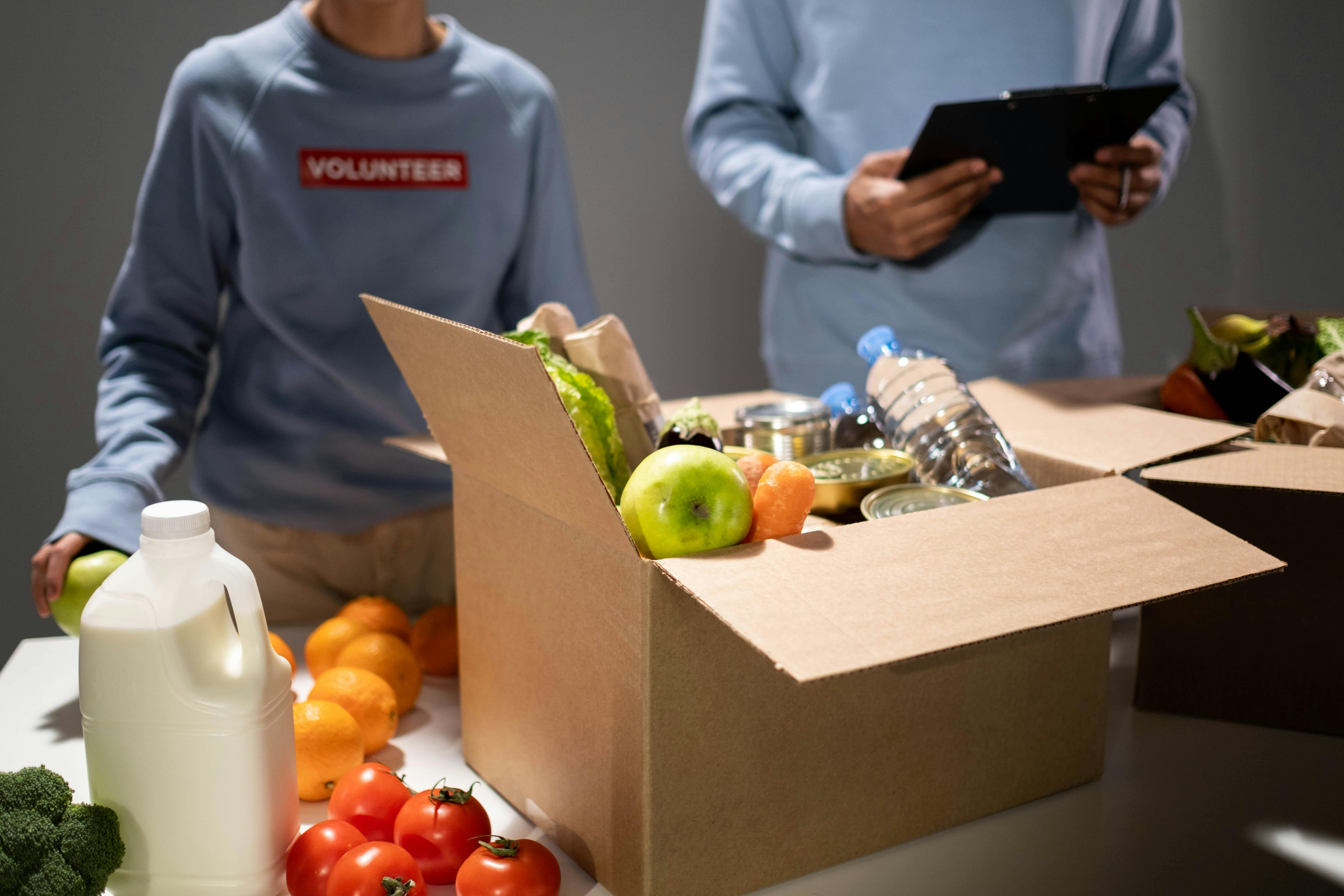
Global food security is no longer a purely agricultural concern. It is a geopolitical challenge that intersects with trade policy, climate strategy, energy security, and national defense. According to the Food and Agriculture Organization (FAO), more than 735 million people faced chronic hunger in 2023. At the same time, the concentration of food production in a few regions, combined with supply chain vulnerabilities, has made global markets highly sensitive to shocks.
The geopolitical dimension of food security stems from three structural factors:
- Uneven distribution of agricultural resources – A small number of countries dominate production of staple crops such as wheat, rice, and corn.
- High dependence on maritime chokepoints – Major shipping lanes like the Suez Canal and the Strait of Malacca handle a significant portion of global food trade.
- Political weaponization of exports – States have increasingly used food as leverage in diplomatic and trade disputes.
These dynamics mean that ensuring global food security requires more than agricultural productivity—it requires strategic coordination across multiple policy domains.
1. Food as a Strategic Geopolitical Asset
Food is a form of soft power and, in times of crisis, a tool of coercion. Countries that control large shares of global grain exports can influence prices, supply stability, and political outcomes in dependent regions.
Key facts:
- Russia and Ukraine together accounted for around 28% of global wheat exports in 2021.
- The United States controls over 30% of global corn exports.
- Thailand and Vietnam supply nearly 50% of traded rice.
In geopolitical disputes, export bans or quotas have immediate ripple effects on dependent nations, often destabilizing entire regions.

2. Conflict and Political Instability
Armed conflict disrupts agricultural production, storage facilities, and transportation infrastructure. The Russia-Ukraine conflict is the most recent and prominent example, where blockades in the Black Sea delayed grain shipments and drove wheat prices to their highest levels since 2008.
Other examples:
- The Syrian civil war led to the collapse of local wheat production, forcing reliance on imports from politically unstable suppliers.
- Yemen’s conflict, coupled with a blockade on ports, has led to severe food shortages despite international aid.
These crises demonstrate that conflict in key producer regions has a disproportionate effect on global markets.
3. Climate Change as a Threat Multiplier
Climate variability and extreme weather events are altering agricultural productivity patterns, affecting both yield and reliability.
Observed impacts:
- Severe droughts in the Horn of Africa reduced cereal production by up to 70% in some areas.
- Heatwaves in India in 2022 forced the government to impose wheat export restrictions to safeguard domestic supply.
- Floods in Pakistan destroyed over 9 million acres of cropland in 2022, disrupting both domestic consumption and export contracts.
The geopolitical risk is amplified because multiple climate events can occur simultaneously, straining humanitarian and trade systems.
4. Energy Prices and Fertilizer Dependence
Agriculture is heavily dependent on energy for fuel, irrigation, and fertilizer production. Fertilizer markets are particularly vulnerable because they rely on natural gas feedstock.
- Russia and Belarus supply about 40% of global potash exports.
- Natural gas price spikes in 2022 increased fertilizer costs by over 250% compared to pre-pandemic levels.
- Countries without domestic fertilizer production capacity face compounded risks during geopolitical tensions.
High energy prices directly translate into higher food prices, creating both economic and political instability.

5. Maritime Chokepoints and Trade Vulnerabilities
Global food trade depends on secure and open maritime routes, which serve as vital corridors for the transportation of essential goods across the globe. Disruption in any key chokepoint, such as canals or straits, can have immediate consequences, leading to increased shipping costs, delays in delivery, and even shortages in food supplies. Such interruptions not only impact individual nations but can also create ripple effects that affect global markets, causing prices to fluctuate and potentially leading to food insecurity in vulnerable regions. As nations rely heavily on these maritime routes for their agricultural imports and exports, ensuring their safety and stability is crucial for maintaining a balanced global food supply chain.
Major chokepoints for food commodities:
- Suez Canal – Handles significant wheat shipments from the Black Sea to Asia.
- Strait of Malacca – Critical for rice and palm oil shipments between Southeast Asia and global markets.
- Panama Canal – Important for U.S. grain exports to Asia.
A blockage, whether from conflict, accident, or environmental restriction, can raise shipping costs and delay deliveries for weeks.
6. Protectionism and Export Controls
During food crises, many governments prioritize domestic stability by restricting exports. While this can stabilize local prices, it often destabilizes international markets.
- In 2022, over 30 countries imposed export restrictions on food commodities, a significant action that reflected the growing concerns over food security and the impact of geopolitical tensions on global trade dynamics.
- Indonesia temporarily banned palm oil exports, disrupting the global edible oils market.
- Argentina imposed limits on beef exports to control domestic inflation, affecting global meat prices.
The cumulative effect of such policies is a reduction in global supply flexibility.
7. Technological Gaps and Uneven Adoption
While precision agriculture, drought-resistant crops, and data-driven farm management can significantly increase yields, their adoption is uneven across regions due to a variety of factors. These factors include access to technology, local agricultural practices, and the varying levels of investment and education among farmers. In regions where infrastructure is better developed and resources are more readily available, farmers tend to embrace these innovations more quickly, leading to higher productivity and resilience against climate fluctuations. Conversely, in areas with limited access to these resources, traditional farming methods persist, hindering progress and leaving farmers vulnerable to the impacts of drought and other environmental stressors. Therefore, addressing these disparities is crucial to ensure that the benefits of modern agricultural practices are felt universally, promoting food security and sustainable farming practices worldwide.
Barriers:
- Limited capital investment in low-income countries.
- Intellectual property disputes over genetically modified seeds.
- Inadequate digital infrastructure for farm data analytics.
The technology gap widens the productivity divide, increasing reliance of some nations on imports.
8. Global Governance Limitations
Institutions such as the FAO, World Food Programme (WFP), and World Trade Organization (WTO) play crucial roles in facilitating coordination among nations, particularly in the areas of food security, international trade, and agricultural development. These organizations work tirelessly to create frameworks that guide member states in their efforts to achieve shared goals, such as reducing hunger and enhancing economic prosperity through fair trade practices. However, it is important to note that their effectiveness is hampered by limited enforcement power over sovereign states, which often prioritize national interests over international agreements. The lack of binding authority means that countries can easily disregard commitments made in multilateral discussions, leading to discrepancies in policy application and outcomes. As a result, while these organizations can provide invaluable guidance, best practices, and financial assistance, they struggle to compel compliance, leading to gaps in the implementation of policies designed to alleviate global challenges. This situation underscores the complexity of global governance, where collaboration is essential yet frequently undermined by national sovereignty and divergent priorities among member countries. Furthermore, the intricate balance of power amongst nations adds another layer to the challenges these institutions face, as emerging economies may have differing perspectives compared to developed nations, complicating efforts to establish universally accepted frameworks. The ongoing struggle highlights the critical need for innovative solutions that can bridge these divides and foster a more cohesive approach to addressing global issues.
Challenges:
- No binding framework for preventing export bans during crises, which can exacerbate shortages and destabilize markets, leading to negative economic impacts on both exporting and importing nations.
- Insufficient integration between climate adaptation programs and trade policy.
- Political polarization within multilateral organizations reducing consensus-building capacity.
Without stronger governance, food supply stability remains vulnerable to unilateral national decisions, which can disrupt the intricate web of global trade and exacerbate food insecurity in various regions. Such actions may lead to increased prices, reduced availability, and uneven access to essential resources, creating a ripple effect that affects not only local economies but also global markets. Therefore, establishing robust international frameworks for cooperation and communication is essential to ensure that the food supply chain is resilient against political instability and unforeseen challenges.
9. Future Risk Outlook (2025–2050)
Projections indicate rising pressure on food systems due to population growth, urbanization, and dietary shifts toward higher protein consumption.
By 2050:
- Global food demand may increase by 50%.
- Arable land per capita is projected to decline by 20%.
- Water scarcity will affect over half of global cropland.
These factors will make geopolitical management of food trade increasingly important.
10. Policy Recommendations
To strengthen global food security against geopolitical risks, coordinated actions are necessary.
Recommendations:
- Diversify supply sources – Reduce dependency on a single exporter for strategic commodities.
- Invest in climate-resilient agriculture – Scale drought- and flood-resistant crop varieties.
- Secure maritime routes – Strengthen naval cooperation in key chokepoints.
- Expand strategic reserves – Maintain grain reserves for emergency release.
- Enhance fertilizer production capacity – Develop domestic or regional plants.
- Improve global governance – Create enforceable trade rules for crisis scenarios.
Data Tables
Table 1: Top 10 Global Food Exporters (2023)
| Rank | Country | Key Exports | Share of Global Trade (%) |
|---|---|---|---|
| 1 | United States | Corn, soybeans, wheat | 13.5 |
| 2 | Brazil | Soybeans, beef, poultry | 9.8 |
| 3 | China | Fruits, vegetables, processed foods | 6.9 |
| 4 | India | Rice, spices, sugar | 5.4 |
| 5 | Russia | Wheat, barley, sunflower oil | 5.3 |
| 6 | France | Wheat, dairy, wine | 4.8 |
| 7 | Germany | Dairy, meat, cereals | 4.1 |
| 8 | Canada | Wheat, canola, pulses | 3.9 |
| 9 | Argentina | Soybeans, beef, corn | 3.6 |
| 10 | Ukraine | Wheat, corn, sunflower oil | 3.3 |
Table 2: Top 10 Food-Import-Dependent Countries (Imports as % of Domestic Consumption)
| Rank | Country | Dependency (%) | Key Imports |
|---|---|---|---|
| 1 | Singapore | 90+ | All staples |
| 2 | Qatar | 85 | Cereals, meat, dairy |
| 3 | Kuwait | 80 | Cereals, fruits, vegetables |
| 4 | UAE | 78 | Meat, cereals, fruits |
| 5 | Saudi Arabia | 70 | Wheat, rice, poultry |
| 6 | Yemen | 68 | Wheat, sugar, cooking oil |
| 7 | Lebanon | 65 | Cereals, dairy |
| 8 | Oman | 63 | Wheat, fruits |
| 9 | Bahrain | 61 | Meat, cereals |
| 10 | Jordan | 60 | Cereals, pulses |
Table 3: Major Global Food Trade Chokepoints
| Chokepoint | Annual Volume (Million Tons) | Key Commodities |
|---|---|---|
| Suez Canal | 54 | Wheat, corn, soybeans |
| Strait of Malacca | 85 | Rice, palm oil |
| Panama Canal | 30 | Corn, soybeans |
| Turkish Straits | 45 | Wheat, sunflower oil |
| Bab el-Mandeb | 25 | Wheat, sugar |
Conclusion
Food security is inseparable from geopolitics. The concentration of production in a handful of countries, dependence on vulnerable maritime routes, climate risks, and politicized trade measures make the system highly fragile. Additionally, the increasing prevalence of extreme weather events, such as droughts and floods, exacerbates these vulnerabilities, as crop yields suffer and supply chains become disrupted. Furthermore, as populations continue to grow, the demand for food intensifies, putting additional pressure on existing agricultural resources. Without targeted investment in sustainable farming practices, stronger governance to regulate trade policies, and cooperative crisis management strategies among nations, food insecurity will remain a persistent driver of global instability, potentially leading to social unrest and conflicts over scarce resources. It is crucial for governments and international organizations to prioritize food security initiatives, fostering collaboration among diverse stakeholders to build resilience against future shocks and ensure equitable access to nutrition for all populations.
Sources
- https://www.fao.org
- https://www.wfp.org
- https://www.worldbank.org
- https://www.ifpri.org
- https://www.imf.org
- https://unctad.org
- https://www.un.org
- https://www.ipcc.ch
- https://www.oecd.org
- https://data.worldbank.org
About The Author