
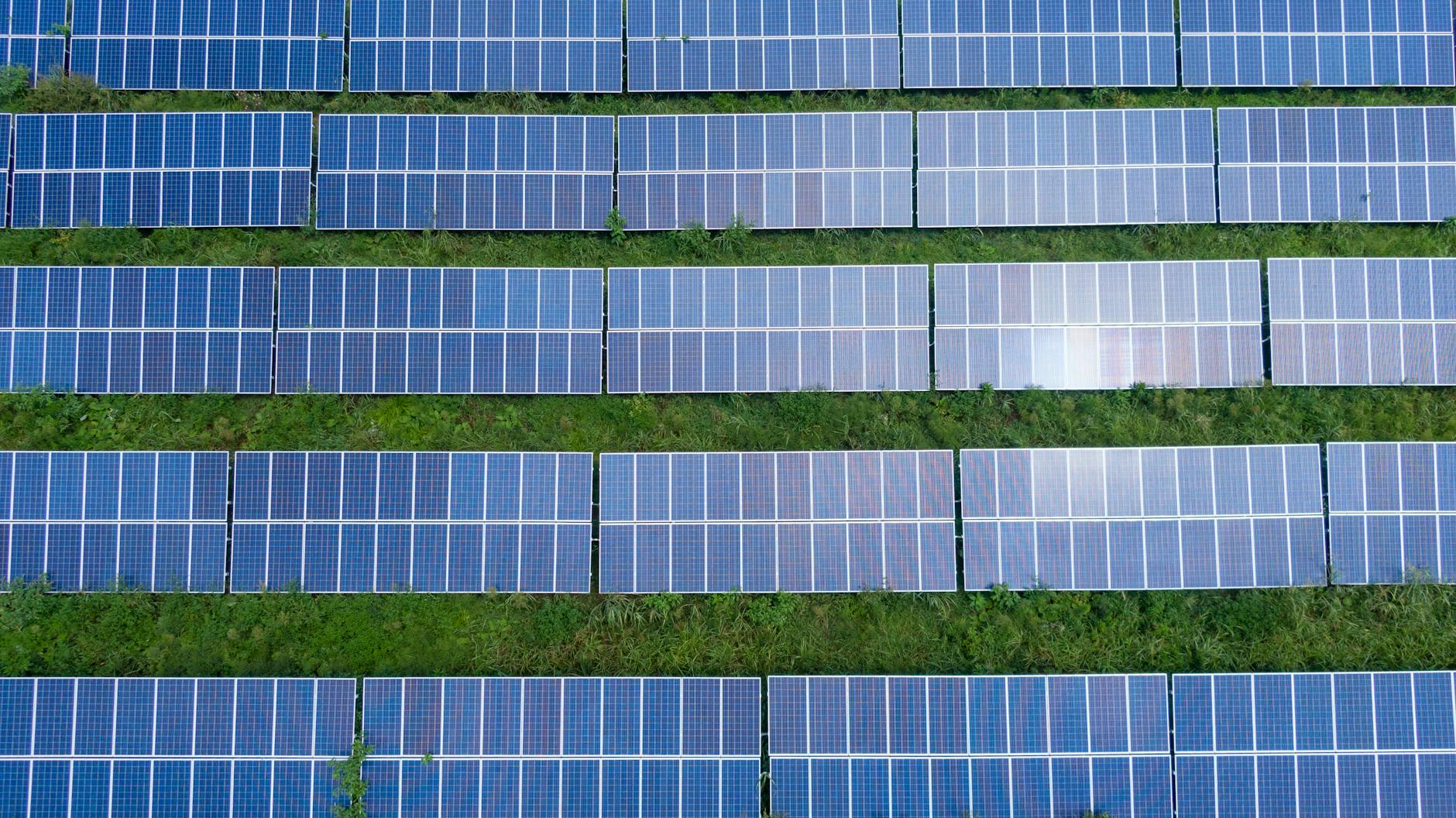
From China’s unmatched solar dominance to the U.S., India and beyond, world leaders are shaping the future of clean power and climate action.
By Namith DP | Aug 18, 2025
The energy landscape in 2025 is defined by speed, scale, and innovation. Renewable energy, once seen as supplementary, has become the backbone of new power generation globally. The International Energy Agency (IEA) reports that more than 500 gigawatts (GW) of renewable capacity were added in 2024, with solar photovoltaics representing two-thirds of the expansion. This momentum reflects not just climate commitments but also the economic logic of low-cost renewables. Electricity generation accounts for about 40% of global CO₂ emissions, making leadership in renewable energy central to achieving climate stability and long-term energy security.
The following ten nations are leading the global renewable energy race in 2025, setting benchmarks for innovation, scale, and integration worldwide.
1. China: Scale and Speed
China remains the undisputed global leader in renewable energy, commanding the largest share of installed capacity worldwide.
- Capacity: Over 1,500 GW of renewable capacity by early 2025, according to IRENA, representing about one-third of global installations.
- Solar dominance: China accounts for more than 50% of the world’s solar PV capacity, with utility-scale and distributed projects expanding rapidly.
- Wind power: The country leads in offshore wind, with more than 60 GW installed, surpassing Europe’s combined capacity.
- Policy support: Beijing’s Five-Year Plans continue to prioritize renewables, backed by low-cost manufacturing and strong grid development.
- Investment: Chinese firms invested over $130 billion in clean energy projects in 2024, more than any other country.
China’s strategy is clear: domestic energy security, global technology dominance, and emissions reduction ahead of its 2030 peak-emissions pledge.
2. United States: Policy Meets Innovation
The United States is experiencing one of its fastest renewable build-outs in history.
- Capacity growth: The U.S. reached 450 GW of renewable capacity in 2025, up from 320 GW in 2020.
- IRA impact: The Inflation Reduction Act (2022) unlocked hundreds of billions in tax credits for solar, wind, storage, and green hydrogen.
- Corporate adoption: Amazon, Google, and Microsoft signed record renewable PPAs, reinforcing the corporate market for clean energy.
- Offshore wind: East Coast offshore wind projects, including Vineyard Wind and Empire Wind, are finally scaling up.
- Storage integration: The U.S. leads in battery deployment, adding over 15 GW of storage capacity in 2024 alone, supporting grid reliability.
The U.S. model combines private-sector dynamism with government incentives, positioning it as the main challenger to China’s dominance.
3. India: Scaling for Growth
India has transformed into a global renewable powerhouse, driven by energy demand growth and falling technology costs.
- Installed capacity: India surpassed 200 GW of renewable energy capacity in 2025, with a government target of 500 GW by 2030.
- Solar parks: Mega-solar parks in Gujarat, Rajasthan, and Karnataka are central to its expansion.
- Wind potential: India has tapped 45 GW of wind energy, but ambitious new auctions are targeting offshore wind in Tamil Nadu and Gujarat.
- Policy framework: The government supports renewables through the Production Linked Incentive (PLI) scheme for domestic solar manufacturing.
- International leadership: India co-leads the International Solar Alliance, promoting solar adoption across developing nations.
India’s progress demonstrates that large-scale renewable transitions are possible even in emerging markets with rising energy demand.
4. Germany: The Energiewende in Action
Germany remains a global pioneer in renewable energy integration.
- Installed capacity: Renewables now supply over 52% of Germany’s electricity demand, according to the Fraunhofer Institute.
- Wind power strength: Germany has over 66 GW of onshore and offshore wind capacity.
- Solar leadership: More than 80 GW of solar PV capacity has been installed, heavily distributed across rooftops.
- Policy targets: The government has set a goal of 80% renewable electricity by 2030.
- Energy security driver: Following the Russia–Ukraine conflict, Germany accelerated its renewable targets to reduce fossil fuel dependence.
Germany demonstrates how renewables can form the backbone of an advanced industrial economy, even during geopolitical disruptions.
5. Spain: Southern Europe’s Renewable Hub
Spain has rapidly advanced as a renewable energy leader in the European Union.
- Installed capacity: Spain operates more than 80 GW of renewables, with a balance of wind, solar, and hydro.
- Solar resurgence: Spain added nearly 8 GW of new solar capacity in 2024, leading Europe.
- Wind success: Wind farms supply around 24% of national electricity, making Spain the second-largest EU wind market.
- Policy structure: Spain’s National Energy and Climate Plan calls for renewables to cover 74% of electricity by 2030.
- Export potential: With strong solar and wind resources, Spain is developing green hydrogen exports to Northern Europe.
Spain highlights how favorable geography, regulatory clarity, and EU support can accelerate renewable leadership.
6. United Kingdom: Offshore Wind Leader
The UK leads Europe in offshore wind energy deployment.
- Installed capacity: Over 14 GW of offshore wind by 2025, with large-scale projects like Hornsea 2 operational.
- Future goals: The UK targets 50 GW of offshore wind by 2030, including floating platforms.
- Solar growth: The country has over 15 GW of installed solar capacity, mostly rooftop.
- Policy momentum: The Contracts for Difference (CfD) mechanism continues to drive competitive auctions.
- Energy transition: Renewables supply over 45% of UK electricity, cutting fossil imports and supporting decarbonization goals.
The UK’s offshore wind expansion serves as a blueprint for other coastal nations seeking to maximize marine resources.
7. Denmark: High Renewable Penetration
Denmark demonstrates that small nations can lead in renewable integration.
- Wind dominance: Wind supplies nearly 55% of Denmark’s electricity, the highest proportion worldwide.
- Installed capacity: More than 8 GW of wind power is deployed, both onshore and offshore.
- Innovation leadership: Denmark is building energy islands in the North Sea, designed to integrate and distribute offshore power across Europe.
- Policy consistency: A long-term political consensus supports renewables as core to national energy policy.
- 2030 goals: Denmark targets 100% renewable electricity by 2030, a near-term milestone unmatched by most countries.
Denmark’s integration success offers valuable lessons for managing variable renewables at high penetration rates.
8. Australia: Distributed Solar Pioneer
Australia has become the global leader in rooftop solar adoption.
- Household adoption: Nearly one in three Australian homes has rooftop solar, the highest penetration globally.
- Installed capacity: Australia has over 35 GW of solar capacity, combining residential, commercial, and utility-scale projects.
- Battery growth: South Australia’s Hornsdale Power Reserve and newer grid-scale batteries demonstrate advanced storage deployment.
- Wind expansion: Wind farms contribute more than 25% of the national electricity market.
- Export vision: Australia is investing in green hydrogen and renewable ammonia for Asian markets.
Australia’s renewable mix showcases how distributed generation can complement large-scale projects in advanced economies.
9. Brazil: Hydro and Emerging Wind-Solar
Brazil continues to lead South America with its renewable-heavy electricity system.
- Hydropower dominance: Hydro supplies nearly 55% of Brazil’s electricity, though droughts highlight the need for diversification.
- Wind expansion: Brazil has over 30 GW of wind power, mostly in the northeast.
- Solar boom: Solar capacity exceeded 25 GW in 2025, growing rapidly in both utility and distributed formats.
- Policy support: Brazil’s regulated auctions have effectively scaled renewable adoption.
- Export strategy: Brazil is preparing for green hydrogen exports to Europe, leveraging cheap renewables.
Brazil shows how a hydro-heavy system can integrate growing solar and wind resources to strengthen resilience.
10. Netherlands: Offshore Acceleration
The Netherlands has emerged as one of Europe’s fastest-growing renewable markets.
- Offshore wind: Installed capacity exceeds 7 GW in 2025, with projects like Hollandse Kust Zuid leading the expansion.
- Solar growth: Solar PV deployment passed 25 GW, making the Netherlands one of Europe’s leaders on a per-capita basis.
- Policy goals: The Netherlands targets 70% renewable electricity by 2030, emphasizing offshore wind and distributed solar.
- Grid integration: Investments in interconnectors with Germany, the UK, and Denmark improve system stability.
- Energy security: The shift to renewables helps the Netherlands reduce natural gas dependence.
The Netherlands exemplifies how smaller nations can accelerate renewable development through clear targets and infrastructure investment.
Lessons From Global Leaders
The top ten renewable leaders share several common features:
- Policy stability is crucial for investor confidence.
- Grid infrastructure must expand alongside capacity to ensure reliability.
- Corporate and consumer adoption accelerates scaling.
- Technology integration, including storage and hydrogen, supports variable renewables.
Countries with these elements not only scale faster but also create resilient energy systems.
Conclusion
The renewable energy race is now defined by execution speed, integration strategies, and investment scale. China sets the pace with unmatched installations, while the U.S. leverages policy and innovation. India demonstrates that rapid growth is possible in developing economies. Germany, Spain, and Denmark show that high renewable penetration can be stable and reliable. The UK leads offshore development, Australia proves the potential of distributed systems, Brazil shows the value of hydro, and the Netherlands demonstrates how policy reform can deliver fast and transformative change.
These ten nations illustrate that renewable dominance is no longer aspirational. In 2025, it is a present-day reality shaping the future of energy systems, global competitiveness, and worldwide economic resilience.
See also –
About The Author





Good work by all the countries
[…] Top 10 Renewable Energy Leaders Shaping the Future in 2025 […]
[…] Top 10 Renewable Energy Leaders Shaping the Future in 2025 […]