
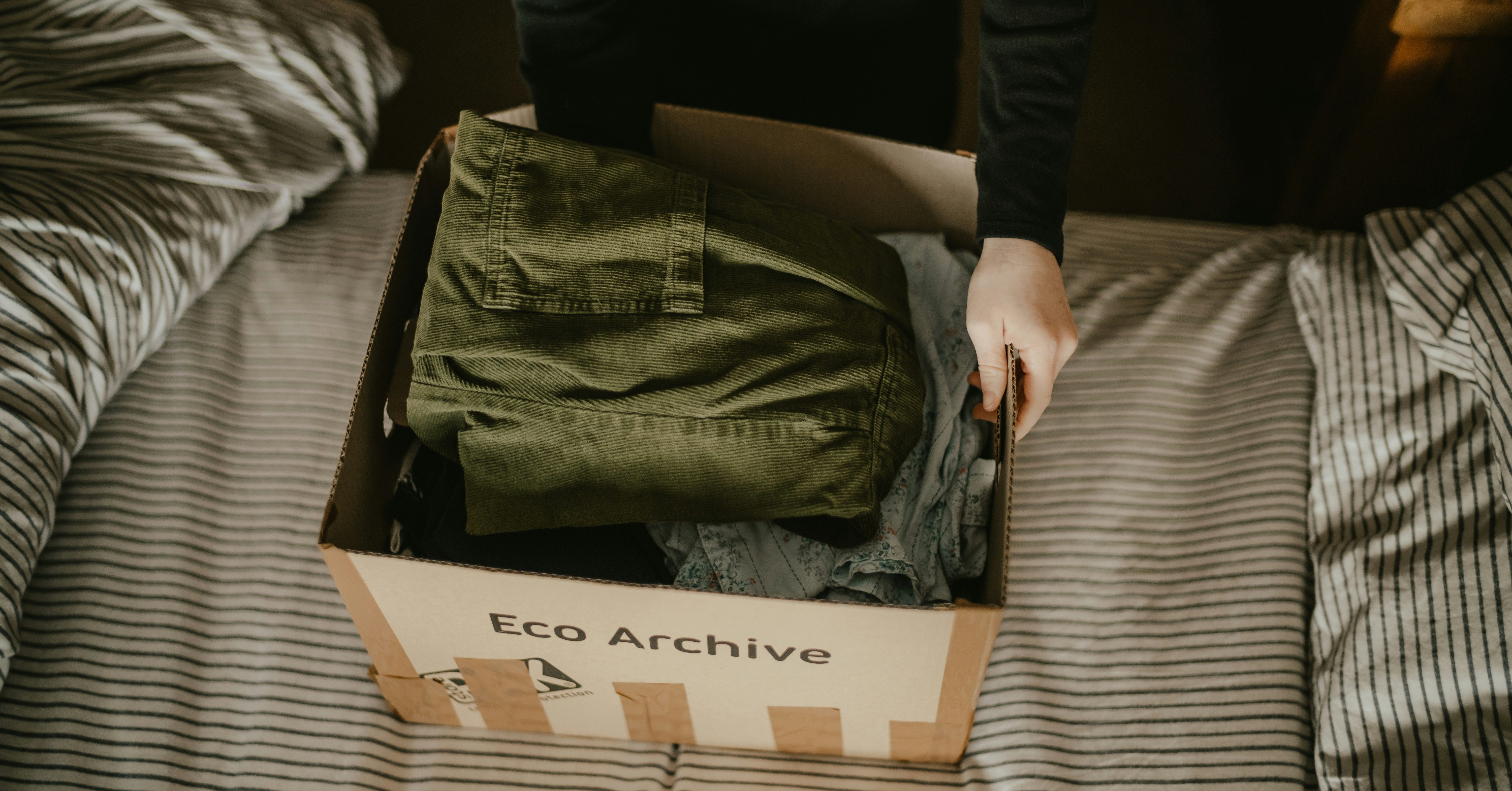
In the age of Marie Kondo, “closet clean-outs” have become a kind of self-care ritual. But while decluttering can spark joy, it can also spark waste. A black trash bag of impulse buys, old fast fashion, and forgotten trends might leave your home, but where does it go?
In the U.S. alone, nearly 85% of discarded clothing ends up in landfills or incinerators, even if it was donated. That means your clean-out could unintentionally contribute to fashion’s massive environmental toll.
But here’s the good news: with a little intention and the right tools, you can host a sustainable closet clean-out that benefits your wardrobe, your wallet, and the planet.
This isn’t just a guide to getting rid of stuff: it’s a step-by-step system to responsibly edit your closet and give each piece a thoughtful second life.
Why Sustainable Decluttering Matters
Before we dive into logistics, let’s answer the bigger question: Why do we need to clean out our closets sustainably?
The fashion industry is one of the top five polluting industries in the world. From toxic dyes to water-intensive cotton to carbon-heavy shipping, clothing has a hidden cost, and tossing it only adds to the damage.
Traditional decluttering often treats clothes as disposable. Sustainable clean-outs do the opposite: they prioritize rewearing, reusing, reselling, and recycling before landfill becomes an option.
So whether you’re doing a seasonal purge, a New Year refresh, or just can’t shut your closet doors anymore—here’s how to do it without harming the planet.
Prepare Your Space (And Your Mindset)
A sustainable clean-out is part physical, part emotional.
Set the Intention
Ask yourself:
- Am I decluttering to make space or to make better use of what I have?
- How can I extend the life of my clothes instead of just replacing them?
- What habits led to overconsumption—and how can I change them?
Gather Your Supplies
You’ll need:
- Bins or boxes labeled Keep, Repair, Donate, Resell, Recycle, Swap
- A full-length mirror
- A notebook or app to track what’s leaving and why
- A laundry basket for things to wash before donating or selling
You don’t need to do it all in one day; consider blocking out a weekend or tackling one section at a time (tops, bottoms, shoes, etc.).
The Closet Audit — Keep, Mend, Let Go
This is the heart of the clean-out. You’ll touch every item and decide: Stay or go?
The Golden Questions
- Do I wear this regularly?
- Does it still fit and flatter me?
- Would I buy it again today?
- Does it work with at least 3 other things I own?
- Is it damaged beyond repair—or could it be fixed?
Be honest—but not ruthless. Sustainability isn’t about minimalism for minimalism’s sake. If something brings you joy and you wear it with love, keep it.

Create a Capsule
You’ve probably seen the term capsule wardrobe all over Pinterest. But you don’t need to limit yourself to 33 items or stick to a black-and-white color palette.
Instead, think of a capsule as your wardrobe core, the pieces that do the most heavy lifting. These are your:
- Go-to jeans
- Blazer or jacket
- Favorite tees
- Seasonal staples
- Versatile shoes
Group these items together and build around them. This approach helps you buy less, remix more, and focus on what actually works.
What to Do With the “Let Go” Pile
This is where most closet clean-outs turn wasteful, but yours doesn’t have to.
1. Donate (But Responsibly)
Only donate clean, wearable items. Check with local shelters, refugee centers, or organizations with specific clothing needs.
Avoid dumping stained or torn items at donation bins; many of those clothes still end up in landfills or exported as textile waste to the Global South.
2. Resell
If the item is in good condition and has resale value, consider:
- Poshmark
- Depop
- ThredUP
- Buffalo Exchange (in-person)
- The RealReal (for designer pieces)
You’d be surprised how much your gently used clothing can earn, and it’s a great way to fund future sustainable purchases.
3. Recycle
Some pieces won’t be wearable or sellable, but don’t toss them yet.
Try:
- Terracycle’s textile recycling programs
- For Days Take Back Bag
- H&M or Levi’s in-store textile recycling (check local availability)
- Local municipal textile bins
Avoid “wishcycling” (throwing things in the wrong bin, hoping they’ll be recycled). Make sure your recycling option is textile-specific.
Host a Clothing Swap

Clothing swaps are a low-waste, feel-good way to declutter and refresh your wardrobe.
How to Host One:
- Invite friends, coworkers, or your local community
- Set guidelines (e.g., bring 5-15 gently worn items max)
- Organize by size or type (tops, pants, accessories)
- Offer mirrors and a try-on space
- Donate unclaimed items responsibly afterward
Track Your Patterns
Once you’ve gone through your closet, take 10 minutes to reflect. What types of clothes did you get rid of the most?
Patterns might include:
- Impulse buys from fast fashion hauls
- Things that didn’t fit right but were “too cheap to pass up”
- Duplicates of the same item
- Occasion-wear you never wore again
- Trendy pieces that aged quickly
Use this insight to change your shopping habits. Awareness is the first step toward truly sustainable style.
Repair, Repurpose, Reimagine
Not ready to toss that stretched-out sweater or faded tee? Good, let’s get creative.
Repair
- Learn basic sewing (YouTube is full of tutorials)
- Visit a local tailor for zippers, hems, or button replacements
- Use iron-on patches for holes or frays
Repurpose
- Turn old shirts into reusable cleaning rags
- Crop long tops or oversized tees for a new silhouette
- Cut denim into shorts or tote bags
Reimagine
Try a closet styling challenge:
- 10 items, 10 days, 10 outfits
- No-repeat outfit week
- No-buy month using only “forgotten” items
These challenges help you reconnect with your clothes before buying more.
Set Yourself Up for Success
A clean-out means little if the clutter just comes back. Build systems to keep your wardrobe sustainable long-term.
1. One In, One Out
Bought a new shirt? Let one go. This keeps your closet curated and prevents overflow.
2. Wishlist Before Buying
Keep a running list of items you genuinely need or love. This curbs impulse buys and makes sales less tempting.
3. Shop Secondhand First
Before heading to the mall or opening a new browser tab, check local thrift stores, vintage shops, or online resale apps.
4. Follow Sustainable Style Influencers
Social media can be a consumption trap, but it can also inspire you to do better. Follow accounts that value rewearing, thrifting, mending, and mindful consumption.
Celebrate the Wins (Big and Small)
Decluttering can feel emotional. Clothes carry memories, identities, and even guilt. But letting go can also feel like a release.
So celebrate it.
You made space—not just in your closet, but in your life. You kept clothes out of landfills. You chose intention over impulse.
And best of all? You’ve laid the foundation for a wardrobe that reflects you, not just what the algorithm told you to buy.
Final Thoughts: It’s Not About Perfection, It’s About Progress
Hosting a sustainable closet clean-out doesn’t require a perfect wardrobe or a zero-waste lifestyle. It just takes thoughtfulness. Every shirt resold, every item swapped, every textile recycled, that’s a step toward a more conscious fashion future.
So next time you reach for a trash bag, pause. Grab a donation box. Call your friends. Pull out the sewing kit. Make a playlist. Turn your closet purge into a movement, not just for your space, but for the planet.
References
Ellen MacArthur Foundation. “A New Textiles Economy.”
Earth.org. “Fast Fashion Waste Statistics.”
Fashion Revolution. “How to Donate Your Clothes Responsibly.”
Good On You. “What to Do With Old Clothes.”
Green America. “Textile Waste Facts.”
ThredUP. “Resale Report 2024.”
Remake. “Our Approach to Ethical Fashion.”
Terracycle. “Textile Recycling Programs.”
H&M Garment Collection Program. Company Info
For Days. Take Back Bag Program
Olivia Santoro is a writer and communications creative focused on media, digital culture, and social impact, particularly where communication intersects with society. She’s passionate about exploring how technology, storytelling, and social platforms shape public perception and drive meaningful change. Olivia also writes on sustainability in fashion, emerging trends in entertainment, and stories that reflect Gen Z voices in today’s fast-changing world.
Connect with her here:https://www.linkedin.com/in/olivia-santoro-1b1b02255/
About The Author


