
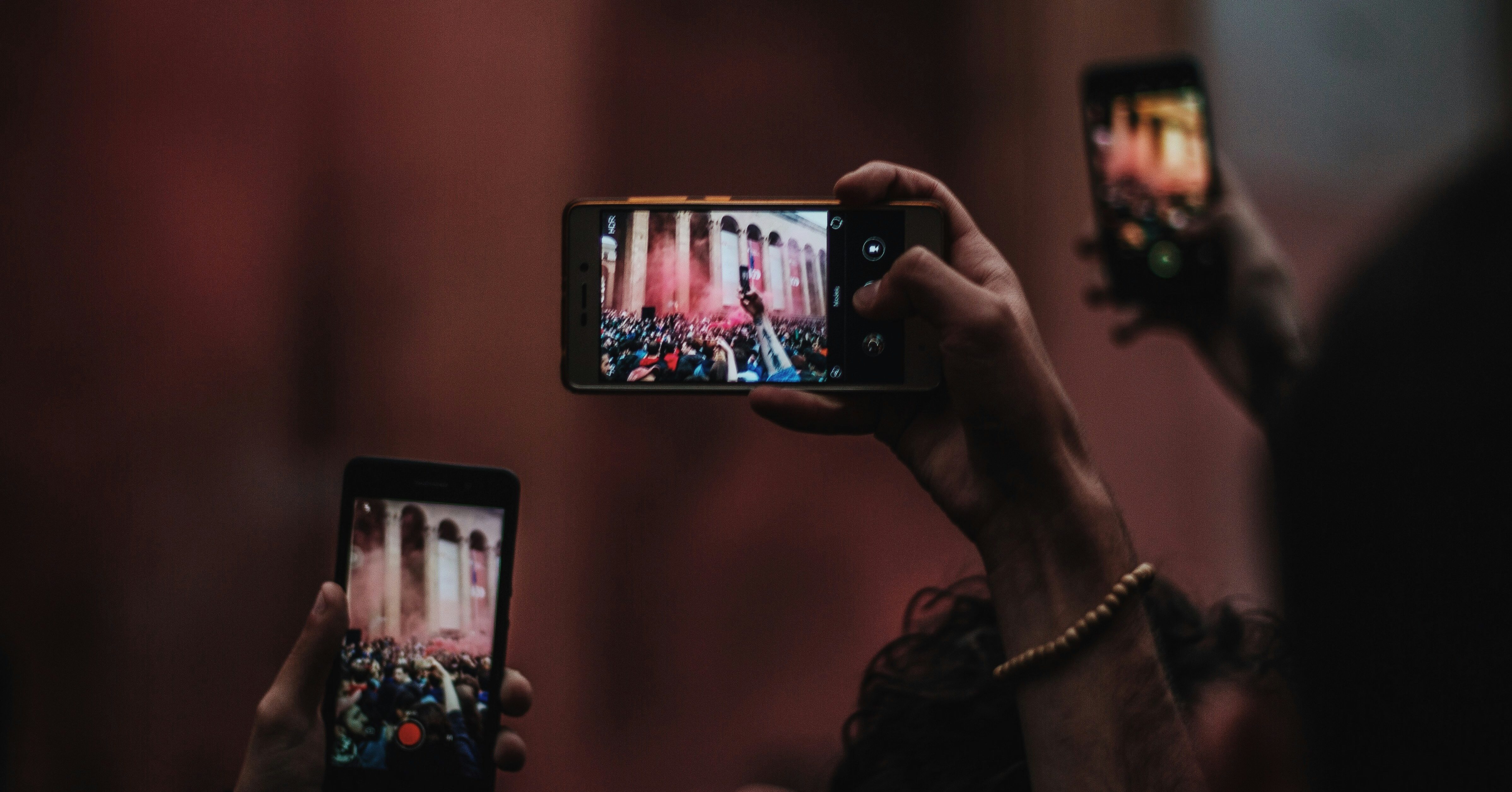
These Platforms Didn’t Just Disrupt; They Defined the Way We Connect, Create, and Consume Online
In just over two decades, digital culture has evolved from static web pages and dial-up chatrooms to algorithm-fueled platforms shaping elections, social movements, fashion trends, and even the way we define identity. Behind this transformation? A handful of platforms that didn’t just go viral; they rewired the culture.
Here are the 20 most influential digital platforms that fundamentally reshaped our world.
1. YouTube (2005) — The Birthplace of the Creator Economy
YouTube gave rise to an entirely new class: the creator. Before it, video content required networks and studios. After it, anyone with a camera could go global. It launched internet celebrities, DIY educators, and vloggers into the spotlight, and turned “subscribe” into a cultural reflex.
More than a platform, YouTube became an archive of everything: music videos, lectures, tutorials, and generational inside jokes.
2. Facebook (2004) — From Campus Directory to Global Power Broker
What started as a Harvard student directory evolved into a global force that redefined connection, privacy, and politics. Facebook popularized the social graph, the like button, and personalized feeds, creating the infrastructure of modern social networking.
Its influence on digital identity, data privacy, and community organizing is still unfolding.
3. Twitter (2006) — Where News Broke and Movements Began
Twitter gave us brevity and velocity. It’s where revolutions (#ArabSpring), reckonings (#MeToo), and real-time reactions took place. It turned anyone into a broadcaster—and reshaped journalism in the process.
Hashtags became cultural bookmarks. Opinions became public performances. And virality became political capital.
4. TikTok (2016) — The Algorithm That Watches You Back
TikTok didn’t just change how we scroll. It changed how we consume, create, and even think. It’s For You Page turned micro-content into macro-trends. Dance challenges, fashion hauls, political commentary; all in under 60 seconds.
It’s the cultural engine of Gen Z and the platform most responsible for meme speed and audio-driven trends.
5. Reddit (2005) — The Front Page of the Internet
Reddit proved that internet subcultures could not only thrive but also influence the mainstream. From WallStreetBets to AmITheAsshole, it became the go-to forum for honest takes, expert insights, and collective trolling.
It democratized expertise and decentralized the community. No influencers, just upvotes.
6. Instagram (2010) — Where Aesthetics Became Currency
Instagram redefined how we present ourselves. It elevated curation to an art form and made visual identity a form of social proof. From influencers to brand storytelling, its grid became the modern resume—and a marketplace.
It also changed how we travel, eat, dress, and build status. In the age of visual culture, Instagram led the charge.
7. Tumblr (2007) — The Original Alt Internet
Tumblr was weird before weird became cool. It gave marginalized identities a creative refuge long before mainstream platforms did. Fan culture, LGBTQ+ expression, and meme aesthetics all flourished here, quietly seeding today’s internet irony.
Though its popularity faded, its legacy is etched into digital subcultures everywhere.
8. Pinterest (2010) — Where Aspiration Took Visual Form
Pinterest quietly shaped everything from wedding aesthetics to interior design trends. It gamified dreaming—and became the search engine for taste.
Behind the boards were early digital planners and mood-boarders influencing fashion, wellness, and lifestyle branding for an entire generation.
9. Snapchat (2011) — Ephemeral Content, Permanent Impact
Snapchat invented the Stories format now used across platforms. It shifted the internet from permanent to fleeting—and changed how we communicate in the moment.
Its face filters, Bitmoji integrations, and AR features were ahead of their time, pioneering digital self-expression.
10. Twitch (2011) — Streaming as Spectacle
Twitch turned passive watching into participatory entertainment. It made gaming a performance, and gamers, celebrities. But its impact goes far beyond gaming.
Live streaming culture, monetized fandoms, and real-time interaction all found their home here.
11. LinkedIn (2003) — The Professional Internet
LinkedIn normalized the digital resume, but evolved into something more. It’s now a platform where thought leadership meets career storytelling.
It rebranded networking for the digital age and gave professionals a voice: one post at a time.
12. Spotify (2008) — The Soundtrack of Digital Life
Spotify changed not only how we listen to music but how we discover it. Its algorithmic playlists, Wrapped recaps, and podcast expansion made it a lifestyle companion.
More than a music service, it’s now a culture barometer; tracking mood, genre shifts, and audio obsessions.

13. Wikipedia (2001) — The People’s Encyclopedia
Wikipedia turned information into a commons. It democratized knowledge creation and challenged traditional gatekeepers of expertise.
Every student, journalist, and curious thinker has relied on it. Its model of collaborative editing changed how we trust and verify content online.
14. OnlyFans (2016) — The Paywall of Intimacy
OnlyFans blurred the line between influencer, creator, and sex worker—and flipped the power dynamic. It lets creators monetize directly, retain autonomy, and speak to niche audiences without middlemen.
Its rise sparked broader conversations around consent, labor, and the economics of digital intimacy.
15. WhatsApp (2009) — Messaging Without Borders
WhatsApp turned messaging into a global infrastructure. With end-to-end encryption and group chats that power everything from family updates to political activism, it became essential to global communication.
Its cultural power is strongest in regions where mobile-first, text-heavy interaction is the norm.
16. Clubhouse (2020) — The Audio Experiment That Echoed Everywhere
Clubhouse’s moment was brief, but seismic. It ushered in the audio social era, where voice became the new medium for community.
While the platform faded, its influence spread: see Twitter Spaces, LinkedIn Audio, and the new wave of podcast-style engagement.
17. Substack (2017) — Newsletters as Rebellion
Substack resurrected the newsletter and made it a viable business. It empowered journalists, experts, and creators to build direct relationships with audiences without algorithmic interference.
It’s part of a growing movement toward independent media and reader-supported storytelling.
18. BeReal (2020) — Authenticity as a Feature
BeReal broke the illusion of curation by forcing users to post one unfiltered photo a day; no prep, no filter, just now.
Its viral rise spoke to growing fatigue with the polished perfection of social media and a hunger for genuine, spontaneous moments.
19. Medium (2012) — Where Longform Found Its Place
Medium made long-form content accessible again. It offered a sleek platform for thoughtful takes, personal essays, and niche expertise, helping revive blogging culture in a Twitter-dominated era.
It also introduced the “clap,” a new metric for meaningful engagement.
20. Discord (2015) — The New Town Hall of the Internet
Originally for gamers, Discord quickly evolved into a digital third space. From fan communities to study groups to DAOs and NFTs, it became a place for real-time connection and shared interest.
Its server-based structure mimics old-school chatrooms, yet its impact feels incredibly modern.
The Cultural Shift: From Platform to Ecosystem
Each of these platforms did more than gain users; they shaped behaviors. They changed the way we communicate (Snapchat, WhatsApp), consume (YouTube, TikTok), create (Instagram, Substack), and connect (Reddit, Discord).
More importantly, they built ecosystems that extend beyond the screen. They influence political outcomes, fashion trends, mental health, and movements. They’re not just platforms. They’re cultural architects.

What Makes a Platform Influential in 2025?
Today, influence isn’t measured solely by downloads or active users. It’s measured by:
- Cultural penetration: Has the platform shaped how we express, protest, or relate?
- Behavioral change: Has it introduced new habits or killed old ones?
- Economic impact: Has it created new industries or challenged legacy models?
- Community power: Has it given people a new way to find each other?
The most influential platforms aren’t just tools. They’re mirrors. They reflect our desires, anxieties, creativity, and contradictions.
The Future of Digital Culture
As AI, Web3, and decentralized platforms gain traction, we’ll likely see a shift toward platforms that prioritize trust, transparency, and community-owned content. But the legacy of these 20 will echo through whatever comes next.
They’re the reason your grandma uses emojis, your teenager speaks in memes, and your news cycle never sleeps.
They didn’t just change digital culture. They are digital culture.
References
Pew Research Center. (2024). Social Media Fact Sheet. https://www.pewresearch.org/internet
Wired. (2023). How YouTube Created the Creator Economy. https://www.wired.com
Vox. (2021). How Facebook Took Over the World. https://www.vox.com/facebook
Time. (2022). How Twitter Changed the World. https://time.com/twitter-history
The Guardian. (2023). TikTok’s Cultural Dominance Explained. https://www.theguardian.com
NPR. (2021). Reddit and the GameStop Uprising. https://www.npr.org/sections/money
Harvard Business Review. (2022). How Instagram Changed the Fashion Industry. https://hbr.org
TechCrunch. (2020). Snapchat Stories Changed Social Media Forever. https://techcrunch.com
Fast Company. (2022). Pinterest and the Rise of Lifestyle Curation. https://www.fastcompany.com
Olivia Santoro is a writer and communications creative focused on media, digital culture, and social impact, particularly where communication intersects with society. She’s passionate about exploring how technology, storytelling, and social platforms shape public perception and drive meaningful change. Olivia also writes on sustainability in fashion, emerging trends in entertainment, and stories that reflect Gen Z voices in today’s fast-changing world.
Connect with her here: https://www.linkedin.com/in/olivia-santoro-1b1b02255/
About The Author


