
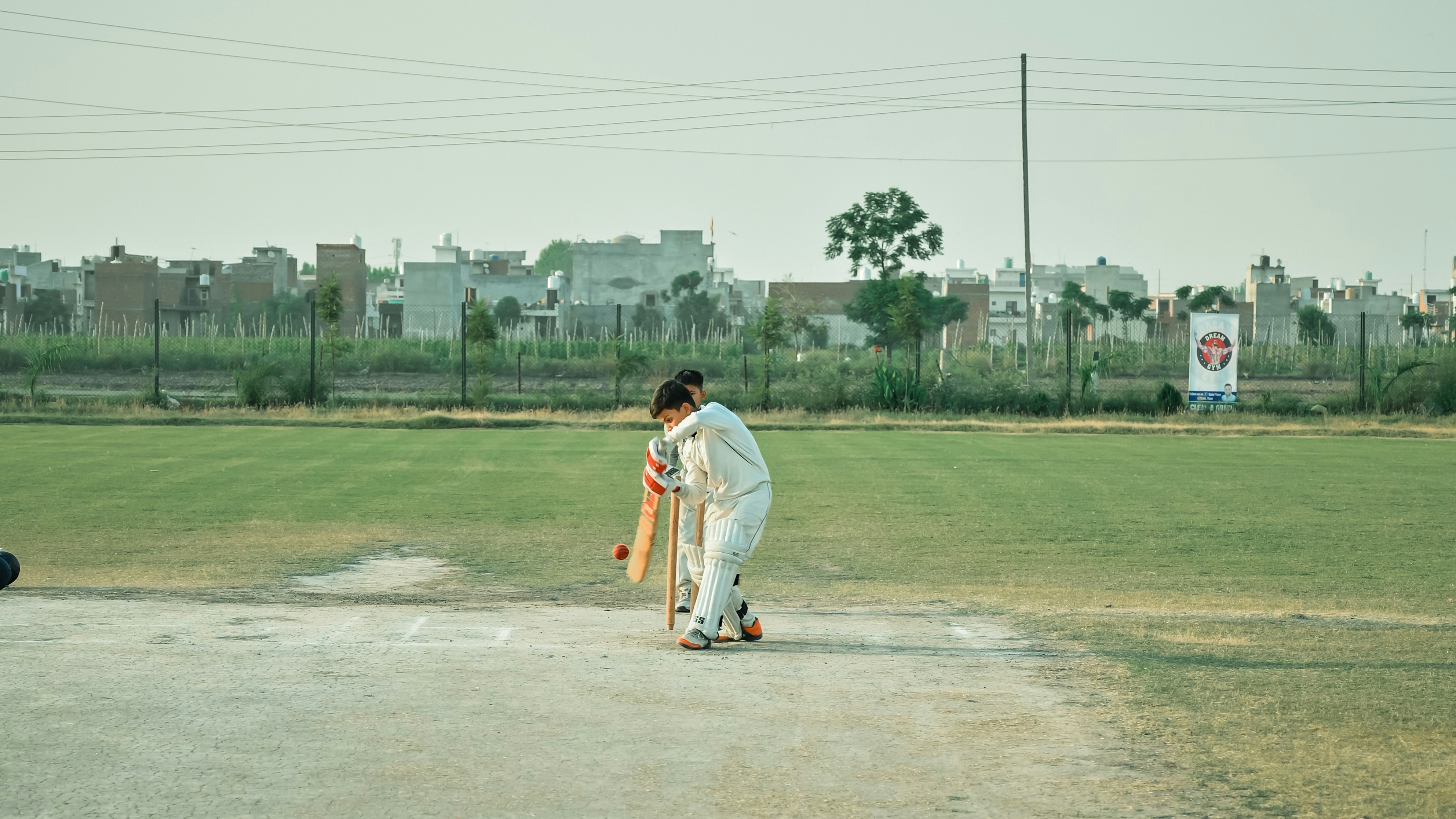
Youth cricket tournaments serve as the backbone of the sport’s development pipeline. Beyond competition, these structured events foster discipline, skill development, and long-term engagement. In a cricketing ecosystem that demands both elite performance and grassroots sustainability, youth tournaments provide measurable, long-term benefits that impact players, coaches, federations, and sponsors.
This article explores how structured youth tournaments directly influence cricket’s future. It draws from international data, federation policies, and case studies to illustrate how stakeholders can optimize youth tournaments for growth and results.
Foundations of Long-Term Athlete Development
Systematic Skill Progression
Youth cricket tournaments create structured environments where players apply skills under pressure. This supports the Long-Term Athlete Development (LTAD) model, used by national cricket boards globally.
Key milestones achieved through youth tournaments:
- Transition from technical drills to match execution.
- Real-time decision-making under various game scenarios.
- Exposure to different conditions (pitch types, weather, opposition strength).
Example:
Cricket Australia’s Under-15 and Under-17 Championships follow a model where players progress through age levels, eventually feeding into the National Performance Squad.
Early Role Specialization
By age 13–15, most cricketers begin to specialize as batters, bowlers, or all-rounders. Youth tournaments enable this specialization with match data and coaching feedback.
Benefits of specialization through tournaments:
- Early identification of core competencies.
- Position-specific development plans.
- Tactical and role-based awareness (e.g., death bowling, middle-order batting).

Pathway to Professional Cricket
Scouting and Talent Identification
Major domestic and international cricket bodies use youth tournaments for national team selection. Tournament performance serves as a reliable benchmark for consistency, temperament, and match fitness.
Example:
The BCCI’s Vinoo Mankad Trophy and Cooch Behar Trophy have produced players like Shubman Gill and Ishan Kishan.
Tactical approach by scouts:
- Monitor performance across multiple formats (50-over, T20, multi-day).
- Use video analytics and digital scorecards.
- Track tournament consistency across different zones or states.
Scholarships and Institutional Support
Strong performances in youth tournaments often unlock access to private school scholarships, sports academies, or government programs.
Key outcomes:
- Reduction in dropout rate due to financial strain.
- Access to certified coaching and quality infrastructure.
- Academic flexibility to support training.
Exposure to Competitive Environments
Match Intensity and Pressure Management
Tournaments simulate competitive pressure similar to professional levels. Players develop psychological resilience, strategic thinking, and game temperament.
Performance advantages gained:
- Coping with close finishes and high-stakes decisions.
- Navigating failure and recovery over a tournament cycle.
- Handling crowd presence and match officials.
Example:
In the England and Wales Cricket Board’s (ECB) County Age Group tournaments, sports psychologists evaluate youth player responses to pressure situations and design improvement modules.
Inter-Cultural and Regional Exchange
Cross-regional youth tournaments enable players to compete against diverse opposition. This improves adaptability and broadens cricketing perspectives.
Benefits include:
- Exposure to varied playing styles and strategies.
- Learning to adjust to different pitch and climate conditions.
- Building peer networks across geographies.
Coaching and Tactical Development
Enhanced Coach-to-Player Ratios
Tournaments offer an opportunity for coaches to work with smaller, focused groups. This results in more detailed feedback and position-specific tactical input.
Improved outcomes:
- Faster correction of technical errors.
- Real-time situational feedback (e.g., bowling plans per batter).
- Use of data to support growth metrics.
Example:
South Africa’s Khaya Majola Week offers video breakdowns to coaches after each match, which inform daily team reviews and training objectives.
Use of Performance Analytics
Cricket academies and national boards now integrate data analytics into youth tournaments.
Common metrics tracked:
- Bowling economy in powerplay vs. death overs.
- Batting strike rate against pace vs. spin.
- Dot ball percentage and rotation frequency.
Technology used:
- Hawk-Eye and PitchVision for biomechanics.
- CricHeroes, NV Play, and similar software for data visualization.
Fan Base and Local Community Development
Building Regional Fan Loyalty
Youth tournaments often attract schoolmates, families, and local community members, cultivating early fan loyalty. This creates future market segments for professional teams.
Long-term brand value:
- Early affinity with teams and players.
- Youth-centric merchandise opportunities.
- Ticket conversions when local players go pro.
Example:
Mumbai’s Giles and Harris Shield tournaments regularly attract 1,000+ daily spectators during semifinals and finals, despite no broadcasting.
Community Engagement Programs
Tournaments provide a platform for CSR and community engagement through:
- Health check-ups and nutrition camps for participants.
- Gender-inclusive initiatives and girl-specific tournaments.
- Engagement of local volunteers and school networks.
Global Case Studies on Youth Tournament Impact
India: The BCCI Youth Pyramid
India’s structured youth tournament pathway has created a deep talent reservoir. Age-level tournaments are monitored by the National Cricket Academy, with direct pathways into state and IPL franchises.
Structure:
- U-14 (Inter-School, School Games Federation of India).
- U-16 (Vijay Merchant Trophy).
- U-19 (Cooch Behar Trophy, Vinoo Mankad Trophy).
- U-23 (Col. C.K. Nayudu Trophy).
Impact:
More than 85% of current India A and U-23 players have progressed through this system.

Australia: The Cricket Pathway Program
Cricket Australia integrates club, school, and zonal competitions within a singular pathway. The program focuses on performance as well as well-being and education.
Key outcomes:
- 12% increase in year-on-year female participation.
- Centralized injury tracking and workload management.
- Mandatory education modules for players during tournament breaks.
United Kingdom: ECB County Age Groups
ECB County Age Group tournaments feed directly into the National Cricket Performance Centre. Each region has designated player development officers, data analysts, and psychologists.
Results:
- Earlier identification of injury risks via biomechanical data.
- Mental resilience training integrated into match preparation.
- Consistent feed into U-19 and county-level professional teams.
Economic and Infrastructure Implications
Driving Investment in Local Infrastructure
Hosting youth tournaments requires quality pitches, training nets, and fitness facilities. These upgrades benefit both players and local recreational users.
Infrastructure upgrades typically include:
- Turf wicket preparation for multi-day formats.
- Video scoring stations and analytics booths.
- Bio-safe accommodations and nutrition zones.
Example:
The Karnataka State Cricket Association invested ₹3 crore into upgrading U-16 tournament venues across Bengaluru, Mysore, and Hubli in 2023.
Job Creation and Economic Impact
Youth tournaments support job creation across logistics, broadcasting, hospitality, and officiating.
Roles impacted:
- Local scorers and statisticians.
- Medical staff, umpires, and tournament officials.
- Catering, accommodation, and transportation workers.
Women’s Cricket: Accelerating Growth through Youth Events
Bridging the Participation Gap
Girls’ cricket lags behind boys’ in terms of match volume and exposure. Youth tournaments for girls directly address this gap and drive national team competitiveness.
Results observed:
- Increased female registrations in cricket academies.
- More role models emerging at junior levels.
- Accelerated entry into senior domestic circuits.
Example:
The U-19 Women’s T20 World Cup 2023 featured India, Australia, England, and South Africa, with scouts from WBBL and The Hundred monitoring player performance.
Female-Centric Initiatives
Programs like India’s “Khelo India” and England’s “Inspiring Generations” push for 50:50 participation ratios in youth tournaments.
Digital Reach and Media Integration
Streaming and Online Engagement
Platforms like YouTube and CricHeroes allow streaming of youth matches, building player profiles and attracting sponsors.
Outcomes:
- Digital archives of match footage for coaching.
- Player exposure to agents and clubs.
- Social media traction for individual talent.
Example:
The Tamil Nadu Cricket Association streamed U-19 district matches, gaining over 5 million collective views in 2022.
Partnering with EdTech and SportsTech
Youth tournament data now integrates into sports education platforms, allowing access to feedback and virtual coaching tools.
Examples:
- Dream11 Foundation partners with sports data firms to provide scholarships.
- Smart bat sensors analyze swing mechanics for tournament participants.
Challenges and Corrective Measures
Talent Dropout Post-Tournament
Without sustained support, many youth players exit the pathway after one or two tournaments.
Solutions:
- Continuous evaluation beyond tournament windows.
- Alumni mentorship programs.
- Year-round scholarship and coaching support.
Uneven Access Across Regions
Cricketing infrastructure and opportunity remain concentrated in urban centers.
Remedies:
- Rotate tournament hosting duties to tier-2/3 cities.
- Introduce cluster-based qualification formats.
- Partner with schools for wider access.
Future of Youth Cricket Tournaments
Hybrid Format Tournaments
Next-generation tournaments will integrate multi-format play—T20, 50-over, and two-day formats—to build well-rounded cricketers.
Expected benefits:
- Multi-skill adaptability.
- Broader tactical exposure.
- Streamlined data collection across formats.
Inclusion of Non-Traditional Nations
ICC and ACC are promoting youth tournaments in emerging cricket markets, such as the USA, Germany, and Japan.
Strategic benefits:
- Faster growth of global cricket.
- Better competition for legacy nations.
- Commercial market expansion.
Conclusion
Youth cricket tournaments deliver measurable value across technical, emotional, economic, and developmental dimensions. From grassroots community growth to national team pipelines, the cricket youth tournaments benefits are extensive, provable, and increasingly essential. Stakeholders who continue to invest in and evolve these tournaments will directly shape the global cricket landscape of the future.
Sources
https://www.bcci.tv/news/370546/youth-development-through-tournaments
https://www.cricketaustralia.com.au/about/pathway-programs
https://www.ecb.co.uk/news/1611432/county-age-group-cricket-structure
https://www.sportstiger.com/news/top-performers-from-vinoo-mankad-cooch-behar-2023
https://www.icc-cricket.com/news/2902924
https://www.thehundred.com/news/3278145/inspiring-generations-women-in-cricket
About The Author


