
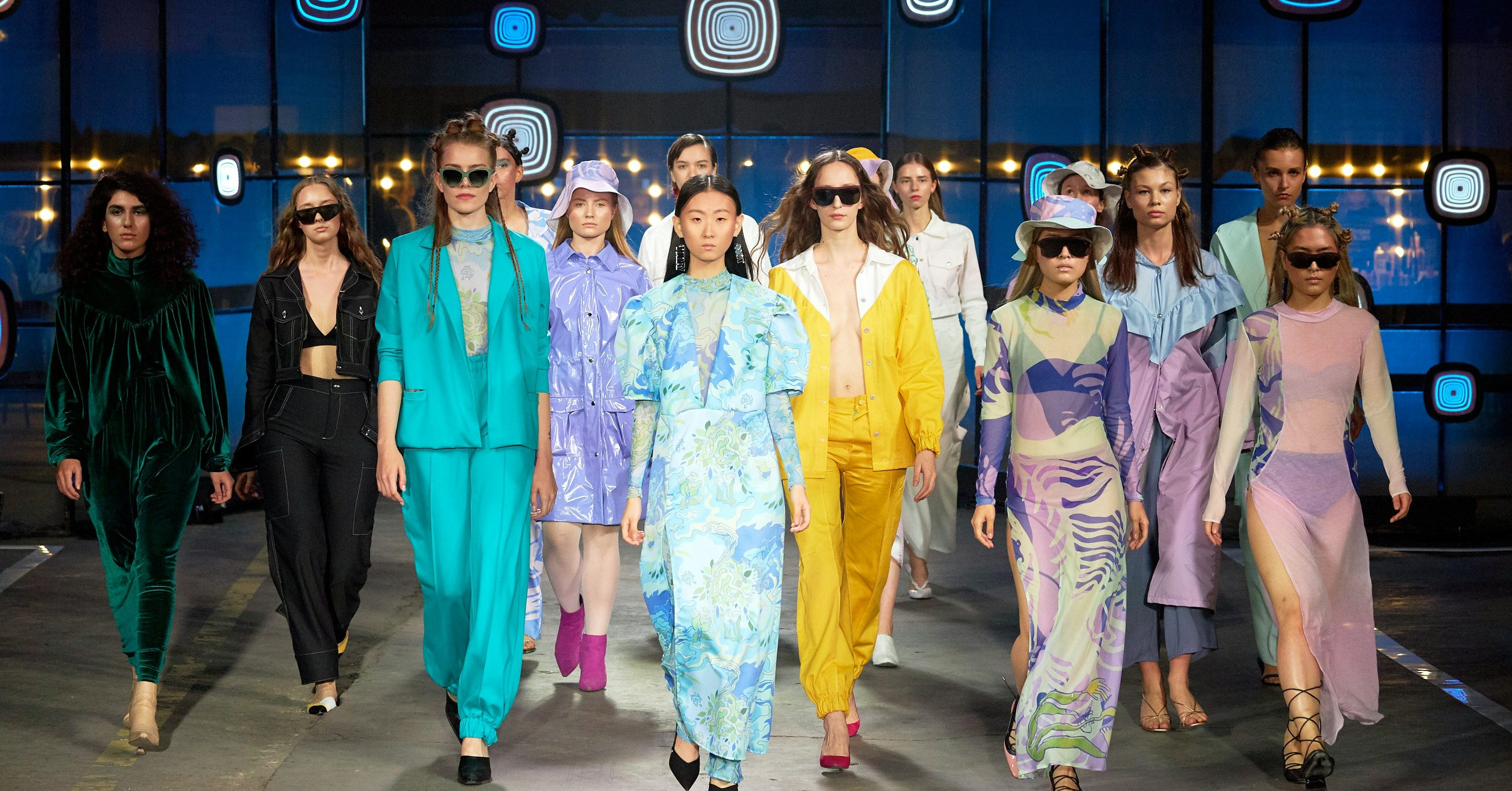
Once dismissed as frivolous promoters of fast fashion hauls and discount codes, influencers have quietly evolved into some of the most powerful advocates for sustainable style. In an industry long dominated by glossy advertising and runway gatekeeping, a new generation of digital tastemakers is using their platforms to promote transparency, ethics, and conscious consumption.
Influencers are now among the most visible and effective communicators in the ethical fashion movement, not just shaping what we wear, but why we wear it.
But what does it mean to be an ethical fashion influencer today? How do they educate, influence, and sometimes even hold brands accountable? And what makes their role so vital to the future of fashion?
This article explores the cultural shift toward influencer-led sustainability, spotlighting the voices making an impact, unpacking the challenges they face, and revealing why their platforms matter more than ever.
From Hauls to Harmony: The Shift in Fashion Influence
Influencer culture has evolved dramatically in the past decade. In the early days, fashion influencers were often synonymous with fast fashion, creating “haul” content that showcased dozens of cheap outfits from brands like Shein or H&M.
But growing awareness around fashion’s environmental and human rights impact, particularly among Gen Z and Millennials, triggered a shift in values. Today, audiences increasingly reward creators who champion quality over quantity, values over virality.
The ethical fashion influencer emerged as a response to that shift. They post about garment workers’ rights, share thrifted outfit ideas, review eco-friendly brands, and break down the supply chain in accessible language. Their goal isn’t just to look good, it’s to do good and help their followers do the same.
And the results are visible. According to a 2024 Nielsen report, 42% of Gen Z consumers say they’ve discovered ethical or sustainable fashion brands through influencers.

Defining Ethical Fashion Influence
So what defines an ethical fashion influencer? It goes beyond aesthetics or follower count. Ethical influencers operate from a foundation of values like:
- Transparency: Disclosing sponsorships, production origins, and personal consumption habits.
- Education: Sharing information on sustainability, labor rights, and environmental justice.
- Accessibility: Offering realistic, size-inclusive, and budget-conscious alternatives.
- Accountability: Calling out greenwashing and amplifying marginalized voices in fashion.
Importantly, ethical influencers also encourage slow fashion behavior, such as outfit repeating, mending clothes, borrowing, swapping, and thrifting: countering the “buy now” culture that dominates mainstream advertising.
Why Their Influence Matters
Fashion is personal. It reflects identity, aspiration, and community. That makes influencers, who communicate with authenticity and relatability, especially powerful.
1. They Make Ethics Cool
Sustainability used to carry a stigma of sacrifice or privilege. Ethical influencers show that conscious fashion can be expressive, diverse, stylish, and attainable.
Creators like Aja Barber, Venetia La Manna, and Kristen Leo demonstrate how to build vibrant wardrobes rooted in values. They shift sustainability from a niche concern to a lifestyle choice.
2. They Educate Through Storytelling
Whether it’s breaking down the Rana Plaza disaster or explaining why organic cotton matters, ethical influencers turn complex issues into digestible, engaging narratives. They fill the education gap left by brands and mainstream media.
3. They Build Trust
According to Edelman’s 2023 Trust Barometer, 61% of people trust influencers more than corporate spokespeople, particularly when it comes to product recommendations. When ethical influencers endorse a brand, it carries weight.
4. They Hold Brands Accountable
Some of the most impactful fashion criticism today comes not from journalists, but from influencers exposing greenwashing, exploitative labor, and marketing hypocrisy. Their posts can prompt corporate apologies, product removals, or even boycotts.
10 Influencers Leading the Ethical Fashion Movement
Here are 10 influencers redefining what it means to be fashionable and ethical:
1. Aja Barber (@ajabarber)
A writer and consultant, Barber uses her platform to explore the intersection of fashion, privilege, colonialism, and climate. Her book Consumed is a go-to for anyone seeking to understand ethical fashion from a systemic lens.
2. Venetia La Manna (@venetialamanna)
With her anti-fast fashion activism and signature “call-out” posts, La Manna tackles corporate greenwashing and labor exploitation head-on. She co-founded the Remember Who Made Them campaign to spotlight garment workers’ rights.
3. Kristen Leo (@kristenleo)
One of YouTube’s first ethical fashion influencers, Leo blends veganism, sustainability, and minimalist living with a sharp fashion sense and thought-provoking content.
4. Bryant Terry (@bryantterry)
Although primarily known as a food activist, Terry uses his platform to highlight Black designers and support ethical fashion rooted in community resilience.
5. Marielle Elizabeth (@marielle.elizabeth)
As a plus-size model and writer, Elizabeth advocates for size-inclusive ethical fashion, reminding the industry that sustainability isn’t truly sustainable unless it’s accessible to all bodies.
6. Nia Thomas (@niathomas.co)
A designer and content creator, Thomas represents the fusion of ethical production and artistic expression. Her namesake brand emphasizes slow fashion and handmade practices.
7. The Garbage Queen (@thegarbagequeen)
With a name that turns heads, this creator blends maximalist style with sustainability, upcycling discarded materials into bold fashion statements that challenge industry norms.
8. Esme Carr (@ecowithem)
A TikTok influencer focused on Gen Z sustainability, Carr offers thrift hauls, eco hacks, and realistic tips for college students navigating fashion ethics on a budget.
9. Lindsay Miles (@treadingmyownpath)
Focused on low-waste living and fashion minimalism, Miles offers practical guides for reducing consumption and resisting the constant urge to buy new.
10. Charity Shop Girl (@charityshopgirl)
This UK-based creator champions secondhand fashion with creativity and humor, proving that sustainable style can be joyful, expressive, and deeply personal.
Influencer–Brand Partnerships: A Double-Edged Sword
As ethical fashion grows, so does the commercial interest. Brands now regularly partner with influencers to promote their “green” lines or sustainable collections.
When done authentically, these collaborations can drive meaningful change, bringing visibility to small ethical brands, increasing demand for transparency, and shifting mainstream consumption patterns.
But they also come with challenges:
- Greenwashing Risks: Influencers must vet brands rigorously or risk misleading their audiences.
- Tokenism: Some ethical influencers of color report being approached only during cultural holidays or diversity campaigns, rather than as year-round partners.
- Platform Burnout: Constantly advocating online can lead to emotional exhaustion, especially when confronting climate anxiety or brand backlash.
Authenticity and transparency are key. The most respected influencers turn down lucrative deals that conflict with their values and disclose when posts are sponsored, often explaining why they chose to partner with a brand.
The Global Reach of Ethical Influence

Ethical fashion influence isn’t limited to the U.S. or Europe. Around the world, creators are bringing culturally specific insights to the conversation:
- India: Influencers like Komal Pandey and Masoom Minawala explore traditional textiles, slow fashion, and artisan heritage.
- Kenya: Creators like Anyiko Owoko highlight Afro-conscious designers and circular fashion.
- Latin America: Slow fashion advocates like Lilia Cortés showcase the intersection of indigenous craft and modern sustainability.
These voices diversify the narrative, challenging Western-centric standards and uplifting local economies.
Challenges Ahead
While influencer-led advocacy has undeniable power, it’s not without limitations:
- Algorithmic suppression: Platforms may deprioritize activism content, especially when it critiques powerful advertisers.
- Echo chambers: Ethical fashion content can remain siloed among like-minded audiences rather than reaching mainstream consumers.
- Systemic barriers: Influencers alone can’t dismantle global supply chains or end labor exploitation — but they can help fuel collective pressure.
Ethical fashion requires systemic change, but influencers are helping to build the cultural momentum that makes such change possible.
What Makes an Ethical Fashion Influencer Credible?
As the influencer space becomes increasingly saturated, it’s important to know what sets credible, ethical voices apart. Look for:
- Consistency: Do their values show up in every post — not just when it’s trending?
- Disclosure: Are sponsorships clear and honest?
- Depth: Do they go beyond aesthetics to engage with social, environmental, and economic issues?
- Engagement: Are they building community or just collecting likes?
The best influencers are not preaching perfection. They’re modeling progress, inviting others into a more thoughtful, values-driven relationship with fashion.
The Future: What Comes Next?
The next wave of ethical fashion influencers will likely be even more intersectional, more localized, and more experimental. Expect to see:
- AI-powered transparency tools embedded into content
- Virtual fashion influencers raising awareness about waste-free design
- Digital-first thrift ecosystems led by creators
- Collaborative pressure campaigns involving influencers, journalists, and workers’ unions
As social media continues to evolve, so will the tactics of those who use it for good. What remains unchanged is this: ethical influencers are not just selling clothes; they’re shifting culture.
Final Thoughts: Influence, Reimagined
Ethical fashion is not a trend. It’s a cultural realignment, and influencers are among its most visible architects.
By using their platforms to question the status quo, uplift marginalized voices, and offer alternatives to hyper-consumerism, ethical fashion influencers are doing more than curating closets. They’re redefining what influence means.
In a world increasingly shaped by what we scroll, share, and wear, their work matters more than ever.
Because style without substance is no longer stylish. And influence without integrity is no longer influential.
References
Nielsen (2024). “Gen Z and Ethical Consumption: A Data Deep Dive.” https://www.nielsen.com
Edelman Trust Barometer (2023). “The Evolution of Influence.” https://www.edelman.com/trust-barometer
Fashion Revolution. (2023). “Transparency Index.” https://www.fashionrevolution.org
Parisi, T. (2023). “Are Influencers the New Fashion Journalists?” The Business of Fashion. https://www.businessoffashion.com
Remake (2024). “PayUp Fashion Campaign Results.” https://www.remake.world
Barber, A. (2021). Consumed: The Need for Collective Change. Hachette UK.
Olivia Santoro is a writer and communications creative focused on media, digital culture, and social impact, particularly where communication intersects with society. She’s passionate about exploring how technology, storytelling, and social platforms shape public perception and drive meaningful change. Olivia also writes on sustainability in fashion, emerging trends in entertainment, and stories that reflect Gen Z voices in today’s fast-changing world.
Connect with her here: https://www.linkedin.com/in/olivia-santoro-1b1b02255/
About The Author


