
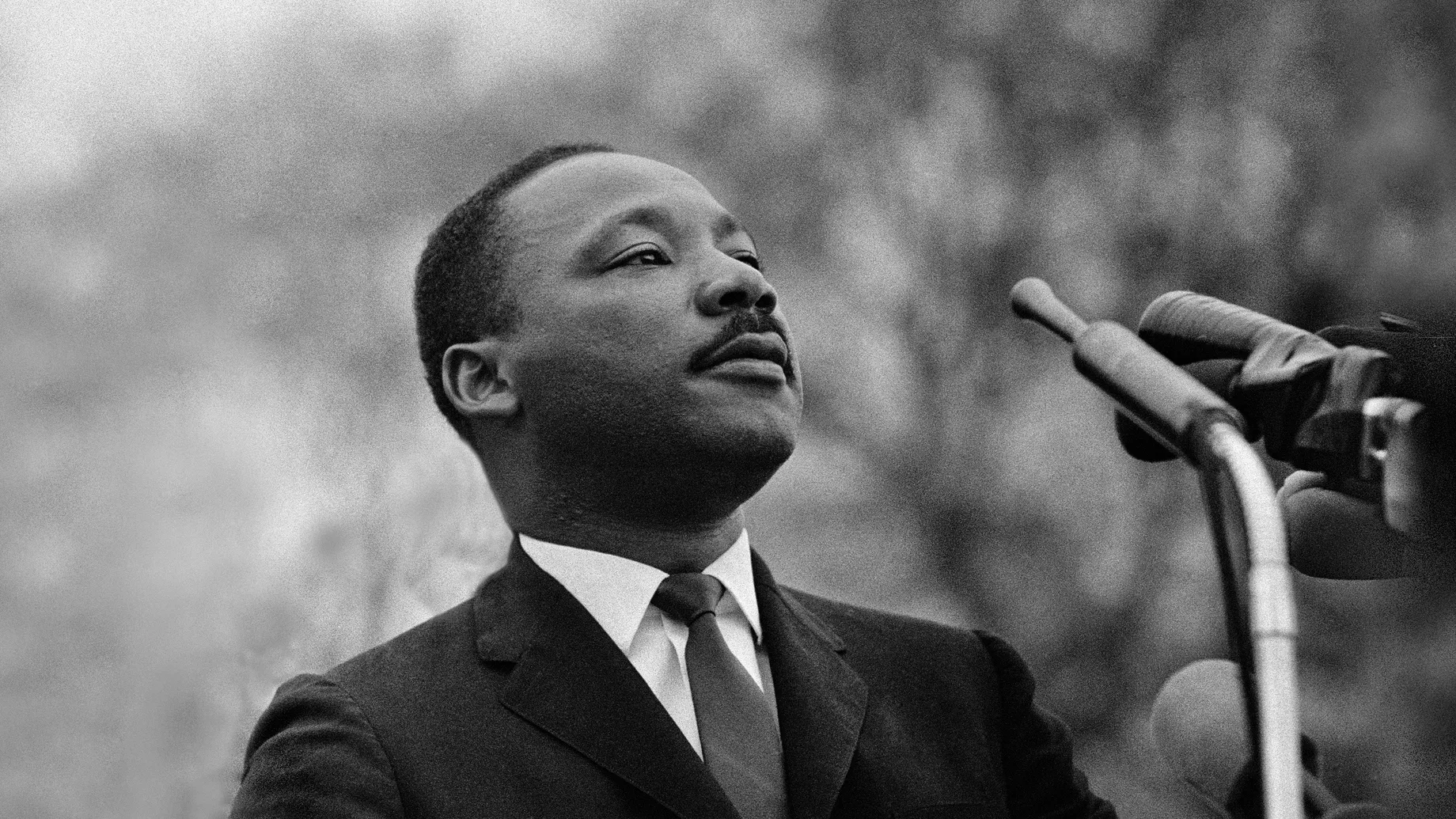
With newly declassified FBI and CIA records exposing decades of covert surveillance and internal failures, the files are expected to shed light on the unanswered questions surrounding Dr. King’s assassination.
By Namith DP | July 23, 2025
Introduction
In an unprecedented move aimed at government transparency, the Trump administration on July 21, 2025, released more than 230,000 pages of long-classified federal records tied to the life, surveillance, and assassination of Rev. Dr. Martin Luther King Jr. The release follows Executive Order 14176, which mandated the public disclosure of assassination-related materials involving King, President John F. Kennedy, and Senator Robert F. Kennedy. This marks the most comprehensive archival declassification of MLK-related documents in U.S. history.
The newly public documents offer deeper insight into federal surveillance operations, the FBI’s counterintelligence campaigns, and unanswered questions surrounding King’s assassination on April 4, 1968, in Memphis, Tennessee.
Background: Why the Files Were Sealed

In 1977, U.S. District Judge John Lewis Smith ordered that a large body of records gathered by the FBI and Justice Department—many under COINTELPRO and other internal security programs—be sealed for 50 years. These included:
- Wiretap transcripts of King’s phones
- Surveillance notes from FBI field offices
- Internal memos between J. Edgar Hoover and top officials
- Evidence tied to the investigation of James Earl Ray
While portions were released gradually over the decades, most of the material remained unavailable until now.
What Prompted the Release?
The executive order signed by Trump in January 2025 outlined the need for comprehensive declassification of materials related to major political assassinations. The stated rationale:
- Public Right to Know: Restore public trust through full transparency.
- Prevent Historical Manipulation: Enable scholars and the public to access primary-source data.
- Close Archival Gaps: Remove bureaucratic barriers to older documents no longer posing national security risks.
The release was coordinated by the Director of National Intelligence, Attorney General Pamela Bondi, and the Archivist of the United States, in compliance with the order’s 180-day timeline.
What the Documents Contain
The files span more than 40 years of federal interaction with King’s activism, from the Montgomery Bus Boycott to his assassination. The contents are wide-ranging:
1. Expanded Surveillance Details
- FBI memos detail extensive wiretapping of King’s home, office, and hotel rooms between 1963 and 1968.
- The surveillance was approved under COINTELPRO, aiming to discredit civil rights leaders seen as “radicals.”
- Newly uncovered records show that surveillance continued even after King received the Nobel Peace Prize in 1964.
2. FBI Misconduct and Unpursued Leads
- The FBI’s failure to investigate certain tips about threats to King’s life is documented in internal reviews.
- One memo shows bureau officials dismissed reports that contradicted the lone gunman theory.
- Agents who raised concerns were allegedly ignored or reassigned.
3. James Earl Ray & Alternate Narratives
- New interviews from former prison inmates and FBI informants question whether Ray acted alone.
- A former cellmate alleges Ray spoke of receiving assistance from unidentified third parties shortly before escaping from prison in 1967.
- Some documents suggest foreign intelligence services may have been monitoring U.S. civil rights leaders, including King, for their own geopolitical interests.
4. King’s Personal Life and FBI Blackmail Campaigns
- The files confirm that the FBI created anonymous mailings to pressure King into resigning from the Southern Christian Leadership Conference.
- A draft letter, previously leaked in part, is now released in full—showing efforts to emotionally manipulate and psychologically intimidate King.
Reactions from the King Family
Statements from Martin Luther King III
“This release confirms what many of us have long suspected: that my father was targeted not just because of what he stood for, but because powerful institutions were afraid of his growing influence.”
He welcomed the release but called for a full congressional review of FBI accountability during the 1960s.
Bernice King’s Commentary
In an op-ed published in Vanity Fair, Bernice King emphasized the emotional cost of revisiting her father’s private life through the lens of government surveillance:
“These documents show a systematic attempt not only to destroy my father’s public credibility but to assassinate his legacy.”
She requested the files be read with respect and warned against “weaponizing” the content for political purposes.
Legal, Historical, and Scholarly Context
Key Legislative Milestones
- JFK Assassination Records Collection Act (1992): Set precedent for full declassification of government-held materials.
- MLK Records remained sealed due to their classification under internal security codes.
Digital Access Challenges
Most of the documents are not digitized. They are accessible only via the National Archives in College Park, Maryland. Scholars are calling for urgent digitization funding to ensure broad access.
Previous Releases
- The Trump administration had previously released partial MLK records in 2017, but the scope was limited.
- Those earlier documents primarily related to known FBI operations; the new batch includes field notes, personal memos, and interagency communications.
Reactions from Academics and Policy Experts
Dr. Peniel Joseph, University of Texas at Austin
“These files are vital for understanding how state power responded to the most significant moral leader in U.S. history. The institutional behavior laid bare here should be studied in every public policy and law school.”
Dr. David Garrow, King’s Biographer
Garrow, who authored Bearing the Cross, argues the documents reinforce the idea that the federal government’s harassment of King was “ideologically motivated, not security-driven.”
Implications Going Forward

For Civil Rights History
The revelations add complexity to the official narrative of King’s assassination. While no “smoking gun” has yet emerged to invalidate the James Earl Ray conviction, the breadth of previously ignored evidence suggests potential gaps in the original investigation.
For U.S. Intelligence Reform
Calls have intensified for revisiting historical abuses under COINTELPRO. Civil liberties organizations, including the Electronic Frontier Foundation (EFF) and Brennan Center for Justice, are urging Congress to initiate hearings on the long-term impact of federal surveillance on social movements.
Final Takeaways
- The release of the MLK files is a defining moment in American archival history.
- It validates decades of skepticism among historians and civil rights advocates about the government’s role not only in failing to protect King, but in actively undermining him.
- While the documents will take years to process, they represent an opportunity to correct the historical record using primary evidence rather than speculation.
For more news on released federal records read –
About The Author






Hope this can answer all our questions