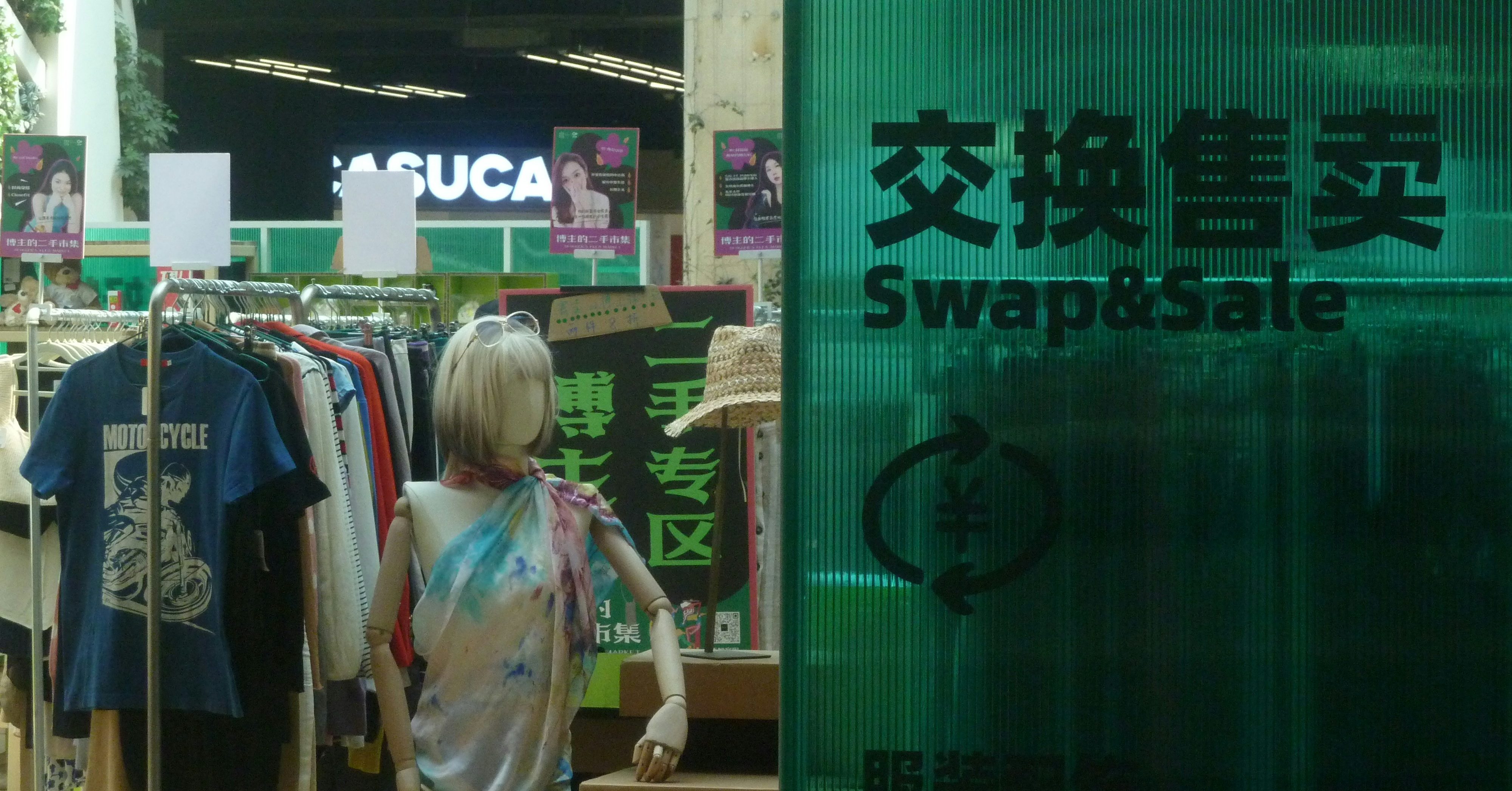
Once seen as the budget-friendly option for bargain hunters and DIY stylists, secondhand fashion has become one of the most powerful disruptors in the global fashion industry. Driven by climate urgency, shifting values, and tech-powered resale platforms, thrift fashion is no longer niche; it’s the future.
In 2025, buying secondhand isn’t just about style or savings. It’s about identity, ethics, and innovation. As consumers demand more sustainable choices and brands reimagine how fashion can circulate, the secondhand movement is turning into a global force.
Here’s why thrift fashion trends are reshaping the future, and why this isn’t just a passing phase, but a permanent cultural shift.
The Numbers Don’t Lie: Secondhand Is Booming
According to ThredUp’s 2024 Resale Report, the global secondhand apparel market is expected to grow to $350 billion by 2028, outpacing the broader retail clothing sector by nearly three times. In the U.S. alone, resale grew more than 5x faster than the overall retail clothing sector in the past year.
What’s fueling this boom?
- Economic uncertainty
- Sustainability awareness
- Tech-savvy Gen Z and Alpha consumers
- The normalization of resale across class lines
Fashion resale is no longer the alternative; it’s the new default.
Gen Z Is Leading the Secondhand Revolution
Gen Z, born between 1997 and 2012, is are digital native who grew up during the climate crisis, the rise of social media, and economic volatility. Unlike previous generations, they don’t see secondhand fashion as a sign of scarcity but as a badge of authenticity and innovation.
Why Gen Z Shops Secondhand:
- Environmental concerns: Over 70% say sustainability influences their purchases.
- Individuality: Thrifted items offer uniqueness in a sea of fast fashion sameness.
- Value-based shopping: They prioritize ethics and transparency over brand names.
In short, Gen Z isn’t just following trends; they’re rewriting the rules of fashion consumption.
Fast Fashion Fatigue: A Cultural Rejection

The rise of secondhand coincides with a growing disillusionment with fast fashion. Once celebrated for their affordability and trend responsiveness, brands like Shein and Zara now face backlash for environmental destruction, labor exploitation, and overproduction.
Consumers are waking up to the true cost of cheap clothing:
- The fashion industry is responsible for 10% of global carbon emissions.
- Over 92 million tons of textile waste are generated every year.
- Workers are paid pennies to produce clothes that often end up in landfills within weeks.
Secondhand offers an antidote; a slower, more conscious way to engage with fashion.
Technology Is Making Thrifting Seamless
Gone are the days when thrifting meant digging through chaotic racks in musty stores. Today, tech platforms are revolutionizing the way we buy and sell secondhand fashion.
Top Resale Platforms Fueling the Shift:
- Depop – Gen Z’s fashion marketplace, blending resale with social media culture.
- ThredUp – The world’s largest online thrift store, offering curated secondhand at scale.
- Poshmark – A peer-to-peer platform that gamifies reselling with virtual closets and a community.
- Vestiaire Collective – A luxury resale platform that authenticates high-end items and promotes circular fashion.
AI algorithms, smart filters, and personalized feeds make secondhand shopping faster, easier, and more rewarding than ever before.
Luxury Is Embracing the Second Life
Once hesitant to dilute their brand image, luxury labels are now embracing the resale revolution. Gucci, Valentino, and Balenciaga have all partnered with resale platforms or launched buy-back programs.
Why It Matters:
- Resale extends product lifespans, reducing waste.
- It introduces younger, aspirational customers to luxury brands.
- It enables brands to control their resale narrative rather than be left out of it.
Luxury fashion is no longer just about owning, it’s about re-owning, recirculating, and reinvesting in timeless design.
Secondhand Culture Is Going Global
While thrift culture originated in Western markets, the secondhand boom is now global.
In Kenya, Ghana, and the Philippines, secondhand imports dominate local markets, though not always ethically. Exporting fashion waste to the Global South has sparked debates about environmental injustice and colonial waste systems.
But grassroots efforts are flipping the narrative.
- Kenyan stylists are rebranding secondhand markets (known as mitumba) as hubs of innovation.
- In South Korea, curated secondhand boutiques are becoming cultural hotspots.
- India’s vintage market is booming among Gen Z, who blend tradition with modern thrift.
Secondhand isn’t just a Western solution; it’s a global opportunity for rethinking how fashion travels, circulates, and evolves.
TikTok and the Aesthetics of Thrift
Social media has supercharged secondhand fashion, turning it into a cultural movement. TikTok, in particular, has redefined what thrift means through aesthetic storytelling.
Trending Thrift-Driven Aesthetics:
- “Thrift flips” – DIY videos where creators upcycle or alter thrifted garments.
- “Come Thrift With Me” – POV-style hauls that showcase finds and styling tips.
- “Vintage aesthetic” – A rejection of algorithmic fashion in favor of curated nostalgia.
These trends make secondhand fashion aspirational, creative, and accessible. They also counter fast fashion’s uniformity with thrift’s unpredictability.
Upcycling: Where Thrift Meets Design
Secondhand doesn’t have to be worn as-is. Increasingly, creatives are turning thrifted items into upcycled fashion, transforming old garments into entirely new designs.
Designers like Marine Serre, Collina Strada, and Bode have built high-fashion empires on reworking deadstock and vintage textiles. Meanwhile, TikTok creators and Etsy sellers are using upcycling to launch brands without ever sourcing new materials.
Why It Matters:
- Reduces landfill waste
- Encourages creativity over consumption
- Builds a more circular, regenerative fashion ecosystem
In many ways, upcycling is the future of both sustainable fashion and artistic expression.

From Shame to Status: Thrifting’s Cultural Rebrand
Just a decade ago, secondhand fashion was stigmatized in many communities as something to hide. Today, it’s flaunted proudly on Instagram and TikTok. Even celebrities like Zendaya, Bella Hadid, and Emma Chamberlain wear vintage and thrifted looks on red carpets.
What changed?
- Social media validation: Showcasing thrift finds has become a badge of curation and creativity.
- Economic shifts: With inflation rising, thrifting offers fashion without financial strain.
- Climate activism: Eco-consciousness is no longer fringe—it’s fashionable.
Thrift has gone from fringe to front row.
Brands Are Taking Notes—and Taking Action
Mainstream retailers aren’t ignoring the secondhand wave. Many are launching resale programs or integrating circularity into their business models.
Examples:
- Patagonia’s Worn Wear – A pioneering buy-back and repair program.
- Levi’s SecondHand – Encouraging trade-ins and resales to reduce new production.
- Urban Outfitters’ Nuuly Thrift – A peer-to-peer resale marketplace targeting Gen Z.
These programs are not just PR moves; they’re strategic adaptations to a market that’s rapidly changing its values.
Thrifting as Civic Action
Buying secondhand is more than a style choice; it’s a political one. It’s a rejection of overproduction, planned obsolescence, and extractive capitalism. It’s a vote for sustainability, equity, and creative reuse.
In an era when fashion is one of the most polluting industries on the planet, secondhand shopping is one of the most accessible ways for consumers to reduce their carbon footprint.
One study found that buying a used garment instead of new reduces its carbon footprint by 82%. That’s not just a trend; that’s a transformation.
Challenges Ahead
Despite its promise, secondhand fashion still faces hurdles:
- Gentrification of thrift: Rising prices in thrift stores leave lower-income shoppers behind.
- Greenwashing: Some brands use resale as a marketing tool without reducing overall production.
- Waste export: Western countries continue to offload unsellable secondhand clothing to the Global South.
As resale scales, ethical questions will grow louder. To build a truly sustainable future, the secondhand industry must be equitable, transparent, and circular by design, not just marketing.
Conclusion: Why the Future Wears Preloved
Secondhand fashion isn’t a trend, it’s a movement. One powered by climate urgency, digital culture, and generational change. It’s reimagining fashion as something shared, circular, and story-driven.
From TikTok thrift hauls to AI-powered resale apps, the future of fashion is no longer about what’s new; it’s about what’s next. And increasingly, what’s next is what’s already been worn.
Buying secondhand is no longer just good for your wallet; it’s good for the planet, good for the culture, and good for the future.
References
ThredUp 2024 Resale Report – https://www.thredup.com/resale
Business of Fashion. “Why Gen Z Is Driving the Resale Boom” – https://www.businessoffashion.com
Vogue. “Upcycling Is the Future of Fashion Design” – https://www.vogue.com/article/upcycling-fashion-trend
Ellen MacArthur Foundation. “Circular Fashion” – https://ellenmacarthurfoundation.org/topics/fashion
The Guardian. “How Fast Fashion Hurts the Global South” – https://www.theguardian.com/environment/series/fashion
TikTok Trend Report 2024 – https://newsroom.tiktok.com
Vogue Business. “Luxury Brands Embrace Resale” – https://www.voguebusiness.com
Depop Insights – https://www.depop.com
Greenpeace. “Textile Waste in East Africa” – https://www.greenpeace.org
Levi’s SecondHand – https://www.levis.com/secondhand
Olivia Santoro is a writer and communications creative focused on media, digital culture, and social impact, particularly where communication intersects with society. She’s passionate about exploring how technology, storytelling, and social platforms shape public perception and drive meaningful change. Olivia also writes on sustainability in fashion, emerging trends in entertainment, and stories that reflect Gen Z voices in today’s fast-changing world.
Connect with her here: https://www.linkedin.com/in/olivia-santoro-1b1b02255/
About The Author