
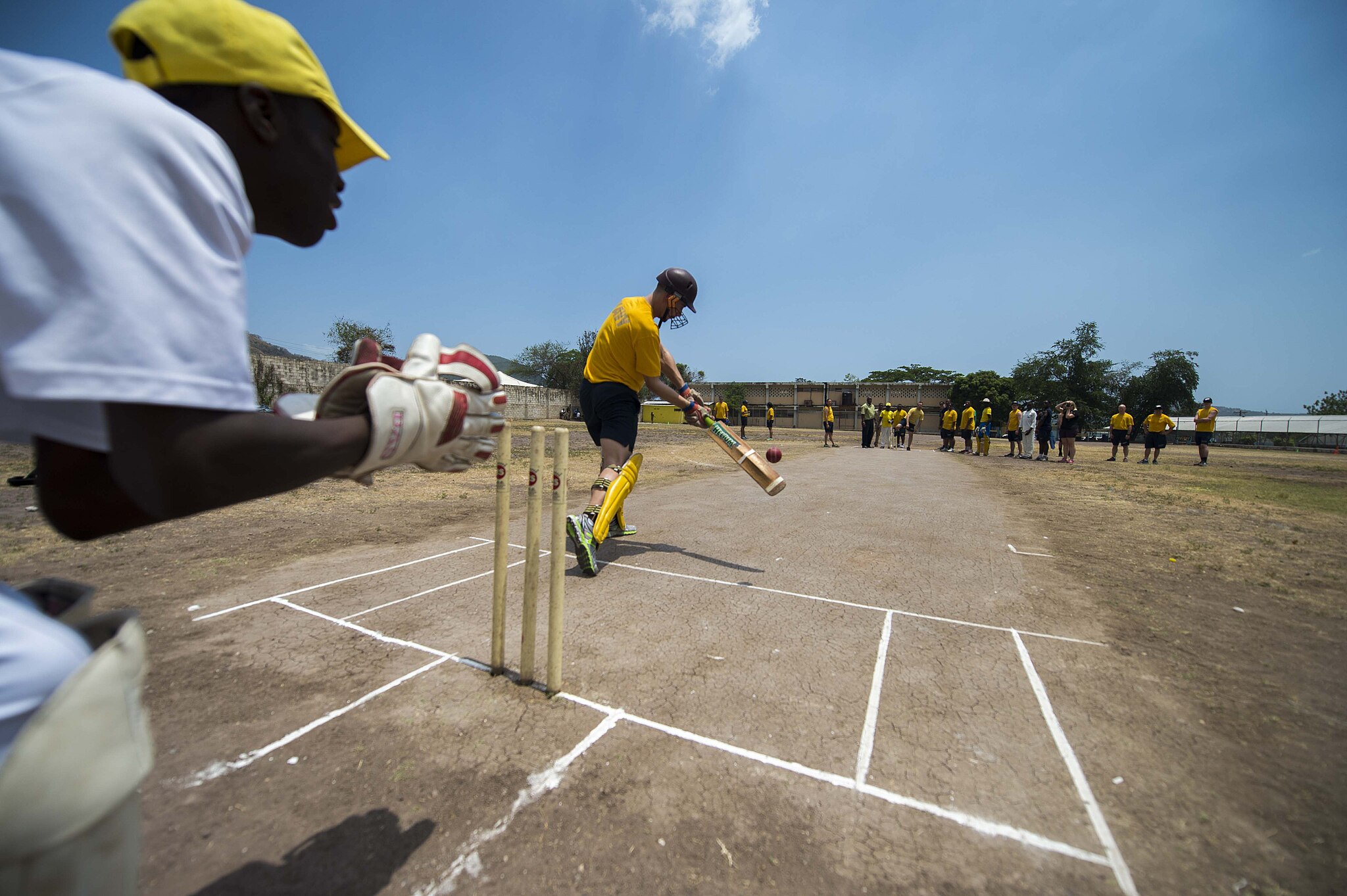
Cricket youth coaching defines the future of the sport. Structured and evidence-based coaching at an early age lays the groundwork for developing technically sound, mentally resilient, and tactically aware players. As cricket evolves with new formats, increased competitiveness, and rising performance standards, coaching practices must adapt to produce athletes who can perform across formats and conditions.
Professional cricket academies, national youth development programs, and grassroots institutions are investing heavily in age-specific training modules. However, coaching methods must balance scientific rigor, ethical responsibility, and long-term player development. This article explores effective techniques that elevate cricket youth coaching, backed by research, expert insights, and field-tested methodologies.
Prioritize Long-Term Athlete Development (LTAD)
The LTAD model, widely adopted in international cricket programs, structures youth coaching into specific stages:
- Fundamentals Stage (Ages 6–9): Build motor skills through agility, balance, coordination, and speed (ABCS) activities.
- Learn to Train Stage (Ages 9–12): Introduce batting, bowling, and fielding using simplified, high-repetition drills.
- Train to Train Stage (Ages 12–16): Develop match understanding, physical strength, and decision-making ability.
- Train to Compete (Ages 16+): Integrate pressure-based simulations and refine mental and tactical tools for competition.
Consistent LTAD implementation reduces injury, sustains motivation, and supports holistic growth.
Emphasize Technical Skill Mastery with Progressive Drills
Early technical proficiency allows players to progress without building bad habits. Coaching should follow a progressive format:
- Isolation to Integration: Begin with isolated drills (e.g., static front foot drives), then transition to throwdowns, net scenarios, and match simulations.
- Video Replay Usage: Analyze batting stance, backlift, or bowling release in slow motion to identify inconsistencies.
- Biomechanical Review: Partner with sport scientists to ensure movement efficiency and prevent overuse injuries.
Example: The ECB and Australian Cricket deploy motion analysis for pace bowlers aged 15–19 as part of injury prevention strategy.
Integrate Tactical Intelligence from an Early Age
Understanding how to adapt to game situations separates elite players from talented ones. Coaches must:
- Use Tactical Scenarios: Run drills like “defend 6 runs in final over” or “score 30 off 18 balls” to mimic match pressure.
- Teach Field Setting Logic: Break down why captains choose certain field placements in different match conditions.
- Develop Bowling Plans: Encourage bowlers to read batters and adjust lines, lengths, and variations in response.
Cricketers with early tactical exposure transition more successfully to under-19, club, and state levels.

Strengthen Physical Conditioning in Age-Appropriate Phases
Cricket-specific conditioning must match an athlete’s age and growth cycle. General strength is insufficient. Coaches should:
- Introduce Movement Training Early: Include skipping, sprint technique, balance work, and bodyweight training in players under 12.
- Add Strength and Power Safely: Use resistance bands, light medicine balls, and functional core exercises with supervision from age 13.
- Monitor Growth Spurts: Track player height and body weight monthly to adjust training loads and avoid stress injuries.
Sports scientists with Cricket South Africa recommend individualized fitness plans starting at U13 provincial levels.

Implement Sports Psychology from Early Development
Mental strength underpins elite performance. Coaches must normalize psychological skill-building:
- Set SMART Goals: Define targets like “bat for 10 overs” or “bowl 5 yorkers in a row” instead of vague expectations.
- Use Breathing and Visualization: Teach players to use box breathing before pressure moments or visualize their innings.
- Encourage Self-Talk: Train players to use constructive internal dialogue to reset after mistakes.
Top programs in India and Australia now embed sports psychology into their U15 and U17 programs as a non-negotiable.
Encourage Multi-Format Versatility
The modern cricketer must perform in T20s, ODIs, and longer formats. Coaches should:
- Rotate Formats Weekly: Use short-format matches, middle-over simulations, and red-ball sessions on rotation.
- Teach Format-Specific Roles: Instruct players on how to pace an innings in a 50-over game versus hitting at 200+ strike rate in T20s.
- Develop Bowling Variants: Focus on death overs strategies, spin variations, and reverse swing skills across different match types.
Players who gain early experience across formats show better adaptability and enjoy longer careers.
Foster Ethical Values and Team Culture
Cricket’s integrity rests on values such as fairness, discipline, and mutual respect. Coaches must:
- Embed Code of Conduct: Establish clear expectations around sportsmanship, behavior, and team roles.
- Use Peer Evaluation: Create environments where teammates give and receive constructive feedback.
- Recognize Non-Performance Contributions: Reward players for attitude, effort, and team-first behaviors.
Case study: Mumbai Cricket Association’s youth program includes weekly culture sessions led by senior players.
Apply Data-Driven Feedback
Data-driven coaching elevates learning and accountability. Coaches should implement:
- Practice Analytics: Record batting accuracy, strike rate vs spin/pacers, or bowling lengths across sessions.
- Match Insights: Use post-match analysis to identify dot ball percentages, fielding efficiency, and decision-making success.
- Comparative Learning: Benchmark youth against age-group peers nationally or internationally for motivation.
Tools like StanceBeam, CricHQ, and PitchVision provide granular insights and real-time data tracking.
Coach the Coaches: Continuous Professional Development
An outdated coach can stall progress. Institutions must:
- Mandate Certifications: Require all coaches to hold current ICC or national board certifications.
- Facilitate Learning Communities: Enable knowledge sharing through workshops, panel discussions, and online courses.
- Evaluate Coach Impact: Use feedback from players and parents to assess a coach’s communication, planning, and development success.
England’s “Core Coach” program, rolled out in 2023, is an excellent model for structured, accountable coaching upskilling.
Build Safe and Inclusive Training Environments
Players perform best when they feel physically and emotionally secure. Effective environments include:
- Clear Safety Protocols: Enforce helmet use, net safety spacing, hydration breaks, and sun protection practices.
- Injury Protocols: Educate staff and players on concussion management, sprain treatment, and immediate injury reporting.
- Psychological Safety: Allow players to express concerns without judgment and avoid punishment-based training.
Youth development should emphasize confidence, not fear, to unlock player potential.
Involve Parents as Stakeholders, Not Interferers
Parental involvement, when managed, boosts outcomes. Coaches must:
- Hold Orientation Sessions: Align expectations by explaining the LTAD pathway and coaching philosophy.
- Give Structured Feedback: Use monthly reports or dashboards to update parents on progress without encouraging pressure.
- Discourage Sideline Coaching: Enforce boundaries during matches and training to allow coach-athlete communication to function independently.
Research from Sport England shows that informed parents improve retention and performance outcomes in youth athletes.
Leverage Technology for Modern Skill Development
Digital tools enhance skill acquisition, analysis, and player management. Coaches should:
- Adopt Skill Tracking Apps: Use tech like StanceBeam for bat swing data or Hudl for session video analysis.
- Host Virtual Reviews: Conduct remote video feedback sessions during breaks or off-season.
- Integrate Wearables: Equip bowlers with workload sensors and batters with motion trackers to gather actionable feedback.
Top academies in the UK, India, and New Zealand now include tech onboarding in their coach training modules.
Learn from Global Case Studies in Youth Development
Examples of effective youth programs include:
- India’s National Cricket Academy (NCA): Uses sport science, video analytics, and 3D motion capture for elite U19 players.
- ECB Pathway: Identifies players from age 9 and channels them through county and Lions programs with physical and tactical milestones.
- Cricket Australia’s Emerging Players Program: Combines high-performance coaching with life skills, education, and mental health support.
Each model emphasizes technical mastery, mental readiness, and holistic development.
Address the Common Challenges in Cricket Youth Coaching
Even well-designed programs encounter hurdles. Effective coaches must overcome:
- Early Burnout: Mitigate by controlling tournament frequency and balancing match play with rest.
- Over-Specialization: Delay format or skill specialization to allow natural development and avoid injuries.
- Inequity in Access: Offer scholarships, community programs, and government support to include talent from underserved regions.
- Coach Bias: Rotate selection committees and use objective data to reduce favoritism.
Recognizing and resolving these issues ensures cricket remains accessible, fair, and merit-based.
Conclusion: Creating a Sustainable Pathway to Excellence
Effective cricket youth coaching blends technical precision, mental preparation, physical conditioning, and character development. Coaches must adopt a long-term view that prioritizes sustainable growth over short-term success. Programs that implement age-appropriate structures, ethical values, and cutting-edge technology stand better equipped to produce the next generation of international stars.
Success lies not in selecting the most talented 14-year-old but in developing well-rounded, adaptable athletes ready for any challenge the modern game presents. The road to elite performance starts with informed, intentional coaching.
Sources
- https://www.pitchvision.com/
- https://www.crichq.com/
- https://stancebeam.com/
- https://play.cricket.com.au/community/resources/player-safety/junior-bowling-guidelines
- https://www.researchgate.net/publication/330331736_Workloads_placed_on_adolescent_cricket_players_A_pilot_study
About The Author


