
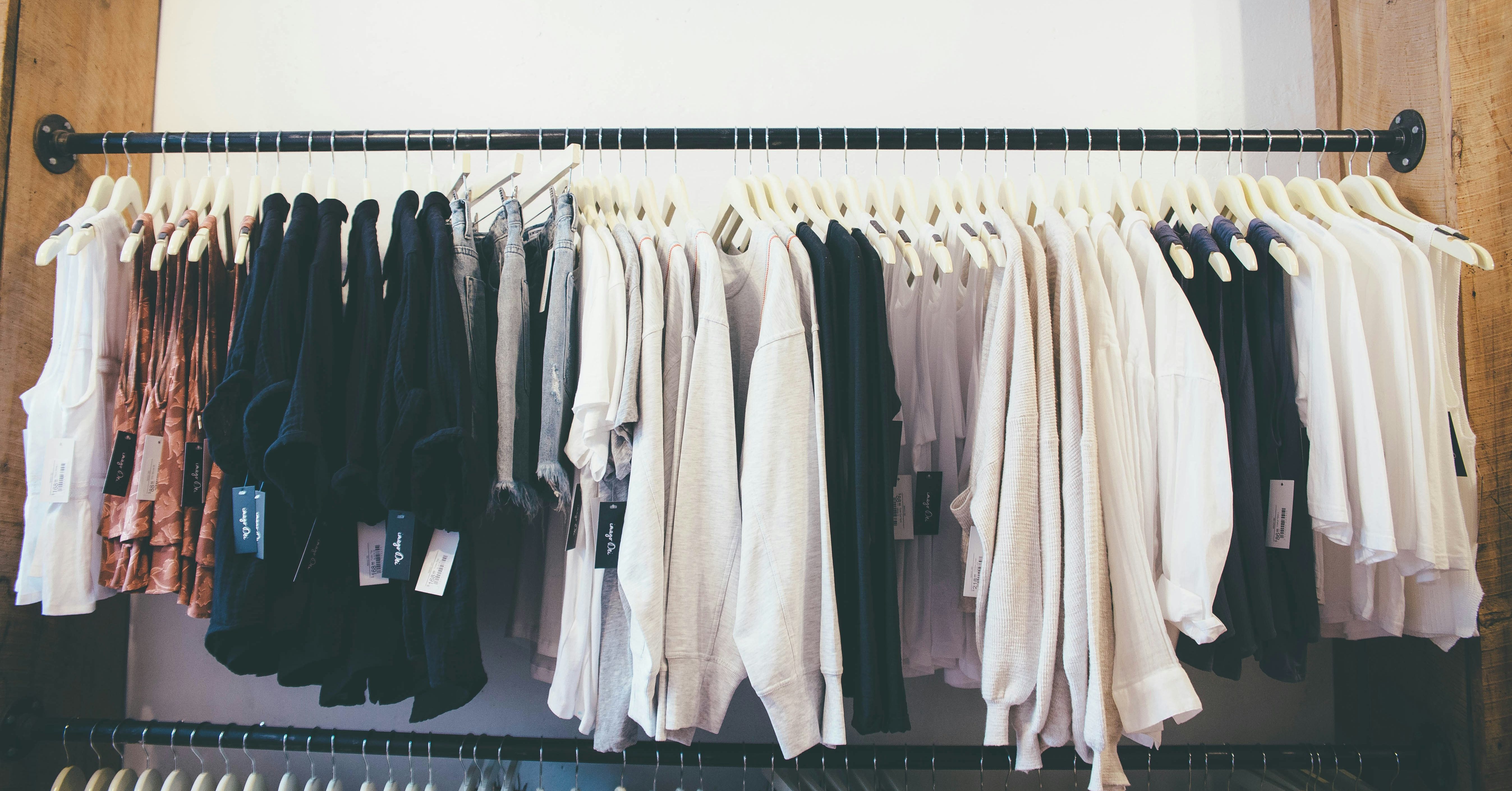
1. The Evolution of Fashion Consumption
From Ownership to Access
For decades, fashion has been intrinsically linked to ownership. The more you owned, the more stylish or successful you appeared. But in the age of Netflix, Spotify, and Uber, the concept of ownership has shifted. Access models, where consumers pay for temporary use instead of permanent possession, have grown across industries. Fashion is now part of that revolution.
Fashion rental platforms capitalize on this shift by offering monthly subscription services or one-off rentals, giving users access to designer and trending clothes without the commitment. This model appeals to the modern consumer’s desire for flexibility, variety, and sustainability.
2. The Rise of Fashion Rental Platforms
Who’s Leading the Charge?
Some of the most influential names in rental fashion include:
- Rent the Runway (U.S.): The pioneer of rental fashion, offering everything from everyday wear to luxury gowns.
- Nuuly (U.S.): An offshoot of URBN (Urban Outfitters, Anthropologie), blending fashion discovery with rental convenience.
- HURR (UK): A peer-to-peer and brand-partnered rental service emphasizing circularity.
- By Rotation (UK): A social fashion rental app that combines peer-to-peer sharing with community.
According to GlobalData, the rental fashion market is expected to reach $2.3 billion globally by 2029, up from just over $1 billion in 2023. This growth is driven by demand for novelty, concern over fashion waste, and shifts in consumer values.
3. Behavioral Shifts Among Consumers
1. Redefining Value: Quality Over Quantity
Consumers are becoming more thoughtful about their purchases. Rental platforms introduce people to high-quality, designer garments they might not otherwise afford. Once exposed to better craftsmanship and fit, users often prioritize quality over fast fashion volume.
A Rent the Runway user might rent a $600 dress for a special event and begin to understand the value of tailoring, material, and construction—factors often absent in fast fashion.
This shift reshapes what shoppers seek in their wardrobes, even when buying new. They move from disposable impulse buys to more curated, longer-lasting investments.
2. Experimentation Without Commitment
Rental fashion encourages risk-taking. Want to try a bold print, designer piece, or gender-fluid silhouette without long-term commitment? Renting makes that possible. This has led to a behavioral pivot—consumers are becoming more expressive and adventurous in their style, viewing clothes as temporary tools for storytelling rather than permanent fixtures.
Platforms like Nuuly track most-rented styles, often revealing that renters experiment more than buyers. Bright colors, dramatic cuts, and trend-forward items top the charts, pieces that renters may not have had the confidence or budget to buy outright.
3. The Decline of One-and-Done Buying

The days of buying an outfit for a single Instagram post or wedding event are fading. Renting has become the ethical alternative to the “wear once” culture, especially in the age of social media. Fashion-conscious users now see rentals as both a style strategy and a sustainable act.
In a 2023 study by ThredUp, 63% of Gen Z respondents said they feel guilty about buying clothes they’ll only wear once. Fashion rental eliminates that guilt.
4. Fashion Rental’s Role in Sustainability
Tackling the Waste Crisis
The fashion industry is one of the most polluting on the planet, responsible for 10% of global carbon emissions and over 92 million tons of textile waste annually. Rental fashion disrupts this cycle by extending the lifecycle of garments.
Instead of being tossed after a few wears, rental pieces are professionally cleaned, repaired, and re-worn dozens of times. HURR, for example, reports that some of its most rented items have circulated over 30 times, each rental displacing a potential new purchase.
The Circular Economy in Action
Rental fashion exemplifies the principles of the circular economy, designing out waste and maximizing resource use. Platforms that offer peer-to-peer rentals, like By Rotation, create community-driven ecosystems of shared wardrobes.
This model supports not only environmental sustainability but also economic democratization. Everyday, users can list their own clothes for rental, monetizing their closets and contributing to circularity.
5. Challenges and Criticisms
The Carbon Cost of Logistics
While rental fashion reduces clothing waste, its environmental benefit is nuanced. Dry cleaning, packaging, and shipping introduce carbon emissions that must be considered. Critics argue that high turnover in rental logistics may offset some gains.
However, many platforms are working to decarbonize operations. Rent the Runway has implemented reusable garment bags and invested in eco-friendly cleaning practices. HURR uses localized logistics and green packaging.
Transparency and lifecycle assessments are vital in validating rental fashion’s sustainability claims.
Hygiene and Wear Concerns
Consumer hesitations remain around hygiene, garment wear-and-tear, and fit issues. Rental companies address this through stringent cleaning protocols, sizing tools, and detailed garment condition ratings.
Over time, the normalization of rental wear, especially among younger consumers, has reduced these concerns. According to McKinsey, Gen Z is twice as likely as Gen X to see fashion rental as “cool.”
6. A Generational Divide: Millennials and Gen Z Lead
Millennials and Gen Z are the core audience for rental fashion, driven by climate anxiety, rising costs of living, and a desire for novelty. They grew up with subscription models and are digital natives, comfortable renting everything from rides to homes to clothing.
For these generations, fashion rental isn’t a substitute; it’s a solution. It aligns with their beliefs and economic realities.
7. Retailers Adapt: Traditional Brands Enter the Rental Market

Even legacy retailers are joining the rental movement. Banana Republic, Urban Outfitters, and Bloomingdale’s have launched rental services or partnered with rental platforms. This reflects both a demand for flexible consumption and an industry acknowledgment that rental is reshaping the landscape.
These partnerships create hybrid consumption models, consumers might rent to try, then buy the pieces they truly love. This try-before-you-buy model reduces returns, a major cost and environmental issue in e-commerce fashion.
8. Rental Fashion Meets Tech and AI
The integration of data analytics and AI is supercharging rental platforms. Algorithms track preferences, predict styles, and recommend pieces based on user behavior. Some platforms are even exploring virtual try-ons using augmented reality.
These tech innovations create a highly personalized rental experience, removing friction and increasing retention.
9. Looking Ahead: What’s Next for Fashion Rental?
Rental for All Occasions
Once reserved for event wear, rental fashion is expanding into everyday wardrobes. Workwear, maternity clothes, vacation wear, and even streetwear are now rentable categories. This positions fashion rental as a lifestyle solution, not just a novelty.
Rental in Emerging Markets
Rental fashion is also gaining traction in emerging markets where urban populations are young, tech-savvy, and environmentally aware. Platforms in India, China, and Latin America are rising to meet this demand, potentially creating new rental behaviors and business models adapted to local cultures.
The Rise of B2B and White-Label Rentals
As the industry matures, some companies are offering white-label rental services for brands that want to integrate rentals without having to build the infrastructure themselves. This signals a broader systemic shift, where fashion rental becomes embedded in mainstream fashion retail.
Conclusion: Borrowing Is the New Buying
Fashion rental is more than a trend; it’s a behavior shift reshaping the industry. It empowers consumers to be experimental, responsible, and style-savvy without succumbing to overconsumption. While challenges remain in scaling sustainably, the benefits, from waste reduction to value redefinition, are undeniable.
As fashion rental platforms continue to evolve, merge with technology, and expand globally, the question for consumers won’t be “why rent?” but “why buy?”
References
GlobalData. “Fashion Rental Market Report 2024.”
https://www.globaldata.com
Rent the Runway. Company Reports.
https://www.renttherunway.com
HURR. Environmental Impact Reports.
https://www.hurrcollective.com
McKinsey & Co. “The State of Fashion 2024.”
https://www.mckinsey.com/industries/retail/our-insights/state-of-fashion
ThredUp Resale Report 2023.
https://www.thredup.com/resale
Olivia Santoro is a writer and communications creative focused on media, digital culture, and social impact, particularly where communication intersects with society. She’s passionate about exploring how technology, storytelling, and social platforms shape public perception and drive meaningful change. Olivia also writes on sustainability in fashion, emerging trends in entertainment, and stories that reflect Gen Z voices in today’s fast-changing world.
Connect with her here: https://www.linkedin.com/in/olivia-santoro-1b1b02255/
About The Author


