
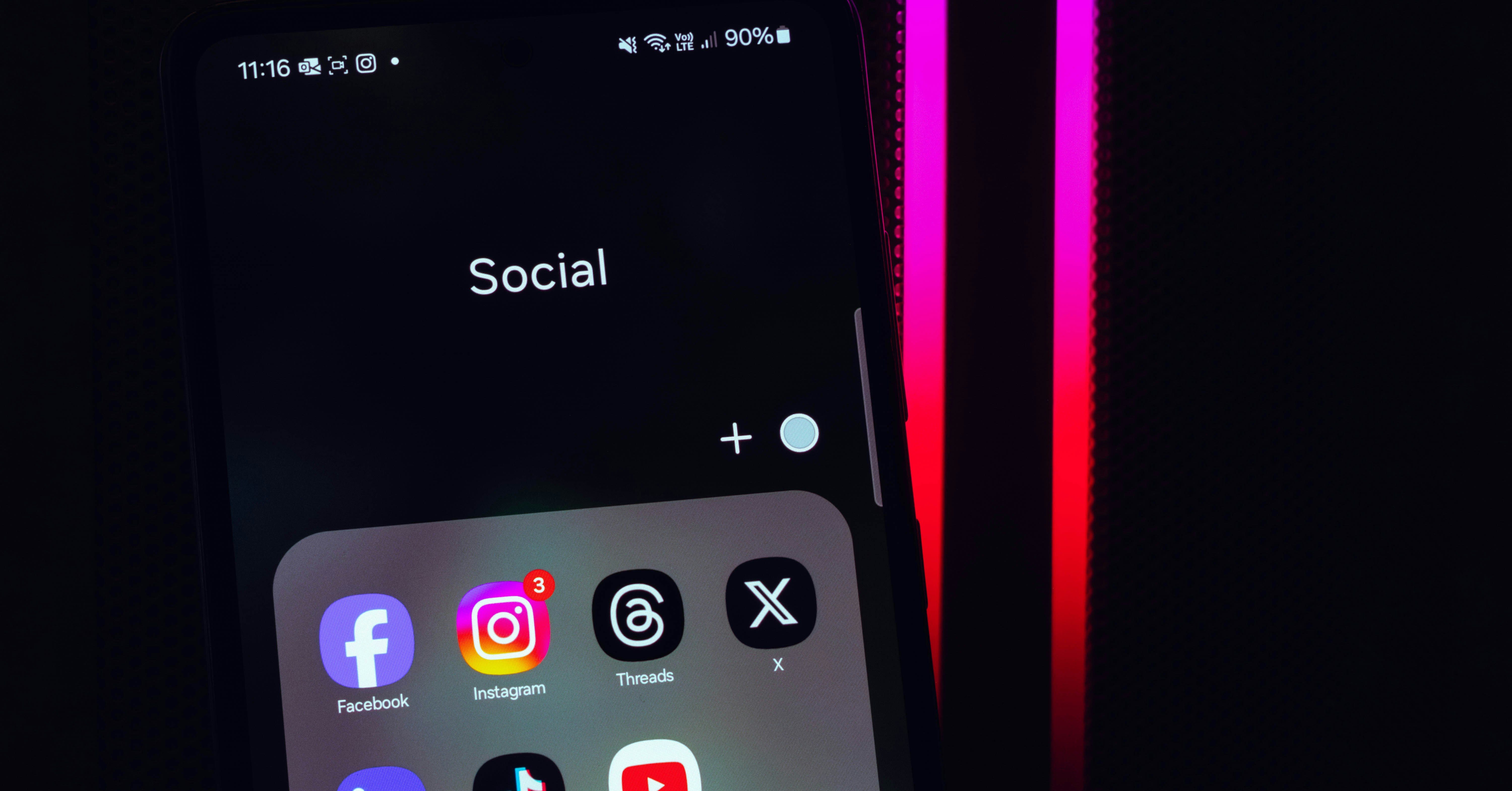
How Tech Platforms Are Shaping What We See, Share, and Value
In today’s digital world, culture no longer unfolds organically—it’s curated, coded, and served to us by invisible algorithms. Whether it’s trending TikTok sounds, Spotify recommendations, or Netflix originals, the cultural content we consume is increasingly governed by machine-learning systems. This shift raises an urgent question: What happens to culture when it’s shaped not by people, but by algorithms?
The answer is complex, and its consequences are far-reaching. Algorithmic culture: the term used to describe the fusion of cultural production and algorithmic logic, is reshaping how we create, distribute, and engage with art, media, and identity. It’s changing who gets visibility, what narratives get told, and even how we define taste.
This article unpacks how algorithmic systems are influencing the creative economy, transforming traditional media, and subtly rewriting our cultural norms in the process. As we enter deeper into the age of the algorithm, understanding its cultural implications has never been more critical.
The Rise of Algorithmic Gatekeepers

Traditionally, cultural gatekeepers were editors, curators, critics, or broadcasters—humans who made judgment calls about what content merited attention. Today, that role has largely been outsourced to machines. Algorithms—trained on vast data sets of our behaviors, preferences, and engagement patterns—now determine which songs we hear, which videos go viral, and which stories enter the mainstream.
Platforms like YouTube, TikTok, Instagram, Spotify, and Netflix rely on proprietary algorithms to curate personalized content feeds for billions of users. Their goal? Maximize engagement, time-on-platform, and ultimately, advertising revenue. But in doing so, they shape cultural visibility based on what the algorithm predicts you’ll like, not necessarily what you need to see or what’s culturally significant.
This shift has profound implications. Algorithms, unlike human curators, lack historical, political, or ethical context. They amplify what performs well, often favoring novelty, outrage, repetition, and conformity. The result? A culture that’s more viral than vital.
Virality vs. Value: What the Algorithm Rewards
Culture used to evolve through slow-moving waves, subcultures influencing the mainstream, word-of-mouth spreading trends, and communities rallying around shared values. Today, trends explode overnight, often sparked by a single viral moment and sustained by algorithmic momentum.
Take the TikTok “For You Page,” a cultural incubator powered entirely by algorithmic selection. Videos are shown not based on follower count or reputation, but on how well they engage users within the first few seconds. This dynamic has made fame more accessible, but also more volatile and performative.
Creators now often tailor content to “feed the algorithm,” prioritizing short, catchy, visually punchy material that will trigger engagement. That can mean repetition of formats, sounds, or aesthetics that have previously “worked,” creating a homogenized digital culture where originality is riskier than replication.
In short, the algorithm rewards virality over nuance, spectacle over substance.
Filter Bubbles, Cultural Fragmentation, and the Loss of Shared Meaning
One of the most troubling effects of algorithmic culture is the fragmentation of shared experience. With personalized content feeds, we no longer consume the same media, stories, or references. Instead, we’re funneled into niche echo chambers where our existing tastes and beliefs are constantly reinforced.
This “filter bubble” effect doesn’t just limit exposure to different perspectives; it undermines cultural cohesion. Where once television shows, newspapers, or chart-topping songs served as collective cultural touchpoints, algorithmic feeds now generate millions of micro-cultures that rarely intersect.
In a 2023 study by the Pew Research Center, 62% of Americans reported that their digital content feeds rarely exposed them to opposing views. This doesn’t just affect political discourse; it weakens the possibility of cultural dialogue altogether.
Without a shared baseline of stories, rituals, or references, cultural understanding becomes fractured. And in a fragmented landscape, it’s easier for misinformation and disinformation to spread unchecked, because there’s no common framework for truth or meaning.
The New Cultural Tastemakers: Influencers, Creators, and Data Scientists
If algorithms are the new gatekeepers, who designs them? Increasingly, the answer is a small group of engineers and data scientists, largely working within tech monopolies based in Silicon Valley. Their decisions about what metrics to optimize, which signals to prioritize, and what constitutes “success” have enormous cultural impact.
But alongside engineers, influencers, and content creators have emerged as a new class of cultural tastemakers. Many now view the algorithm not as a gatekeeper to fight, but a code to be cracked. They study algorithm updates, test content variations, and track analytics in real-time.
This has led to the rise of what author and theorist Chris Moran calls “algorithmic literacy”—the ability to understand, adapt to, and manipulate algorithmic systems. It’s a form of cultural capital in the digital age. But it’s not equally distributed. Those with resources, time, and technical savvy are better positioned to succeed.
This creates an uneven playing field where marginalized voices—often less algorithmically visible—struggle to break through. As a result, algorithmic culture tends to replicate existing inequalities, rather than challenge them.
Art in the Age of the Algorithm
Artists have long been influenced by the medium through which they work. In the age of the algorithm, the medium is platformized, data-driven, and metricized. Every post, stream, like, and comment becomes a datapoint in a feedback loop that shapes future visibility.
Some artists push back, choosing to ignore metrics or build outside traditional platforms. Others embrace the algorithm as a collaborator or even a muse. AI-generated art, generative music, and machine-curated exhibitions are just some examples of how artists are grappling with algorithmic systems creatively.
But many feel trapped by the need to produce “content” that performs well on platforms constantly. The result is often creative burnout, strategic self-censorship, and a loss of authenticity.
As musician James Blake noted in a 2022 interview, “The music industry used to be about albums, storytelling, artistry. Now it’s about TikTok virality and chasing trends. The algorithm is not a fan of nuance.”
The Commodification of Identity

Algorithmic culture doesn’t just shape what we consume; it also shapes how we present ourselves. On social platforms, identity becomes a performance optimized for visibility. Hashtags, aesthetics, captions, and content formats are curated not for self-expression, but for algorithmic favor.
This performative selfhood has led to the rise of “algorithmic identities”—personas designed to succeed in digital environments. For marginalized communities, this dynamic can be especially fraught. On one hand, algorithmic platforms can amplify underrepresented voices. On the other hand, they often suppress content that deviates from normative standards or is deemed “sensitive.”
Instagram’s shadow banning of Black Lives Matter hashtags, TikTok’s suppression of content from disabled and queer creators, and YouTube’s demonetization of LGBTQ+ videos are just a few documented examples. These aren’t just tech glitches; they’re reflections of how algorithmic systems encode bias.
In short, the algorithm doesn’t just distribute culture; it disciplines it.
Resistance and Reimagination: Can We Build a More Ethical Algorithmic Culture?
Despite the challenges, resistance is growing. Creators, artists, technologists, and everyday users are pushing for greater transparency, accountability, and diversity in algorithms.
Platforms like BeReal and Mastodon attempt to disrupt the algorithmic status quo by prioritizing authenticity or decentralization. Advocacy groups are lobbying for algorithm audits, ethical AI design, and user control over recommendation systems. Meanwhile, media literacy programs are teaching people to recognize the influence of algorithmic curation.
There’s also a growing movement toward “slow content”—longform essays, podcasts, newsletters, and digital zines that resist the scroll-and-forget pace of the algorithm. These formats cultivate depth, not clicks.
Ultimately, reclaiming culture in the age of the algorithm means re-centering human values, curiosity, empathy, creativity, and complexity over machine-optimized metrics.
What’s at Stake?
Culture is not just entertainment: it’s how we make sense of the world. It tells us who we are, what matters, and how to live together. When algorithms mediate culture, they also mediate our collective sensemaking. That gives them enormous power.
If left unchecked, algorithmic culture risks narrowing our worldview, homogenizing our tastes, and reinforcing the loudest, most profitable voices. But if interrogated, reimagined, and rebalanced, algorithms can be tools, not tyrants in the cultural landscape.
We stand at a crossroads. Will we accept culture as something generated for us by machines? Or will we fight to keep culture a human, messy, and meaning-rich process?
The choice, at least for now, is still ours.
References
Gillespie, Tarleton. Custodians of the Internet. Yale University Press, 2018.
Pew Research Center. “Americans’ Views on the Impact of Social Media Algorithms.” 2023.
Noble, Safiya Umoja. Algorithms of Oppression. NYU Press, 2018.
James Blake Interview. The Guardian, 2022.
Tufekci, Zeynep. “YouTube, the Great Radicalizer.” The New York Times, 2018.
“Shadow Banning and Censorship on TikTok.” MIT Technology Review, 2021.
Chris Moran, “Algorithmic Culture and the Editorial Crisis.” Journalism Practice, 2020.
Olivia Santoro is a writer and communications creative focused on media, digital culture, and social impact, particularly where communication intersects with society. She’s passionate about exploring how technology, storytelling, and social platforms shape public perception and drive meaningful change. Olivia also writes on sustainability in fashion, emerging trends in entertainment, and stories that reflect Gen Z voices in today’s fast-changing world.
Connect with her here: https://www.linkedin.com/in/olivia-santoro-1b1b02255/
About The Author


