
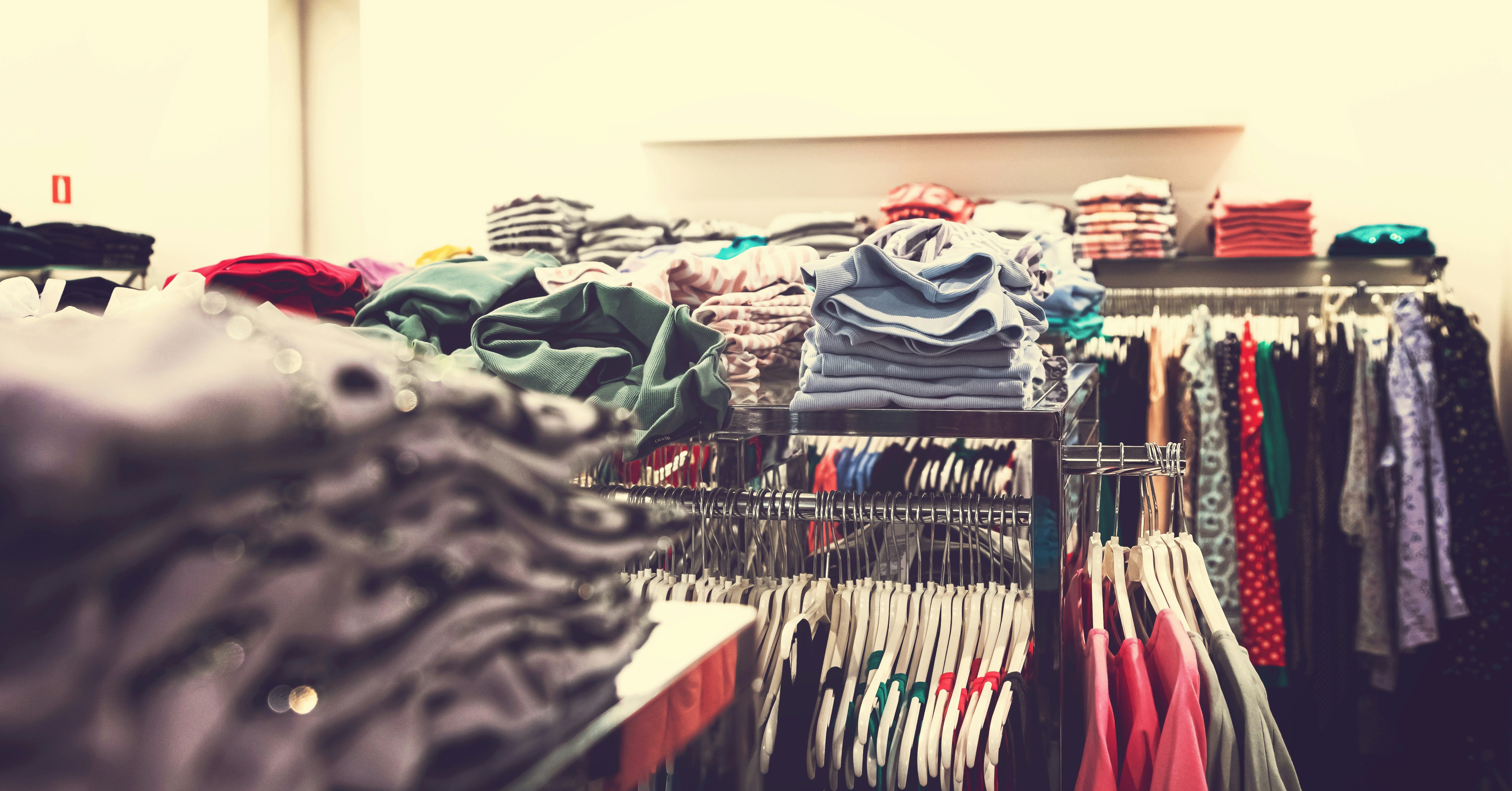
Introduction: The Feel-Good Gesture That Needs Rethinking
You’ve just finished decluttering your closet. With bags of old clothes in hand, you head to your local donation bin or thrift store, feeling good about giving your gently used garments a second life. Donating clothes is one of those rare actions that feels morally sound, environmentally conscious, and helpful to others—an easy win.
But what really happens after you drop off that bag? Who wears your old jeans? Do your t-shirts stay local? Are you helping someone in need, or feeding a global system of textile waste and exploitation?
The truth is more complicated—and less sustainable—than most people realize. Clothing donation is not the circular solution it’s marketed to be. In fact, it’s often the beginning of a long, hidden journey that ends in landfills, incinerators, or foreign markets, where it disrupts local economies and environments.
The Illusion of Infinite Reuse
Americans donate an estimated 4.5 billion pounds of clothing each year. According to the Council for Textile Recycling, only 10–20% of donated clothes are sold in local thrift stores. The rest? Shipped overseas, shredded for rags, downcycled into insulation, or thrown away.
The first myth to dispel is that thrift stores can absorb everything we donate. Large chains like Goodwill or Salvation Army receive far more garments than they could ever sell, even with high turnover. Most of what doesn’t sell within a few weeks is either:
- Baled and exported to the Global South
- Downcycled into industrial products
- Sent to landfills or incinerators
This means your clothes don’t necessarily go to someone in need—they become part of a vast, underregulated textile economy that has major social, environmental, and economic consequences.
Step One: The Thrift Store Sorting Room
Once your donations arrive at a thrift store, they enter the sorting room: a behind-the-scenes area you rarely see. Workers (often underpaid or part of workforce development programs) sort items by quality, season, and resale potential.
- Best-case scenario: Your item is in good condition and in season, so it hits the racks with a price tag.
- Worst-case scenario: It’s stained, torn, out of style, or simply not sellable, so it’s redirected to the recycling stream or waste pile.
Even good clothes can be deemed unsellable if there’s too much supply. Fast fashion’s sheer volume overwhelms secondhand systems. A $7 dress from Shein may be too cheap and flimsy to resell. Ironically, high volumes of low-quality donations are dragging down the resale value of thrift stores themselves.
Step Two: Baled and Exported Abroad

What doesn’t sell locally is typically baled, compressed into 100-pound cubes, and sold in bulk to textile recyclers or exporters. These bales are then shipped to countries in Africa, Asia, or Latin America under the label of “used clothing.”
Once abroad, they’re sold again, often in bustling open-air markets where secondhand fashion is a key part of the informal economy. Countries like Ghana, Kenya, Pakistan, and Chile have become dumping grounds for the Global North’s unwanted clothing.
This system is not charity. It’s commerce.
According to the Observatory of Economic Complexity (OEC), the U.S. exported over $700 million in used clothing in 2023. This business benefits exporters, shipping companies, and brokers, but rarely the countries receiving the goods.
Kantamanto Market: A Microcosm of Global Waste
One of the most well-documented examples of this global textile overflow is the Kantamanto Market in Accra, Ghana. It is one of the largest secondhand clothing markets in the world, receiving 15 million garments every week, mostly from the U.S., U.K., and Canada.
Local sellers purchase bales without knowing exactly what’s inside. It’s a gamble. Sometimes they get valuable items. More often, they receive low-quality garments they can’t sell—what Ghanaians call “dead white man’s clothes.”
According to The Or Foundation, 40% of clothing imported to Kantamanto ends up as waste, clogging drainage systems, polluting beaches, and fueling toxic burn sites. The economic pressure on sellers, many of whom operate on razor-thin margins, is devastating.
Rather than helping developing countries, this model exports our fashion waste and passes the burden downstream.
The Environmental Cost of Good Intentions
Every stage of this process—sorting, shipping, reselling, disposing—has an environmental toll. Here are a few of the most pressing impacts:
- Carbon emissions from global shipping: The fashion donation supply chain relies on container ships, one of the world’s biggest sources of CO₂ emissions.
- Textile waste and pollution: Clothing made from synthetic fibers (like polyester) doesn’t biodegrade. When dumped or burned, it releases microplastics and toxins into the air and water.
- Overburdened local infrastructure: Countries receiving secondhand clothes often lack the waste management systems to process what can’t be sold, turning city centers and beaches into textile graveyards.
In places like Chile’s Atacama Desert, enormous piles of unsold clothing from Asia, Europe, and the U.S. are visible from space. These fashion landfills are a haunting reminder that “out of sight” is not “out of impact.”
The Economic Displacement in the Global South
Another dark side of clothing donation is economic displacement.
The influx of cheap used clothing undercuts local garment industries. In countries like Kenya and Nigeria, once-thriving textile sectors have collapsed under the pressure of imported secondhand fashion. Why buy a locally made dress when you can get a name-brand one for a fraction of the price?
This dependency undermines economic sovereignty. It also traps communities in cycles of consumption and waste, importing used clothes, only to struggle with the costs of their disposal.
Some African nations, like Rwanda, have attempted to ban secondhand imports altogether to protect their domestic industries. But these bans are often met with trade retaliation from countries like the U.S., revealing just how entangled and unequal the system truly is.
What About Textile Recycling?
You might wonder, can’t we just recycle the clothes instead?
Textile recycling exists, but it’s limited in scope and scale. Most clothing is made from blended materials (e.g., cotton-polyester), which are difficult to recycle mechanically. Even when clothes are 100% cotton, dyes, zippers, and mixed threads complicate the process.
There are two main recycling streams:
- Mechanical recycling: Shreds garments into fibers, usually downcycled into rags, insulation, or stuffing—not new clothes.
- Chemical recycling: Breaks fibers down at the molecular level. Promising, but still in its infancy and expensive.
Today, less than 1% of clothing is recycled into new garments. Most “recycling” is downcycling, which delays but doesn’t prevent disposal.
The Myth of Donation as Sustainability

Clothing donation often functions as a kind of consumer absolution: a way to feel better about overconsumption. But in reality, it’s not a sustainable solution. It’s a system built to accommodate excess, not reduce it.
As Elizabeth Cline, author of The Conscious Closet, puts it:
“We need to stop thinking of donation as a sustainable act, and start thinking of it as the final, least-ideal option before landfill.”
True sustainability begins before donation, with conscious purchasing, garment care, repair, and reuse.
Rethinking Responsibility: What Can You Do?
If donation isn’t the solution we thought it was, what can we do instead?
1. Buy Less and Buy Better
Choose higher-quality clothes made from natural fibers. Invest in items you’ll wear repeatedly. Fast fashion thrives on impulse buys—resist the cycle.
2. Mend, Upcycle, Swap
Learn basic sewing skills. Host clothing swaps with friends. Upcycle old clothes into bags, quilts, or rags. Treat garments as valuable, not disposable.
3. Sell or Gift Directly
Use platforms like Depop, Poshmark, or Facebook Marketplace to resell. Or gift to someone in your community who will truly use the item.
4. Support Brands with Take-Back Programs
Some ethical brands like Eileen Fisher and Patagonia offer garment recycling or repair services. Participate in these programs to close the loop.
5. Donate Strategically
If you must donate, do so thoughtfully. Ensure clothes are clean, wearable, and in good condition. Research local organizations that redistribute clothing directly to those in need (e.g., shelters, refugee centers).
Emerging Solutions and Innovations
While the current system is flawed, there are innovators trying to fix it.
- Fibersort Technology: Automated sorting systems that identify fiber content quickly, enabling more effective recycling.
- Circular Fashion Platforms: Startups like For Days and ThredUp promote resale, take-back, and recycling loops.
- Extended Producer Responsibility (EPR): Policies that hold brands accountable for the entire lifecycle of their products, including end-of-life.
In the EU, EPR for textiles is gaining traction. Similar legislation is being considered in California and New York. If enacted, these laws could shift the burden from consumers to corporations, where it arguably belongs.
Conclusion: Beyond the Bin
Donating clothes isn’t inherently bad. It can serve an important role in community support and waste reduction. But it cannot be our primary solution to fashion’s overproduction problem.
Our closets are a mirror of our culture, fast, excessive, and detached from consequences. Changing that means rethinking not just how we dispose of clothes, but how we value them in the first place.
The next time you hold a shirt in your hands and wonder, “Should I donate this?”Consider the long journey that might follow. Then ask yourself the better question: “How can I extend this garment’s life responsibly, right here, right now?”
Because in a world drowning in fabric, true sustainability starts long before the donation bin.
References
Council for Textile Recycling. https://www.weardonaterecycle.org/
The Or Foundation: Dead White Man’s Clothes report. https://theor.org
Ellen MacArthur Foundation. (2021). A New Textiles Economy. https://ellenmacarthurfoundation.org
Fashion Revolution. (2023). Loved Clothes Last. https://www.fashionrevolution.org
U.S. Census Bureau. (2023). Used Clothing Export Data. https://www.census.gov
OEC: The Observatory of Economic Complexity. https://oec.world
BBC Future. (2022). What Happens to Your Clothes After You Donate Them? https://www.bbc.com/future/article/20220215
Olivia Santoro is a writer and communications creative focused on media, digital culture, and social impact, particularly where communication intersects with society. She’s passionate about exploring how technology, storytelling, and social platforms shape public perception and drive meaningful change. Olivia also writes on sustainability in fashion, emerging trends in entertainment, and stories that reflect Gen Z voices in today’s fast-changing world.
Connect with her here: https://www.linkedin.com/in/olivia-santoro-1b1b02255/
About The Author


A few of our local churches have their own thrift stores as does our local food pantry. After reading this, I think I’ll donate my clothes there instead!