
Storytelling as a Mirror of Society
From ancient folklore to modern cinema, storytelling has always reflected the values, struggles, and evolution of human society. As cultures shift, so do the narratives they produce—making storytelling societal change one of the most significant indicators of how beliefs, power structures, and identities evolve over time.
Storytelling doesn’t just record history; it interprets it. Through myths, novels, films, and digital content, we witness how societies process progress, crisis, and transformation.
From Oral Traditions to Written Records: Documenting Early Societal Values
In early civilizations, oral storytelling was the primary means of transmitting cultural knowledge, moral lessons, and collective memory. These stories often reinforced existing hierarchies or explained natural phenomena in ways that reflected early human understanding.
✔ Myths justified social structures and divine authority
✔ Heroic epics reflected values like bravery, loyalty, and honor
✔ Folklore addressed communal fears and aspirations
Example:
- The Epic of Gilgamesh reveals early attitudes toward mortality, kingship, and human limitations—central themes that still resonate but evolve with time.
Industrialization and Modern Narratives: Class Struggles & Urban Change
As societies transitioned from agrarian to industrial economies, storytelling themes shifted dramatically. Novels, plays, and later films began depicting:
✔ Economic inequality and exploitation
✔ Urban alienation and loss of tradition
✔ The rise of individual agency against oppressive systems
Example:
- Charles Dickens’ works exposed the harsh realities of industrial London, reflecting changing attitudes toward child labor, poverty, and social justice.
Impact:
Storytelling became a tool to critique modernization while amplifying marginalized voices affected by rapid societal change.
Shifting Gender Roles: Storytelling and the Evolution of Gender Representation

One of the most visible ways storytelling reflects societal change is through evolving portrayals of gender. As movements for women’s rights, LGBTQ+ visibility, and gender equity gained momentum, narratives across media transformed accordingly.
✔ Early literature often portrayed women as passive, dependent, or moral symbols
✔ The 20th century introduced complex female protagonists challenging patriarchal norms
✔ Contemporary stories highlight intersectional gender identities, empowerment, and systemic critiques
Examples:
- Virginia Woolf’s novels challenged traditional gender roles, with works like Orlando exploring gender fluidity decades before it became a mainstream discussion.
- In cinema, films like Thelma & Louise (1991) redefined female agency, presenting women as rebels against oppression rather than victims.
- Modern shows like Pose (2018) foreground trans and queer stories, reflecting growing societal inclusion and recognition of gender diversity.
Impact:
As societal views on gender evolve, storytelling shifts from reinforcing binaries to interrogating and celebrating diverse identities, offering new role models and breaking historic stereotypes.
Race, Identity, and Postcolonial Narratives: Storytelling as Resistance
Throughout history, marginalized communities have used storytelling to challenge oppression, reclaim identity, and expose systemic injustice.
✔ Colonial-era narratives often silenced or distorted indigenous and minority voices
✔ Postcolonial literature and cinema reclaim history from oppressed perspectives
✔ Modern storytelling platforms amplify racial justice movements and cultural pride
Examples:
- Chinua Achebe’s Things Fall Apart (1958) deconstructed Western misconceptions of African societies, initiating a wave of postcolonial literary resistance.
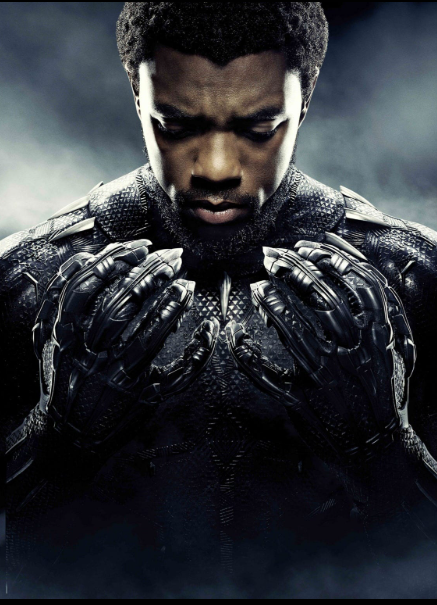
- Films like Black Panther (2018) celebrate Afrofuturism and Black cultural pride, reflecting global conversations around racial identity and empowerment.
- Documentaries such as 13th (2016) spotlight systemic racism in contemporary institutions, using storytelling as a catalyst for awareness and change.
Impact:
Storytelling serves as both a record of oppression and a vehicle for empowerment, evolving as societies confront historical injustices and seek inclusive futures.
Technology’s Influence: Storytelling in the Digital and AI Era
Technological revolutions continuously reshape how stories are created, shared, and experienced, mirroring broader societal transformations.
✔ The printing press democratized access to literature, igniting intellectual revolutions
✔ Cinema introduced mass visual storytelling, reflecting industrial and cultural shifts
✔ The internet, streaming, and AI democratize voices while raising new ethical questions
Examples:
- The rise of social media storytelling (e.g., TikTok narratives, Instagram Reels) reflects society’s need for immediacy, brevity, and participatory culture.
- Interactive storytelling, such as Netflix’s Bandersnatch, embodies society’s craving for agency within narratives—a reflection of broader demands for autonomy in politics and culture.
- AI-driven content generation and deepfakes spark debates on authenticity, representation, and truth in storytelling—mirroring society’s anxieties about technology’s growing influence.
Impact:
As society grows more digitized and interconnected, storytelling adapts to new formats, reflecting not just technological advancements but cultural attitudes toward control, identity, and authenticity.
Globalization and the Blurring of Cultural Boundaries
In an interconnected world, storytelling reflects the merging and clashing of cultures, fostering both unity and tension.
✔ Global streaming platforms expose audiences to diverse narratives
✔ Cross-cultural collaborations produce hybrid stories blending traditions
✔ There’s growing awareness of cultural appropriation vs. authentic representation
Examples:
- International hits like Parasite (2019) showcase Korean social commentary while resonating with global audiences, reflecting universal concerns about class and inequality.
- The global popularity of anime and K-dramas illustrates shifting cultural dominance in entertainment, challenging Western-centric narratives.
- Storytelling formats like transmedia storytelling (narratives spanning film, games, books) reflect how global audiences now expect immersive, interconnected experiences.
Impact:
Storytelling reflects a world where cultural exchange is constant, yet fraught with questions of ownership, representation, and authenticity—mirroring the complexities of global society itself.
Storytelling and Mental Health Awareness
Modern storytelling increasingly reflects society’s evolving understanding of mental health, breaking long-held stigmas and promoting empathy.
✔ Older narratives often depicted mental illness through stereotypes or as villainous traits
✔ Contemporary stories humanize psychological struggles, fostering open conversations
✔ There’s a growing focus on trauma, healing, and resilience narratives
Examples:
- BoJack Horseman (2014-2020) offers a raw, complex portrayal of depression, addiction, and self-sabotage in a satirical, animated format.
- Films like Silver Linings Playbook (2012) center mental health journeys as part of human complexity, reflecting greater societal acceptance.
Impact:
As mental health awareness rises, storytelling mirrors these changes, shifting from stigmatization to representation and advocacy.
The Rise of Environmental Storytelling
The climate crisis and environmental awareness have reshaped narratives, with ecological concerns embedded across genres.
✔ Early storytelling often romanticized nature as untamed or exploited it for spectacle
✔ Modern narratives portray environmental collapse, sustainability, and human responsibility
✔ Storytelling raises ecological consciousness, urging behavioral change
Examples:
- Documentaries like Our Planet (2019) visually dramatize environmental fragility, fostering global awareness.
- Films like Don’t Look Up (2021) use satire to critique inaction on climate change, reflecting rising public frustration.
Impact:
Storytelling evolves to echo society’s ecological anxieties, promoting dialogue on sustainability, responsibility, and survival.
Changing Family Structures in Storytelling
As family dynamics diversify, narratives reflect evolving concepts of kinship, love, and chosen families.
✔ Traditional nuclear families dominated early storytelling as societal ideals
✔ Modern stories explore blended families, LGBTQ+ parents, and unconventional bonds
✔ Emphasis on chosen families reflects inclusivity and changing social values
Examples:
- Modern Family (2009-2020) humorously portrays diverse family structures, echoing real-world shifts.
- Films like Moonlight (2016) show how found families and mentorship can replace biological ties, reflecting societal change in notions of belonging.
Impact:
Narratives adapt to celebrate diverse family forms, fostering acceptance and representation of varied lived experiences.
Political Upheaval and Protest Movements in Storytelling
Periods of social unrest inspire powerful storytelling that channels dissent, hope, and activism.
✔ Historical dramas revisit past revolutions, reflecting ongoing struggles
✔ Contemporary works dramatize protest movements, injustice, and systemic critique
✔ Storytelling amplifies activist voices, influencing public consciousness
Examples:
- The Trial of the Chicago 7 (2020) revisits 1960s protests, resonating with modern audiences amid global unrest.
- When They See Us (2019) dramatizes racial injustice, mirroring ongoing demands for reform and accountability.
Impact:
Storytelling evolves to challenge power, document resistance, and reflect societies grappling with change and activism.
Migration, Displacement, and Global Diaspora Narratives
Migration stories have become increasingly central, reflecting societies shaped by displacement, conflict, and global mobility.
✔ Traditional stories romanticized homeland, often ignoring migration realities
✔ Modern narratives explore refugee experiences, identity loss, and cultural hybridity
✔ Diaspora storytelling fosters empathy, understanding, and cross-cultural awareness
Examples:
- Minari (2020) depicts the immigrant struggle and cultural adjustment with tenderness and complexity.
- Literature by authors like Chimamanda Ngozi Adichie explores identity, belonging, and cultural navigation across continents.
Impact:
Storytelling reflects global migration as both personal and political, shaping narratives of resilience, identity, and transformation.
Storytelling and the Digital Identity Era
With the rise of digital life, storytelling reflects society’s evolving concepts of identity, privacy, and virtual existence.
✔ Early narratives separated “real life” from virtual spaces
✔ Modern stories blur the lines between digital and physical identities
✔ Social media, surveillance, and online personas reshape narrative themes
Examples:
- Black Mirror (2011–2019) explores how technology alters relationships, self-perception, and control, reflecting societal fears of hyper-connectivity.
- The Social Network (2010) dramatizes the birth of Facebook, reflecting society’s shifting understanding of influence, privacy, and digital power.
Impact:
As digital spaces redefine human interaction, storytelling mirrors these complexities, questioning authenticity, power, and personal boundaries.
Rewriting Historical Narratives to Reflect Diverse Perspectives
Storytelling increasingly challenges one-sided historical accounts, reflecting society’s push for inclusivity and truth.
✔ Traditional histories often glorified dominant groups, silencing others
✔ Modern narratives give voice to marginalized communities and forgotten histories
✔ Storytelling reframes the past to foster accountability and deeper understanding
Examples:
- Hidden Figures (2016) spotlights Black women’s contributions to NASA, correcting omissions in mainstream history.
- Literature like Colson Whitehead’s The Underground Railroad reimagines history to expose the brutal legacy of slavery.
Impact:
Societal change drives storytelling to unearth silenced truths, diversify historical perspectives, and challenge mythologies of power.
The Rise of Intersectional Narratives
Modern storytelling reflects a growing awareness of intersectionality—the interconnected nature of social identities and oppression.
✔ Earlier stories often isolated race, gender, or class struggles
✔ Intersectional narratives capture the complexity of overlapping identities
✔ Storytelling mirrors society’s move toward nuanced representation
Examples:
- Orange Is the New Black (2013–2019) intertwines gender, race, class, and sexuality within systemic critiques of incarceration.
- I May Destroy You (2020) explores trauma, consent, race, and fame with intersectional depth, reflecting modern social discourse.
Impact:
Storytelling evolves to acknowledge layered identities, fostering empathy and reflecting society’s demand for holistic, authentic narratives.
Climate Fiction (Cli-Fi) and Environmental Futurism
As ecological crises intensify, storytelling adopts speculative approaches to envision environmental futures.
✔ Traditional nature stories emphasized conquest or romanticism
✔ Climate fiction dramatizes environmental collapse and survival scenarios
✔ Storytelling reflects both ecological fears and aspirations for resilience
Examples:
- The Ministry for the Future by Kim Stanley Robinson imagines political and technological responses to climate breakdown.
- Films like Interstellar (2014) reflect existential concerns over planetary sustainability and human survival.
Impact:
Societal anxiety over ecological futures fuels storytelling that speculates, warns, and inspires action on global sustainability.
Storytelling and the Normalization of Disability Narratives
Societal progress on disability rights is reflected in evolving narrative portrayals of ability, inclusion, and agency.
✔ Older narratives framed disability as tragedy, obstacle, or moral lesson
✔ Modern stories emphasize empowerment, authenticity, and lived experience
✔ Storytelling increasingly incorporates accessibility and authentic representation
Examples:
- CODA (2021) centers Deaf culture and family dynamics, reflecting inclusive storytelling shifts.
- Atypical (2017–2021) portrays neurodivergent experiences with humor and heart, challenging stereotypes.
Impact:
As societal understanding of disability deepens, storytelling evolves to foster visibility, empathy, and normalization beyond simplistic tropes.
The Transformation of Hero Archetypes in Modern Storytelling
Societal change reshapes heroic narratives, reflecting evolving ideals around morality, leadership, and vulnerability.
✔ Classic heroes embodied strength, certainty, and clear moral divides
✔ Contemporary heroes reflect flaws, ambiguity, and social responsibility
✔ Anti-heroes and morally complex protagonists mirror real-world uncertainties
Examples:
- Black Panther (2018) explores heroism through cultural responsibility, leadership tension, and legacy.
- The Witcher (2019–) presents morally grey protagonists navigating systemic corruption, reflecting societal skepticism of simplistic heroes.
Impact:
Storytelling reflects shifting societal ideals, favoring complex, relatable heroes over rigid archetypes—mirroring broader cultural conversations around ethics and imperfection.
Storytelling as Society’s Living Archive
Storytelling is more than entertainment—it’s a living, evolving archive of humanity’s values, fears, aspirations, and transformations. Across generations, narratives have chronicled everything from ancient myths legitimizing kings to modern stories questioning power, identity, and justice.
As societies face new challenges—technological upheavals, ecological crises, struggles for equity—storytelling reflects these tensions. Narratives expand to:
✔ Amplify marginalized voices once excluded
✔ Reframe histories through inclusive, critical lenses
✔ Interrogate identity, technology, and global interconnectedness
✔ Promote empathy by humanizing complex social realities
✔ Explore futuristic possibilities while confronting present dilemmas
Storytelling societal change isn’t static. Each era reshapes narrative forms, heroes, conflicts, and resolutions to align with evolving norms, anxieties, and dreams. From campfire tales to AI-generated scripts, storytelling remains society’s mirror—sometimes flattering, sometimes disruptive, always revealing.
About The Author


