
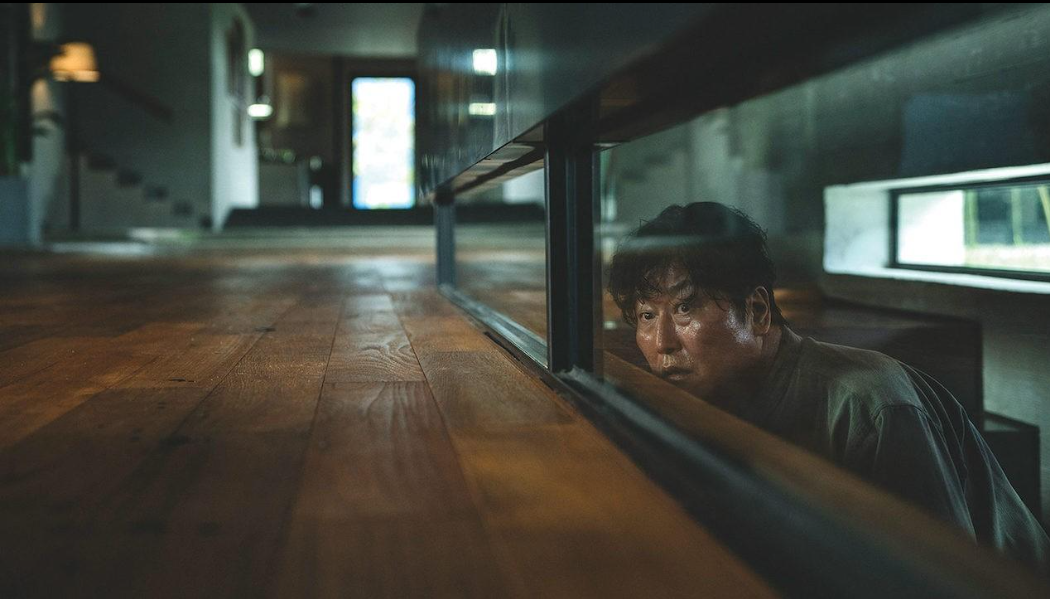
The Invisible Hand of Suspense: Why Editing Pace Matters
In the world of cinema and storytelling, suspense is rarely accidental. It is a carefully constructed emotion, designed to grip audiences, heighten tension, and hold them on the edge of their seats. While performances, sound design, and visual framing contribute significantly, one of the most critical—yet often invisible—factors behind suspense is the editing pace.
Editing pace refers to the rhythm, timing, and speed at which visual information is delivered to the audience. It governs the duration of each shot, the transitions between scenes, and the tempo of the narrative flow. When used deliberately, editing pace becomes a masterful tool to manipulate viewer psychology, slow time, accelerate heartbeats, or drag moments into unbearable anticipation.
Unlike music or dialogue, editing operates beneath conscious awareness. The viewer may not always register the mechanics behind a sequence, but they feel its effects—especially when suspense tightens its grip.
How Fast Cuts Generate Immediate, Breathless Suspense
One of the most straightforward ways editing pace creates suspense is through rapid, fast-paced cutting. Short, quick edits accelerate the visual rhythm, overwhelming the viewer’s senses and simulating chaos, danger, or uncertainty. This technique propels the narrative into high-stakes territory, where the viewer has little time to process, creating a physiological response—heightened pulse, shallow breathing, and increased tension.
Fast cutting fragments reality. Instead of smooth, observational storytelling, the audience receives jarring, incomplete glimpses—a technique that mirrors the fragmented way humans perceive danger in real life.
Example:
In The Bourne Ultimatum (2007), editor Christopher Rouse employs rapid-fire cutting during the film’s foot chase sequences. The editing rhythm jumps between Jason Bourne, his pursuers, close-ups of urban obstacles, and surveillance camera angles, all within seconds. The resulting visual intensity leaves viewers breathless, mirroring the protagonist’s frantic escape.
Impact:
The faster the cuts, the more disoriented the audience feels—ideal for suspense in chase scenes, action sequences, or moments of escalating peril. Fast edits deny the viewer stability, replacing calm with adrenalized urgency.
Slow Editing Pace Builds Psychological Dread

While fast-paced editing overwhelms with intensity, the opposite approach—slowing down the editing pace—can be even more effective for crafting psychological suspense. Long, lingering shots create a sense of unease, forcing the audience to sit with uncertainty, observe the details, and anticipate something ominous that may—or may not—occur.
Slow editing pace manipulates time perception. Moments stretch beyond their natural rhythm, prolonging tension and magnifying silence or stillness. The lack of cuts denies the viewer relief, compelling them to scan every corner of the frame, expecting danger to emerge from the shadows.
This technique thrives on suggestion rather than explicit action. Instead of delivering rapid shocks, it marinates the audience in discomfort, often amplifying suspense beyond what fast-paced editing could achieve.
Example:
Alfred Hitchcock’s Psycho (1960) masterfully uses both pacing extremes. But in the infamous scene where Marion Crane arrives at Bates Motel, the editing slows down dramatically. Long shots of the eerie, empty motel exterior, extended dialogue exchanges, and quiet, unbroken takes create simmering tension before any overt threat reveals itself.
Similarly, modern horror films like Hereditary (2018) or The Witch (2015) employ long takes and restrained editing pace to trap viewers in atmospheric dread, where the anticipation of horror becomes more frightening than the event itself.
Impact:
A slow editing pace forces viewers into the uncomfortable unknown. It weaponizes silence, negative space, and stillness, sustaining suspense not through speed, but through unbearable anticipation
Rhythmic Variations: The Push and Pull of Suspense
One of the most sophisticated ways filmmakers use editing pace to create suspense is through rhythmic variation—the deliberate contrast between slow and fast editing within a single sequence. This push and pull manipulates the viewer’s expectations, creating false sense of calm before abruptly thrusting them into chaos, or using rapid tension followed by sudden silence to jolt their emotional state.
These shifts in editing rhythm mirror natural patterns of anxiety and relief, tension and release. By oscillating between fast and slow pacing, editors play with the psychological peaks and valleys that make suspense unpredictable and gripping.
Example:
Consider the iconic climax of Jaws (1975). For much of the film, director Steven Spielberg and editor Verna Fields use slower editing pace, building dread with long underwater shots and ominous stillness. But during the shark attack sequences, the pace accelerates rapidly, cutting between frantic swimmers, splashing water, and terrified reactions.
The alternating rhythm prevents the audience from settling into any predictable flow, making the suspense feel organic and escalating in waves. Viewers brace for action, only to be held in prolonged dread—until the next burst of chaotic editing erupts.
Impact:
Rhythmic editing keeps suspense alive by avoiding monotony. Whether through abrupt speed changes or gradual tempo shifts, variations in editing pace destabilize viewer expectations, maintaining tension throughout a scene or entire narrative arc.
Editing Pace Directs Emotional Focus

Beyond generating pure suspense, editing pace serves as a tool to guide the audience’s emotional attention. The speed and rhythm of cuts influence what the viewer prioritizes—whether they focus on a character’s expressions, environmental details, or looming threats. Editors can manipulate suspense by shifting pace to either conceal or emphasize crucial story elements.
Slower cuts often linger on facial expressions, subtle gestures, or atmospheric clues, allowing the audience to absorb underlying emotions or hidden dangers. In contrast, faster cuts can deliberately withhold context, keeping viewers disoriented and reactive rather than reflective.
Example:
In Silence of the Lambs (1991), the suspenseful interaction between Clarice Starling and Hannibal Lecter relies heavily on pacing. Editor Craig McKay uses deliberate, extended cuts on Lecter’s face as he delivers chilling dialogue. The slow pace locks the audience into his unsettling gaze, emphasizing psychological manipulation over physical threat.
Impact:
By adjusting editing pace, filmmakers subtly control the viewer’s gaze and emotional engagement. When used with precision, this technique heightens suspense by revealing—or concealing—information in ways that amplify uncertainty.
The Illusion of Real-Time Through Continuous Shots
In certain suspenseful narratives, filmmakers employ the illusion of real-time by minimizing cuts altogether, using long, continuous takes that immerse the viewer within the moment. Though this technique technically reduces editing pace, its psychological effect is to compress the audience’s experience into an uninterrupted stream of tension.
The absence of visible edits creates a sense of vulnerability—viewers feel as though they are trapped alongside the characters, with no opportunity for narrative escape or time manipulation. When suspense escalates within this continuous frame, the tension feels immediate, relentless, and personal.
Example:
The war film 1917 (2019) exemplifies this technique. Through meticulously choreographed long takes stitched together to appear as one unbroken shot, the film sustains constant suspense. The audience follows the protagonists in real-time through trenches, battlefields, and enemy territory, heightening tension by denying the usual respite of cuts.
Similarly, Alfred Hitchcock’s Rope (1948) famously uses extended takes to maintain claustrophobic suspense within a confined apartment, building unease as characters unknowingly interact near a concealed body.
Impact:
Real-time illusions magnify suspense by immersing viewers in continuous danger. Without editing interruptions, the unfolding action feels inescapable, amplifying audience anxiety and engagement.
Editing Pace as a Reflection of Character Psychology

An advanced use of editing pace lies in its ability to mirror the psychological state of characters, especially within suspenseful narratives. Editors often synchronize pacing with internal emotional rhythms—escalating cuts during panic, slowing down during paralysis or shock—to make audiences feel as though they’re experiencing the same mental and emotional rollercoaster as the protagonist.
This alignment creates immersive suspense, where viewers aren’t just observing danger—they’re living through it, experiencing anxiety, confusion, or dread in sync with the character.
Example:
In Requiem for a Dream (2000), Darren Aronofsky and editor Jay Rabinowitz manipulate editing pace to parallel the characters’ descent into addiction-induced paranoia. As the story progresses, editing becomes increasingly fragmented—quick cuts, split screens, and time-lapses simulate the characters’ distorted perception, amplifying tension and psychological suspense.
Similarly, in Black Swan (2010), editing pace reflects Nina’s fragile mental state. Rapid transitions between reality and hallucination create a constant sense of uncertainty, placing viewers inside her deteriorating psyche.
Impact:
By tailoring editing pace to character psychology, filmmakers create visceral suspense that resonates beyond the surface, deepening emotional connection and elevating narrative intensity.
Editing Pace as Cultural Language of Suspense

Suspense, though universal, often manifests differently across cinematic cultures—and editing pace reflects these stylistic nuances. Hollywood suspense frequently relies on fast-paced editing to generate immediate thrills, while European or Asian cinema often leans into slow-burning tension through extended takes and minimal cuts.
Understanding how editing pace functions within these cultural frameworks deepens appreciation for the varied ways suspense operates globally.
Example:
In South Korean thrillers like Oldboy (2003) or Parasite (2019), suspense builds through controlled, deliberate pacing. Long takes, minimal camera movement, and restrained editing create unease that simmers before exploding into shocking moments.
In contrast, action-thrillers like Taken (2008) employ rapid editing to heighten adrenaline-fueled suspense, catering to Western audiences accustomed to high-speed cinematic rhythms.
Impact:
Editing pace becomes a cinematic dialect—its manipulation of suspense shaped by cultural expectations, genre traditions, and audience sensibilities. Recognizing these variations enriches understanding of how tension transcends borders through both shared and distinct narrative tools.
Conclusion: Editing Pace—The Pulse of Cinematic Suspense
Editing pace is far more than a technical choice—it’s the heartbeat of suspense in visual storytelling. Through the deliberate acceleration or deceleration of cuts, filmmakers sculpt tension, manipulate time, and orchestrate emotional responses with surgical precision.
Whether through:
✔️ Rapid-fire edits that disorient and energize
✔️ Lingering shots that marinate in dread
✔️ Rhythmic variations that destabilize expectations
✔️ Real-time illusions that immerse viewers in danger
✔️ Psychological alignment amplifying character tension
✔️ Cultural styles reflecting suspense diversity
Editing pace is the invisible hand guiding how suspense unfolds on screen.
For audiences, great suspense isn’t just seen—it’s felt. And behind that feeling lies an editor’s mastery over rhythm, timing, and pace, shaping every heartbeat, gasp, and edge-of-seat moment.
As filmmakers continue to innovate, editing pace remains an indispensable weapon in the arsenal of suspense—proving that sometimes, the most thrilling cuts are the ones you barely notice.
About The Author


