
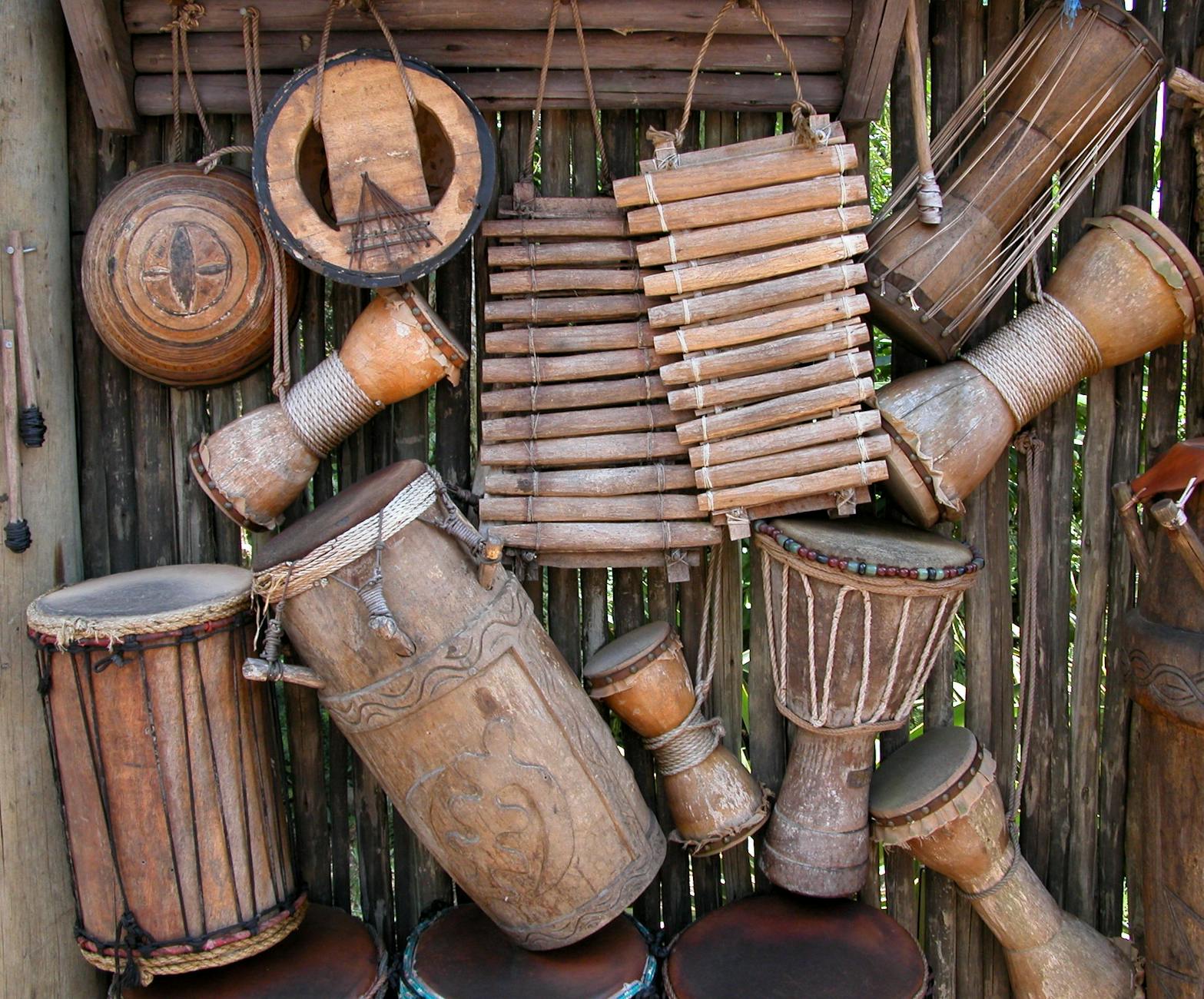
Once relegated to niche markets and “ethnic” record bins, world music has emerged as a dynamic and globally influential industry. Today, artists from Africa, Latin America, Asia, the Middle East, and the Pacific Islands are no longer just local heroes or exotic imports—they are global powerhouses headlining festivals, topping international charts, and shaping popular culture. From Nigerian Afrobeats to Colombian cumbia, Korean pansori to Malian desert blues, world music is both a rich cultural expression and a growing commercial enterprise.
But the term “world music” itself is fraught with complexity—often criticized for its Western-centric framing, market-driven categorization, and oversimplification of diverse traditions. As the genre gains commercial traction, questions about representation, authenticity, and equitable industry practices have taken center stage.
This article explores the evolving business of world music, from its historical emergence as a marketing label to its present-day position in a globalized, digitized music economy. In doing so, it uncovers the opportunities and challenges faced by artists, labels, distributors, and audiences navigating this multifaceted landscape.
Defining “World Music”: A Commercial Construct
The phrase “world music” is less a musical genre and more a marketing category created to organize music that doesn’t neatly fit into mainstream Western pop conventions.
Origins of the term:
- The label gained traction in 1987, when a group of UK record executives and promoters coined “world music” as a commercial tag to help sell non-Western artists in Western markets.
- It became a catch-all category for everything from West African kora music and Indian classical ragas to Balkan brass bands and Native American chants.
While the term provided visibility and shelf space in record stores, it also reinforced the idea that anything not from Europe or North America was “other”—grouping vastly different musical cultures under a single umbrella.

Criticism of the label:
- Many artists and scholars argue that “world music” is a colonial remnant, one that exoticizes non-Western art rather than engaging with its complexity.
- Musicians like Angélique Kidjo and Manu Chao have criticized the label for being limiting and tokenizing, often preventing deeper exploration or crossover success.
Despite these critiques, the term persists in festival lineups, music awards, and digital platforms. The business of world music continues to walk a tightrope between representation and reduction.
From Folk Roots to Global Circulation
Historically, world music drew on traditional and folk genres—music passed down through generations, often tied to rituals, labor, and storytelling. With globalization, these sounds began to circulate more widely, sometimes transforming as they encountered new markets.
Early popularity in the West:
- In the 1960s and 70s, Western audiences discovered Indian classical music through Ravi Shankar’s collaborations with The Beatles and Yehudi Menuhin.
- The 1980s brought greater exposure to African music, with artists like Youssou N’Dour, Salif Keita, and King Sunny Adé signing with international labels.
Shifting audience demographics:
- World music listeners today are more diverse and globally distributed, including immigrants, diasporic communities, young digital natives, and mainstream fans seeking fresh sounds.
- Younger audiences are especially drawn to hybrid forms—music that fuses traditional roots with contemporary production, such as Afrobeats, reggaetón, and neo-flamenco.
This shift has encouraged artists to modernize their sound without abandoning cultural identity—balancing innovation and tradition in a competitive market.
Industry Infrastructure: Labels, Festivals, and Media
The growth of world music has given rise to a robust—but still fragmented—industry infrastructure.
Independent labels and collectives:
- Labels such as Real World Records (UK), Crammed Discs (Belgium), and Analog Africa (Germany) specialize in world music curation, archiving, and reissues.
- Many world music artists are now bypassing major labels entirely, opting for DIY distribution, crowdfunding, and direct-to-fan platforms like Bandcamp.
Festivals as launchpads:
- Events like WOMAD (World of Music, Arts and Dance), Sauti za Busara (Zanzibar), FMM Sines (Portugal), and Rainforest World Music Festival (Malaysia) offer world music artists crucial international exposure.
- These festivals act as trade fairs, networking hubs, and booking platforms for artists seeking to tour globally.
Media coverage and gatekeepers:
- Radio programs such as BBC Radio 3’s “World on 3” and NPR’s “Alt.Latino” help shape public understanding of world music.
- Streaming services have begun offering curated playlists like “Global Groove” and “Afro Hits,” but algorithmic biases still often favor Western genres and English-language tracks.
Without equitable platforming and education, world music risks being marginalized or misrepresented—even as its popularity grows.

Digital Disruption and the Rise of the Global South
One of the most transformative developments in the world music industry is the rise of digital platforms, which have reduced reliance on Western gatekeepers and enabled direct access to global audiences.
YouTube, TikTok, and social virality:
- Artists like Master KG (“Jerusalema”) and CKay (“Love Nwantiti”) went viral through dance challenges, remixes, and meme culture—breaking into global markets without major label support.
- These platforms allow for grassroots visibility—bypassing traditional export systems that often favored select artists or regions.
Streaming data and regional charts:
- Services like Boomplay (Africa), JioSaavn (India), and Deezer (France/MENA) cater to regional listeners while collecting valuable user data.
- Spotify’s regional expansion into countries like Nigeria, Vietnam, and Argentina has elevated local stars onto international editorial playlists, offering a launchpad to global fame.
This decentralization is not just reshaping where music is made and heard—it’s also reshaping who controls the narrative.
Challenges in Monetization and Equity
Despite increased visibility, many world music artists still struggle to sustain financially viable careers—facing challenges in streaming revenue, tour funding, and language bias.
Inequities in payment:
- Royalty systems often favor major Western acts with large catalogs and label backing. World music artists may receive a fraction of a cent per stream despite millions of plays.
- Touring, while a vital income source, is often limited by visa issues, travel costs, and lack of infrastructure in some home countries.
Cultural appropriation and credit:
- Some global hits sample or mimic traditional sounds without crediting the original artists or communities.
- For example, debates have emerged over Western pop stars incorporating Indian tabla beats, African chants, or Andean pan flutes without proper attribution or profit-sharing.
These challenges highlight the urgent need for ethical frameworks, fairer distribution systems, and industry reforms that honor the contributions of global artists.
Evolving Genres: From Preservation to Innovation
While early world music often emphasized the preservation of traditional forms, today’s landscape is increasingly defined by innovation and fusion. Artists are embracing their cultural roots while reinterpreting them through contemporary genres like hip-hop, electronic, jazz, or indie rock.
New hybrids:
- Afrobeats and Amapiano, originating in Nigeria and South Africa respectively, fuse traditional percussion with modern pop and dancehall aesthetics. These genres have now become global exports, with artists like Burna Boy, Wizkid, Tems, and Uncle Waffles performing on international stages and collaborating with U.S. and UK pop stars.
- Neo-flamenco artists like Rosalía have reimagined flamenco’s haunting rhythms through trap, reggaetón, and industrial beats, sparking debates about authenticity and transformation.
- Latin trap and urbano genres blend Caribbean, U.S., and South American influences, propelling artists like Bad Bunny and J Balvin to international fame while redefining what “Latin” music sounds like.
This genre-blending reflects a shift in consumer tastes. Listeners are less concerned with traditional labels and more drawn to music that feels fresh, boundaryless, and emotionally resonant, regardless of its cultural origin.
Global Touring and Festival Circuits
Live performance has always been essential to the sustainability of world music artists. Touring and festivals remain critical sources of income and visibility, especially for acts operating outside the mainstream.
Expanding circuits:
- Major global festivals such as WOMAD, Sziget, Fuji Rock, and Montreal International Jazz Festival have created platforms for world music artists to reach new audiences.
- Regional events like Felabration (Nigeria) or Lollapalooza Chile highlight local scenes while attracting global media attention.
- World music-specific showcases—such as Visa For Music (Morocco), APAP (U.S.), or Classical:NEXT (Europe)—offer artists a chance to network with promoters, labels, and agents.
Challenges and disparities:
- Artists from the Global South often face visa restrictions, logistical hurdles, and currency barriers, making international touring financially and administratively difficult.
- Pandemic disruptions and rising travel costs have further complicated touring, forcing many artists to rely on local or regional circuits.
Despite these hurdles, touring remains a powerful tool for cultural diplomacy—fostering cross-border dialogue through shared musical experiences.

Digital Monetization and Ownership
While digital platforms have democratized distribution, they have also introduced a new wave of monetization challenges—particularly for world music artists navigating complex royalty systems and algorithms.
Pros of the digital shift:
- Artists can now release music globally without label support. Services like DistroKid, CD Baby, and Tunecore allow even rural or emerging artists to publish music on Spotify, Apple Music, and Amazon.
- Streaming analytics offer insights into where music is being played, enabling artists to target their touring and marketing effectively.
- Social media and fan platforms like Patreon, Ko-fi, or Substack let musicians monetize directly from fans, bypassing traditional gatekeepers.
Cons and limitations:
- Streaming platforms pay fractions of a cent per stream, disproportionately favoring English-language hits and artists with algorithmic advantages.
- Metadata errors, label mismanagement, or language mismatches can result in lost revenue or incorrect royalty attribution.
- Many world music traditions, especially those rooted in oral or communal practices, may not fit well into Western copyright frameworks—leading to underrepresentation and underpayment.
To address these issues, organizations like WIN (Worldwide Independent Network) and IMMF (International Music Managers Forum) are pushing for fairer contracts, transparency, and educational resources for artists worldwide.
Licensing, Sync, and World Music in Film/TV
Another rising trend in the world music business is the increased demand for licensing and synchronization (sync)—where music is used in films, series, advertisements, and games.
Growing opportunities:
- Platforms like Netflix, Amazon Prime, and HBO are sourcing music globally for their international series. The inclusion of regional tracks in shows like Money Heist, Squid Game, and Lupin has spotlighted world music artists.
- Music supervisors are seeking authentic sounds for multicultural storytelling. Traditional chants, folk instruments, or regional genres provide a unique texture that pop often lacks.
- Sync placements can result in large payouts, global exposure, and viral moments. For example, the placement of Master KG’s “Jerusalema” in dance videos worldwide turned a local hit into a global anthem.
Roadblocks to licensing:
- Licensing requires artists to own their masters and have clear publishing rights—something many world music creators lack due to informal arrangements or label entanglements.
- Language barriers, legal frameworks, and the absence of publishing infrastructure in some regions hinder participation.
To improve access, initiatives like SyncAfrica, Global Music Vault, and The MLC (U.S. Mechanical Licensing Collective) are working to educate artists and streamline licensing systems across borders.
Education, Translation, and Artist Development
As world music becomes more prominent, so does the need for education, contextualization, and professional development. Artists navigating international markets must balance cultural authenticity with market fluency.
Artist training and support:
- Programs like OneBeat (U.S. State Dept.), British Council’s Selector Pro, and Music in Africa Foundation offer training in digital marketing, rights management, touring logistics, and branding.
- Nonprofits like Freemuse support artists from repressive regimes, offering them tools to distribute work safely and ethically.
The importance of translation:
- Language remains a major barrier for international exposure. Subtitled music videos, translated lyrics, and bilingual social content increase accessibility and audience engagement.
- However, machine translation often fails to capture poetic nuance or cultural specificity, highlighting the need for human involvement and artistic mediation.
Efforts to professionalize and empower artists across the Global South are vital to building long-term careers, rather than viral moments alone.
Conclusion
The global surge of world music reflects both a cultural renaissance and a commercial realignment. Once confined to the margins of the recording industry, it now occupies an influential place in global charts, film soundtracks, festival lineups, and algorithmic playlists. Yet with this visibility comes a responsibility to ensure that the structures surrounding world music are inclusive, ethical, and sustainable.
The future of the world music industry hinges on several key developments:
- Equitable access to platforms: Streaming services must actively promote diversity not just in playlists but in monetization models, metadata accuracy, and language support.
- Cultural integrity in collaboration: As fusion becomes the norm, artists and producers must prioritize mutual respect, fair contracts, and acknowledgment of creative origins.
- Technological empowerment: From blockchain royalty tracking to AI translation tools, the next generation of world music business must be tech-savvy but rooted in community and authenticity.
- Environmental and logistical sustainability: Touring, a key revenue source for world artists, must evolve with climate realities and visa reform to remain viable.
About The Author


