
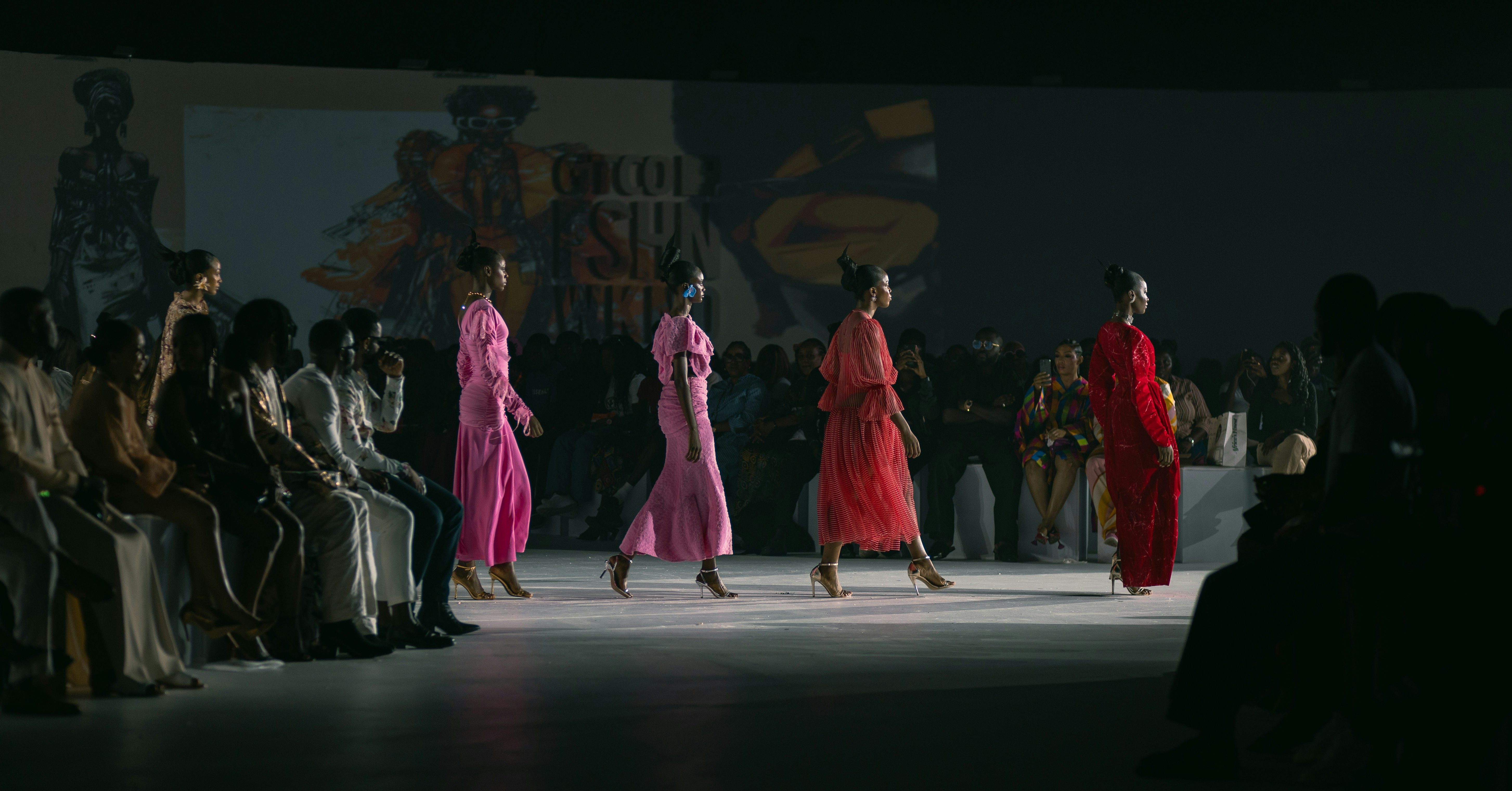
Fashion has long been seen as an expression of self, but in the hands of these ten activists, it’s also a tool for justice. From fighting exploitative labor practices to promoting sustainability and cultural authenticity, today’s fashion activists are challenging an industry historically driven by fast trends, exclusivity, and environmental harm.
In 2025, fashion activism is no longer a fringe movement; it’s a global force shaping how clothes are made, worn, and valued. These ten activists aren’t just changing fashion; they’re redefining its role in society.
1. Aja Barber — Advocating for Ethical Consumption and Anti-Colonialism
Aja Barber is a writer, stylist, and consultant whose work bridges fashion, sustainability, and racial justice. Her book Consumed: The Need for Collective Change examines how consumerism intersects with colonialism and exploitation.
Barber’s activism is rooted in educating consumers about the true cost of fast fashion and the systemic inequalities embedded in the global supply chain. Through her Patreon, Instagram, and public talks, she empowers audiences to shop more consciously and call out exploitative brands.
“The system is designed to make you feel inadequate unless you’re constantly buying more. Fashion activism is about reclaiming your agency.”
2. Venetia La Manna — Exposing Fast Fashion Greenwashing
A former BBC presenter turned fashion critic, Venetia La Manna is the founder of the #WhoMadeMyClothes campaign and a co-creator of Remember Who Made Them, a podcast and advocacy project that centers garment workers’ rights.
La Manna uses her platform to call out greenwashing tactics, where brands make misleading claims about sustainability. Her Instagram videos break down complex industry issues into digestible, often humorous content that resonates with Gen Z and millennials.
3. Céline Semaan — Bridging Climate Justice and Fashion
Céline Semaan is a Lebanese-Canadian designer, writer, and founder of Slow Factory, a non-profit that educates on the intersections of climate justice, colonialism, and fashion. Her work introduces a broader ecological perspective to fashion activism.
Slow Factory offers courses on topics like decolonizing design and climate storytelling. Semaan’s activism connects fashion’s environmental impact with the lived experiences of marginalized communities around the world.
4. Orsola de Castro — Pioneering Transparency Through Fashion Revolution
Orsola de Castro is one of the most influential names in sustainable fashion. She co-founded Fashion Revolution, a global movement born out of the Rana Plaza factory collapse in 2013, which killed over 1,100 workers in Bangladesh.
The Fashion Revolution Week campaign, including the viral #WhoMadeMyClothes hashtag, has sparked a worldwide call for transparency and accountability. Under de Castro’s leadership, the movement has grown to include activists in over 90 countries.
“Fashion should be a force for good. We have to question not just how clothes are made, but why.”
5. Kalpona Akter — Fighting for Garment Workers in Bangladesh

Kalpona Akter began working in garment factories at age 12. Now, she’s one of the world’s leading labor rights activists. As founder of the Bangladesh Center for Worker Solidarity (BCWS), Akter has spent decades advocating for safe working conditions, union rights, and fair wages.
She’s played a pivotal role in international negotiations for the Accord on Fire and Building Safety and is a vocal critic of global brands profiting from exploitative labor.
“Workers are the backbone of this industry. Fashion without justice is not fashion at all.”
6. Remake — A Collective Movement for Fashion Justice
Remake is not a single activist but a collective organization that deserves mention. Founded by Ayesha Barenblat, Remake is a global advocacy platform focused on climate, labor, and gender justice within fashion.
Their #PayUp campaign, launched during the COVID-19 pandemic, pressured brands to pay garment factories for canceled orders, recovering over $22 billion in owed wages. Remake also publishes brand sustainability scores, helping consumers make informed decisions.
7. Wilson Oryema — Elevating Youth Voices in Sustainable Fashion
Wilson Oryema is a British poet, model, and sustainability advocate who brings an artistic and philosophical approach to fashion activism. His book Wait is a meditation on consumption and the human condition, while his work with organizations like the UN and Fashion Our Future 2030 amplifies youth voices in climate dialogue.
Oryema’s activism focuses on storytelling, showing that fashion can be an entry point into wider conversations about planetary ethics.
8. Tansy Hoskins — Investigating Fashion’s Global Impact
Tansy Hoskins is a British journalist and author of Stitched Up: The Anti-Capitalist Book of Fashion. Her investigative writing exposes how the fashion industry relies on systemic inequality, environmental harm, and capitalist exploitation.
Hoskins frequently appears in documentaries, panels, and publications offering critical insight into topics like sweatshops, waste colonialism, and the myth of “conscious capitalism.”
“The injustice of fashion is not an accident—it’s a business model.”
9. Sophia Li — Merging Media, Climate, and Fashion Ethics
Sophia Li is a Chinese-American journalist and climate communicator who has redefined how sustainability messaging is shared online. Formerly at Vogue, Li now focuses on digital storytelling at the intersection of fashion, climate, and wellness.
She is also a founding member of Extinction Rebellion’s Fashion Action and has worked on campaigns with brands like Stella McCartney to promote transparency and climate truth.
10. Kanchana Pa — Championing Indigenous Fashion in Thailand
Kanchana Pa is a Thai Indigenous fashion designer and cultural activist working to preserve traditional weaving practices in Northern Thailand. Her work with women artisans in Chiang Mai challenges the cultural appropriation that often plagues high fashion.
Through her brand and workshops, Kanchana promotes slow fashion rooted in Indigenous knowledge, where garments are made in harmony with the land and the community.
The Bigger Picture: What Fashion Activism Means in 2025

The activists profiled here are just a few of the many voices pushing for a fashion industry that prioritizes people and the planet. What they have in common is a refusal to accept the status quo and a commitment to leveraging fashion as a site of resistance and reimagination.
Their strategies vary: some work within the industry, consulting with brands and leading consumer campaigns. Others operate outside the system, calling for abolition, boycotts, or radical restructuring. But all agree on this: fashion must change, and it must do so equitably.
What Can Consumers Do?
Fashion activism isn’t limited to public figures. Every day, consumers play a powerful role in shaping demand and spreading awareness. Here’s how to take part:
- Ask questions: Use campaigns like #WhoMadeMyClothes and #PayUp to push for brand accountability.
- Buy less and better: Prioritize secondhand, upcycled, and ethically made clothing.
- Support labor rights: Follow and amplify worker-led movements like the Garment Worker Center or the Asia Floor Wage Alliance.
- Educate yourself: Read books, listen to podcasts, and follow activists on social media.
- Vote with your wallet and your voice: Hold brands and policymakers accountable.
Conclusion: Activism Is Always in Style
Fashion has long mirrored societal values, but now, it’s being used to reshape them in ways that challenge traditional norms and promote equity. As these ten activists show, the future of fashion is not about more clothes, but about more justice, transparency, and care for both people and the planet. They advocate for sustainable practices that minimize environmental impact, fight for fair labor conditions that empower workers, and strive to create inclusive designs that reflect the rich diversity of our societies.
This shift marks a significant transformation in the industry, where clothing becomes a medium for change, transcending mere aesthetics to become a platform for social advocacy and responsible consumption.
In an era marked by climate emergency, digital overconsumption, and global inequity, fashion activism is not just relevant; it’s essential. And whether on the runway, in a protest, or through a post, these leaders are stitching a new narrative, one thread at a time.
References
Aja Barber – Official Site: https://www.ajabarber.com
Venetia La Manna – Official Site: https://www.venetialamanna.com
Slow Factory by Céline Semaan: https://slowfactory.earth
Fashion Revolution – Orsola de Castro: https://www.fashionrevolution.org
Kalpona Akter – Solidarity Center Profile: https://www.solidaritycenter.org/kalpona-akter/
Remake – Official Site: https://remake.world
Wilson Oryema – Official Site: https://www.wilsonoryema.com
Tansy Hoskins – Official Site: https://www.tansyhoskins.org
Sophia Li – Official Site: https://www.sophfei.com
Kanchana Pa – Ethical Fashion Initiative Profile: https://ethicalfashioninitiative.org/stories/kanchana-pa
Olivia Santoro is a writer and communications creative focused on media, digital culture, and social impact, particularly where communication intersects with society. She’s passionate about exploring how technology, storytelling, and social platforms shape public perception and drive meaningful change. Olivia also writes on sustainability in fashion, emerging trends in entertainment, and stories that reflect Gen Z voices in today’s fast-changing world.
Connect with her here:https://www.linkedin.com/in/olivia-santoro-1b1b02255/
About The Author


