
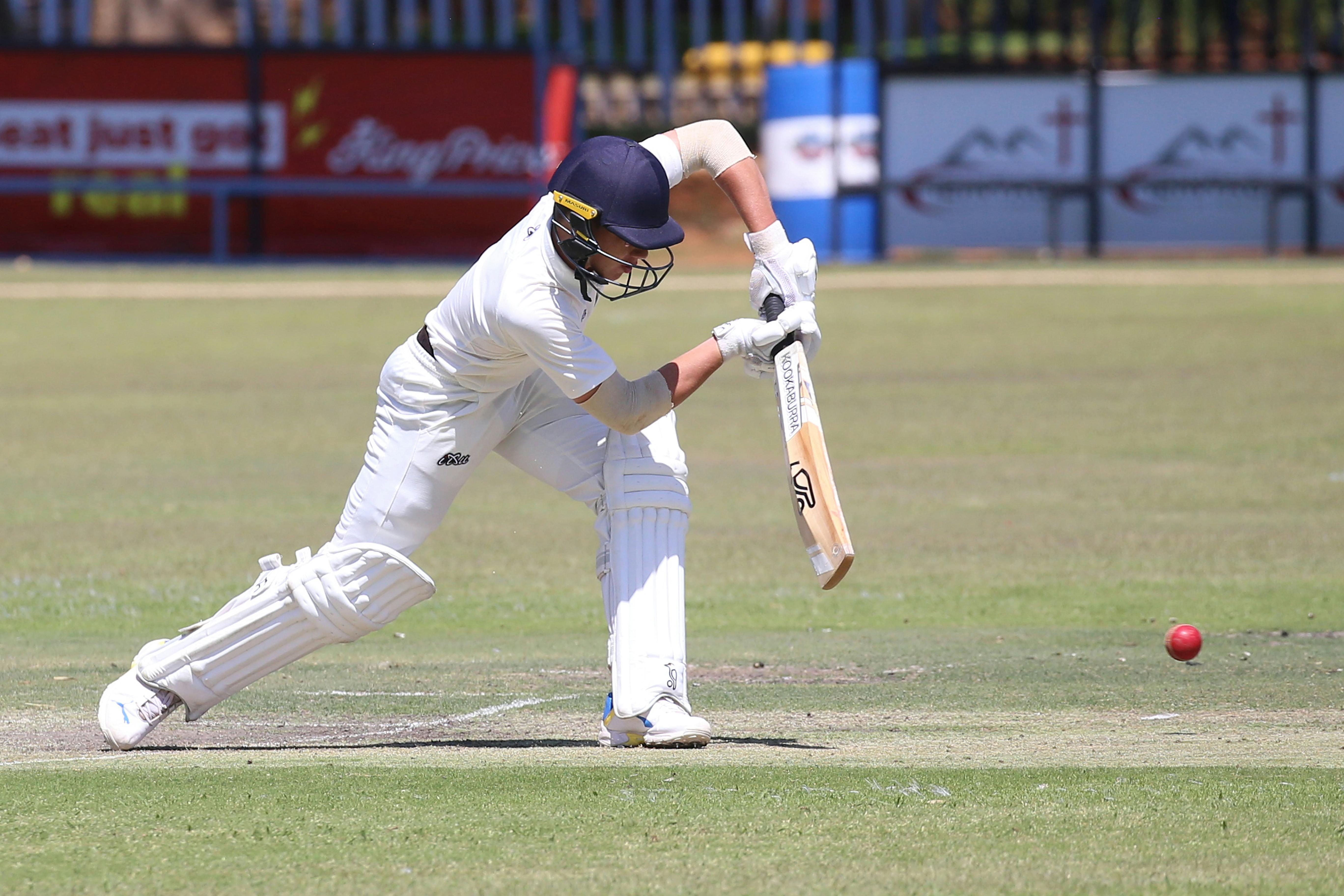
In 2025, cricket has evolved beyond raw skill and on-field practice. A cricketer’s performance now depends heavily on how well they train off the field—and that begins with equipment. Whether you’re a youth player, a semi-pro athlete, or training for a franchise league, the right cricket training gear is no longer optional.
A study published by the International Cricket Council (ICC) shows that players who used structured gear-based programs saw a 23 percent reduction in training injuries and a measurable improvement in sprint speed and reaction time. This article breaks down the essential gear categories and explains why each one matters in your journey to peak performance.
Why Cricket Training Gear Matters in 2025
The modern game demands speed, agility, and injury resilience. Cricket training gear today is engineered not only for skill development but also to support longevity and mental sharpness. As competitive calendars grow denser and formats more demanding, effective gear becomes part of a cricketer’s core investment.
Key benefits of using purpose-built training gear:
- Prevents soft tissue injuries during repetitive drills
- Enhances skill accuracy through sensor feedback
- Supports recovery via wearable tech integration
- Mimics match-day conditions for game-like readiness
- Facilitates scientific conditioning for different player roles
1. Batting Aids: Perfecting Timing and Shot Selection
Batting is a skill that combines muscle memory, spatial awareness, and precision under pressure. Training aids that replicate match intensity without excessive repetition are now standard.
Essential batting tools:
- Side-arm ball throwers: Helps coaches deliver faster, consistent deliveries
- Weighted bats: Builds bat-speed and muscle control
- Smart bats with motion sensors: Provides instant data on bat angle, speed, and contact point
- Batting tees: Ideal for isolating and practicing specific strokes
- Portable nets: Enables focused net sessions in limited space
Brands like StanceBeam and Kookaburra now offer sensor-equipped gear that syncs with mobile dashboards. Players can analyze wrist positioning and follow-through mechanics in real time.

2. Bowling Equipment: Building Speed, Accuracy, and Consistency
From seamers to spinners, bowlers need gear that enhances their biomechanics and enables recovery without excessive workload.
Core gear for bowlers:
- Bowling targets: Improve line and length consistency
- Resistance bands and arm speed trainers: Build shoulder stability and muscle memory
- Run-up markers: Standardize run-up distances to reduce knee strain
- Biomechanical sleeves: Track arm angles, release points, and stress points
- Radar guns: Monitor delivery speed with high precision
In 2025, most high-performance centers integrate motion tracking with wearable sensors to detect delivery deviations before they evolve into injury risks.
3. Wicketkeeping Tools: Reaction, Agility, and Footwork
Wicketkeepers need lightning-fast reactions and consistent catching technique. Specialized training gear supports agility and rhythm development.
Recommended equipment:
- Rebound nets: Simulate unexpected deflections
- Slip catching cradles: Build muscle memory in low and high-catching zones
- Lateral movement ladders: Develop explosive side-stepping reflexes
- Ankle resistance bands: Boost mobility and reaction control
- Headphones with reaction cues: Train anticipatory skills through audio triggers
Several cricket boards now use video-assisted drills to improve positioning and footwork under fatigue, using gear that records movement symmetry.

4. Fielding Gear: Mastering Precision and Mobility
Elite fielding can save over 15 runs per game, as per fielding efficiency data published by CricViz in 2024. Training gear helps athletes build dive technique, reflexes, and accurate throwing.
Fielding must-haves:
- Fielding mitts and reaction balls: Improve catching under awkward bounce
- Agility poles: Simulate field navigation and dive zones
- Catch-it rebounders: Train fast reflexes in the infield
- Target stumps and cones: Refine throwing accuracy and foot placement
- Elastic harnesses: Add resistance to lateral and vertical movement
International teams like Australia and India now integrate motion cameras and footwork mapping into fielding drills to measure reaction gaps.
5. Fitness and Conditioning Tools
A cricketer’s fitness must support the demands of formats ranging from T20 sprints to five-day endurance battles. Dedicated training gear helps condition muscle groups specific to roles.
Core tools:
- Medicine balls and slam balls: Build rotational core strength
- Speed sleds and resistance parachutes: Enhance acceleration
- TRX suspension trainers: Activate multi-muscle chains for functional fitness
- Battle ropes: Build grip strength and endurance
- Foam rollers and massage guns: Support muscle recovery post training
The National Cricket Academy (NCA) in India uses GPS-based workload monitors to assess fatigue levels across age groups and formats.
6. Wearable Technology: Monitoring the Invisible Metrics
Wearables are now standard in elite cricket environments. From heart rate to acceleration data, wearable trackers convert physiology into actionable training decisions.
Most-used wearables:
- GPS vests: Monitor sprint volume, speed bursts, and fatigue
- Heart rate sensors: Guide aerobic and anaerobic thresholds
- Sleep trackers: Correlate recovery with next-day performance
- Hydration monitors: Prevent cramping during long matches
- Smart compression sleeves: Offer real-time muscle temperature and movement tracking
Franchise leagues like the IPL and BBL have adopted these tools to reduce injury risks during congested match cycles.
7. Nutrition Tools and Hydration Aids
Training gear now extends to what fuels the athlete. Nutrition plays a direct role in energy output, stamina, and post-match recovery.
Useful tools for diet tracking and hydration:
- Smart water bottles: Track fluid intake and electrolyte balance
- Meal planning apps synced to workload
- Shaker bottles with supplement partitions
- Portable coolers: Keep hydration packs ready during sessions
- Body composition analyzers: Tailor nutrition plans to body type
Teams often assign nutritionists who use software to align calorie intake with daily load metrics captured by fitness trackers.
8. Cricket Simulation Equipment
Simulation gear helps cricketers face real-match challenges without actual matches. These tools replicate environmental pressure and decision-making complexity.
Advanced simulation tools:
- Virtual reality (VR) batting simulators
- AI-powered bowling machines with variation modes
- Scenario simulators that replicate match states
- Pitch condition settings to simulate different surfaces
- Pressure cue generators (crowd noise, countdowns, etc.)
VR headsets are used by domestic academies in the UK and Australia to train players on spin variation or death-over scenarios in controlled environments.
9. Recovery and Injury Prevention Gear
Injury prevention is integral to performance planning. Gear aimed at recovery reduces downtime and improves readiness for high-performance cycles.
Recommended recovery tools:
- Cold compression units and ice baths
- Infrared therapy belts
- Vibration rollers
- Kinesiology tape application tools
- EMG sensors for fatigue threshold tracking
According to the World Cricket Federation’s 2025 report, teams using integrated recovery gear saw 31 percent lower player downtime across formats.
10. Coaching Support Tools
Technology now empowers coaches to guide more effectively. Coaching gear enhances observation, feedback, and tactical correction.
Must-have tools for coaches:
- Video analysis platforms
- Motion capture systems
- Portable pitch cameras and drones
- Feedback tablets for real-time corrections
- AI-generated player dashboards and performance trends
With platforms like Dartfish and Hudl, coaches can compare bat path, footwork angles, or energy distribution in side-by-side clips, enabling precise corrections.
Buying Tips for Cricketers at Different Levels
Your investment in cricket training gear should align with your development stage. Not all players need high-end equipment initially.
Beginner Level:
- Basic nets, cones, fielding rebounder, agility ladder
- Budget smart bat sensors or wearable bands
- Resistance bands, skipping ropes
Intermediate Level:
- Smart gear like side-arm throwers, video capture
- Mobility kits, pitch simulation pads
- Core recovery tools like foam rollers and massage balls
Elite/Professional Level:
- Full wearable suite including GPS and heart rate monitors
- Smart bats and real-time feedback tools
- Custom-built recovery and hydration gear
Budgeting and Prioritization: Where to Begin
For most cricketers, the challenge is balancing cost with benefit. Start with the essentials that address your position, fitness level, and frequency of training. Gradually integrate advanced technology after mastering basics.
Suggested priorities:
- Injury prevention tools
- Skill-specific gear (batting or bowling)
- Conditioning aids
- Feedback and analytics platforms
- Simulation and wearable gear
Use cricket-specific stores or platforms like Gray-Nicolls, Decathlon, and Kookaburra for verified, role-appropriate gear.
Conclusion
Cricket in 2025 demands more than natural talent and practice—it demands preparation backed by data and equipment. Whether you are building your game from the grassroots or pushing into elite circuits, the right cricket training gear can be the catalyst for breakthrough progress. From smart bats and resistance tools to VR simulators and GPS vests, every piece plays a role in building a cricketer’s edge.
Start with what addresses your specific role and risk profile. Gradually expand as your skill and physical demands evolve. Consistency in training, paired with the right gear, separates average performers from match-winners.
Sources
https://www.icc-cricket.com
https://www.statista.com
https://data.gov.in
https://www.espncricinfo.com
https://www.hawkeyeinnovations.com
About The Author


