
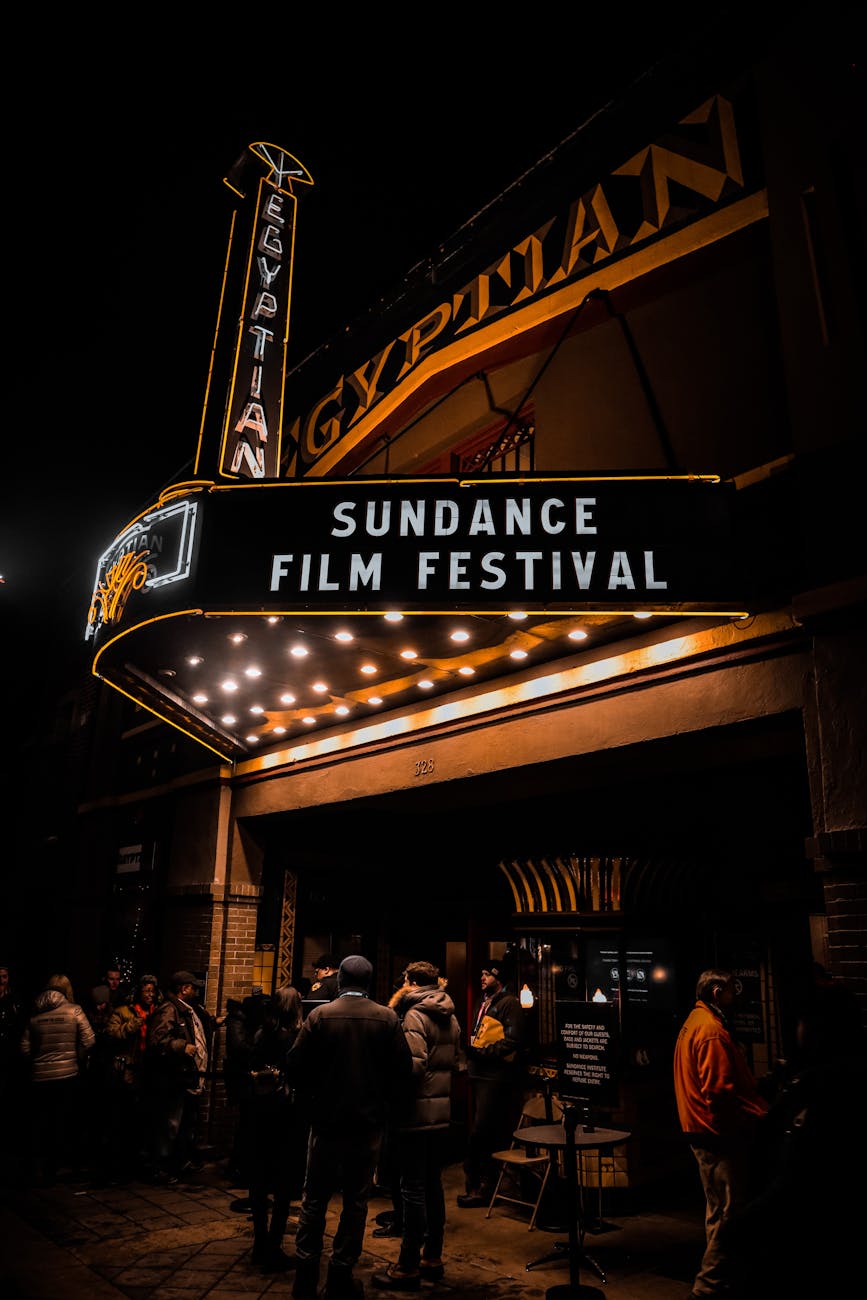
Where Independent Cinema Finds Its Voice
In today’s entertainment landscape, where multi-million-dollar blockbusters dominate screens and streaming algorithms dictate content, one might wonder—how do independent films, often raw, unconventional, and low-budget, ever manage to cut through the noise? The answer lies in an institution that has quietly yet powerfully championed bold storytelling for decades: film festivals.
From the glitz of Cannes to the indie spirit of Sundance, film festivals have shaped careers, launched cinematic movements, and given a global stage to stories that may otherwise never be told. The film festivals impact on independent cinema is not merely about awards or red carpets—it is about access, validation, and the preservation of cinema as an art form.
For independent filmmakers working outside the traditional studio system, festivals are often the first—and sometimes the only—opportunity to share their vision with the world. But their influence runs deeper, affecting how audiences discover new voices, how distributors scout talent, and how cinema itself evolves.
In this article, we explore the historical roots of film festivals, their influence on the indie film landscape, the challenges they face, and why their role remains vital in shaping the future of cinema.
A Brief History: How Festivals Became the Lifeline of Indie Film
To understand the film festivals impact, one must first trace their origins.
The world’s first major film festival, the Venice Film Festival, was founded in 1932 with the goal of celebrating international cinema and fostering cultural exchange. What began as a showcase for European and American films soon inspired a global festival culture, with the Cannes Film Festival emerging in 1946 as a response to the political tensions of the time, promoting artistic freedom and cinematic excellence.
But it wasn’t until the rise of independent cinema in the latter half of the 20th century that festivals truly became synonymous with discovering fresh talent. The Sundance Film Festival, originally launched in 1978 as the Utah/US Film Festival, revolutionized the space by focusing squarely on independent American filmmakers, giving birth to a platform that would elevate unknown directors to international acclaim.
Consider how Quentin Tarantino’s Pulp Fiction exploded onto the scene after its Palme d’Or win at Cannes in 1994, or how Kevin Smith’s Clerks, shot on a shoestring budget, found distribution after its Sundance debut. These milestones aren’t isolated; they represent how festivals have continually bridged the gap between indie filmmakers and global audiences.
The film festivals impact is rooted in their ability to level the playing field—where unknown voices can stand alongside industry veterans, where experimental narratives can challenge mainstream conventions, and where stories from underrepresented communities find global platforms.
Visibility, Validation, and Market Access
Film festivals offer more than glitz—they provide visibility, validation, and critical market access that can define a film’s trajectory.
Visibility That Matters
For many independent films, festival premieres are the first point of contact with industry insiders, critics, and audiences. High-profile festivals—Sundance, Berlin, Toronto—serve as global stages where indie films can capture attention that leads to distribution deals, critical reviews, and word-of-mouth buzz.
A single screening at an influential festival can snowball into international success. Festivals create media moments—photocalls, panels, and press coverage—that smaller films would struggle to generate on their own.
The Power of Validation
Being selected for a prestigious festival is a mark of credibility. Whether through competition slots, special showcases, or awards, festivals act as arbiters of taste, signaling to audiences and distributors that a film is worth their attention.
Winning awards—from the Palme d’Or to Sundance’s Grand Jury Prize—can elevate indie films beyond their humble beginnings, often leading to Oscar nominations, broader theatrical releases, or lucrative streaming deals.
Access to Global Markets
Beyond screenings, many festivals host bustling marketplaces—Cannes’ Marché du Film, the European Film Market in Berlin—where films secure financing, distribution, and international sales.
For independent filmmakers, festivals are more than celebrations—they’re opportunities to pitch, network, and navigate the complex ecosystem of global cinema.
Case Studies: When Festivals Change Everything

Film festivals have long acted as launchpads for independent cinema, turning overlooked gems into cultural landmarks. The journey from niche screening rooms to global stages often begins in the charged atmosphere of a festival premiere, where critical acclaim, media buzz, and industry attention can ignite overnight success. Consider how the following films exemplify the transformative power of festivals:
“Whiplash” (2014)
Damien Chazelle’s Whiplash began as a low-budget short film, initially conceived as proof of concept for a larger feature. Its premiere at the Sundance Film Festival in 2013 electrified audiences with its raw intensity and taut storytelling. The short won the Short Film Jury Award, drawing instant attention from investors and distributors. Encouraged by this momentum, Chazelle developed the project into a feature-length film, which returned to Sundance in 2014. The result? A standing ovation, a Grand Jury Prize, and a distribution deal that catapulted Whiplash to theaters worldwide. By awards season, the indie drama about obsession and ambition had earned five Oscar nominations, winning three—including Best Supporting Actor for J.K. Simmons. It’s a textbook example of how festivals convert passion projects into globally recognized achievements.
“Moonlight” (2016)
Barry Jenkins’ Moonlight epitomizes how festivals nurture sensitive, socially resonant storytelling. Premiering at the Telluride and Toronto International Film Festivals, Moonlight garnered immediate critical acclaim for its tender, uncompromising portrait of Black identity, masculinity, and sexuality. The film’s festival journey generated a groundswell of support, sparking distribution deals and award buzz. Importantly, Moonlight challenged Hollywood’s status quo—its quiet, lyrical exploration of marginalized experiences resonated across audiences, leading to historic success. At the 89th Academy Awards, Moonlight made history as the first film with an all-Black cast and LGBTQ+ themes to win Best Picture—a testament to the catalytic influence of the festival circuit.
“Parasite” (2019)
Few films demonstrate the globalizing impact of festivals like Bong Joon-ho’s Parasite. Premiering at the Cannes Film Festival, the film stunned audiences with its razor-sharp social commentary and genre-blurring narrative. Winning the Palme d’Or—the first-ever for a South Korean film—Parasite instantly became an international phenomenon. But its festival success was only the beginning. Powered by critical raves from Cannes to Toronto, Parasite defied conventional barriers around foreign-language films, achieving unprecedented commercial and cultural success worldwide. It swept the global awards season, culminating in four historic Oscar wins, including Best Picture—the first non-English-language film ever to claim the honor. Parasite proved that socially critical, subtitled cinema could transcend borders, reshaping audience expectations and industry prejudices alike.
Festivals as Catalysts for Cultural Phenomena
These case studies illustrate a vital truth: festivals do far more than showcase films—they create seismic shifts in filmmakers’ careers and the broader cultural landscape. Whether amplifying new voices, spotlighting underrepresented narratives, or elevating bold artistic risks, festivals transform modest, independent projects into globally significant works of art.
Behind every overnight success is often years of quiet struggle, financial risk, and creative uncertainty. Festivals distill those efforts into pivotal moments—turning intimate premieres into headline-grabbing breakthroughs, forging distribution deals, and setting the stage for lasting impact.
For indie filmmakers, festivals aren’t simply optional milestones—they’re gateways to visibility, credibility, and cultural change.
Social and Political Platforms
Modern film festivals are not merely entertainment showcases—they’ve evolved into vital platforms for social commentary and political discourse. Around the world, festivals amplify urgent conversations by giving screen space to stories that mainstream studios often sideline.
Raising Awareness Through Cinema
From climate change documentaries at Sheffield DocFest to refugee narratives at Venice, festivals elevate films that challenge the status quo. These screenings often catalyze broader awareness campaigns, policy discussions, and grassroots activism.
Spotlighting Human Rights
Events like the Human Rights Watch Film Festival explicitly curate films exposing systemic injustice—from gender-based violence to racial discrimination and authoritarian repression. By merging art with advocacy, these festivals transform passive viewers into informed global citizens.
Courage Under Censorship
For filmmakers operating under restrictive regimes, festivals can be lifelines. Films like Jafar Panahi’s clandestinely made Taxi (2015), which premiered at Berlinale and won the Golden Bear, exemplify how festivals offer protection, legitimacy, and international attention to voices silenced at home.
Festivals as Launchpads for Global Collaboration
The film festivals impact isn’t confined to artistic recognition—it fosters cross-border collaboration and co-productions that shape the future of cinema.
Forging Global Networks
Industry programs like Rotterdam’s CineMart, Berlinale Co-Production Market, or Sundance’s Creative Producing Labs connect emerging filmmakers with producers, distributors, and financiers. These networking hubs have birthed countless international co-productions, enriching global storytelling diversity.
Funding Bold Visions
Festivals often provide development grants and completion funds, empowering filmmakers to realize ambitious, unconventional projects. Initiatives like the Cannes Cinéfondation and Doc Society fund enable socially conscious and artistically daring films to see the light of day.
Reshaping Audience Expectations
Festivals influence more than industry dynamics—they transform how audiences consume and interpret cinema.
Nurturing a Global Viewership
By championing foreign-language films, indigenous storytelling, and non-traditional narratives, festivals cultivate more adventurous, culturally literate audiences. The success of films like Parasite or Drive My Car proves viewers are eager for bold, globally resonant cinema.
Challenging Narrative Norms
Experimental works debuting at festivals often disrupt conventional storytelling—from non-linear narratives to hybrid documentary-fiction formats—pushing viewers to engage with film in new, complex ways.
Challenges and Criticisms
While the film festivals impact is profound, the ecosystem isn’t without flaws.
Accessibility Gaps
High submission fees, travel costs, and visa barriers can exclude filmmakers from underprivileged regions, limiting truly global participation.
Commercial Pressures
Major festivals increasingly attract celebrity-driven premieres, raising concerns that market-friendly films overshadow risk-taking indies.
Insider Gatekeeping
Some critique festivals for favoring filmmakers with existing industry connections, making entry difficult for newcomers without networks.
To address these issues, many festivals now offer virtual screenings, regional partnerships, and fee waivers to democratize access.
The Digital Shift and Future Directions
The pandemic accelerated innovation within festivals, birthing hybrid models that combine in-person events with online screenings.
Virtual Festivals
Cannes, Sundance, and TIFF adopted digital platforms, expanding accessibility and audience reach—a trend likely to continue.
Regional Rise
Festivals in Asia, Africa, and Latin America—including Busan, Durban, and São Paulo—are gaining prominence, diversifying global cinema.
Tech Integration
AI-driven curation, blockchain ticketing, and immersive formats will reshape future festivals, blending tradition with technological advancement.
Festivals as Cultural Gateways
In an era where content is abundant but visibility is scarce, the film festivals impact remains invaluable. They champion independent voices, nurture diversity, and provide platforms where unconventional stories can thrive.
For filmmakers, festivals are not merely milestones—they’re lifelines. For audiences, they offer access to bold, authentic cinema that challenges, entertains, and inspires.
As the industry evolves, one truth endures: as long as festivals exist, so too will the space for independent cinema to shape culture, provoke dialogue, and redefine the art of storytelling.
About The Author


