
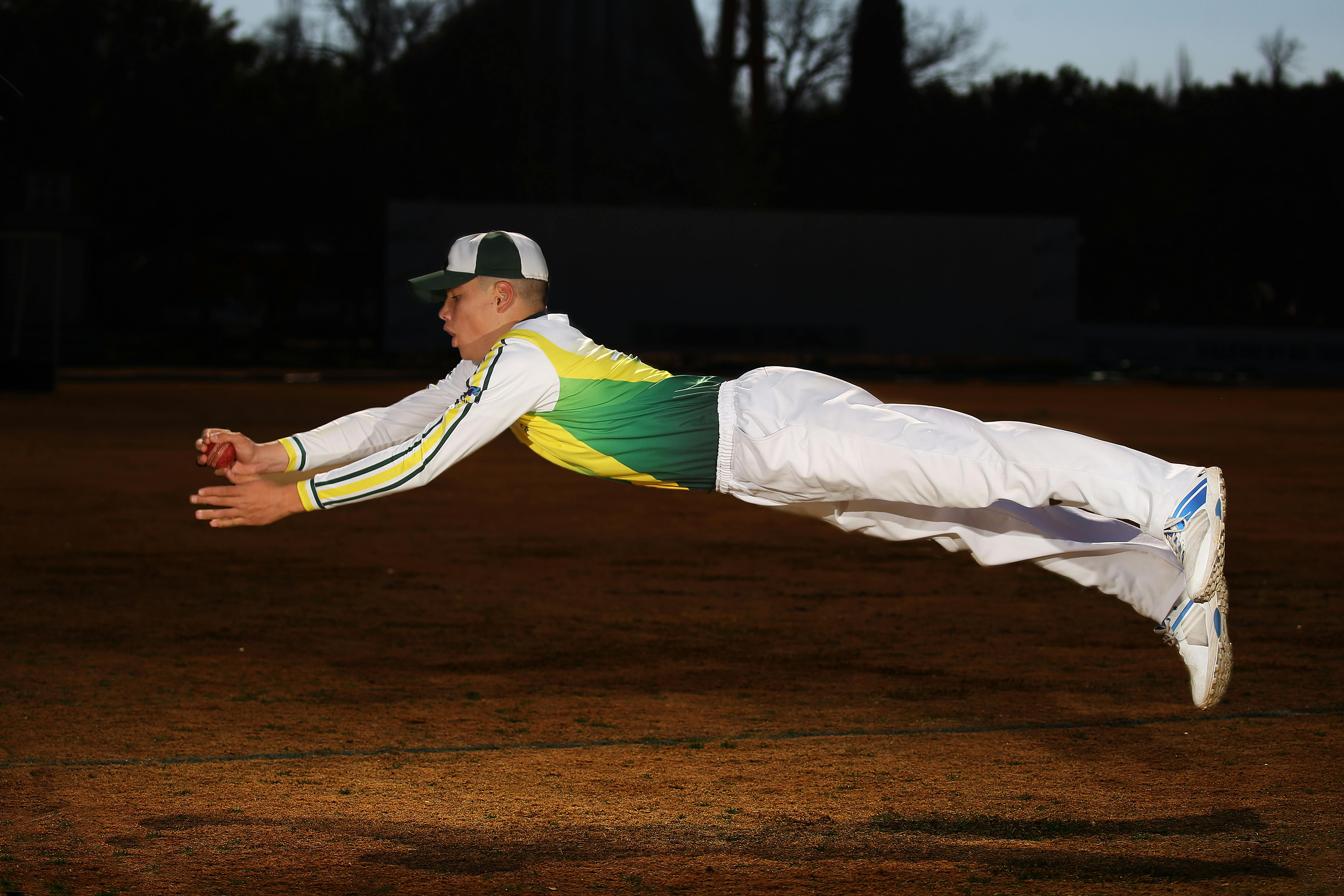
Cricket places complex physical demands on its players. Batsmen pivot, sprint, and dive, while bowlers generate high forces through repeated run‑ups and deliveries. Fielders make explosive stops and throws, often on unforgiving surfaces. These actions expose muscles, tendons, and joints to substantial stress, leading to a wide range of injuries. Fast bowlers battle lumbar stress fractures, spin bowlers struggle with shoulder and finger strain, and batsmen absorb impact on hands, knees, and backs. Successful cricket injury recovery requires a comprehensive plan that combines medical evaluation, progressive rehabilitation, sport‑specific conditioning, and mental resilience training. This guide presents evidence‑based strategies that coaches, physiotherapists, and athletes can implement to shorten downtime, restore performance, and reduce re‑injury risk.
Understanding Common Cricket Injuries
A clear diagnosis sets the foundation for targeted rehabilitation. Frequent conditions include:
- Lumbar stress fractures in young fast bowlers due to repetitive trunk extension and rotation
- Shoulder tendinopathy in bowlers and fielders from high‑speed arm action
- Hamstring strains during sprinting between wickets or chasing the ball
- Knee meniscus and ACL issues arising from sharp pivots on dry pitches
- Hand and finger fractures caused by rapid short‑pitched deliveries or mis‑timed catches
- Side strains (oblique injuries) during bowling when trunk and shoulder torque peak
Each injury demands a sport‑specific protocol to address biomechanical, muscular, and neural deficits.
Phase‑Based Rehabilitation Framework
Effective cricket injury recovery follows three overlapping phases:
- Acute care and protection
- Progressive loading and movement restoration
- Return‑to‑play conditioning and reintegration
Skipping steps or rushing timelines invites setbacks and chronic pain.
Acute Care and Protection
Goals during this stage:
- Reduce inflammation through ice, compression, and elevation
- Protect the injured area with bracing or taping
- Maintain cardiovascular fitness via low‑impact options such as cycling or pool running
- Begin gentle mobility for uninvolved joints to prevent stiffness
A sports physician may prescribe anti‑inflammatory medication or imaging to rule out structural damage.
Progressive Loading and Movement Restoration
Once pain subsides and swelling decreases, gradual loading begins:
- Isometric exercises at pain‑free angles to re‑activate muscles
- Range‑of‑motion drills to restore joint mobility
- Eccentric strengthening for hamstrings, rotator cuff, or calf complexes
- Core stability work emphasizing transverse abdominis and multifidus activation
Progress is measured through pain scores, endurance benchmarks, and functional movement screens.

Return‑to‑Play Conditioning and Reintegration
Sport‑specific tasks are introduced in controlled environments:
- Bowlers rebuild run‑up speed incrementally, adding overs and variations
- Batsmen practice impact absorption on soft balls, then progress to full‑pace throwdowns
- Fielders perform agility patterns before re‑entering live catching drills
A battery of performance tests confirms readiness for competitive action.
Strength and Conditioning for Injury Prevention
Integrating preventive work into training minimizes recurrence:
- Lumbar stability circuits: bird dogs, dead bugs, and anti‑rotation holds
- Hip and glute strengthening: resisted lateral walks, single‑leg deadlifts, hip thrusts
- Shoulder pre‑hab: external rotations, scapular push‑ups, and serratus punches
- Nordic hamstring curls: proven to reduce posterior chain strains
- Ankle proprioception drills: balance boards, single‑leg hops, and figure‑8 runs
Sessions fit into warm‑ups or stand‑alone blocks two to three times per week.
Biomechanics Review for Bowling‑Related Injuries
Fast bowlers produce forces exceeding six times body weight at front‑foot contact. Key risk factors:
- Excessive lumbar extension and lateral flexion during delivery
- Delayed hip‑shoulder separation leading to increased spinal load
- Overstride lengths causing late braking forces on the front leg
- Counter‑rotation during follow‑through reducing trunk stability
Video analysis and force‑plate testing identify mechanical faults. Technique adjustments—such as shorter run‑ups, improved hip‑hinge angles, or modified arm paths—mitigate spinal stress without sacrificing pace.
Load Monitoring and Workload Management
Research links abnormal spikes in workload to injury spikes. Teams track:
- Total overs per week for bowlers
- Sprint distance and acceleration counts for fielders
- Session Rating of Perceived Exertion (sRPE) multiplied by minutes to quantify internal load
- Acute‑to‑chronic workload ratios to gauge readiness
When spikes exceed safe thresholds, coaches trim session volumes or switch to skill‑specific drills.
Recovery Modalities to Shorten Downtime
Several evidence‑supported tools enhance tissue repair:
- Active recovery: low‑intensity cycling or swimming clears metabolic waste
- Foam rolling and myofascial release relieve muscle tightness and improve circulation
- Contrast water therapy alternates cold and warm immersion to reduce soreness
- Sleep hygiene: maintaining eight hours of quality rest accelerates hormonal recovery
Monitoring heart‑rate variability helps gauge readiness for progressive loading.
Nutrition for Optimal Healing
Injured athletes often reduce activity, risking muscle loss and weight gain. Nutrition strategies include:
- High‑quality protein intake (1.6‑2.2 g/kg body weight) to support muscle synthesis
- Vitamin C and collagen supplements before rehab sessions to boost tendon repair
- Omega‑3 fatty acids for anti‑inflammatory benefits
- Micronutrients such as vitamin D, calcium, zinc, and magnesium to support bone and immune health
- Caloric balance adjusted to prevent unwanted fat gain while fueling recovery
Hydration remains vital for tissue elasticity and nutrient transport.
Psychological Recovery and Mental Health
Injury sidelines players from competition, team camaraderie, and routine. Mental conditioning addresses:
- Goal setting: daily milestones maintain motivation
- Imagery and visualization: mentally rehearsing skills preserves neural pathways
- Mindfulness meditation: reduces stress and improves pain modulation
- Peer support: staying engaged with team meetings keeps players connected
- Professional counseling: assists with anxiety about re‑injury or selection pressure
A holistic approach accelerates both mental and physical readiness.
Case Study: Stress Fracture Recovery in a Teenage Fast Bowler
A 17‑year‑old fast bowler develops a lumbar stress fracture during a tournament. Rehabilitation plan:
- Weeks 0–4: Complete rest from bowling, pool running for aerobic fitness, lumbar brace for support
- Weeks 5–8: Core isometrics, body‑weight lower‑limb strength, graded trunk rotation, walking laps
- Weeks 9–12: Light medicine‑ball throws, partial run‑ups at 50 % intensity, hip mobility focus
- Weeks 13–16: Full run‑up, progressive overs load, simulated match in nets under coach supervision
- Weeks 17–20: Return to domestic fixtures, monitored overs limit, weekly physio checks
Outcome: Player returns with improved mechanics and maintains pain‑free status for the next season.
Technology Assists in Cricket Injury Recovery
Teams adopt digital solutions:
- GPS trackers measuring fatigue through acceleration patterns
- Force plates assessing landing forces during rehab jumps
- Mobile apps logging pain, sleep, and session feedback
- Biomechanical sensors in shoes or straps recording joint angles in real time
Data guides individualized progression, reducing guesswork.
Collaboration Among Support Staff
Successful programs require seamless coordination:
- Sports physicians: lead diagnosis, imaging, and medical clearance
- Physiotherapists: administer manual therapy, design rehab exercises
- Strength and conditioning coaches: integrate load progression and return‑to‑play testing
- Analysts: review biomechanical footage for technical flaws
- Psychologists: manage mindset and motivation
Weekly meetings align milestones and prevent contradictory messages to the athlete.
Return‑to‑Play Testing Protocols
Before clearance, players complete position‑specific assessments:
- Bowlers: Yo‑Yo test for aerobic capacity, front‑foot landing forces within safe margins, overs simulation at match intensity
- Batsmen: repeated sprint ability, reaction drills facing bowling machine at full speed, upper‑limb strength tests
- Fielders: 10‑m and 40‑m sprints, agility T‑test, overhead throw velocity tracking
Passing criteria ensure functional capacity mirrors or exceeds pre‑injury levels.
Preventive Screening and Early Intervention
Institutions conduct pre‑season screenings:
- Movement quality via Functional Movement Screen (FMS)
- Isokinetic strength testing for shoulder and lower‑limb ratios
- Bone density scans in adolescent fast bowlers
- Grip strength and reaction time benchmarks for wicketkeepers
Findings guide individualized preventive programs, addressing vulnerabilities before they escalate into time‑loss injuries.
Long‑Term Athlete Development
Cricket success relies on multi‑year progression. Development programs:
- Limit bowling workloads in juniors to protect growing spines
- Teach injury prevention exercises alongside batting and bowling drills
- Offer nutrition and sleep education sessions
- Incorporate mental conditioning modules from early stages
Such habits reduce future injury risk and sustain performance impact across careers.
Importance of Environmental and Surface Management
Pitch conditions influence injury patterns:
- Hard, uneven outfields increase ankle rolls and knee stress
- Overly dry nets contribute to shin splints and stress fractures
- Indoor training on synthetic turf demands different footwear to avoid calf strains
Ground staff cooperation ensures surfaces remain safe, and players adjust footwear and load when conditions change.
Financial and Career Implications of Effective Recovery
Quick yet safe return from injury preserves player contracts, franchise draft value, and endorsement opportunities. Teams with efficient medical care enjoy deeper squads, improved league standings, and lower wage bills due to fewer replacement signings. Investing in comprehensive recovery frameworks offers significant long‑term savings and elevated on‑field results.
Conclusion
Cricket injury recovery involves far more than resting and returning when pain subsides. A structured, phase‑based plan—covering medical care, biomechanical correction, progressive loading, mental support, and workload monitoring—enables athletes to regain form quickly and safely. When teams embrace a holistic strategy, fast bowlers regain pace without relapse, fielders sprint confidently, and batsmen reclaim timing at the crease. Effective recovery protects careers, strengthens squads, and elevates cricket’s overall standard by keeping its best talent healthy and ready for the game’s toughest challenges.
Sources
https://www.icc-cricket.com
https://www.ncbi.nlm.nih.gov
https://www.espncricinfo.com
https://data.gov.in
About The Author


