
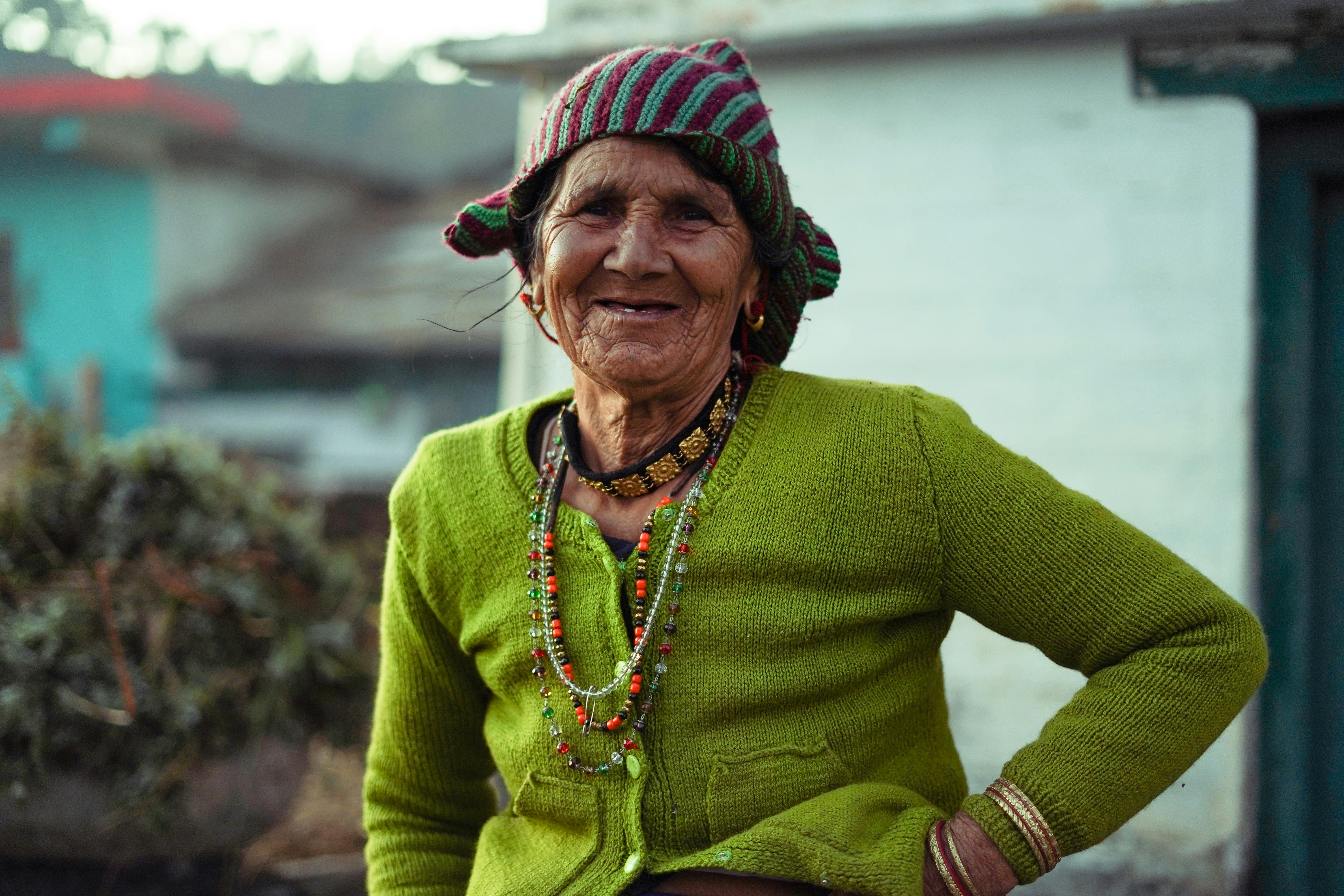
For centuries, elders have held a central and revered place in human societies. They have been the keepers of tradition, the mediators of conflict, and the bearers of communal memory. Across cultures and continents, the wisdom of older generations was not merely respected—it was essential to the survival and continuity of the group.
But in the 21st century, that role is evolving.
Modern communities, shaped by rapid technological change, urbanization, and shifting family structures, are rethinking the place and value of older generations. While some traditions persist, the status of elders is increasingly complex—caught between reverence and marginalization, legacy and reinvention. This article explores how the role of elders has changed, why it matters, and what it reveals about society’s values today.
Tradition: The Historical Centrality of Elders
In traditional societies, elders were repositories of wisdom. Before the printing press, digital storage, or modern education systems, knowledge was transmitted orally—from one generation to the next. Elders knew the rituals, the farming techniques, the healing herbs, the clan histories. Their authority came not from wealth or force but from time and memory.
In many cultures:
- African elders are seen as custodians of culture, often leading community councils and spiritual ceremonies.
- Indigenous elders in North America and Australia are respected as storytellers, land stewards, and cultural guides.
- Asian traditions, especially in Confucian-influenced societies like China, Japan, and Korea, place strong emphasis on filial piety—respect and care for parents and grandparents.
- In rural India, elders often play a key role in dispute resolution, family decisions, and religious observances.
In these settings, aging was not a decline—it was a rise in spiritual and social authority.

Modernity and the Erosion of Elder Authority
The industrial and post-industrial eras brought unprecedented shifts. With the rise of formal education, global media, and digital technology, the monopoly on knowledge that elders once held has weakened. Younger generations now access vast information sources—often without intergenerational mediation.
Key factors driving this erosion:
- Urban migration: Families no longer live in extended household units. Elders are often left in rural homes or retirement facilities while younger members move to cities for work.
- Nuclear family dominance: With the rise of the nuclear family model, multigenerational households are declining, reducing day-to-day interaction between children and grandparents.
- Technological acceleration: The digital divide has placed many elders on the margins of communication and innovation, reinforcing generational gaps.
- Western cultural influence: Individualism and youth-centric media promote autonomy over interdependence, subtly devaluing elder participation.
The result is a growing sense of isolation among elders, especially in societies where rapid change has outpaced cultural adaptation.
Shifting Family Roles and Expectations
In modern communities, the traditional role of the elder as the head of the household has diminished. Economic independence, education, and shifting gender norms have redistributed authority within families.
New dynamics:
- Adult children may now make financial and healthcare decisions for aging parents—reversing traditional hierarchies.
- Elders in care homes often feel a loss of agency, despite being surrounded by professional support.
- In some cases, elders are economically dependent on younger generations, especially in regions with inadequate pensions or social welfare systems.
This shift does not necessarily imply disrespect, but it changes the terms of the relationship—from mentorship and guidance to management and support.

Intergenerational Disconnect in a Digital Age
The digital revolution has widened generational gaps in communication, worldview, and daily experience.
- Elders who did not grow up with the internet often find social media, virtual payments, or smartphone interfaces alienating.
- Meanwhile, younger generations may struggle to connect with elders who operate outside the digital sphere, leading to misunderstandings or impatience.
Consequences of this divide:
- Loss of oral storytelling traditions, which require time and face-to-face interaction.
- Reduced empathy between age groups, as each side feels misunderstood.
- Cultural fragmentation, as ancestral knowledge is not effectively passed down or valued.
While some families successfully bridge this gap through mutual learning, others drift apart—culturally and emotionally.
The Loneliness of Aging
Modern lifestyles, especially in urban centers, often leave elders socially isolated. Retirement, physical limitations, and the death of peers can lead to reduced mobility and fewer social interactions.
- In countries like Japan and the United Kingdom, loneliness among the elderly has become a public health concern.
- Many elders live alone, sometimes going days without meaningful contact.
- Technological solutions like virtual companionship apps and telehealth offer some support, but cannot replace human connection.
Loneliness does more than affect mood—it impacts health, cognition, and mortality. The erosion of communal roles for elders has tangible, life-altering consequences.
Despite the fragmentation of traditional structures and shifting societal values, elders around the world are not fading into irrelevance—they are adapting. Across communities, older generations are finding new ways to contribute: as mentors, storytellers, activists, and digital learners. These evolving roles are not just beneficial for elders themselves; they are vital for societies striving to remain humane, connected, and grounded.
Elders as Intergenerational Mentors
While the traditional extended family has weakened in many regions, the desire for intergenerational connection persists. Many elders are taking on roles as mentors—not just to their own descendants, but to younger people in broader community and educational settings.
Examples:
- In the United States, programs like Encore.org encourage older adults to apply their life skills in social impact work, often through mentorship or nonprofit leadership.
- In India, NGOs like Dignity Foundation connect seniors with young people in mentorship and storytelling programs to foster empathy and cultural exchange.
- In New Zealand, Māori elders or kaumātua are embedded in schools and government institutions, offering cultural guidance and reinforcing ancestral values.
These intergenerational bridges are mutually beneficial. Young people gain wisdom and perspective, while elders find renewed purpose and social engagement.
Digital Inclusion and the Rise of Tech-Savvy Seniors
One of the most significant transformations in recent years is the increasing digital literacy of elders. While the digital divide still exists, many seniors are using technology not only to communicate but to create, educate, and advocate.
Key developments:
- Senior YouTubers and bloggers share cooking tips, life stories, and cultural commentary with global audiences.
- Social media campaigns like #EldersOfInstagram highlight the voices, humor, and insight of older creators.
- Online platforms such as Cyber-Seniors provide digital training to elders, often led by teenage volunteers, fostering intergenerational relationships and online fluency.
These digital efforts not only combat loneliness but also empower elders to participate in civic life and cultural production on their own terms.
Activism in Later Life
Elders are also emerging as bold voices in movements for social justice, climate action, and democratic rights. Their life experience and long-term perspective offer a depth often missing from faster, trend-driven activism.
Notable movements:
- Grandmothers Against the War and Raging Grannies are activist groups of older women who protest war, environmental destruction, and inequality—often using humor and music.
- In the Fridays for Future movement, youth climate strikers have been supported by older generations, including scientists, grandparents, and retired professionals advocating for policy change.
- In countries like South Africa, India, and Argentina, elders have been central to transitional justice movements—demanding truth, accountability, and reconciliation.
Their age often grants moral authority and media attention, reminding the public that wisdom and courage do not fade with age.
Cultural Preservation and the Role of Elders
In many Indigenous and rural communities, elders remain irreplaceable as custodians of language, ritual, land knowledge, and oral history. As globalization threatens cultural erosion, the role of elders becomes even more critical.
Cultural preservation efforts:
- In Canada, First Nations elders work with linguists and schools to revitalize endangered languages through immersion programs and recorded storytelling.
- In Hawaii, kupuna (elders) are integral to the transmission of hula, chanting (oli), and traditional ecological knowledge.
- In Kenya, elders play ceremonial and legal roles in community decisions, especially in land disputes and marriage negotiations.
These roles are not nostalgic—they are necessary. In times of environmental crisis and cultural loss, the ancestral wisdom of elders can offer sustainable, time-tested alternatives.
Innovative Aging Models and Community Integration
Around the world, new models of elder integration are challenging the isolation often associated with aging.
Community-based innovations:
- Co-housing projects where seniors live in shared spaces with younger people, exchanging wisdom for companionship and support.
- Intergenerational care centers in places like Japan and the Netherlands, which combine daycare for children with elder care—encouraging natural, joyful relationships.
- Senior-led community gardens, cultural workshops, and oral history projects give elders a direct role in shaping local culture.
These models affirm that aging does not mean withdrawal—it means transformation.
Redefining Success and Visibility
Mainstream media still struggles with ageism, often portraying elders as frail, passive, or irrelevant. But this narrative is being challenged by older individuals who are redefining what aging can look like.
- Elders are entering university for the first time, launching businesses, running marathons, or taking up artistic careers late in life.
- Popular culture increasingly features elder protagonists in film and literature—not as caricatures, but as fully developed individuals with agency and nuance.
This cultural shift helps society move beyond the binary of “productive youth” vs. “dependent old age,” creating space for a more dynamic and inclusive understanding of the human lifespan.
In every society, how elders are treated reflects core values. Are they seen as burdens or as contributors? Are they isolated or integrated? As the world ages—demographically, socially, and spiritually—rethinking the role of elders is not just a cultural or moral imperative; it is a necessity. From innovative aging models to intergenerational collaborations, communities across the globe are pioneering new ways to honor, include, and uplift their older generations.

Rethinking Elderhood: From Dependency to Contribution
One of the most dangerous myths about aging is the assumption that elders are no longer capable of meaningful contribution. Yet, across cultures, older adults continue to create, lead, teach, and transform their communities well into their 70s, 80s, and beyond.
Rather than defining elderhood by decline, more frameworks are emerging that celebrate it as a time of transformation—what some call the “third act” or “second adulthood.” Elders are not simply former workers or parents—they are potential philosophers, civic guides, and artists.
Intergenerational Solidarity as a Social Strategy
Modern societies are increasingly recognizing that sustainable progress depends on cooperation between age groups, not competition. Bridging generational divides benefits not only elders and youth, but the cohesion of communities as a whole.
Benefits of intergenerational solidarity:
- Knowledge continuity: Elders preserve skills and narratives that younger generations may not even know they’re losing.
- Empathy cultivation: Regular contact between age groups reduces stereotypes and ageism.
- Civic strength: Blended-age activism (e.g., climate, democracy, education) brings balance between urgency and wisdom.
Programs like Generations United advocate for this through initiatives like shared reading spaces, co-housing, and school partnerships.
Cultural Models That Elevate Elders
Some societies have retained or revitalized cultural practices that place elders at the heart of community leadership.
Notable examples:
- In Sardinia, Italy, a Blue Zone renowned for longevity, elders are deeply integrated into family and public life. Elders regularly participate in communal cooking, farming decisions, and local governance. Their active role is linked to longer life expectancy and lower depression rates.
- In South Korea, respect for elders is formalized through ceremonies, titles, and living arrangements. The national holiday Chuseok is a time when families travel to honor their ancestors and elders.
- In Zuni and Hopi communities in the American Southwest, elders continue to lead rituals, agriculture, and oral storytelling. Their authority is not symbolic—it is functional.
These cultures remind us that elder respect is not folklore—it is policy, practice, and everyday design.
Designing Elder-Friendly Urban Futures
As the global population ages, cities and communities are being challenged to adapt. Urban design, transportation, housing, and healthcare all influence whether elders feel included or discarded.
Promising developments:
- Age-friendly cities, a concept promoted by the World Health Organization, support infrastructure that makes daily life easier for seniors—like benches, elevators, low-floor buses, and well-lit sidewalks.
- In Singapore, public housing includes integrated eldercare services, multigenerational playgrounds, and accessible gardens.
- Universal design principles—like step-free access, large signage, and tactile flooring—benefit elders and many others, including people with disabilities and parents with strollers.
Designing with elders in mind does not mean designing for the past. It means creating systems that recognize the full arc of human life.
The Risks of Neglect and the Costs of Ageism
Ignoring the needs, wisdom, and dignity of elders has both social and economic costs. Ageism, whether overt or subtle, results in missed opportunities, social fragmentation, and systemic inequity.
- In healthcare, age bias can lead to underdiagnosis or undertreatment of conditions in older adults.
- In employment, many capable elders face forced retirement or hiring discrimination despite continued capacity to contribute.
- In media and politics, older people are often excluded from narrative and decision-making unless they are extraordinarily wealthy or famous.
Combatting ageism requires cultural change and legal protections. The United Nations Decade of Healthy Ageing (2021–2030) is working globally to address these very challenges.
From Legacy to Leadership
Legacy is often associated with the past, but for many elders, legacy is an active process. By participating in civic life, teaching traditional arts, or launching community initiatives, elders shape not only what is remembered but how the future is imagined.
- Elders involved in oral history projects help reclaim community memory and ensure it is preserved in written, digital, or performative form.
- Grandparents acting as primary caregivers—a reality for millions worldwide—play a direct role in shaping the next generation’s emotional, educational, and moral development.
- Elder-led wisdom circles or community councils offer reflective spaces that younger generations often seek out when faced with uncertainty or moral complexity.
When empowered, elders move from being perceived as passive recipients to becoming ethical leaders and culture-bearers.
Conclusion: Toward a Society of All Ages
The changing role of elders in modern communities is not a question of whether they belong—it is a question of whether we are wise enough to realize how much they matter.
Elders are not relics of the past—they are partners in the present and guardians of the future. When we integrate their knowledge, amplify their voices, and design inclusive communities, we don’t just enrich their lives—we strengthen our own.
To honor elders is not simply to care for them. It is to listen, to include, and to learn.
In a time of global uncertainty, this might be the most radical and necessary form of progress we can pursue.
Verified Resources and Links
- The Center for Conscious Eldering: https://www.consciouseldering.org/
- Generations United: https://www.gu.org/
- WHO – Age-Friendly World: https://www.who.int/initiatives/age-friendly-world
- UN Decade of Healthy Ageing: https://www.decadeofhealthyageing.org/
About The Author


