
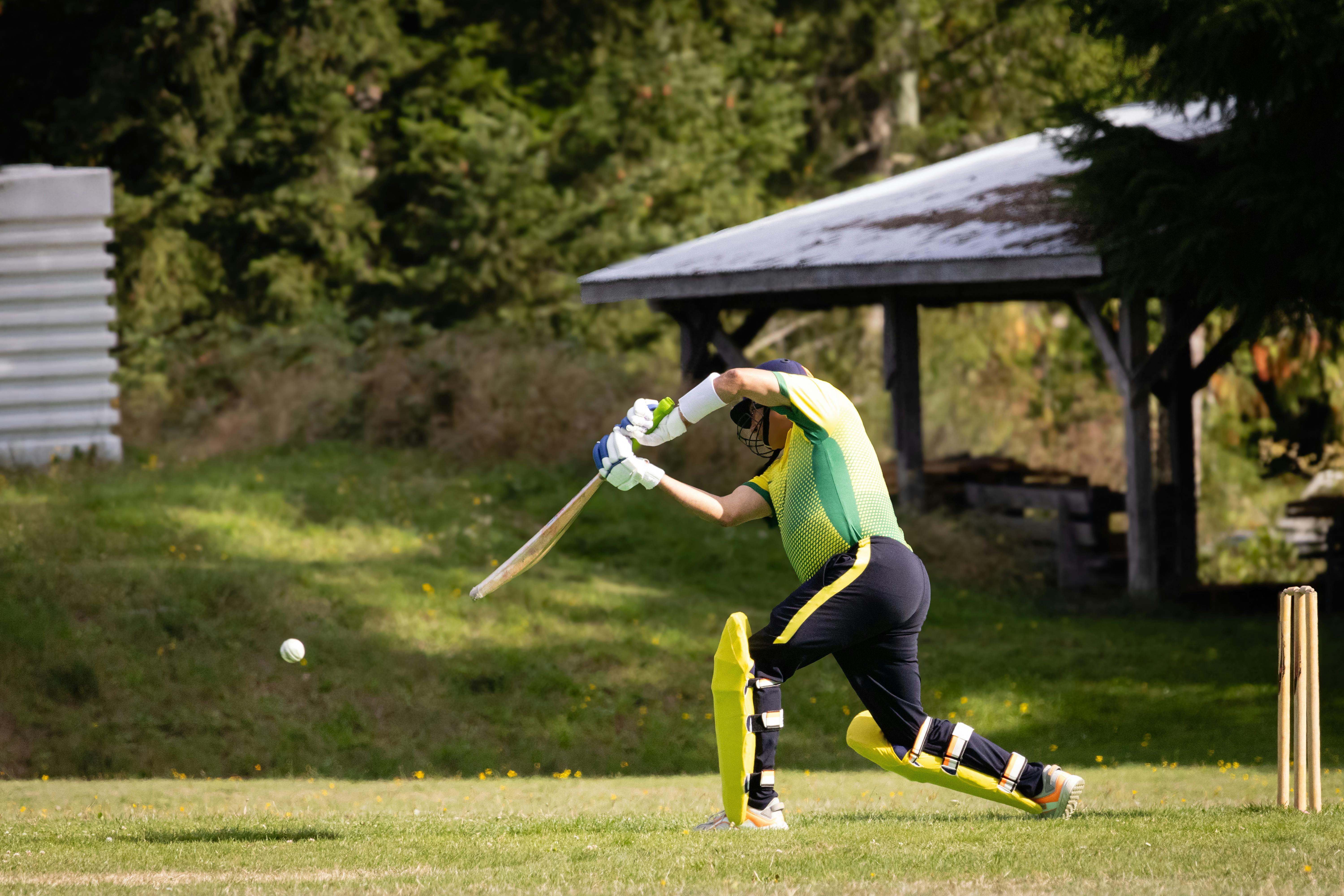
Cricket’s margin for error is razor thin. A batter misjudging line by a centimeter or a bowler releasing a fraction too late can decide entire series. As high‑performance programs embrace sports science, cricket biomechanics has emerged as a powerful tool for refining technique, enhancing power, and reducing injury risk. Through motion‑capture technology, force‑plate analysis, and wearable sensors, coaches now evaluate every micro‑movement, from back‑foot push‑off to follow‑through efficiency. This article explains how biomechanical insights unlock next‑level batting and bowling and guides players, coaches, and analysts seeking a structured pathway to measurable improvement.
1. What Is Cricket Biomechanics?
Biomechanics studies the mechanical laws of living organisms, focusing on how muscles, bones, tendons, and joints interact to produce movement. In cricket, researchers map kinematic (motion) and kinetic (force) variables to understand:
- Bat swing velocity, arc, and timing
- Bowling arm path, trunk rotation, and ground‑reaction force
- Joint loading at the shoulder, elbow, spine, and knee
- Footwork patterns influencing balance and power transfer
These data points guide technical refinements that traditional coaching cues might overlook.

2. Measurement Tools and Technologies
Cricket biomechanics relies on scientific hardware and software that gather objective data with high precision:
- Marker‑based motion‑capture systems using infrared cameras and reflective markers
- Inertial measurement units (IMUs) embedded in wearables for field sessions
- Force plates beneath bowling run‑ups or batting stances to quantify ground‑reaction forces
- High‑speed video capturing up to 1,000 frames per second for release and impact timing
- Electromyography (EMG) sensors mapping muscle activation sequences
Integration of these tools ensures complete movement profiles for each player, balancing laboratory accuracy with on‑field practicality.
3. Biomechanical Principles for Batting
Effective batting blends timing, balance, and kinetic chain coordination. Key principles include:
- Transfer of momentum: Energy travels from ground contact through hips, torso, shoulders, and finally the bat.
- Sequential rotation: Hips initiate the turn, followed by torso and arms, guaranteeing maximum bat speed at impact.
- Head stability: A steady head provides consistent visual tracking and keeps the swing arc aligned with ball trajectory.
By mapping segment velocities and joint angles, analysts identify where power leaks occur and design drills to plug them.
4. Practical Batting Drills Informed by Biomechanics
Using cricket biomechanics findings, coaches recommend targeted drills:
- Step‑and‑drive drills on force plates, reinforcing lower‑body push‑off timing.
- Band‑resisted hip rotation to increase bat acceleration during the downswing.
- Strobe‑light vision practice improving focus and reducing head oscillation.
Regular assessment compares pre‑ and post‑intervention metrics, ensuring measurable progress rather than subjective impressions.
5. Common Batting Faults and Biomechanical Fixes
Fault: Early front‑hip rotation leads to slices through cover.
Fix: Delayed torso rotation cues, measured by hip‑shoulder separation angles.
Fault: Inconsistent back‑lift resulting in mistimed pulls.
Fix: Bat‑path tracking with motion sensors, promoting a neutral lift line.
Fault: Excessive weight transfer on drive causing overbalance.
Fix: Force‑plate feedback to moderate front‑foot loading.
6. Biomechanical Foundations of Fast Bowling
Fast bowling demands explosive power, precise alignment, and safe joint loading. Core biomechanical variables include:
- Approach speed: Higher run‑up velocity correlates with ball speed, provided energy transfers efficiently at front‑foot contact.
- Hip‑shoulder separation: Greater torsional stretch during delivery generates whip‑like release.
- Vertical and braking forces: Optimal ground‑reaction peaks near four and a half times body weight help convert horizontal momentum into vertical impulse.
Tracking these variables helps bowlers boost pace without compromising spinal or knee health.
7. Bowling Drills Driven by Biomechanics
- Weighted‑ball run‑ups to train approach velocity under variable loads.
- Med‑ball hip rotation throws enhancing trunk separation and sequencing.
- Single‑leg hop‑and‑stick landings on force plates to improve front‑foot stiffness and joint alignment.
By comparing force‑time curves before and after interventions, coaches confirm whether drills translate to velocity gains.
8. Reducing Injury Risk with Biomechanical Data
Fast bowlers face high stress on the lumbar spine and knee. Biomechanical screening identifies red flags such as excessive lumbar extension angles or valgus knee collapse. Interventions may include:
- Core stabilization programs targeting transverse abdominis activation
- Hip‑abductor strengthening to correct knee alignment
- Run‑up rhythm training reducing late braking forces
Regular monitoring ensures workloads remain within safe thresholds, preserving long‑term playing careers.
9. Spin Bowling Mechanics
Spin relies on finger or wrist torque plus body alignment. Key metrics:
- Arm speed: Though lower than pace bowling, high arm speed improves rev rate.
- Release angle: Consistent tilt generates predictable drift and dip.
- Pivot force: Front‑hip stability controls posture through delivery.
Biomechanical analysis refines seam presentation and flight deception, critical for elite spinners.
10. Fielding and Throwing Biomechanics
Explosive movement is not limited to bowlers. Fielders benefit from biomechanical feedback on:
- First‑step quickness measured through IMUs
- Arm‑slot angles maximizing throw velocity while protecting the shoulder
- Foot plant timing for rapid direction changes
Drills featuring reactive cones and radar‑gun throwing sessions track progress objectively.
11. Integrating Biomechanics into Coaching Workflow
Success depends on translating complex data into actionable cues:
- Data capture during nets or matches.
- Report generation summarizing key risk factors and performance gaps.
- Coach‑athlete meeting turning metrics into simple objectives.
- Drill design addressing one variable at a time.
- Periodic retest confirming mechanical improvements.
Collaboration between biomechanists, strength coaches, and skills coaches creates a unified development plan.
12. Technology Adoption Challenges
Barriers to widespread cricket biomechanics include:
- High cost of motion‑capture labs
- Need for specialist staff to interpret data
- Player buy‑in when changes feel uncomfortable initially
- Integration with busy match schedules
Portable IMUs and cloud dashboards are lowering costs, while education programs demystify data for coaches and players.
13. Case Studies
Indian Premier League franchise: Implemented force‑plate run‑up analysis, boosting average bowling speed by two kilometers per hour in one season while halving back‑stress injuries.
Australian women’s team: Used bat‑sensor technology to adjust downswing path, improving boundary percentage in powerplays by twelve percent.
County academy in England: Deployed wearable IMUs for teenage fast bowlers, detecting early fatigue signals and reducing overuse injuries by twenty percent.
14. Future Directions
Expect advances such as:
- AI models predicting performance outcomes from subtle kinematic shifts
- Holographic overlays for instant visual feedback in nets
- Smart fabrics embedding sensors directly into clothing
- Real‑time load monitoring transmitted to coaches’ tablets during live matches
As technology becomes affordable, grassroots programs will harness the same insights once reserved for national teams.
Conclusion
The marriage of sports science and traditional coaching has reached new heights through cricket biomechanics. By quantifying batting and bowling mechanics, teams can replace guesswork with objective guidance, leading to enhanced power, precision, and longevity. Players who embrace biomechanical feedback develop tailored drills that close technical gaps and mitigate injury risk. Coaches gain clearer insight into movement patterns, while analysts supply actionable data for continuous improvement. As technology continues to advance, biomechanical principles will shape cricket’s future, ensuring that every swing and delivery aligns with peak performance and long‑term health.
Sources
https://www.icc-cricket.com
https://www.cricviz.com
https://www.hawkeyeinnovations.com
https://www.statista.com
https://data.gov.in
About The Author


