
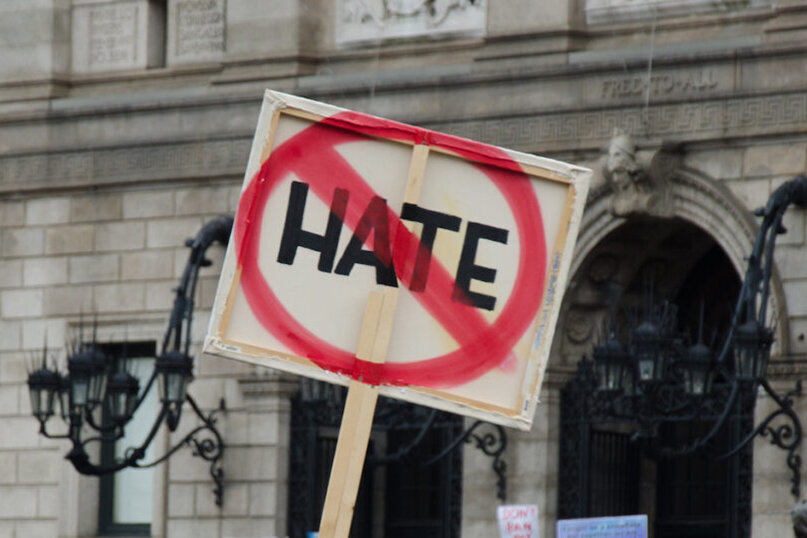
You scroll through social media and see a surge of vitriolic comments targeting Jews. You hear about vandalism at synagogues or protests escalating into violence. Antisemitism, an ancient prejudice, persists in modern forms, spiking in moments of global tension. Why does this hatred endure, and how have events like the Hamas attack on Israel, Israel’s strike on Iran, and other developments since 2020 reshaped its trajectory? This article dissects ten reasons for antisemitism’s persistence and analyzes shifts over the past five years, grounded in data, historical context, and recent geopolitical events.
Ten Reasons for Global Antisemitism
Antisemitism thrives on a mix of historical prejudices, economic scapegoating, and political manipulation. Below, explore ten reasons why this hatred persists, supported by specific examples and data.
- Religious Roots in Historical Narratives
Christian teachings from the Middle Ages often blamed Jews for the death of Jesus, fostering stereotypes of disloyalty. Islamic texts, in some interpretations, portray Jews negatively, fueling tensions in parts of the Muslim world. A 2019 Pew Research Center survey found 18% of Europeans held unfavorable views of Jews, often tied to religious-based stereotypes. These narratives, though less dominant today, linger in cultural memory, resurfacing during crises. - Economic Scapegoating
Jews have historically been blamed for economic woes. The 1920s saw Henry Ford publish The International Jew, accusing Jews of controlling global finance. Today, conspiracy theories about Jewish wealth persist. A 2021 Anti-Defamation League (ADL) report noted 24% of Americans believe Jews have too much economic power, a trope amplified during recessions or market crashes. - Conspiracy Theories of Control
Myths of Jewish control over media, banks, or governments drive antisemitism. The fabricated Protocols of the Elders of Zion remains circulated in extremist circles. In 2023, X posts falsely claimed Jews orchestrated global events like the Ukraine war, reaching millions. These theories paint Jews as manipulative, justifying hostility. - Anti-Zionism as a Proxy
Criticism of Israel often morphs into antisemitism. The 2016 International Holocaust Remembrance Alliance (IHRA) definition cites denying Jewish self-determination or holding Jews collectively responsible for Israel’s actions as antisemitic. Protests chanting “From the River to the Sea” sometimes imply Israel’s erasure, targeting Jewish identity. A 2024 AJC report found 35% of antisemitic incidents in the U.S. post-October 2023 tied to anti-Israel rhetoric. - Political Exploitation
Politicians exploit antisemitism to rally supporters. In 2019, former UK Labour leader Jeremy Corbyn faced criticism for tolerating antisemitic tropes in his party, per a UK Equality and Human Rights Commission investigation. Right-wing figures, like Hungary’s Viktor Orbán, have used coded language about “globalists” to target Jews, per a 2020 ADL analysis. - Social Media Amplification
Platforms like X and TikTok spread antisemitic content rapidly. The ADL reported a 479% spike in antisemitic slurs on 4chan post-October 2023 Hamas attack. Misinformation, like claims Jews caused 9/11, persists online. A 2024 Harvard study noted 225% increases in anti-Jewish slurs on Gab after Middle East conflicts escalated. - Cultural Stereotyping
Media portrayals of Jews as greedy or disloyal reinforce biases. A 2022 study by the University of Southern California found 12% of Hollywood films with Jewish characters used negative stereotypes. These images shape public perceptions, especially in regions with few Jewish communities. - Jealousy of Perceived Success
Jewish achievements in science, finance, and arts spark resentment. Jews, 0.2% of the global population, have won 20% of Nobel Prizes since 1901. A 2023 Aish article noted perceptions of Jewish “exceptionalism” fuel envy, leading to accusations of unfair advantage. - Historical Trauma and Resentment
Events like the Holocaust make Jews a symbol of victimhood, paradoxically fueling resentment. Some groups, per a 2021 European Union Agency for Fundamental Rights report, view Jewish advocacy for remembrance as overshadowing other historical grievances, breeding hostility. - Global Conflicts as Catalysts
Middle East tensions, especially involving Israel, trigger antisemitic spikes. The ADL recorded 2,100 antisemitic incidents in the U.S. in 2019, spiking after Gaza conflicts. Post-2020, the Hamas attack and Israel’s responses intensified global antisemitism, as detailed below.
Shifts in Antisemitism Since 2020
Since 2020, antisemitism has surged, driven by the October 7, 2023, Hamas attack, Israel’s retaliatory actions, and geopolitical developments like Israel’s strike on Iran. Below, analyze how these events reshaped antisemitic trends, with data and examples.
- Hamas Attack on October 7, 2023
Hamas’s assault killed 1,200 Israelis, mostly civilians, and took 250 hostages, per BBC reports. The attack, the deadliest on Jews since the Holocaust, sparked global outrage but also antisemitic backlash. The ADL logged 312 antisemitic incidents in the U.S. from October 7-23, 2023, with 190 linked to the Gaza war. Protests in London saw a 1,350% rise in anti-Jewish hate crimes, per The Guardian. Why did this attack amplify hatred? It revived tropes of Jewish culpability, with some blaming Israel’s policies for provoking Hamas, per a 2023 Reuters analysis. - Israel’s Retaliatory Campaign in Gaza
Israel’s response, killing over 55,000 Palestinians by June 2025 per Gaza health officials, drew global criticism. Protests worldwide, while often focused on Palestinian rights, sometimes veered antisemitic. In Buenos Aires, Jewish schools stopped using uniforms to avoid targeting, per Reuters. At Cornell University, threats against Jewish students spiked, per a 2023 NBC News report. The war’s scale intensified anti-Israel sentiment, blurring into antisemitism when Jews were held collectively responsible. - Iran’s Role and Israel’s Strike
Iran, Hamas’s key backer, escalated tensions. After Hamas leader Ismail Haniyeh’s assassination in Tehran in July 2024, Iran fired 200 missiles at Israel on October 1, 2024, causing minimal damage, per Britannica. Israel’s October 2024 strike on Iranian nuclear and military targets, dubbed Operation Rising Lion, aimed to curb Iran’s nuclear threat, per AJC. Antisemitic incidents spiked post-strike, with Cyprus foiling an Iran-backed plot against Jews in December 2023, per Wikipedia. Iran’s “axis of resistance” with Hezbollah and Houthis fueled narratives of Jewish aggression, per a 2023 Washington Institute report. - Global Surge in Incidents
Antisemitic incidents soared post-2020. The Czech Republic reported 4,328 incidents in 2023, a 90% rise, with 1,800 post-October, per Wikipedia. Denmark arrested four Hamas operatives planning attacks on Jewish targets in 2023. In the UK, the Community Security Trust recorded 1,978 incidents in early 2024, double the prior year. Why this surge? Geopolitical tensions and social media amplified divisive narratives, per a 2024 PBS News analysis. - Shifts in Left-Wing Antisemitism
Left-wing antisemitism grew, often tied to anti-Zionism. A 2024 AJC report cited U.S. Representative Ilhan Omar’s comments on Israel as invoking dual-loyalty tropes. University protests, like those at Columbia in 2023, saw Jewish students harassed, per Wikipedia. A 2024 Harvard study found no increase in antisemitism among seniors versus freshmen, suggesting broader societal influences over campus indoctrination. - Right-Wing Extremism
Right-wing antisemitism persisted, with white nationalist groups like NatSoc Florida protesting U.S. support for Israel in 2023, per Reuters. The 2022 Colleyville synagogue hostage crisis and 2018 Pittsburgh shooting, killing 11, underscore ongoing threats. The ADL noted neo-Nazis co-opting Hamas rhetoric online post-2023, per NBC News. - Social Media’s Role
Platforms amplified antisemitism. A 2023 TIME report noted X users spreading false claims about Jewish responsibility for global crises. Hamas’s use of social media to broadcast October 7 atrocities reached millions, per Harvard. Why does this matter? Unregulated platforms accelerate hate, with 17,000 tweets using “Hitler was right” post-Gaza conflict, per NPR. - Policy Responses
Governments responded unevenly. The U.S. Justice Department launched a task force post-October 2023 to combat antisemitism, per DOJ. The UK allocated £3 million for Jewish community security in 2023, per TIME. Yet, some nations, like China, failed to curb online antisemitic vitriol, per Reuters. These gaps highlight challenges in countering global hate.
Actionable Insights to Combat Antisemitism
You can’t eradicate antisemitism overnight, but targeted actions reduce its spread. Below, find practical steps based on current trends and data.
- Educate on Historical Context
Schools should teach antisemitism’s roots, using resources like the IHRA definition. A 2021 EU report found 60% of Europeans unaware of Holocaust details, fueling ignorance. Ask yourself: Does your local curriculum address this? - Monitor Social Media
Push platforms to enforce hate speech policies. The ADL’s 2024 audit found 30% of antisemitic posts on X unmoderated. Report harmful content and support legislation like the U.S. Take It Down Act, per Northeastern University. - Support Jewish Communities
Advocate for funding security at synagogues and schools. The U.S. allocated $400 million for nonprofit security in 2023, per DOJ. Check if your community accesses similar grants. - Challenge Anti-Zionist Tropes
Call out when criticism of Israel crosses into antisemitism. Use IHRA guidelines to distinguish legitimate critique from hate. Engage in dialogues at universities or workplaces to clarify these lines. - Promote Interfaith Dialogue
Organize events uniting Jewish, Muslim, and Christian leaders. A 2023 AJC initiative in Washington, D.C., reduced local tensions post-Gaza war. Start similar efforts in your area.
Thought-Provoking Questions
- Why do you think antisemitism persists despite global education efforts?
- How can you differentiate valid Israel criticism from antisemitic rhetoric?
- What role does your social media use play in amplifying or curbing hate?
- Are local leaders in your community addressing antisemitism effectively?
- How might Iran’s regional actions shape antisemitism in your country?
Looking Ahead
Antisemitism evolves with global events, from Hamas’s 2023 attack to Israel’s 2024 strike on Iran. Its roots—religious, economic, and political—persist, amplified by social media and geopolitical tensions. You can counter this hate by educating yourself, challenging tropes, and supporting community efforts. Data shows surges in incidents, but targeted actions reduce their impact. Ask yourself: What step will you take today to confront this ancient hatred?
About The Author


