
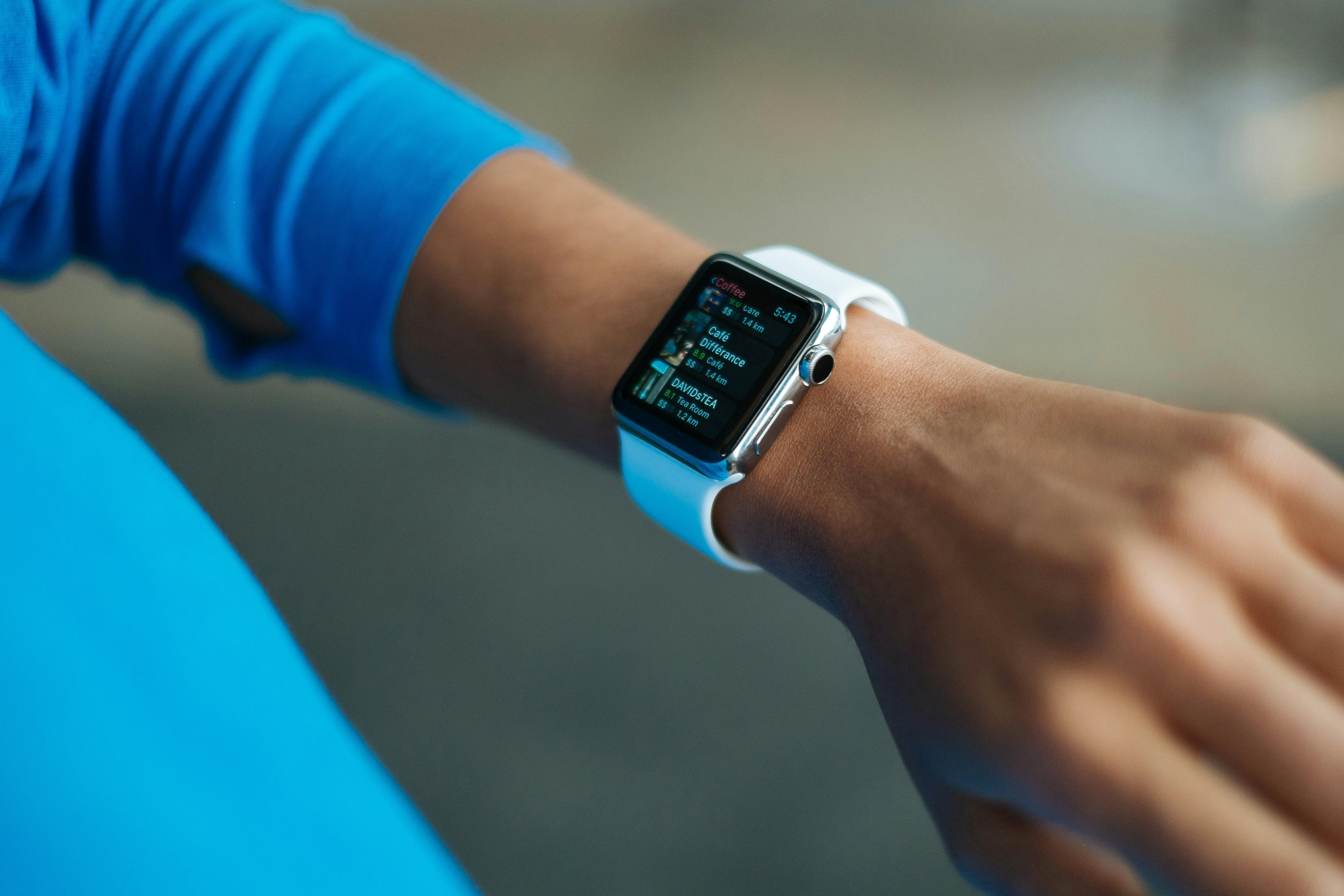
Elite cricket demands more than sound technique; it requires precise monitoring of workload, recovery, and physiological stress. In 2025, cricket fitness trackers form the backbone of performance programs from youth academies to international squads. A recent survey by SportTech Research showed that over sixty percent of professional cricketers now wear at least one tracking device during training. Teams depend on these tools to quantify sprint distances, heart‑rate variability, and bowling loads—data that drives smarter preparation and injury prevention. This article explores the best wearable devices for tracking cricket performance, explains how metrics translate into on‑field gains, and offers guidance on selecting the right tracker for every level of play.
1. Why Fitness Tracking Matters in Modern Cricket
Cricket’s demanding schedule, which spans formats from T20s to five-day Tests, requires players to perform at peak levels across varying conditions. Fast bowlers may sprint more than thirty times during a single innings, while top-order batters often endure extended periods of high-intensity activity that require both physical stamina and mental sharpness. Over time, this level of exertion can lead to fatigue, overuse injuries, and performance drops if not managed proactively.
Cricket fitness trackers have emerged as crucial tools in managing these physical challenges. By capturing real-time physiological and biomechanical data, these wearables enable coaching staff and sports scientists to fine-tune training regimes that match the unique needs of each player’s position and workload.
Key benefits of using cricket fitness trackers include:
- Early detection of cumulative fatigue before it leads to injury
- Creation of personalized strength and conditioning routines
- Establishment of return-to-play protocols grounded in data
- Enhanced pre-match physical preparation based on role-specific demands
Additionally, cricket boards that incorporate performance data from fitness trackers into their training systems have reported measurable improvements. These include a significant reduction in soft-tissue injuries and improved player availability during long international tours. As such, cricket fitness trackers are no longer optional—they are becoming an integral part of elite team management and individual player development in the modern game.
2. Core Metrics Captured by Cricket Wearables
Before choosing a device, users should understand which metrics matter most:
- Heart‑rate variability (HRV) reflects readiness and recovery status.
- Total distance and high‑speed running quantify match intensity.
- Acceleration counts reveal explosive movements such as run‑ups or quick singles.
- Ball release speed, spin rate, and PlayerLoad™ (inertial measurement) track bowling workload.
- Sleep duration and quality underpin long‑term resilience.
The most effective cricket fitness trackers capture a blend of cardiovascular, biomechanical, and sleep variables without hindering natural movement.
3. Device Categories
Wearables fall into three broad groups:
- GPS/IMU vests – torso garments with embedded sensors; popular for elite squads.
- Wrist‑based or arm‑strap trackers – lightweight options favored by batters and fielders.
- Ring and patch sensors – emerging tech that offers continuous HRV and temperature data.
Each category serves specific user needs, balancing data depth, comfort, and regulatory approval for competition use.
4. Elite‑Grade GPS and IMU Solutions
High‑performance teams gravitate toward multi‑sensor systems that combine global positioning, inertial measurement, and heart‑rate telemetry.
Catapult Vector Series
Catapult’s Vector vest measures PlayerLoad™, acceleration profiles, and bowling counts with sub‑meter positional accuracy. Its cloud dashboard delivers heat maps and custom alerts for overs bowled, enabling coaches to taper workloads on congested tours. Independent validation studies report over ninety‑six percent detection accuracy for fast‑bowling events.
STATSports Apex Athlete
STATSports offers fifteen‑Hz GPS sampling, gyroscope‑based orientation, and a robust mobile app. The unit’s light form factor appeals to youth academies seeking advanced metrics without bulky equipment.
Pros of GPS vests:
- Comprehensive biomechanical insights
- Centralized team dashboards and medical flag systems
- Compliance with ICC training regulations
Limitations:
- Higher cost and subscription requirements
- Vest fit may not suit every player body type
- Restricted in most official match play due to transmitters
5. Wrist‑Based Performance Bands
For players prioritizing convenience, wrist trackers provide practical daily monitoring.
WHOOP Strap 5.0
WHOOP differentiates itself through HRV‑driven recovery scores. The strap lacks a screen, focusing on continuous data and strain analysis. Many international cricketers use WHOOP to schedule high‑intensity bowling spells only when recovery scores exceed optimal thresholds.
Garmin Forerunner and Fenix Series
Garmin watches supply GPS distance, advanced sleep tracking, and stress scores. While not cricket‑specific, their multisport modes and long battery life suit fielding drills and distance workouts.
Polar Ignite 3
Polar’s optical heart‑rate sensor offers night‑time recovery insights. Integrated breathing exercises and guided workouts support players managing pre‑match anxiety.
Strengths:
- Affordable entry price
- Daily readiness feedback
- Compatible with most training apps
Caveats:
- Less accurate load data for bowling mechanics
- Some models restricted by silicone strap durability in humid conditions

6. Emerging Ring and Skin‑Patch Sensors
Miniaturized wearables such as Oura rings and TempTraq patches are gaining traction among cricketers looking for unobtrusive recovery tools. These devices measure HRV, skin temperature, and respiratory rate without constricting movement—a crucial advantage during lengthy batting sessions or overnight travel.
7. Selection Criteria for Teams and Individuals
To choose the ideal cricket fitness trackers, consider:
- Role specificity – Fast bowlers need inertial metrics; batters may focus on HRV and footwork.
- Data ecosystem – Assess integration with video analysis platforms and strength‑conditioning software.
- Cost of ownership – Factor hardware price, subscription fees, and team licenses.
- Regulatory compliance – Check league rules on wearable use during play.
- User comfort – Ensure the device does not impede grip, swing, or fielding agility.
8. Integrating Wearable Data into Training Plans
Raw numbers have limited value without interpretation. High‑performance units employ sports scientists who:
- Establish baseline thresholds for each athlete.
- Alert coaches when PlayerLoad or HRV deviates from norms.
- Periodize workloads with micro‑cycles that balance training stress and recovery.
- Collaborate with medical staff to refine rehabilitation timelines.
Grassroots clubs can still harness insight with simplified dashboards, focusing on consistent sleep patterns, step counts, and basic intensity zones.
9. Case Studies
Indian Men’s Team 2024–25 Season
The side used Catapult vests to monitor cumulative bowling distances during the packed World Cup schedule. By capping weekly PlayerLoad for frontline quicks, the staff saw a reported twelve percent reduction in soft‑tissue injuries.
Australian Women’s League
WHOOP recovery metrics guided morning fitness sessions. Players posting sub‑optimal HRV shifted to low‑intensity drills, preserving peak power for match day. Team management credited the system with sustaining consistent pace in the death overs.
English County Clubs
A pilot program with Garmin units linked sleep scores to net session intensity. Batting strike rate improved in players who averaged seven‑plus hours of high‑quality sleep, reinforcing holistic preparation.
10. Limitations and Challenges
Despite rapid adoption, tracking technology is not foolproof.
- Sensor accuracy can vary across skin tones and sweat conditions.
- Data overload risks decision paralysis among coaches without analyst support.
- Privacy concerns arise when sharing biometric data across staff or sponsors.
- Cost barriers limit access for emerging cricket nations.
Program success depends on clear data policies, athlete education, and phased rollout plans.
11. Future Trends
Looking ahead, cricket fitness trackers will incorporate:
- Edge‑AI chips for on‑device metric calculation, reducing reliance on cloud uploads.
- Smart clothing with woven sensors, offering full‑body movement capture.
- Biochemical patches tracking hydration and electrolyte levels in real time.
- Seamless integration with virtual‑reality training simulators for immersive feedback.
As machine learning models digest multi‑season datasets, predictive injury risk engines will become central to squad management.
Conclusion
Wearable technology has revolutionized cricket’s physical and tactical landscape. Whether through elite GPS vests tracking explosive pace or wrist‑based bands highlighting sleep debt, cricket fitness trackers equip players and coaches with actionable insight. The diversity of devices allows customization across budgets and performance goals, from grassroots teams monitoring basic wellness to national squads managing world‑class engines.
For sustained success, stakeholders must balance technological precision with athlete well‑being and data ethics. By selecting fit‑for‑purpose trackers, interpreting metrics intelligently, and integrating findings into holistic programs, cricket can continue to evolve into a faster, safer, and more informed sport.
Sources
https://www.catapultsports.com
https://www.whoop.com
https://www.garmin.com
https://www.statsports.com
https://www.polar.com
https://www.espncricinfo.com
https://www.icc-cricket.com
About The Author


