
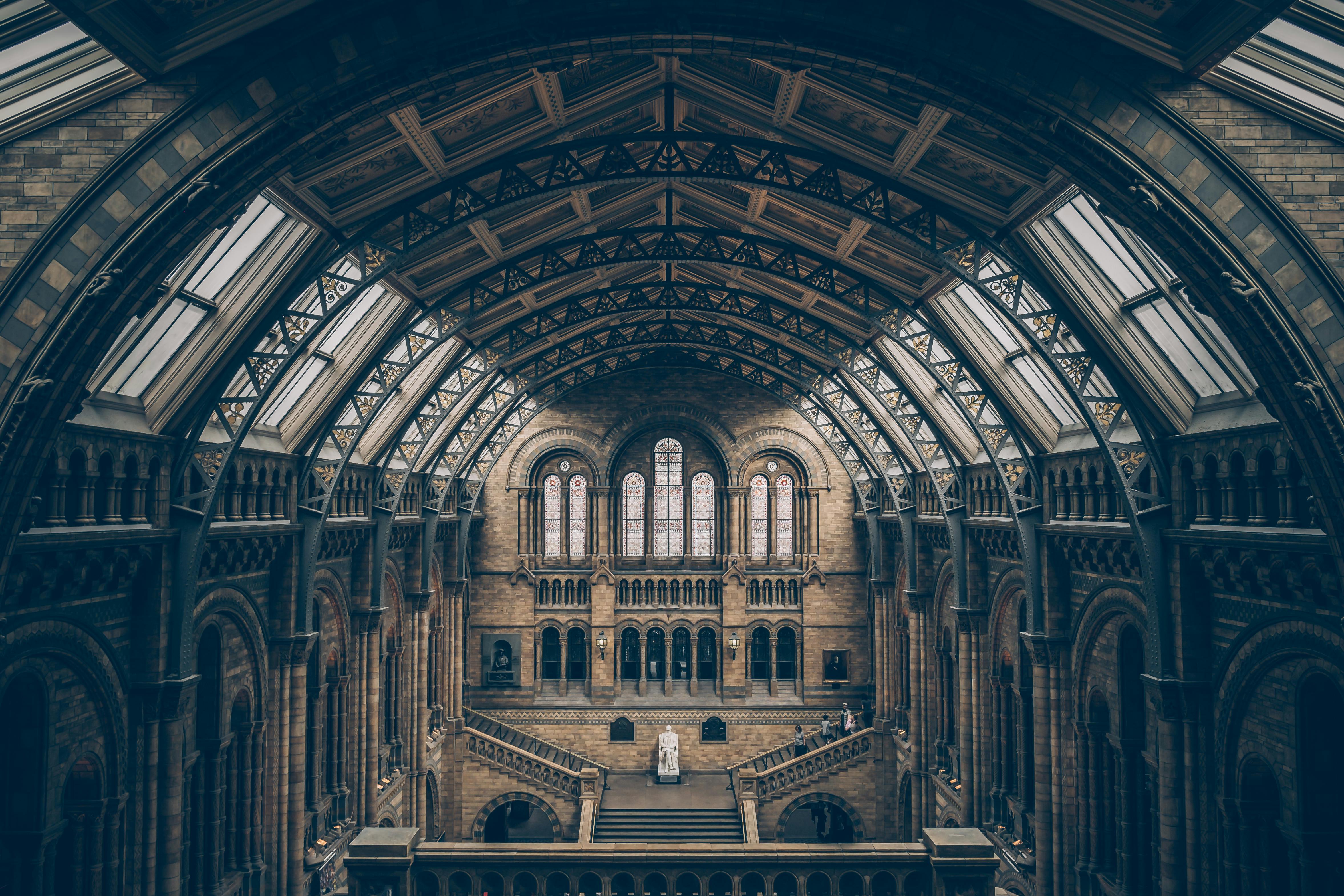
Architecture is more than shelter. It is memory cast in stone, concrete, and wood—bearing witness to who we were, how we lived, and what we believed. Every archway, dome, or tiled floor holds within it stories of ambition, struggle, innovation, and identity. As societies evolve, architecture remains a bridge between the past and the present, offering physical proof that history is not just abstract—it is lived, felt, and constructed.
Architecture as Historical Record
While texts can be burned or rewritten, buildings are resilient. They outlive rulers, revolutions, and empires. Architectural forms—whether a Gothic cathedral or a Mughal fort—encode the aesthetic, technological, and spiritual values of the era in which they were built.
Key ways architecture preserves history:
- Material evidence: Stone types, woodwork, and construction methods tell us about available resources, trade networks, and craftsmanship.
- Stylistic elements: Arches, domes, columns, and decorative motifs reveal cultural influences and artistic movements.
- Urban planning: The layout of cities—from grid-based systems in ancient Greece to organic street networks in medieval Europe—reflects political priorities and social organization.
These clues allow historians, archaeologists, and architects to reconstruct the past in ways that textual sources alone cannot provide.

Monuments and National Identity
Monumental architecture plays a vital role in shaping collective memory. Palaces, war memorials, temples, and government buildings are more than functional—they are symbolic. They anchor national narratives and reflect how societies want to be remembered.
Examples:
- The Colosseum in Rome is not only a marvel of Roman engineering but a testament to imperial spectacle and public life.
- India’s Red Fort represents Mughal architectural grandeur and later, became a site for India’s independence speeches, linking colonial resistance with built heritage.
- The Lincoln Memorial in Washington D.C. reflects neoclassical ideals and serves as a backdrop for historic civil rights events, including Martin Luther King Jr.’s “I Have a Dream” speech.
By preserving such structures, societies retain physical anchors for their foundational myths and public memory.

Religious Architecture as Cultural Legacy
Places of worship are often the most enduring and elaborately designed structures in any society. Their preservation safeguards not only religious history but also artistic and architectural innovation.
Cross-cultural significance:
- Gothic cathedrals like Notre-Dame de Paris blend engineering with spiritual aspiration. Their stained-glass windows and flying buttresses illustrate medieval Europe’s theological and artistic values.
- Mosques such as the Blue Mosque in Istanbul or the Great Mosque of Djenné in Mali showcase Islamic architectural traditions—from minarets to geometric design.
- Temples in Cambodia’s Angkor Wat or Peru’s Inca ruins reflect spiritual relationships with nature, cosmos, and monarchy.
Preserving these sites means protecting the rituals, iconography, and craftsmanship that shaped centuries of cultural expression.
Colonial Architecture and Difficult Heritage
Not all historical architecture is celebrated. Some buildings—especially those from colonial eras—bear painful associations. Yet even these contested structures offer insight into power dynamics, exploitation, and resistance.
Critical perspectives:
- Plantation mansions in the U.S. South embody the legacy of slavery, even as they are often marketed for tourism.
- British-era bungalows in India or rail stations in Kenya carry the stamp of colonial control but have also been reclaimed and adapted.
- Apartheid-era architecture in South Africa reflects a racially segregated urban plan—now being reshaped in post-apartheid narratives of inclusion.
Preserving such architecture does not mean glorifying oppression. Instead, it provides opportunities for historical reflection, public education, and reimagining the built environment as inclusive space.

Architecture in Times of Conflict and Loss
When architecture is destroyed—whether by war, natural disaster, or deliberate demolition—history itself is at risk. Destruction of cultural heritage is often a calculated political act intended to erase identity.
Examples of architectural loss:
- The 2001 demolition of the Bamiyan Buddhas in Afghanistan by the Taliban eliminated not just religious art, but a piece of global Buddhist heritage.
- Aleppo and Palmyra in Syria saw centuries-old souks, mosques, and Greco-Roman ruins reduced to rubble during the civil war.
- Notre-Dame’s fire in 2019 sparked global mourning, demonstrating the deep emotional ties people feel to iconic structures.
In these moments, architecture’s value becomes undeniable—not just as history, but as emotional infrastructure that connects people to their past.

Restoration and Conservation as Acts of Memory
Preserving architecture is not passive—it requires deliberate choices. Restoration projects must balance authenticity with safety, cultural sensitivity with modern needs. These efforts often spark debates: What counts as original? Should ruins remain untouched? Who decides what gets preserved?
Notable efforts:
- Venice’s preservation from rising tides involves complex engineering and political negotiation to save a UNESCO heritage site from climate change.
- The rebuilding of Warsaw’s Old Town after World War II relied on historical paintings and photographs to recreate lost architecture.
- The Acropolis restoration in Athens uses marble from the original quarries and ancient techniques blended with modern technology.
These projects demonstrate that restoration is not just about stone—it is about identity, resilience, and the politics of memory.
Architecture is a living archive. It documents the spiritual, social, and political histories of civilizations—not through words, but through space, form, and material. To walk through an ancient temple, a city square, or a colonial corridor is to step into history itself.
By preserving architectural heritage, societies don’t just honor the past—they gain the tools to understand the present and imagine a future rooted in continuity, reflection, and respect.

Preserving architectural heritage is no longer just a matter of maintaining old buildings. It has evolved into a dynamic, interdisciplinary field that merges history, design, engineering, environmental science, and politics. In an era marked by rapid urbanization, climate change, and technological innovation, the question is not whether the past should be preserved—but how.
From Static Preservation to Living Heritage
Historically, preservation was treated as a matter of freezing buildings in time—restoring them to a specific historical moment. Today, however, the idea of “living heritage” has gained ground, emphasizing use, adaptation, and continuity over static conservation.
Key ideas behind living heritage:
- Functional reuse: Repurposing old buildings for modern uses—such as turning an old railway station into a cultural center—extends the structure’s life while keeping its spirit intact.
- Community-centered preservation: Residents are involved in decisions about restoration and use, ensuring cultural relevance.
- Cultural layering: Rather than restoring a site to one historical moment, preservation now may honor multiple periods of significance.
Example: The Gasometers in Vienna, Austria—once industrial gas storage tanks—have been transformed into modern housing, office, and entertainment spaces while retaining their original façades. This project demonstrates that architectural memory can coexist with contemporary urban needs.
Sustainable Design Meets Historical Architecture
As the climate crisis deepens, architects and preservationists are rethinking how historical buildings can contribute to sustainability goals.
Environmental advantages of preservation:
- Embodied energy conservation: Reusing buildings avoids the carbon emissions of demolition and new construction.
- Passive design features: Many historical structures were designed to function without mechanical heating or cooling systems—offering models of energy-efficient design.
- Eco-sensitive materials: Traditional materials like adobe, timber, or lime mortar often have lower environmental impact than modern industrial alternatives.
Example: In Singapore, the National Gallery was created by repurposing two colonial-era buildings—the Supreme Court and City Hall. The integration of green roofing, natural lighting, and open ventilation helped reduce the environmental footprint of a major cultural space while preserving the city’s architectural legacy.

Adaptive Reuse: Bridging Past and Present
Adaptive reuse is the practice of modifying existing buildings for new purposes. It respects the architectural character of the original structure while updating it to meet current needs.
Why adaptive reuse matters:
- Urban regeneration: Old factories, warehouses, and schools become vibrant spaces—art galleries, restaurants, co-working hubs—revitalizing neighborhoods.
- Economic value: Preservation can boost tourism, attract investment, and raise local property values.
- Cultural resilience: Reused buildings serve as tangible links to the past, even as their functions evolve.
Example: The Tate Modern in London is housed in a former power station. Its iconic chimney and turbine hall were preserved, creating one of the world’s most visited art museums. The project is now celebrated for balancing architectural heritage with modern design ambition.
Challenges in Contemporary Preservation
Despite innovation, preserving historical architecture in today’s world is full of tension and trade-offs.
Key challenges:
- Urban development pressure: In rapidly growing cities, historic buildings are often sacrificed for high-rises or commercial complexes.
- Gentrification: Restoration may drive up rents and displace original communities, especially when heritage is commodified for tourism.
- Conflicting values: What one group sees as heritage, another may see as oppressive—especially in post-colonial or post-conflict contexts.
- Lack of funding: Preservation is often expensive and time-consuming, requiring specialized skills and long-term commitment.
Example: In Istanbul, tensions between real estate developers and preservationists have erupted over plans to redevelop historical districts. While modern infrastructure is needed, residents fear losing the city’s cultural soul.
Digital Technology and Preservation
Modern technology is transforming how we document, analyze, and share architectural heritage.
Tools reshaping the field:
- 3D scanning and modeling: Allows for detailed documentation of fragile or endangered sites.
- Virtual reality (VR): Offers immersive experiences of sites that are physically inaccessible or destroyed.
- AI and data analytics: Help predict structural weaknesses and plan maintenance more effectively.
Example: After the 2015 earthquake in Nepal, international teams used drones and 3D mapping to digitally reconstruct the Kathmandu Valley’s heritage temples—providing templates for physical restoration.
Technology can never fully replace a lost building, but it can preserve knowledge, promote accessibility, and assist in long-term care.

Global Organizations and Cultural Agreements
Preserving architectural heritage is a global effort. International organizations provide technical support, funding, and policy guidance to protect historical sites across borders.
Key players:
- UNESCO: Designates and protects World Heritage Sites under the Convention Concerning the Protection of the World Cultural and Natural Heritage.
https://whc.unesco.org/ - ICOMOS (International Council on Monuments and Sites): Advises on conservation standards and practices.
- World Monuments Fund (WMF): Supports restoration and advocacy for at-risk heritage sites globally.
These organizations emphasize that architecture is not just a national treasure—it is part of humanity’s shared inheritance.
Inclusive Preservation: Who Gets Remembered?
One of the most urgent questions in preservation today is not just how to preserve—but whose history is preserved. Many communities, particularly Indigenous, working-class, or marginalized groups, have historically been left out of heritage discourses.
Inclusive approaches include:
- Documenting vernacular architecture: Everyday homes, markets, and streetscapes are as culturally significant as grand monuments.
- Preserving intangible heritage: Crafts, rituals, and oral traditions often go hand-in-hand with physical architecture.
- Centering local voices: Participatory preservation projects ensure that those most affected by restoration have a say in its outcome.
Example: In South Africa, the District Six Museum in Cape Town preserves a former mixed-race neighborhood destroyed under apartheid. It incorporates personal stories, objects, and street maps, making the architecture a vessel for justice and remembrance.
Contemporary architectural preservation is as much about ethics and imagination as it is about engineering. It asks us to consider what kind of society we want to remember—and what kind of future we want to build.
In preserving the old, we do not freeze time—we create new opportunities for learning, reflection, and belonging. As cities and cultures continue to evolve, our architectural past must remain a living part of that conversation, not a silent relic behind museum ropes.
Architecture does not merely survive through stone and mortar—it endures through memory, storytelling, and sustained effort. Across continents, cities and communities are fighting to preserve their built heritage under mounting threats from climate change, economic pressure, and political turmoil. In this final section, we explore global case studies, examine new challenges, and look toward the future of architectural preservation through policy, education, and inclusion.
Global Case Studies in Heritage Architecture
1. Petra, Jordan
Carved into rose-colored sandstone, Petra was once a thriving trade hub of the Nabataean civilization. With its elaborate tombs, temples, and aqueduct systems, the site captures the fusion of Hellenistic and Arab architectural styles.
Designated a UNESCO World Heritage Site in 1985, Petra now faces challenges from over-tourism and natural erosion. Efforts by Jordan’s Department of Antiquities and UNESCO aim to stabilize structures and manage visitor impact through the Petra Integrated Management Plan.
🔗 https://whc.unesco.org/en/list/326/
2. The Hiroshima Peace Memorial, Japan
Known as the Atomic Bomb Dome, this preserved ruin serves as a haunting symbol of the nuclear age. Located at the exact hypocenter of the 1945 bombing, it was designated a UNESCO site in 1996 and has since stood as a global monument to peace and reconciliation.
The site is maintained under Japan’s Law for the Protection of Cultural Properties and managed by Hiroshima City. It illustrates how architecture can transform tragedy into shared human memory.
🔗 https://whc.unesco.org/en/list/775/
3. Historic Cairo, Egypt
Cairo’s old quarters include mosques, Coptic churches, markets, and homes dating back to the 7th century. Its UNESCO designation covers Islamic Cairo, but urban sprawl, poverty, and neglect threaten its survival.
The Egyptian government, in collaboration with UNESCO and local architects, has launched revitalization projects such as the Al-Khalifa Restoration Initiative. These seek to balance conservation with improving urban living conditions.
🔗 https://whc.unesco.org/en/list/89/
Climate Change and Architectural Vulnerability
The climate crisis is no longer a future threat—it is reshaping the preservation landscape today. Sea level rise, stronger storms, temperature fluctuations, and changing moisture patterns endanger historic materials and infrastructure.
Sites at risk:
- Venice, Italy is facing increasingly frequent acqua alta (high tide flooding). The MOSE project (Modulo Sperimentale Elettromeccanico), a system of sea barriers, is designed to protect the city’s foundations. However, it raises concerns about cost, environmental impact, and long-term effectiveness.
🔗 https://www.mosevenezia.eu/ - Chan Chan, Peru, the world’s largest adobe city, is deteriorating due to intensified rainfall and salt crystallization. The Peruvian Ministry of Culture, along with UNESCO, is leading stabilization and drainage improvement programs.
🔗 https://whc.unesco.org/en/list/366/ - Lamu Old Town, Kenya, a Swahili settlement with coral stone buildings and narrow streets, faces saltwater damage and increased humidity due to climate change. It remains on UNESCO’s watchlist for active monitoring and community-led adaptation.
🔗 https://whc.unesco.org/en/list/1055/
Preservationists must now incorporate climate modeling, sustainable materials, and advanced weatherproofing into conservation efforts.
Technology and Digital Conservation
New technologies are revolutionizing architectural preservation. They offer ways to document, restore, and even virtually reconstruct sites that are lost or inaccessible.
Innovations in use:
- 3D scanning: Allows detailed digital mapping of buildings. Projects like CyArk provide free, open-access heritage scans from sites threatened by disaster or conflict.
🔗 https://www.cyark.org/ - Virtual Reality (VR): Institutions like the British Museum and Smithsonian now offer virtual tours of heritage buildings, making them accessible globally.
- Digital archives: UNESCO’s Memory of the World project preserves architectural documentation, blueprints, and oral histories.
These tools don’t replace physical preservation but complement it—ensuring that architectural knowledge outlives its material form.
Education and Public Engagement
Preserving architecture is a shared responsibility. While policy and science matter, the broader public must value and protect cultural spaces. Education is crucial to fostering that sense of stewardship.
Strategies making impact:
- Community walks and local festivals: Initiatives like Open House Worldwide invite people to explore historic buildings in their own cities.
🔗 https://www.openhouseworldwide.org/ - Academic programs: Leading universities like CEPT University (India) and Columbia GSAPP (USA) offer degrees in heritage conservation and urban heritage management.
🔗 https://cept.ac.in/ | https://www.arch.columbia.edu/programs/3-historic-preservation - Youth-led conservation projects: Programs like Global Heritage Youth Network (UNESCO) train young people in conservation ethics, techniques, and storytelling.
🔗 https://whc.unesco.org/en/gfyn/
When the public is empowered with knowledge, preservation becomes a cultural movement—not just a professional discipline.
Policy and the Politics of Memory
Architectural heritage is not neutral. Decisions about what to preserve—and what to let fade—are deeply political. Whose history is visible? Whose stories are told through buildings?
Issues in focus:
- Postcolonial reckoning: Countries in Africa, Asia, and Latin America are revisiting colonial architecture. Some buildings are preserved for historical value; others are repurposed or demolished to reclaim space.
- Community inclusion: Informal settlements, working-class neighborhoods, and Indigenous structures have often been excluded from preservation efforts. Organizations like the World Monuments Fund now advocate for broader, community-based criteria.
🔗 https://www.wmf.org/ - Conflict and reconstruction: In post-war cities like Sarajevo, Aleppo, and Mosul, restoration involves difficult choices: rebuild to original state, modernize, or leave ruins as memorials?
The future of architectural preservation lies in democratizing memory—ensuring all voices are heard, and all histories respected.
Conclusion
Architecture is more than aesthetics—it is a living record of human ambition, creativity, injustice, and resilience. In preserving it, we don’t just honor craftsmanship or design—we affirm identity, belonging, and continuity.
As we move into an uncertain future shaped by climate change, urban migration, and technological shifts, the role of architecture in preserving history becomes even more urgent. It challenges us to ask: What do we value? What do we remember? And how do we build a world that respects both the past and the generations to come?
Verified Resources
- UNESCO World Heritage Centre: https://whc.unesco.org/
- World Monuments Fund: https://www.wmf.org/
- CEPT University (Heritage Conservation Program): https://cept.ac.in/
- Open House Worldwide: https://www.openhouseworldwide.org/
- CyArk (3D Digital Heritage): https://www.cyark.org/
- MOSE Project Venice: https://www.mosevenezia.eu/
- UNESCO Memory of the World: https://en.unesco.org/programme/mow
About The Author


